The 2026 Gift Guide: Matching Bean Earrings to Every Occasion
Discover the ultimate 2026 gift guide for bean earrings. Learn how to match gold, silver, and gemstone bean studs and drops to any occasion and recipient.

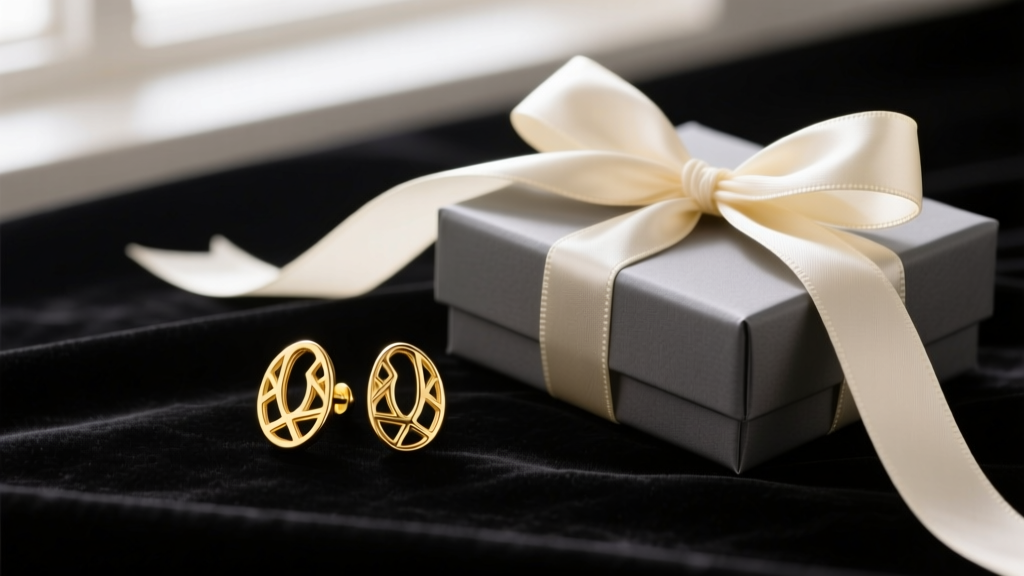
The Rise of the Bean: Why Organic Shapes Dominate 2026 Gifting
As we navigate the 2026 jewelry market, the shift toward organic, fluid silhouettes has firmly cemented the bean earring as a must-have accessory. Moving away from rigid geometric studs, the modern bean earring—encompassing kidney, coffee, and jelly bean variations—offers a sculptural elegance that feels both deeply personal and effortlessly chic. For gift-givers, this versatility is a goldmine. However, selecting the perfect pair requires more than just picking a pretty shape; it demands an understanding of metallurgy, structural integrity, and the specific lifestyle of your recipient.
This comprehensive guide breaks down the technical and aesthetic nuances of bean earrings, providing a precise framework to match the right metal, weight, and style to every gifting occasion on your calendar.
The Anatomy of a Perfect Bean Earring: Weight, Gauge, and Construction
Before selecting a gift, it is crucial to understand the physical mechanics of bean-shaped jewelry. Because the bean silhouette is naturally voluminous, weight distribution is the primary factor in comfort and longevity.
Solid vs. Electroformed Hollow Construction
A solid 15mm 14k gold kidney bean earring can easily weigh over 8 grams per ear. Over time, this excessive weight will stretch the earlobe piercing, leading to irreversible sagging. For any bean earring exceeding 10mm in diameter, master jewelers utilize electroforming. This process creates a hollow, lightweight shell of gold or platinum that maintains the lush, 3D volume of the bean while keeping the weight under 2.5 grams per ear. When gifting oversized statement beans, always verify that the piece is hollow-constructed or features a supportive ear-jacket backing to distribute the load.
Post Gauge and Structural Integrity
The thickness of the earring post, measured in gauges, dictates how securely the bean sits on the ear. Standard lightweight studs utilize a 20-gauge (0.81mm) post. However, if you are gifting a heavier, elongated jelly bean drop, the piece requires a thicker 18-gauge (1.02mm) or even 16-gauge (1.29mm) post to prevent the metal from bending under the kinetic stress of daily movement. Always check the product specifications for gauge thickness when purchasing drop-style bean earrings.
The Occasion Matching Matrix
Matching the earring to the event ensures your gift feels intentional and appropriate. Use the matrix below to align your purchase with the recipient's milestone.
| Occasion | Recipient Profile | Recommended Bean Style | Material & Specs | Estimated Price Range |
|---|---|---|---|---|
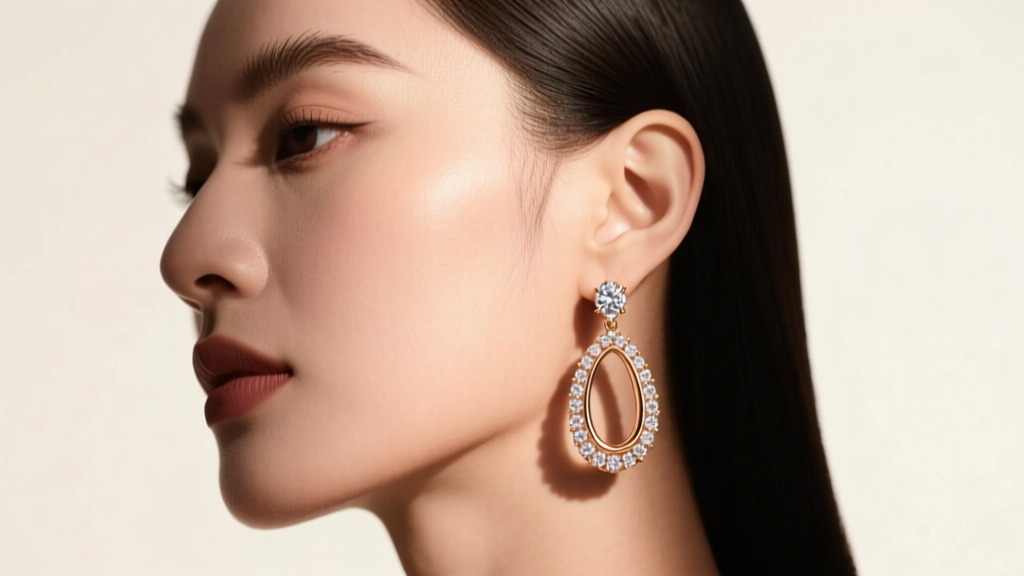
| Milestone Anniversary | Partner / Spouse | 15mm Kidney Bean Drop with Diamond Pavé Edge | 18k Yellow Gold, 18g post, leverback clasp | $1,800 - $3,500 |
| College Graduation | Daughter / Niece | Elongated Jelly Bean Huggies | 14k White Gold, hinged snap closure | $450 - $850 |
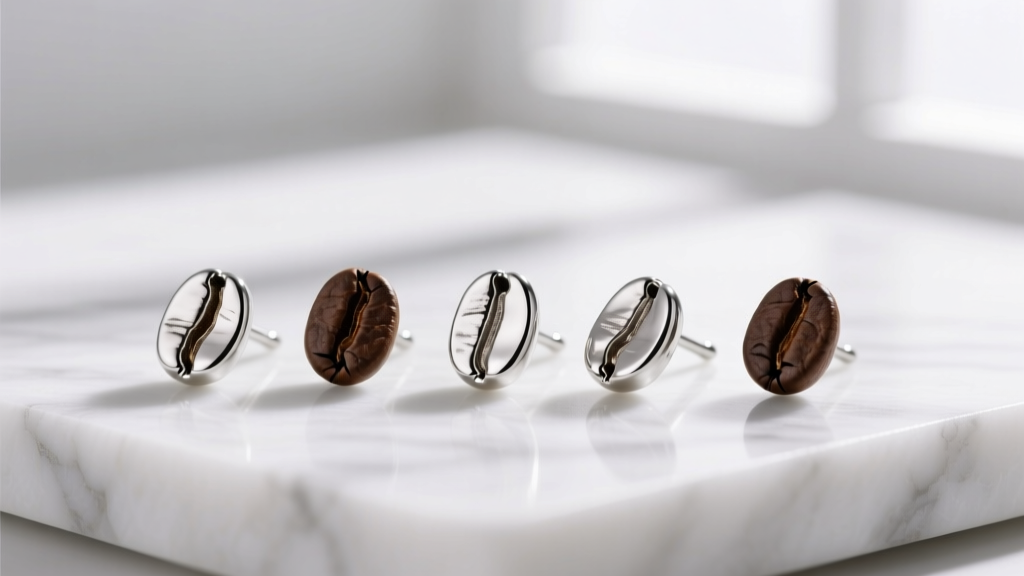
| Everyday / Just Because | Best Friend / Sister | 8mm Coffee Bean Studs | Sterling Silver or 10k Rose Gold, 20g post | $60 - $180 |
| Black Tie Gala | Fashion-Forward Colleague | Asymmetrical Bean Ear Cuffs & Drops | Platinum with Sapphire accents | $4,200 - $7,000+ |
Navigating Metal Sensitivities and Allergies
Gifting jewelry to someone with sensitive ears requires strict adherence to metallurgical standards. The term "hypoallergenic" is largely an unregulated marketing buzzword and should not be trusted as a guarantee of safety. According to the Mayo Clinic, nickel allergy is one of the most common causes of allergic contact dermatitis, frequently triggered by cheap jewelry alloys.
What to Look For:
- 14k or 18k Gold: Ensure the alloy is explicitly labeled as nickel-free. White gold is particularly risky, as it is often alloyed with nickel to achieve its silvery color. Opt for white gold alloyed with palladium, or choose platinum instead.
- Implant-Grade Titanium: For newly pierced ears or highly reactive lobes, look for titanium certified to the ASTM F136 standard. This is the exact grade used in medical implants and contains zero nickel.
- Sterling Silver Caveats: While .925 sterling silver is generally safe, it is prone to tarnishing. If gifting silver bean earrings, look for pieces that feature a thick rhodium plating, which acts as a barrier against oxidation and skin irritation.
Sizing and Proportion: Matching Beans to Face Shapes
The beauty of the bean earring lies in its asymmetrical, curved geometry, which can be strategically used to flatter different facial structures. When selecting a gift, consider the recipient's face shape to ensure the earrings enhance their natural features.
Petite and Round Faces
For recipients with round or petite facial structures, avoid wide, oversized kidney beans that will overwhelm their features. Instead, opt for petite coffee bean studs (5mm to 8mm) or slender, vertical jelly bean drops. The vertical elongation of a slender drop helps to visually lengthen the face, providing a flattering, balanced silhouette.
Square and Heart-Shaped Faces
Angular jawlines and wider foreheads benefit from soft, curving lines. Oversized kidney bean hoops (15mm to 25mm) or fluid, asymmetrical bean dangles introduce softness to the lower half of the face. The curved bottom edge of a kidney bean perfectly mirrors and softens a strong jawline, making it an exceptionally thoughtful, tailored gift.
Presentation and Care: Elevating the Gifting Experience
A premium gift requires premium aftercare instructions. Bean earrings, particularly those with high-polish finishes or intricate pavé settings, require specific maintenance to retain their 2026 showroom shine.
The Gifter's Care Checklist
Include a handwritten care card with your gift detailing the following maintenance protocols:
- Chemical Avoidance: Hairsprays, perfumes, and lotions can degrade the rhodium plating on white gold beans and dull the finish of sterling silver. Earrings should always be the last thing put on and the first thing taken off.
- Cleaning Protocols: For plain gold or platinum beans, a soak in warm water with a few drops of mild dish soap, followed by a gentle brush with a baby-soft toothbrush, is ideal.
- Ultrasonic Warnings: If you are gifting bean earrings featuring diamond pavé or tension-set gemstones, explicitly warn the recipient never to use an ultrasonic cleaner. The high-frequency vibrations can loosen the micro-prongs, resulting in lost stones.
Final Thoughts on Gifting Bean Earrings
The bean earring trend is far from a fleeting fad; it represents a permanent shift toward organic luxury in modern jewelry design. By paying close attention to the structural mechanics—such as opting for electroformed hollows for oversized pieces and verifying post gauges for drops—you ensure your gift is not only beautiful but physically comfortable for the recipient. Whether you are selecting a pair of modest 10k coffee bean studs for a coworker or investing in 18k pavé kidney drops for an anniversary, understanding these technical nuances transforms a simple jewelry purchase into a masterclass in thoughtful gifting.
For further reading on precious metal alloys and their durability, consult the educational resources provided by the Gemological Institute of America (GIA) to ensure your investment stands the test of time.


