The Ultimate Guide to Mens Feather Earrings: Styles & Metals
Discover the ultimate buying guide for mens feather earrings. Learn about metal grades, gauge sizes, clasp types, and weight limits for safe wear.

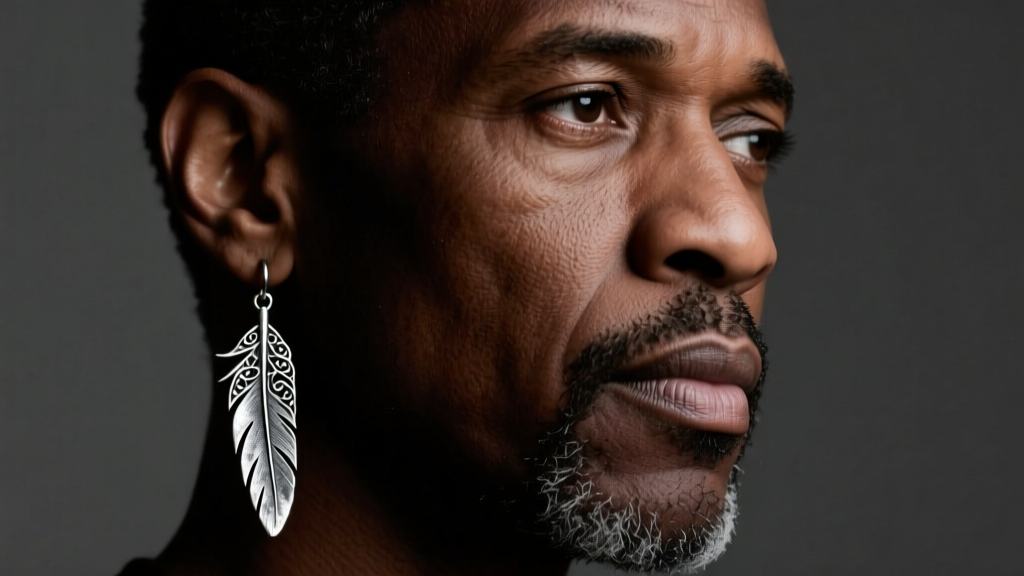
The Resurgence of Avian Motifs in Men's Jewelry
Feathers have long transcended their natural origins to become potent symbols in mens jewelry, representing vision, freedom, and a connection to heritage. While historically prominent in indigenous and bohemian aesthetics, the modern iteration of mens feather earrings has evolved into a sophisticated staple for contemporary wardrobes. Whether you are looking for a subtle stud for the office or a striking dangle for weekend wear, navigating the market requires a keen eye for metallurgy, biomechanics, and structural integrity. This comprehensive buying guide cuts through the marketing fluff to provide actionable, expert-level insights on what to look for when investing in high-quality avian-inspired ear jewelry.
Decoding Styles: Dangles, Studs, and Cuffs
Before assessing materials, you must determine the structural format that suits your lifestyle and piercing anatomy. The market generally categorizes these pieces into three distinct silhouettes:
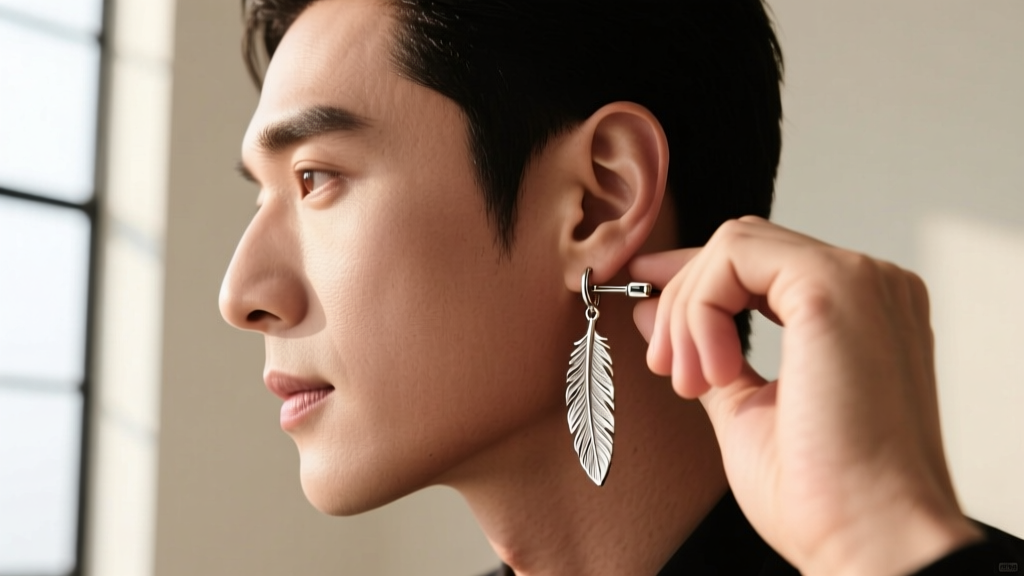
- The Articulated Dangle: Featuring a jump ring or hidden hinge that allows the feather to move independently of the ear wire. This creates dynamic motion but requires careful weight management to avoid lobe strain.
- The Fixed Motif Stud: A rigid, stationary design where the feather is cast directly into the stud base. Ideal for cartilage piercings (like the helix or tragus) where dangling jewelry would catch on clothing or headphones.
- The Ear Cuff / Wrap: Designed to mimic a feather wrapping around the outer rim of the ear. These require no piercing and rely on tension, making material malleability a critical factor.
Tribal vs. Geometric Minimalism
Aesthetically, you will encounter two dominant design languages. Tribal designs feature intricate, curved barbs with heavy oxidation to emphasize depth and historical motifs. Conversely, geometric minimalism utilizes sharp, linear cuts and high-polish finishes, appealing to modern, avant-garde fashion. Your choice should align with your existing jewelry wardrobe; highly textured tribal pieces clash with sleek, contemporary signet rings, while minimalist geometric feathers bridge the gap between casual and formal wear.
Metallurgy Matters: Choosing the Right Alloy
The most common failure point in cheap mens jewelry is material degradation. Because the earlobe is a high-friction, high-moisture environment, the alloy you choose dictates both the lifespan of the earring and your skin's reaction to it.
| Material Grade | Price Range | Pros & Cons | Best For |
|---|---|---|---|
| Brass / Bronze | $15 - $35 | Highly affordable, develops a natural patina. Con: Copper content reacts with sweat, causing green skin discoloration. | Occasional wear, costume styling. |
| 925 Sterling Silver | $45 - $120 | Excellent detail for casting. Con: Contains 7.5% copper, requiring anti-tarnish coatings or regular polishing. | Everyday wear, intricate tribal designs. |
| ASTM F136 Titanium | $60 - $150 | Hypoallergenic, ultra-lightweight, immune to tarnish. Con: Difficult to cast, limiting design complexity. | Sensitive ears, fresh piercings, active lifestyles. |
| 14k / 18k Solid Gold | $300 - $800+ | Prestige, zero tarnish, holds immense detail. Con: Heavy; pure gold is too soft, so alloy blends are necessary for durability. | Luxury collectors, heirloom pieces. |
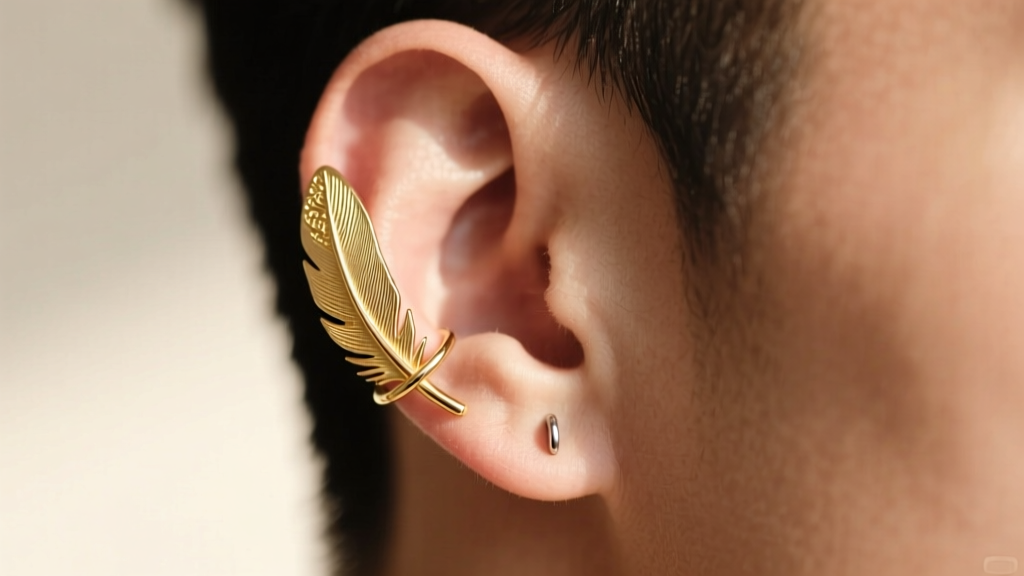
According to the Gemological Institute of America (GIA), sterling silver will naturally tarnish due to the copper alloy reacting with sulfur in the air. When buying 925 silver feather earrings, look for pieces that have been rhodium-plated or feature an e-coating. This microscopic barrier prevents oxidation while preserving the sharp, intricate lines of the feather barbs.
Gauge Sizes, Weight, and Piercing Placement
Ignoring the biomechanics of your piercing is a fast track to permanent tissue damage. The two critical metrics you must evaluate are wire gauge and overall gram weight.
The 7-Gram Rule and the Cheese Cutter Effect
The 'cheese cutter effect' occurs when a thin wire bearing a heavy load slowly slices through the earlobe tissue, causing migration and eventual tearing. Standard fashion earrings often use 22-gauge (0.6mm) or 20-gauge (0.8mm) wires. If you are buying a dangle earring that exceeds 7 grams in weight, you must ensure the ear wire is at least 18-gauge (1.0mm) or 16-gauge (1.2mm) to distribute the pressure safely.
The Association of Professional Piercers (APP) strongly advocates for thicker gauges for any jewelry that experiences kinetic pulling. If your lobes are already stretched or show signs of thinning at the base, avoid dangle feathers entirely and opt for lightweight studs or hollow-cast titanium drops.
Clasp Mechanics: Preventing Loss
Losing a $100 sterling silver earring because of a faulty backing is a preventable tragedy. The backing mechanism must match the kinetic energy of your daily routine.
- French Wire (Fishhook): The most common clasp for dangles. It relies on gravity and friction. Verdict: High risk of loss during physical activity or when removing hooded sweatshirts. Only buy if it includes a clear silicone stopper.
- Leverback: Features a hinged latch that clicks securely into place. Verdict: The gold standard for mens dangle earrings. It provides a seamless look and near-zero risk of accidental loss.
- Screw-Back Studs: The backing threads onto the post. Verdict: Essential for fixed feather studs, especially if you sleep with your earrings in or wear over-ear headphones, which easily knock off standard friction butterfly backs.
Care and Oxidation Management
Many premium mens feather earrings utilize intentional oxidation—a process where the recessed areas of the metal are darkened to create contrast and highlight the intricate barbs of the feather. This aesthetic choice requires specific maintenance.
Expert Warning: Never use ultrasonic cleaners or harsh liquid silver dips on intentionally oxidized jewelry. These methods will strip the dark patina from the crevices, leaving you with a flat, one-dimensional piece that loses its artistic depth.
Instead, use a treated, dry silver polishing cloth. Gently buff only the raised, high-polish areas of the feather. For daily maintenance, simply wipe the earring with a microfiber cloth after wearing to remove sebum and environmental acids that accelerate unwanted tarnishing on the un-oxidized surfaces.
Final Verdict: What to Look For at Checkout
When you are ready to purchase, run the piece through this final checklist to ensure you are buying a quality garment rather than a disposable accessory:
- Hallmark Verification: Ensure the metal is stamped (e.g., '925', 'Ti', '14k'). Unmarked metals are almost always plated brass.
- Weight Check: Confirm the gram weight. If it is over 7g, verify the wire gauge is 18G or thicker.
- Clasp Security: Prioritize leverbacks for dangles and screw-backs for studs.
- Edge Smoothing: Look closely at product macro-photos. The edges of the feather barbs should be tumbled and smooth; sharp, poorly finished castings will snag on hair and clothing.
By prioritizing structural integrity and premium metallurgy over fast-fashion trends, your avian-inspired jewelry will remain a sharp, meaningful, and safe addition to your personal style arsenal for years to come.


