Best Headpins for Earrings: A Metal & Material Comparison
Discover the best headpins for earrings with our in-depth metal comparison. Learn about gauge sizes, hypoallergenic properties, and durability.

The Foundation of Dangle Earrings: Why Material Science Matters
When designing dangle, drop, or chandelier earrings, the headpin is the literal foundation of your piece. Yet, many jewelers and hobbyists select headpins for earrings based solely on color, ignoring the metallurgical properties that dictate durability, workability, and skin safety. A beautiful turquoise drop is rendered unwearable if the copper headpin holding it reacts with the wearer's acidic sweat, and a heavy quartz briolette will snap a poorly chosen 26-gauge wire under its own kinetic weight.
In 2026, the jewelry market demands both aesthetic brilliance and biocompatible reliability. Whether you are fabricating fine jewelry or high-end fashion accessories, understanding the exact tensile strength, oxidation rates, and gauge tolerances of your findings is non-negotiable. This comprehensive guide breaks down the material properties of headpins to help you engineer earrings that last.
Understanding Headpin Anatomy and Gauge Tolerances
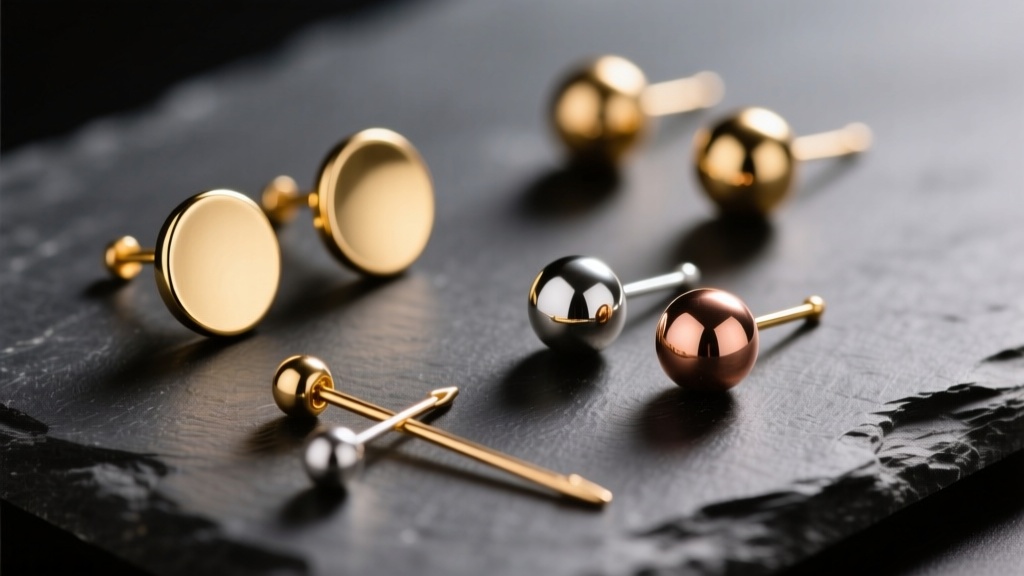
Before diving into metallurgy, we must establish the physical parameters of headpins. A standard headpin consists of a straight length of wire terminated by a 'head' or stopper. The three most common stopper types are flat heads (a simple disc), ball heads (a soldered or forged sphere), and paddle heads (a flattened, elongated teardrop shape). Paddle heads are specifically engineered to secure beads with large or irregularly drilled holes without the need for additional spacer beads.
The Critical Role of Wire Gauge
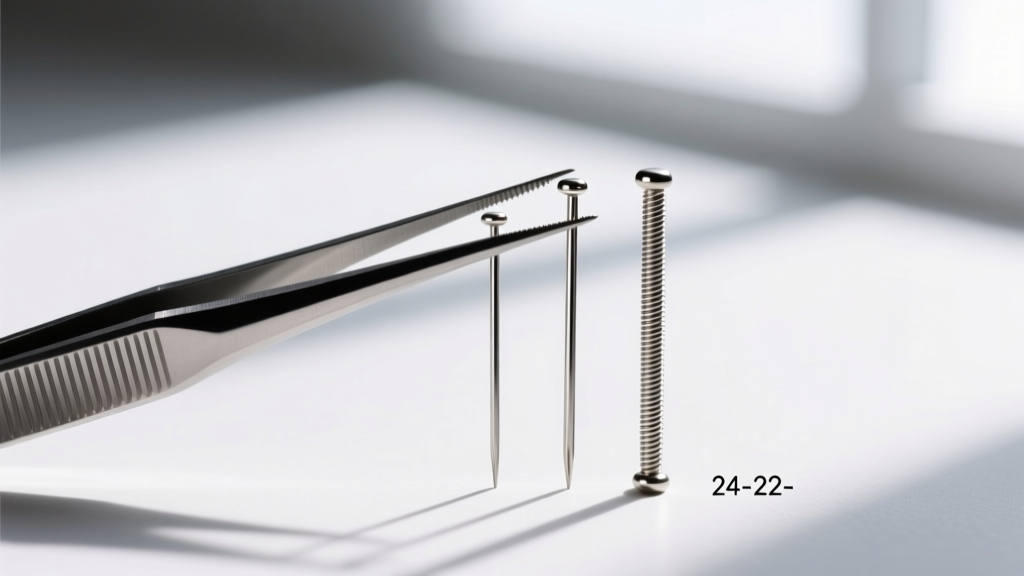
The thickness of the headpin wire, measured in American Wire Gauge (AWG), determines both the structural integrity of the earring and its compatibility with specific gemstone drill holes. According to the Fire Mountain Gems Jewelry Making Encyclopedia, matching the gauge to the bead hole is the first step in preventing fabrication failures.
- 26-Gauge (0.40mm): Ultra-fine. Reserved exclusively for lightweight freshwater pearls and seed beads. Too fragile for wrapped loops; requires simple loops.
- 24-Gauge (0.51mm): The standard for pearls, opals, and lightweight crystals. Fits through most standard 0.6mm to 0.8mm drill holes.
- 22-Gauge (0.64mm): The most versatile size. Ideal for glass beads, quartz, and medium-weight gemstones. Holds a sturdy wrapped loop.
- 20-Gauge (0.81mm): Heavy-duty. Used for large, dense stones (like agate or jasper) and structural ear wires. Requires beads with large drill holes.
Metallurgical Breakdown of Headpin Materials
The metal you choose dictates how the wire behaves under the pressure of round-nose pliers and how it survives long-term exposure to human skin and environmental humidity.
Sterling Silver (925)
Sterling silver is an alloy comprising 92.5% pure silver and 7.5% copper. The copper adds necessary tensile strength, as pure silver is too soft to hold a loop shape. However, this copper content makes sterling silver prone to oxidation (tarnish) when exposed to sulfur in the air. From a fabrication standpoint, sterling silver 'work-hardens' rapidly. If you bend and unbend a sterling headpin while attempting a complex wrapped loop, the metal will become brittle and snap. Always use 'dead-soft' temper sterling headpins for intricate wire wrapping.
Gold-Filled (14k/20)
Gold-filled headpins are a superior alternative to gold-plated wire. By legal definition in the US, gold-filled material must contain at least 5% (1/20th) gold by weight, mechanically bonded to a brass core under high heat and pressure. This thick outer layer of 14k gold will not flake off during the looping process and offers excellent tarnish resistance. It is highly malleable, making it a favorite for secure wrapped loops on high-end pearl earrings.
Surgical Stainless Steel (316L)
316L stainless steel is incredibly durable, highly resistant to corrosion, and very affordable. However, it contains trace amounts of nickel, which can trigger reactions in highly sensitive individuals despite the 'surgical' moniker. Fabrication-wise, stainless steel is notoriously stiff. It will quickly fatigue your hands and can damage standard jewelry pliers. It is best reserved for simple loop designs rather than tight, multi-wrap coils.
Commercially Pure Titanium (Grade 2)
For the ultimate hypoallergenic earring, Grade 2 titanium is the gold standard. It contains no nickel and is entirely biocompatible, making it perfect for freshly pierced lobes or cartilage. Titanium is lightweight but possesses high tensile strength. The trade-off is that it is difficult to manipulate; it resists bending and can spring back, requiring specialized techniques to form tight loops.
Comprehensive Material Properties Data Matrix
Use the following table to quickly reference the physical and chemical properties of common headpin materials before beginning your next earring project.
| Metal Alloy | Hardness / Temper | Hypoallergenic Rating | Tarnish Resistance | Best Application |
|---|---|---|---|---|
| Sterling Silver (925) | Medium (Work-hardens fast) | Moderate (Nickel-free) | Low (Requires polishing) | Fine jewelry, pearls, complex wraps |
| 14/20 Gold-Filled | Soft to Medium | High (Brass core sealed) | Very High | Premium drops, everyday wear |
| 316L Stainless Steel | Very Hard / Stiff | Low (Contains Nickel) | Extremely High | Heavy beads, simple loops, men's styles |
| Titanium (Grade 2) | Medium / Springy | Extremely High | Extremely High | Sensitive ears, cartilage, lightweight drops |
| Bare Copper | Dead Soft | Low (Oxidizes on skin) | Very Low (Patina forms) | Practice, bohemian styles, patina art |
Matching Headpins to Gemstone Porosity and Hardness
According to GIA Gem Education resources, understanding a gemstone's Mohs hardness and porosity is crucial when selecting findings. The metal of the headpin can actually interact chemically with certain stones over time.
Porous Stones: Pearls, Turquoise, and Coral
These organic and semi-porous gems are highly susceptible to chemical damage. Never use bare copper or brass headpins for high-end pearls or turquoise. As these base metals oxidize, the resulting acidic verdigris (green patina) can seep into the stone's drill hole, permanently staining the gem from the inside out. Always use 24-gauge or 22-gauge gold-filled or sterling silver headpins for porous materials.
Hard Stones: Quartz, Beryl, and Agate
Stones with a Mohs hardness of 7 or above are non-porous and highly durable. They can easily accommodate stainless steel or titanium headpins. Because these stones are often cut into large, heavy briolettes, you should prioritize a 20-gauge or 21-gauge headpin with a wide paddle head to ensure the stone does not snap the wire at the stress point where the bead meets the loop.
Troubleshooting Common Fabrication Failures
Even experienced jewelers encounter structural failures when working with headpins. Here is how to diagnose and fix the most common issues:
The Snapped Loop Syndrome: If your sterling silver or gold-filled headpin snaps exactly at the base of the loop while you are wrapping it, you are experiencing work-hardening fatigue. You have bent the metal past its crystalline limits. Solution: Switch to a 'dead-soft' temper wire, or minimize the number of times you reposition your round-nose pliers. Make the bend once, and commit to the wrap.
Paddle Heads Pulling Through the Bead: This occurs when the bead's drill hole has been widened by friction during the tumbling process, creating a conical hole that is wider at the base than at the top. The 1.5mm paddle head slips right through. Solution: Keep a supply of 2mm sterling silver or gold-filled round spacer beads (often called 'bead caps' or 'washers') on hand. Thread the spacer onto the headpin before the main gemstone to act as a wider physical barrier.
Blackening of Stainless Steel Loops: If you notice dark marks on your stainless steel headpins after looping, this is not tarnish. It is metallic residue transferred from your steel jewelry pliers. Solution: Dip your plier tips in Tool Magic (a liquid rubber coating) or use brass-core nylon jaw pliers to prevent steel-on-steel friction.
Expert Sourcing and Quality Verification
When sourcing headpins for earrings, consistency in gauge and head size is paramount. Buying unbranded bulk lots from overseas marketplaces often results in severe variances; a batch labeled '22-gauge' may contain wires ranging from 0.55mm to 0.70mm, which will ruin your muscle memory and compromise your loop sizes.
For professional-grade consistency, source your findings from established domestic suppliers like Rio Grande Jewelry Supplies or reputable specialized wire mills. Always verify that gold-filled findings come with a certificate of compliance ensuring the 1/20th gold weight ratio, and ensure your titanium findings are certified as ASTM F67 Grade 2 for true medical-grade hypoallergenic guarantees.
Final Thoughts on Earring Engineering
Selecting the right headpins for earrings is an exercise in balancing aesthetic vision with physical limitations. By respecting the gauge tolerances, understanding the work-hardening properties of your chosen alloys, and matching the metal to the gemstone's porosity, you elevate your jewelry from fragile crafts to enduring, professional-grade accessories. Take the time to test your loops, verify your drill holes, and engineer your earrings for a lifetime of wear.


