Beyond YouTube: How to Wear Moiraine Damodred Inspired Ear Cuff Jewelry
Master the Aes Sedai look. We analyze the metallurgy, gauge sizes, and material properties of Moiraine Damodred inspired ear cuffs for safe cartilage wear.

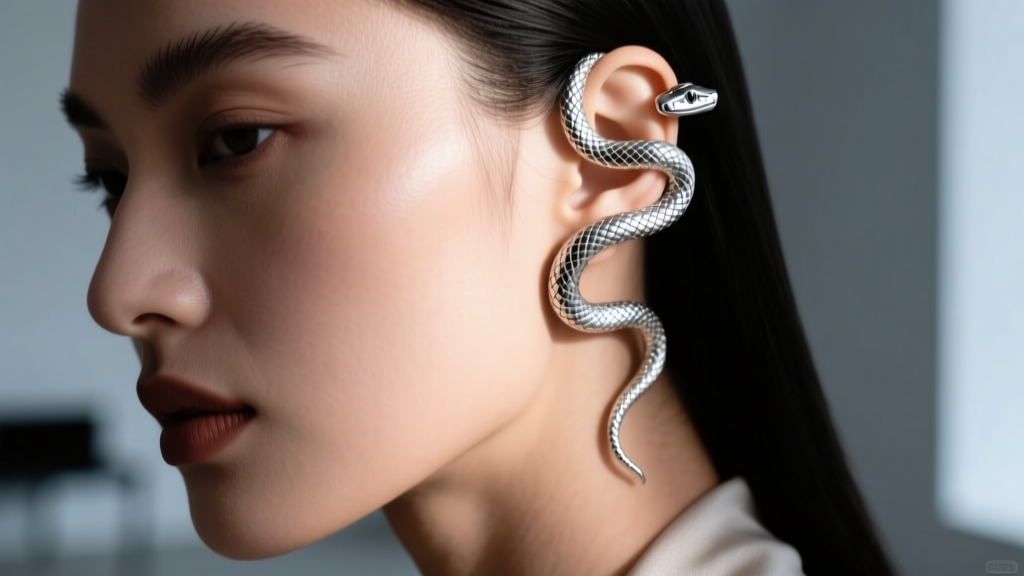
If you have ever found yourself deep in a search rabbit hole typing youtube how to wear moiraine damodred inspired ear cuff jewelry, you already know that achieving the perfect Aes Sedai aesthetic requires more than just slipping a piece of metal onto your ear. The iconic, serpentine elegance associated with Moiraine Damodred demands jewelry that looks ancient, substantial, and mystical. However, translating the heavy, lore-rich Great Serpent ring aesthetic into a non-pierced ear cuff introduces complex challenges in metallurgy, tension mechanics, and skin safety.
As non-pierced cartilage jewelry surges in popularity within fantasy and high-fashion circles, understanding the material properties of your ear cuff is no longer optional—it is essential for comfort and longevity. In this comprehensive guide, we bypass the superficial styling tips and dive deep into the material science, gauge specifications, and alloy behaviors of serpent-inspired ear cuffs.
The Metallurgy of Aes Sedai Aesthetics: Why Material Matters
Unlike traditional lobe earrings that hang from a piercing, an ear cuff relies entirely on mechanical tension to grip the helix or scapha of the ear. To achieve the intricate, scaled, or woven-wire designs reminiscent of the White Tower, the metal must possess a very specific balance of malleability (the ability to be bent by hand to fit your unique ear shape) and yield strength (the ability to hold that shape without slowly loosening over time).
Furthermore, the cartilage of the ear is highly sensitive to pressure and temperature. Heavy alloys can cause the cuff to slide down the ear due to gravity, while highly conductive metals can feel uncomfortably cold against the skin in cooler climates. When selecting a Moiraine Damodred inspired piece, you must evaluate the metal not just for its oxidized, antiqued finish, but for its structural integrity.
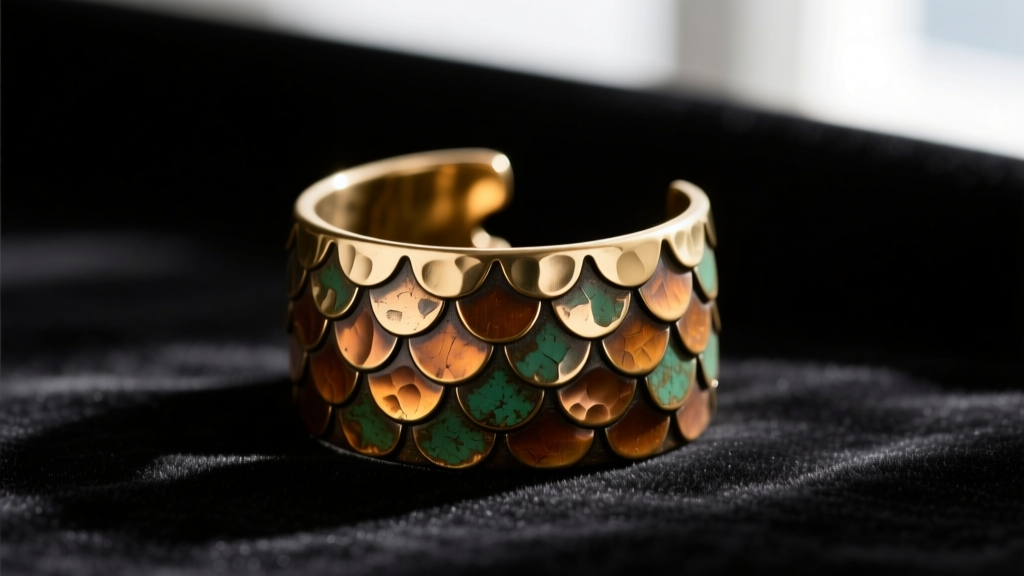
Material Comparison Chart for Serpent Ear Cuffs
Before purchasing a fantasy-inspired ear cuff, review how the most common base metals perform under the specific mechanical stresses of cartilage wear.
| Material Alloy | Wire Gauge (Typical) | Malleability | Memory / Springback | Allergy Risk | Patina Potential |
|---|---|---|---|---|---|
| .925 Sterling Silver | 18g - 16g (1.0 - 1.3mm) | High | Low (Work-hardens) | Low (Nickel-free) | High (Tarnishes) |
| Jeweler's Brass | 16g - 14g (1.3 - 1.6mm) | Medium | Medium | Medium (Zinc/Copper) | Very High |
| Bronze (Silicon) | 16g - 14g (1.3 - 1.6mm) | Medium-Low | High | Low | Medium (Darkens) |
| Grade 23 Titanium | 18g - 16g (1.0 - 1.3mm) | Low | Very High | None | None (Anodized only) |
Decoding the Alloys: Deep Dive into Cuff Materials
.925 Sterling Silver and the Work-Hardening Problem
Sterling silver (.925) is the most popular choice for high-end fantasy jewelry due to its brilliant polish and historical association with nobility. However, pure silver is too soft for ear cuffs, which is why it is alloyed with 7.5% copper. This copper content introduces a metallurgical quirk known as work-hardening.
Every time you bend a sterling silver ear cuff to adjust the fit, the crystal lattice of the metal deforms and becomes harder and more brittle. If you repeatedly open and close a 16-gauge (1.3mm) sterling silver serpent cuff, you risk microscopic stress fractures, eventually leading to a clean snap at the bend point. Actionable advice: Bend your sterling silver cuff only once or twice to achieve the perfect fit, and then leave it alone. According to the Gemological Institute of America (GIA), proper care and minimal mechanical stress are vital to preserving the structural integrity of silver alloys.
Brass and Bronze: The Antiqued Look with a Green Warning
To capture the ancient, weathered look of a relic from the Age of Legends, many artisans use brass (copper and zinc) or bronze (copper and tin). These metals are exceptional for casting highly detailed serpent scales and taking on a dark, oxidized liver-of-sulfur patina. However, they present a significant biochemical challenge.
The acidic nature of human sweat reacts with the copper in these alloys, often leaving a harmless but unsightly green or black oxidation on the skin. Because ear cuffs sit tightly against the cartilage where airflow is restricted, this reaction is accelerated. To mitigate this, look for brass cuffs that have been treated with a micro-crystalline wax sealant, or apply a thin layer of clear nail polish to the inner band of the cuff to create a barrier between the copper and your skin.
Titanium: The Hypoallergenic Compromise
For those with severe contact dermatitis, Grade 23 Titanium (Ti-6Al-4V ELI) is the ultimate safe harbor. As noted by the American Academy of Dermatology, titanium is entirely biocompatible and nickel-free. The trade-off? Titanium has incredibly high 'memory' and low malleability. A titanium ear cuff cannot be easily squeezed by hand; it requires specialized nylon-jaw pliers to adjust the gap without marring the metal. Furthermore, titanium cannot be chemically oxidized to create a black, antiqued finish—it can only be anodized, which limits the color palette to vibrant metallics rather than ancient, darkened silver.
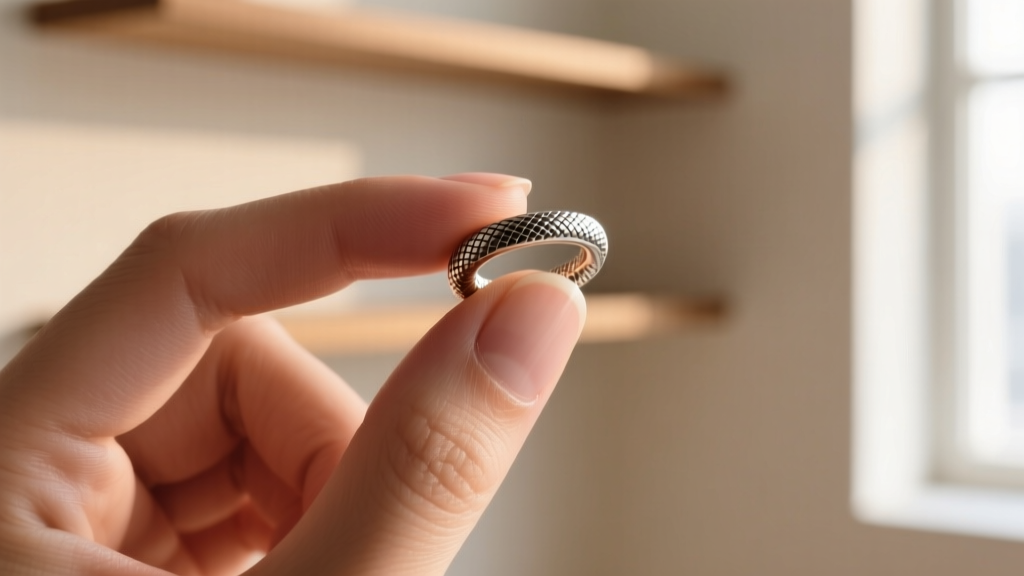
Sizing, Gauge, and Tension Mechanics
The physical thickness of the wire—measured in gauge—dictates both the visual weight of the Moiraine Damodred inspired piece and its mechanical grip on your ear.
- 20-Gauge (0.8mm): Too flimsy for serpent designs. Will bend out of shape from the simple weight of the decorative elements.
- 18-Gauge (1.0mm): The sweet spot for intricate, woven-wire Aes Sedai designs. Easily adjustable by hand, lightweight, but requires precise tensioning to stay on the helix.
- 16-Gauge (1.3mm): Ideal for solid, cast serpent heads or thick scale motifs. Provides excellent grip and structural stability, but requires more hand strength to adjust.
- 14-Gauge (1.6mm) and above: Generally too rigid for non-pierced ear cuffs unless the design features an open, hinged mechanism. Attempting to squeeze a 14-gauge solid brass cuff by hand will likely result in the decorative elements snapping off the main band.
When fitting your cuff, never pull the two ends apart like a staple. Instead, use a gentle twisting motion to widen the gap, slide it onto the thinnest part of your outer cartilage ridge, and twist it back to close the gap. This preserves the structural geometry of the piece.
Maintenance and Patina Control
The aesthetic of Moiraine Damodred's jewelry relies heavily on contrast—the dark, recessed shadows of the serpent scales against the high-polish ridges. This is achieved through chemical oxidation and selective polishing.
To maintain this high-contrast, ancient look without degrading the metal:
- Avoid Silver Dips: Liquid silver cleaners will strip the intentional black oxidation from the crevices of the scales, leaving the piece looking flat and overly modern.
- Use a Polishing Cloth: Gently rub only the raised, outer edges of the serpent design with a treated jeweler's cloth. This preserves the dark patina in the recesses while making the high points gleam.
- Storage Matters: Store your ear cuff in an anti-tarnish bag with a silica gel packet. Moisture trapped against the metal when stored in a bathroom will cause uneven, blotchy tarnishing that ruins the deliberate antiqued effect.
Expert Insight: If your brass or silver serpent cuff loses its tension and begins sliding down your ear throughout the day, do not squeeze the entire cuff. Instead, gently pinch the 'C' curve at the very back (the part hidden behind the ear ridge) to decrease the inner diameter by just 1-2 millimeters. This micro-adjustment restores grip without distorting the decorative front-facing elements.
Mastering the Aes Sedai aesthetic is about respecting the materials. By understanding the metallurgical limits of your chosen alloy and the mechanical requirements of cartilage tension, you can wear your Moiraine Damodred inspired ear cuff with the same quiet authority and enduring elegance as the character herself.


