The Technical Guide to Buying Authentic Mother Pearl Earrings
Discover the technical nuances of mother pearl earrings. Learn about nacre thickness, mollusk origins, backing metals, and how to spot synthetic fakes.

The Gemological Distinction: Nacre vs. Pearl
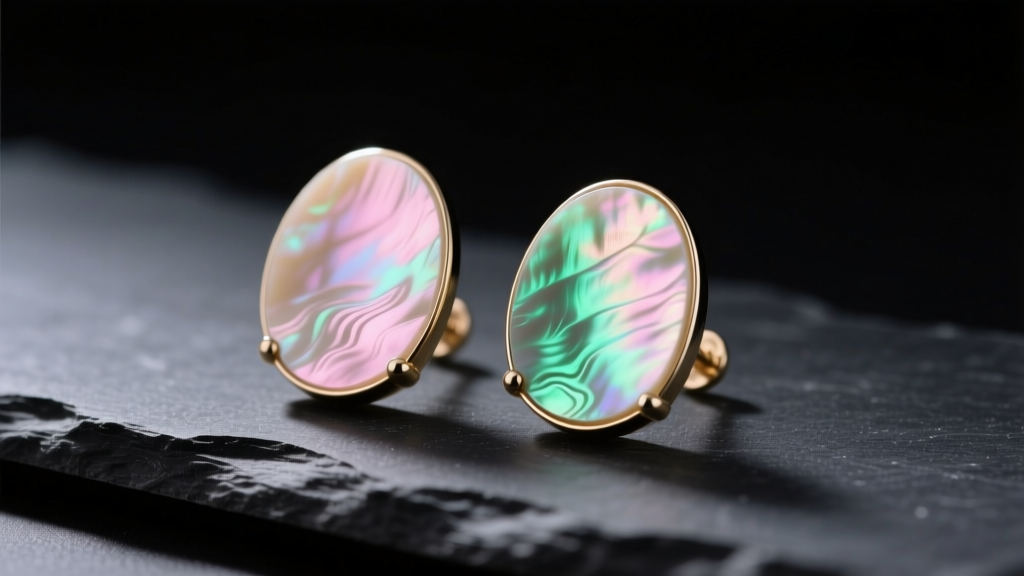
When collectors, lapidaries, and gemologists evaluate mother pearl earrings, they are fundamentally analyzing nacre—the iridescent inner lining of a mollusk shell. It is a common misconception to conflate this material with the spherical pearl gem itself. While both are secreted by the same mantle tissue of the mollusk, a pearl is a concentric, three-dimensional formation triggered by an irritant, whereas mother-of-pearl is the flat, layered architectural shell that protects the organism. Understanding this distinction is critical for assessing the structural integrity, valuation, and longevity of your earrings. The flat-cut blanks used in high-end jewelry require entirely different lapidary techniques and setting architectures compared to spherical pearls, demanding a specialized approach from both the jeweler and the informed consumer.
Mineralogy and the Physics of Iridescence
The breathtaking visual appeal of these earrings stems from a complex biomineralization process. Nacre is a composite material consisting of roughly 95% aragonite (an orthorhombic crystalline form of calcium carbonate) and 5% conchiolin (an organic, elastic protein matrix). The mollusk secretes these materials in microscopic, hexagonal platelets that stack like a microscopic brick wall. According to the Gemological Institute of America (GIA), it is the precise thickness of these aragonite platelets—typically around 0.5 micrometers—that causes thin-film interference. When white light strikes the surface, it penetrates the translucent layers and reflects back at varying wavelengths, producing the shimmering overtones of pink, green, and silver known in gemology as "orient."
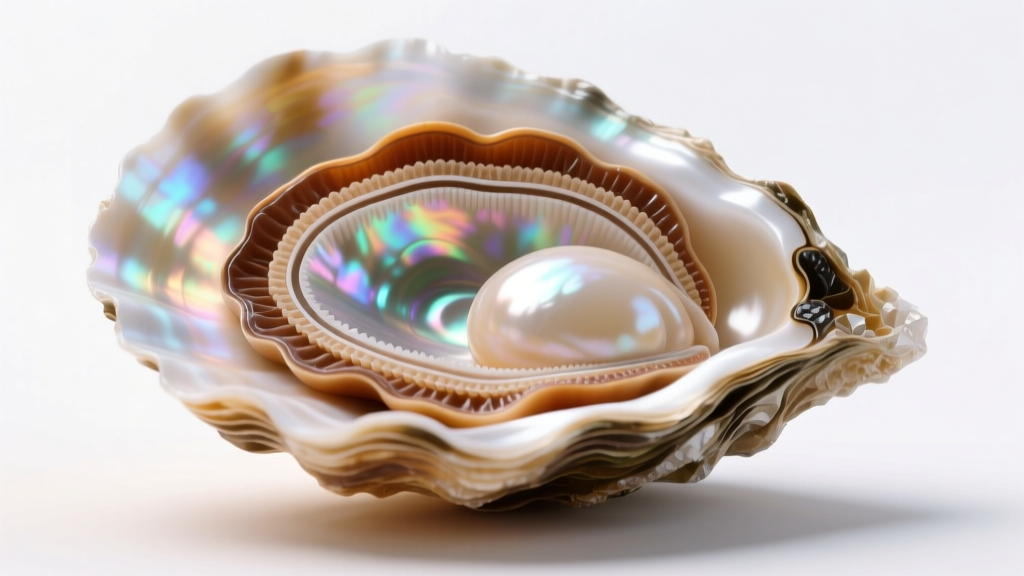
This organic-inorganic matrix also dictates the material's physical vulnerabilities. On the Mohs scale of mineral hardness, aragonite registers a mere 2.5 to 3.0. However, the conchiolin "glue" provides a degree of fracture toughness that pure calcite lacks, allowing the shell to absorb minor impacts without shattering. Nevertheless, this organic protein is highly susceptible to chemical degradation, a factor that heavily influences how these earrings must be worn and maintained.
Mollusk Origins and Nacre Thickness Grading
The quality, color, and thickness of the nacre are entirely dependent on the species of the mollusk and the environmental conditions of its habitat. Water temperature, salinity, and nutrient density all affect the rate of aragonite secretion. Below is a technical grading matrix of the primary mollusk sources utilized in fine jewelry manufacturing.
| Mollusk Species | Primary Origin | Avg. Shell Thickness | Nacre Color Profile | Market Price Range (Studs) |
|---|---|---|---|---|
| Pinctada maxima | Australia / Indonesia | 1.5mm - 4.0mm | Silver-white, deep gold | $150 - $450 |
| Pinctada margaritifera | French Polynesia | 1.0mm - 2.5mm | Charcoal, peacock green | $120 - $350 |
| Haliotis (Abalone) | New Zealand / California | 0.5mm - 1.5mm | Vivid blue, green, magenta | $60 - $200 |
| Pinctada fucata | Japan / China | 0.3mm - 0.8mm | Cream, pale pink | $40 - $120 |
For earrings, structural durability is paramount. Shells from the Pinctada maxima (South Sea) are highly prized because their immense thickness allows lapidaries to carve deep, three-dimensional cameos or cut thick, durable cabochons that resist edge-chipping. Conversely, thinner shells like Pinctada fucata (Akoya) are often sliced into paper-thin veneers and glued onto resin or glass backings to create the illusion of mass—a practice that drastically reduces the earring's lifespan and intrinsic value.
Metallurgical Pairings and Setting Architecture
Because nacre is mildly porous, the metal alloys used in the earring posts and settings must be chosen with extreme care to prevent galvanic corrosion and chemical staining. Sterling silver (925), while popular, contains 7.5% copper. When exposed to atmospheric sulfur and human sweat, the copper oxidizes and can leach dark, irreversible stains into the porous edges of the nacre. Therefore, expert jewelers strongly recommend setting high-grade shell blanks in 14k or 18k gold, or platinum. These noble metals are highly inert and will not trigger chemical reactions that compromise the conchiolin matrix.
The Superiority of Bezel Settings
When designing the physical architecture of the earring, the setting type dictates the survival of the gemstone. Prong settings, which rely on localized pressure points to secure a stone, are fundamentally hostile to nacre. The aragonite crystals possess distinct cleavage planes; the concentrated stress from a metal prong can easily cause micro-fractures that eventually lead to the stone splitting. A full or semi-bezel setting is the industry standard for premium pieces. By wrapping a smooth ribbon of gold entirely around the perimeter of the shell blank, the jeweler protects the most vulnerable edge of the material from lateral impacts and distributes mechanical stress evenly across the entire circumference.
Backing Mechanisms and Weight Distribution
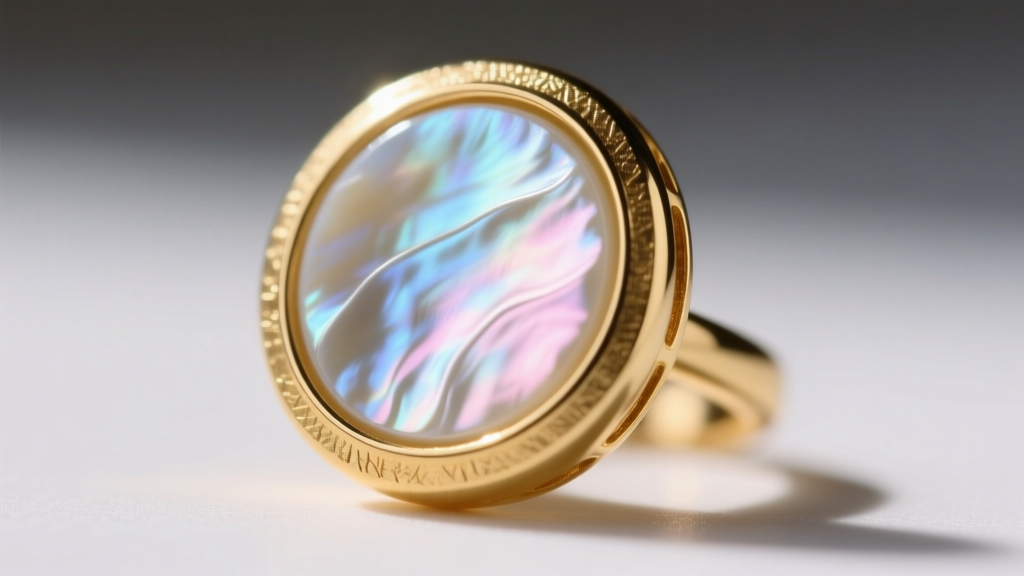
Dangle and drop earrings crafted from solid, thick-cut shell blanks can be surprisingly heavy. Standard friction-backed "butterfly" clutches are entirely inadequate for these pieces. The narrow wire of a standard post combined with a weak friction clutch will cause the earring to droop, stretching the earlobe piercing and placing asymmetric torque on the earring's solder joints. For any shell drop exceeding 4 grams, consumers must seek out screw-back mechanisms, which lock the backing securely in place, or omega-clip backs for non-pierced options. Furthermore, the post diameter should ideally be 18-gauge (1.0mm) or thicker to prevent the metal from bending under the pendulum effect of a swinging drop earring.
Authentication Protocols: Spotting Synthetics
The market is flooded with imitation shell jewelry, particularly pieces made from pulverized shell powder mixed with epoxy resin, or entirely synthetic plastics coated in pearlescent mica. To authenticate your jewelry, gemologists rely on two primary field tests, as detailed in GemSelect's comprehensive pearl and nacre guides. The first is the "tooth test." Gently rubbing authentic nacre against the biting edge of your incisors will yield a distinctly gritty, sandy sensation due to the microscopic aragonite platelets. Imitations will feel perfectly, unnaturally smooth.
The second method requires a 10x jeweler's loupe. Under magnification, authentic material reveals a complex, maze-like topography of overlapping crystalline ridges. In contrast, molded plastic or epoxy-resin fakes will display a uniform, grainy, or bubbly surface, often with visible seam lines from the manufacturing mold. Additionally, examine the drill holes or the edges where the shell meets the metal. Authentic cuts are sharp and crisp, while molded fakes often show slight rounding or "melting" at the edges.
Advanced Care and Maintenance Regimens
The organic conchiolin matrix is highly reactive to acids and extreme heat. Exposure to the lactic acid in human sweat, the alcohol in perfumes, or the citric acid in cosmetics will slowly dissolve the organic glue, leading to a phenomenon known as "crazing," where the surface develops a network of fine, irreversible cracks. Always adhere to the rule of "last on, first off" when dressing. Furthermore, never place these earrings in an ultrasonic jewelry cleaner. The high-frequency cavitation bubbles generated by ultrasonic waves will implode against the porous surface, literally tearing the microscopic aragonite layers apart and destroying the orient.
For routine maintenance, wipe the surface with a damp, lint-free microfiber cloth immediately after removal to neutralize skin acids. For deeper cleaning, use only a drop of pH-neutral, phosphate-free soap on a soft cloth, avoiding the metal-nacre junction where moisture can become trapped and degrade the adhesive bonding. Store the earrings in a soft, breathable cotton pouch; airtight plastic bags can trap ambient humidity and promote the growth of mold spores that feed on the organic conchiolin, resulting in permanent dark spotting on the iridescent surface.


