The Ultimate 2026 Buying Guide for Tiny Pearl Drop Earrings
Discover how to choose the perfect tiny pearl drop earrings in 2026. Learn about pearl grades, metal types, gauge sizes, and styling tips for everyday wear.

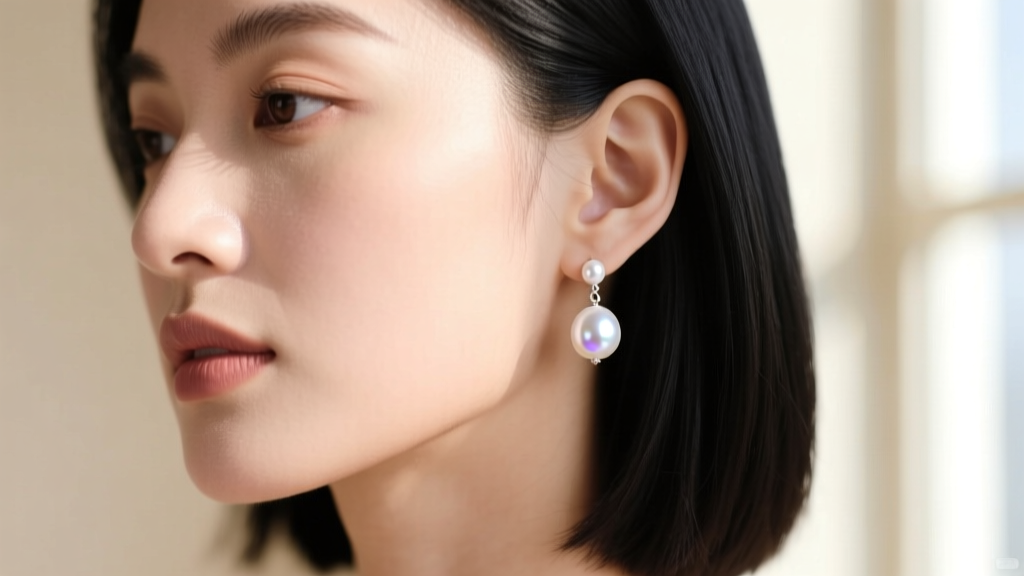
In the landscape of 2026 jewelry trends, the concept of "micro-luxury" has firmly taken root, pushing delicate, understated pieces to the forefront of everyday style. Among these, tiny pearl drop earrings have emerged as an undisputed staple. Defined by pearls measuring between 3mm and 6mm suspended from a minimalist wire or chain, these earrings offer a sophisticated alternative to traditional studs. However, their deceptive simplicity masks a complex array of quality factors. Whether you are navigating the nuances of nacre thickness or trying to determine the optimal wire gauge for your lobe thickness, this comprehensive buying guide will equip you with the technical knowledge needed to make an informed investment.
Decoding Pearl Quality: Akoya vs. Freshwater vs. Shell
When shopping for small-scale pearls, the origin of the gem dictates its luster, durability, and price point. The Gemological Institute of America (GIA) evaluates pearls based on seven distinct value factors, but for tiny drops, luster and surface quality are paramount. Because the surface area is so small, any blemish or lack of reflectivity is immediately magnified.
| Pearl Type | Typical Size Range | Luster Quality | Average Price (Per Pair) | Best For |
|---|---|---|---|---|
| Akoya (Saltwater) | 3mm - 6mm | Mirror-like, sharp reflections | $150 - $450 | Heirloom quality, formal wear, high-luster demands |
| Freshwater | 4mm - 7mm | Soft, satiny, diffuse glow | $40 - $120 | Everyday wear, budget-conscious buyers, modern styling |
| Shell Pearl (Imitation) | 3mm - 8mm | Highly uniform, glassy shine | $15 - $35 | Travel, costume jewelry, trend-testing |
For the absolute best tiny pearl drop earrings, Akoya remains the gold standard. Grown in the cooler waters of Japan and Vietnam, Akoya pearls develop a tighter, more compact crystalline structure in their nacre, resulting in a brilliant, mirror-like luster that smaller freshwater pearls often struggle to achieve. Freshwater pearls, while composed of solid nacre and highly durable, tend to exhibit a softer, more muted glow in sizes under 5mm. Imitation shell pearls, crafted from glass or ceramic beads coated in crushed mollusk shell, offer perfect uniformity but lack the deep, inner glow (orient) of organic gems.
Metal Matters: Hypoallergenic Posts and Wire Gauges
The structural integrity of a drop earring relies entirely on its metalwork. Unlike studs, which sit flush against the ear, drop earrings are subject to kinetic movement, catching, and leverage. This makes the choice of metal alloy and wire thickness critical.
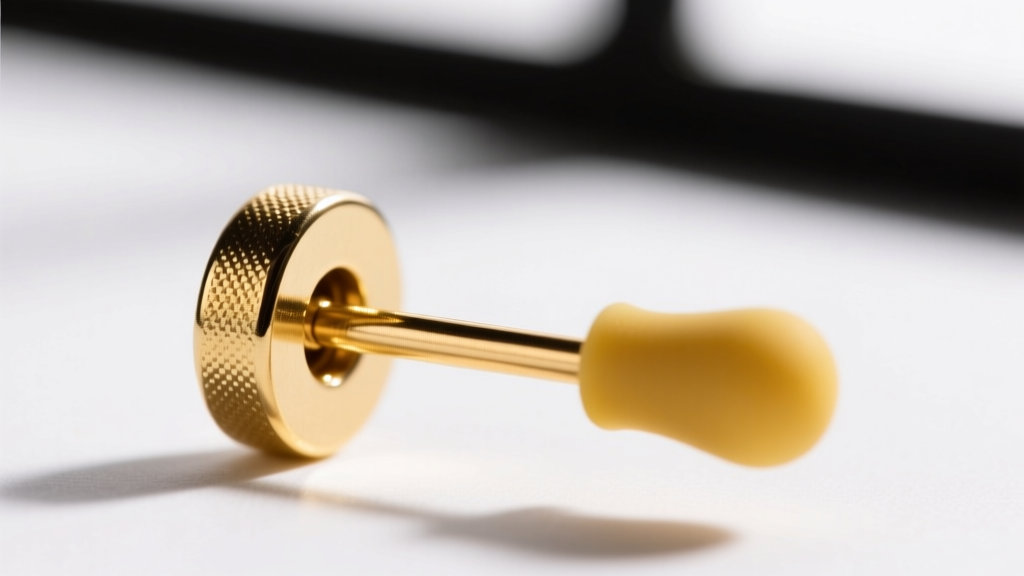
Understanding Wire Gauges
The wire that passes through your earlobe and connects to the pearl drop is measured in gauges. The lower the number, the thicker the wire. For tiny pearl drops, the industry sweet spot is 20-gauge (0.81mm). This thickness provides enough rigidity to prevent the wire from bending out of shape when the pearl swings, while remaining comfortable for standard ear piercings. Avoid 22-gauge or 24-gauge wires for drop styles; they are too thin and will easily warp under the pendulum weight of the pearl, causing the earring to hang crookedly.
Alloy Selection and Allergies
According to the American Academy of Dermatology, nickel is the most common culprit behind contact dermatitis from jewelry. When buying tiny pearl drop earrings, scrutinize the metal composition:
- 14k Solid Gold: Composed of 58.5% pure gold mixed with strengthening alloys like copper and silver. It is highly recommended for drop wires because its increased hardness prevents bending compared to higher karats.
- 18k Solid Gold: Contains 75% pure gold. While it offers a richer yellow hue and is generally hypoallergenic, it is a softer metal. If you opt for 18k, ensure the wire has a slight structural reinforcement or a thicker gauge.
- Platinum & Titanium: The ultimate choices for hyper-sensitive ears. Titanium (specifically ASTM F136 implant-grade) is incredibly lightweight and biocompatible, making it ideal for delicate drop mechanisms that shouldn't weigh down the lobe.
- Gold-Plated Brass: Avoid this for drop earrings. The friction of the post moving back and forth in the ear canal will rapidly wear away the thin gold plating, exposing the brass underneath and accelerating tarnish and allergic reactions.
The Anatomy of a Perfect Drop: Length and Movement
The term "drop" encompasses a variety of silhouettes. When selecting tiny pearl drop earrings, the total length of the earring—from the top of the post to the bottom of the pearl—drastically alters how it interacts with your facial geometry.
Face Shape Pairings
Because the pearl itself is small (under 6mm), the visual weight of the earring is dictated by the length of the chain or wire connecting it to the ear.
- Round Faces: Opt for elongated drops (25mm to 35mm in total length). A longer, linear wire ending in a tiny pearl creates a vertical line that visually lengthens the face and draws the eye downward, balancing wider cheekbones.
- Square or Angular Faces: Choose shorter drops (15mm to 20mm) or drops that feature a curved, U-shaped wire. The softer movement and proximity to the earlobe help soften sharp jawlines without adding harsh geometric angles.
- Heart-Shaped Faces: Teardrop-shaped or slightly oval tiny pearls suspended on a medium-length wire (around 20mm) add just enough visual weight near the jawline to balance a narrower chin.
Common Failure Modes and How to Avoid Them
Tiny pearl drop earrings are delicate mechanical assemblies. Understanding how they fail will help you identify superior craftsmanship during your purchase.
The Peg-and-Glue Vulnerability: Most pearl drops are created by drilling a half-hole into the pearl and cementing it onto a metal peg. Mass-produced earrings often use basic cyanoacrylate (superglue), which dries hard and brittle. A single drop onto a bathroom tile can shatter the bond. High-end jewelers utilize two-part jeweler's epoxy or UV-cured resins, which retain a slight flexibility, absorbing shock and keeping the pearl securely attached for decades.
Another frequent failure point is the earring back. Standard butterfly friction backs can easily slip off a smooth drop wire, especially when removing sweaters or scarves. Look for tiny pearl drops that feature silicone-lined friction backs or La Pousette (push-pull) locking backs, which mechanically lock into a groove on the post, ensuring your investment stays safely on your ear.
Care and Maintenance for Long-Lasting Luster
Pearls are organic gemstones, primarily composed of calcium carbonate and a protein called conchiolin. They rank a mere 2.5 to 3.0 on the Mohs hardness scale, making them highly susceptible to scratching and chemical degradation. Proper care is non-negotiable to maintain the mirror-like luster of your tiny drops.
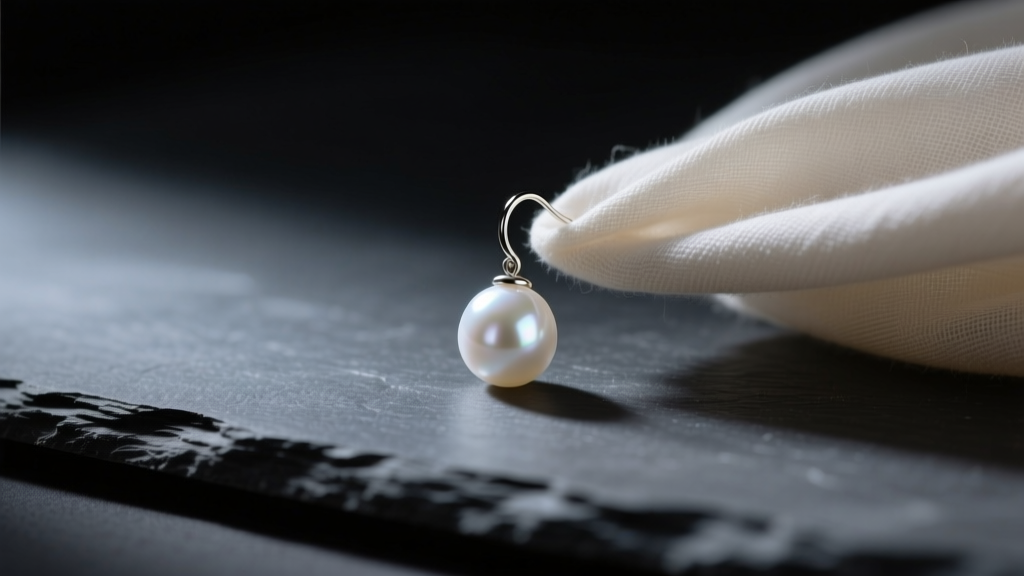
- The "Last On, First Off" Rule: Always apply your perfume, hairspray, and skincare products before putting on your earrings. The alcohols and volatile organic compounds in cosmetics will strip the pearl's natural moisture, leading to a dull, chalky appearance and eventually causing micro-cracks (crazing) in the nacre.
- Post-Wear Wiping: After removing your earrings, gently wipe the pearl with a clean, lint-free microfiber cloth. This removes the day's accumulation of natural skin oils and environmental pollutants, which are mildly acidic and can etch the pearl's surface over time.
- Proper Storage: Never store tiny pearl drop earrings in a plastic bag or an airtight safety deposit box. Pearls require ambient moisture to prevent the conchiolin from drying out and cracking. Store them in a soft, breathable cotton or silk pouch, separate from harder gemstones like diamonds or sapphires that will easily scratch the pearl's surface.
- Never Use Ultrasonic Cleaners: While ultrasonic cleaners are fantastic for diamond and gold jewelry, the high-frequency vibrations will violently shake the pearl off its glued peg and can literally shatter the delicate nacre layers. Stick to a damp cloth for cleaning.
By prioritizing high-luster Akoya or premium freshwater pearls, insisting on 20-gauge solid gold or titanium posts, and verifying the use of flexible jeweler's epoxy, you can secure a pair of tiny pearl drop earrings that will remain a cornerstone of your jewelry wardrobe for years to come. In 2026, true luxury lies in the details, and mastering these technical nuances ensures your micro-luxury pieces are built to last.


