Mrs Earrings Value Assessment: Bridal Trends vs Real Cost
Is the Mrs. Earrings trend worth the investment? We break down material grades, pricing tiers, and cost-per-wear for bridal styles.

The "Mrs. Earrings" Phenomenon: Hype vs. Heirloom
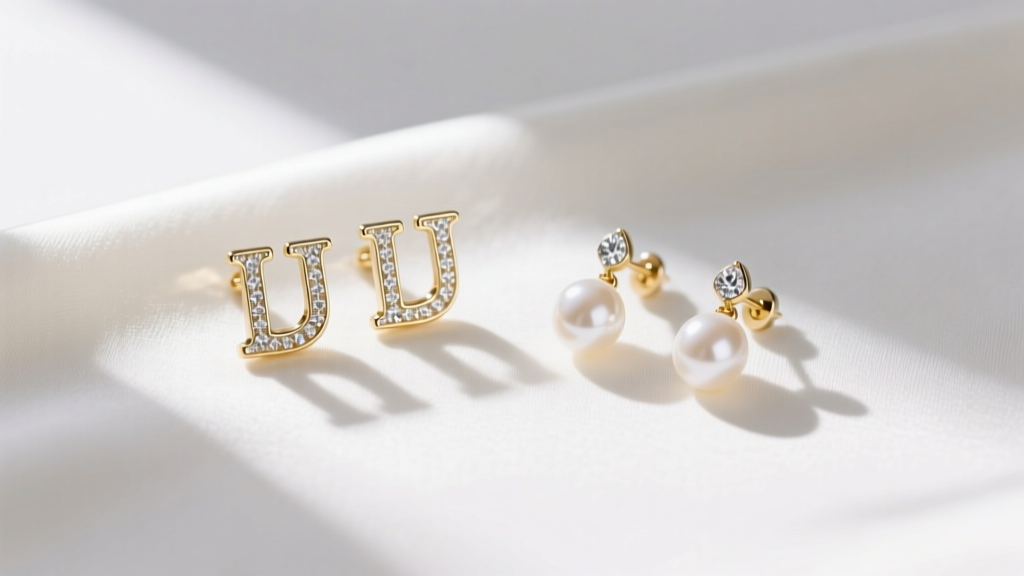
The transition from "Miss" to "Mrs." is a milestone that has sparked a massive jewelry trend across social media and bridal marketplaces. The search for the perfect "mrs earrings"—ranging from delicate initial studs spelling out "Mrs." to elegant wedding-day pearl drops—has become a rite of passage for modern brides. But as the market floods with options ranging from $12 fast-fashion imports to $1,200 fine jewelry pieces, how do you separate genuine value from marketing hype? In 2026, the bridal jewelry landscape has shifted dramatically, particularly with the stabilization of lab-grown diamond prices and stricter consumer awareness regarding metal allergies. This comprehensive budget and value assessment will break down exactly what you are paying for when you buy into the Mrs. Earrings trend, helping you maximize your investment without sacrificing quality on your big day.
Material Breakdown: What You Are Actually Paying For
When shopping for bridal earrings, the base metal dictates not only the price but also the longevity and hypoallergenic properties of the piece. Understanding the metallurgy behind your earrings is the first step in assessing true value.
The Budget Tier: Plated Brass and Stainless Steel ($15 - $40)
Many budget-friendly Mrs. Earrings found on fast-fashion retail sites are crafted from brass or copper alloys with a "flash plating" of gold or rhodium. This plating is typically less than 0.5 microns thick. While visually appealing on day one, the friction from hair and the natural oils from your skin will wear through this microscopic layer within weeks. Furthermore, brass alloys often contain nickel or lead. According to the Mayo Clinic, nickel exposure is a leading cause of contact dermatitis, which can result in swollen, itchy earlobes—a disaster scenario for a bride on her wedding morning. From a value perspective, these earrings have a near-zero heirloom lifespan.
The Mid-Range Sweet Spot: Gold Vermeil ($45 - $120)
Gold vermeil (pronounced ver-may) is the industry standard for high-quality fashion jewelry. However, not all vermeil is created equal. The Federal Trade Commission (FTC) strictly dictates that for a piece to be legally sold as vermeil in the United States, it must feature a base of .925 sterling silver and be plated with at least 2.5 microns of 10k, 14k, or 18k gold. This thickness provides a durable barrier that, with proper care, can last for years. When assessing mid-tier mrs earrings, always verify the micron thickness and the sterling silver base. If a brand cannot provide these specifications, you are likely overpaying for standard gold-plated brass.
The Investment Tier: Solid 14k/18k Gold ($150 - $600+)
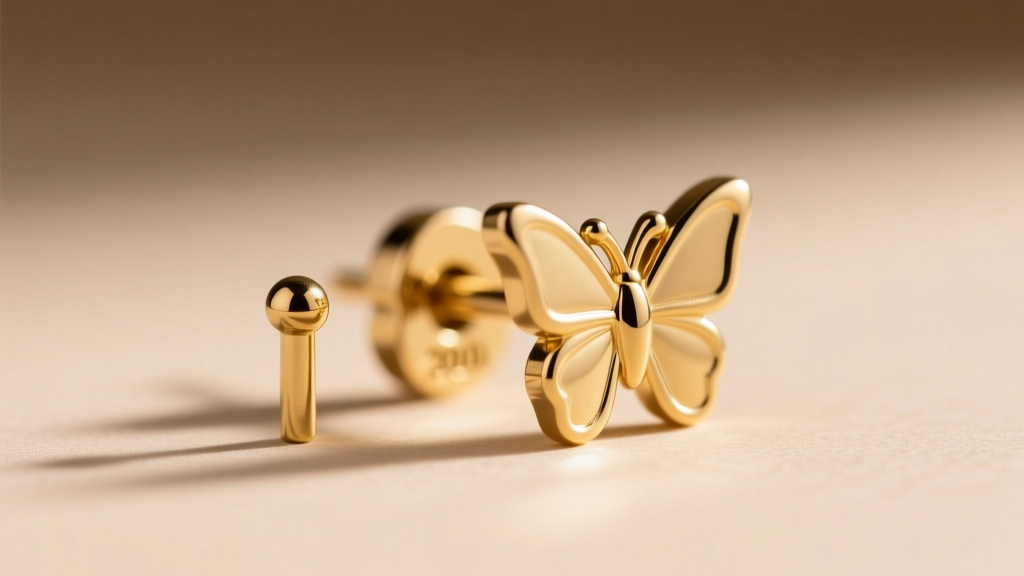
For brides seeking a true heirloom piece that can be worn daily and eventually passed down, solid gold is the only viable option. Solid 14k gold (58.5% pure gold) offers the perfect balance of rich color and structural durability, making it ideal for intricate "Mrs." initial cutouts and secure gemstone prong settings. While the upfront cost is significantly higher, the intrinsic scrap value and the complete absence of tarnishing or plating wear make it the ultimate long-term value play.
Cost-Per-Wear Analysis: Initial Studs vs. Bridal Drops
To truly assess value, jewelry experts rely on the Cost-Per-Wear (CPW) metric. A $400 pair of solid gold Mrs. initial studs worn 300 times a year yields a CPW of roughly $0.22 over five years. Conversely, a $60 pair of brass-based bridal crystal drops worn only once on your wedding day has a CPW of $60.00. Below is a comparative breakdown of popular Mrs. Earrings styles and their long-term value retention.
| Earring Style | Typical Material | Avg. Price (2026) | Estimated Lifespan | Value Verdict |
|---|---|---|---|---|
| "Mrs." Initial Studs | Solid 14k Gold | $180 - $250 | Lifetime | Excellent (High CPW) |
| "Mrs." Initial Studs | Gold Vermeil | $45 - $75 | 2 - 4 Years | Good (Mid CPW) |
| Classic Pearl Drops | Brass + CZ/Pearl | $25 - $50 | 1 - 2 Wears | Poor (Low Value) |
| Diamond Huggies | 14k + Lab Diamond | $350 - $500 | Lifetime | Excellent (Heirloom) |
The Gemstone Factor: CZ vs. Moissanite vs. Lab Diamonds
Many brides want the brilliance of diamonds for their wedding day without the traditional markup. The gemstone market has evolved significantly by 2026, offering distinct value propositions for bridal earrings.
- Cubic Zirconia (CZ): Priced at mere dollars per carat, CZ offers high initial brilliance but lacks durability. With a Mohs hardness of 8.0 to 8.5, CZ is prone to micro-scratches that cause it to look cloudy and dull within a year of daily wear. It is strictly a budget, short-term option.
- Moissanite: Ranking at 9.25 on the Mohs scale, moissanite is exceptionally durable and exhibits more "fire" (colorful light dispersion) than a diamond. Priced around $50 to $100 per carat for high-quality stones, moissanite Mrs. Earrings offer a fantastic middle-ground for brides who want permanent sparkle on a moderate budget.
- Lab-Grown Diamonds: According to the Gemological Institute of America (GIA), lab-grown diamonds possess the exact same chemical, physical, and optical properties as mined diamonds. In 2026, the price of lab-grown diamonds has stabilized, allowing brides to purchase 1.00 carat total weight (ctw) solid gold diamond studs for under $400. This represents a massive shift in value, effectively killing the argument for buying high-end CZ or low-grade mined diamonds for bridal wear.
Sizing, Gauges, and Cartilage Considerations
A frequently overlooked aspect of earring value is the structural anatomy of the post and backing. Standard lobe piercings are typically done at 20-gauge (0.81mm) or 18-gauge (1.02mm). Many budget manufacturers use ultra-thin 22-gauge wires to save on gold weight, which can easily bend or snap when adjusting the earring back. Always verify that your Mrs. Earrings feature a minimum 20-gauge or 18-gauge post for structural integrity.
Furthermore, consider the backing mechanism. Standard butterfly friction backs are common but can easily fall out, risking the loss of a valuable investment. For higher-tier solid gold or diamond bridal earrings, seek out screw-backs or secure latch-backs. If you plan to wear your bridal huggies or drops in upper cartilage piercings (like the helix or tragus), ensure the post length is adequate—typically 6mm to 8mm for cartilage, compared to the standard 4mm to 5mm for earlobes.
Care and Maintenance for Heirloom Value
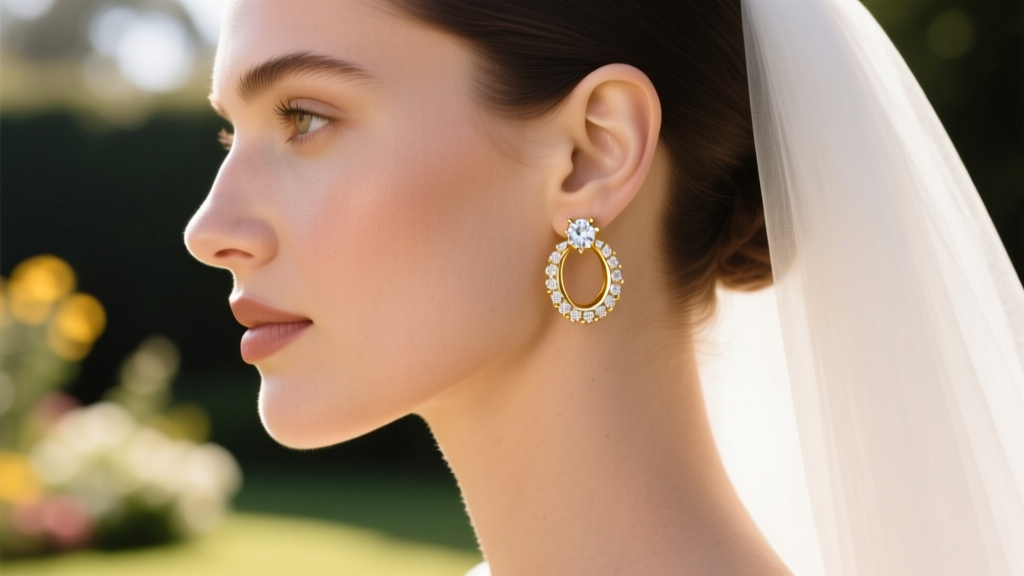
Protecting the value of your bridal earrings requires proper maintenance. For solid gold and lab-diamond pieces, an ultrasonic cleaner used once a month will safely remove trapped lotions and skin oils that dull the gemstones. However, if your Mrs. Earrings feature freshwater pearls or opals, ultrasonic vibrations will destroy the nacre and cause micro-fractures. Pearls should only be wiped with a damp microfiber cloth after wear and stored in a breathable cotton pouch—never in airtight plastic, which dehydrates the organic gemstone and causes yellowing and cracking over time.
Final Verdict: How to Maximize Your Budget
The "Mrs. Earrings" trend is more than just a fleeting social media moment; it is a celebration of a major life transition. However, true value lies in material transparency and cost-per-wear. If your budget is under $50, opt for high-quality sterling silver or verified 2.5-micron gold vermeil, and accept that these pieces will eventually need to be retired. If your budget allows for $150 to $400, pivot entirely to solid 14k gold paired with lab-grown diamonds or moissanite. By prioritizing metallurgical quality and secure gauge sizing over fast-fashion branding, you ensure that your bridal earrings remain a brilliant, wearable testament to your wedding day for decades to come.


