Expert Cleaning and Preservation for Native Beadwork Earrings
Learn expert techniques to clean, store, and preserve native beadwork earrings. Protect leather, seed beads, and delicate thread from damage.

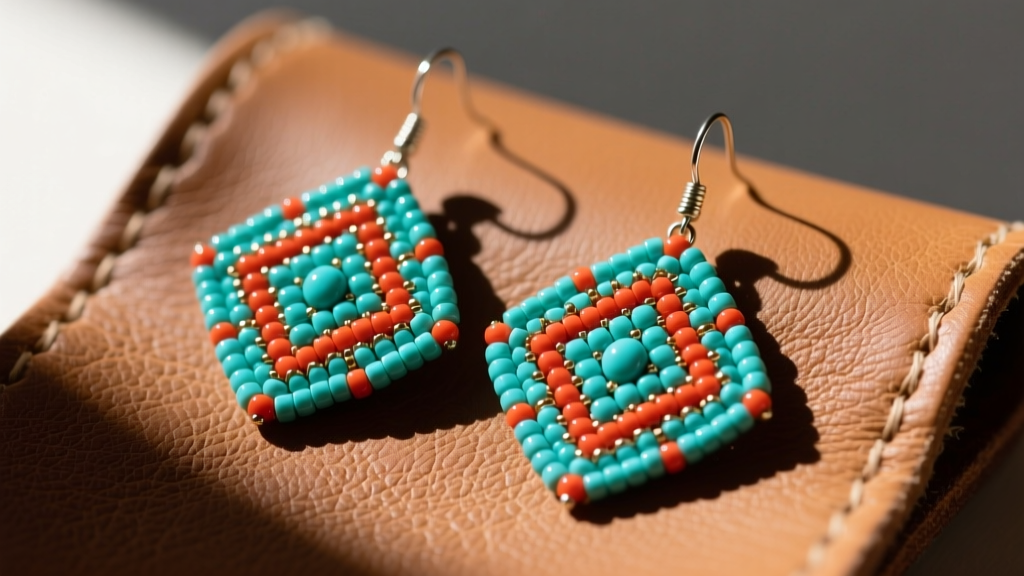
Native beadwork earrings represent a profound intersection of cultural heritage, meticulous craftsmanship, and wearable art. Whether you own a pair of intricate Ojibwe floral designs, geometric Lakota patterns, or contemporary Indigenous couture pieces, preserving them requires specialized knowledge. Standard jewelry cleaning methods—like ultrasonic baths, commercial silver dips, or harsh chemical wipes—will instantly destroy the delicate threads, organic leather backings, and natural shells used in authentic pieces. According to guidelines referenced by the American Institute for Conservation (AIC) Wiki, mixed-media ethnographic jewelry requires a highly tailored, minimally invasive approach to maintenance. This guide provides actionable, expert-level protocols for cleaning, storing, and troubleshooting your native beadwork earrings to ensure they survive for generations.
Understanding the Anatomy of Native Beadwork
To properly care for these pieces, you must first understand their construction. Authentic Native beadwork earrings are rarely made of a single material; they are complex composite objects. The beads themselves are typically size 11/0 or 13/0 Czech glass seed beads, prized for their uniform shape, or Charlotte cut beads, which feature a single facet for maximum light reflection. The backing and fringe are frequently crafted from brain-tanned buckskin or commercially smoked elk hide, materials that are incredibly soft but highly susceptible to water damage and drying out.
The structural integrity of the earrings relies on the thread. While some traditionalists still use prepared animal sinew, many contemporary Indigenous artists utilize high-quality synthetic threads like Nymo (a flat, multi-strand nylon) or Silamide (a waxed polyester). The metal findings—often sterling silver or brass hooks—are crimped or tied directly into the beadwork. Cleaning one part of the earring without protecting the others is a recipe for disaster.
The Golden Rules of Daily Wear and Maintenance
Preventative care is always superior to reactive cleaning. Because native beadwork incorporates porous organic materials, it acts like a sponge for environmental pollutants and cosmetic chemicals.
- The Cosmetic Sequence: Always put your beadwork earrings on after applying perfume, hairspray, and lotions. The alcohol and aerosolized oils in cosmetics will degrade nylon threads and leave a cloudy, permanent film on glass seed beads.
- Moisture Avoidance: Never wear beaded leather earrings in the shower, pool, or ocean. Water causes brain-tanned leather to stiffen and crack as it dries, while chlorine and salt can corrode the metal findings and strip the metallic finishes off specialty beads.
- Friction Management: Avoid wearing heavy beaded dangles with high-collared wool garments or rough textiles that can snag the delicate looped fringe threads.
Step-by-Step Cleaning Guide for Beaded Earrings
When your earrings accumulate skin oils, dust, or environmental grime, follow this strict, non-invasive cleaning protocol.
1. Dry Dusting and Surface Debris Removal
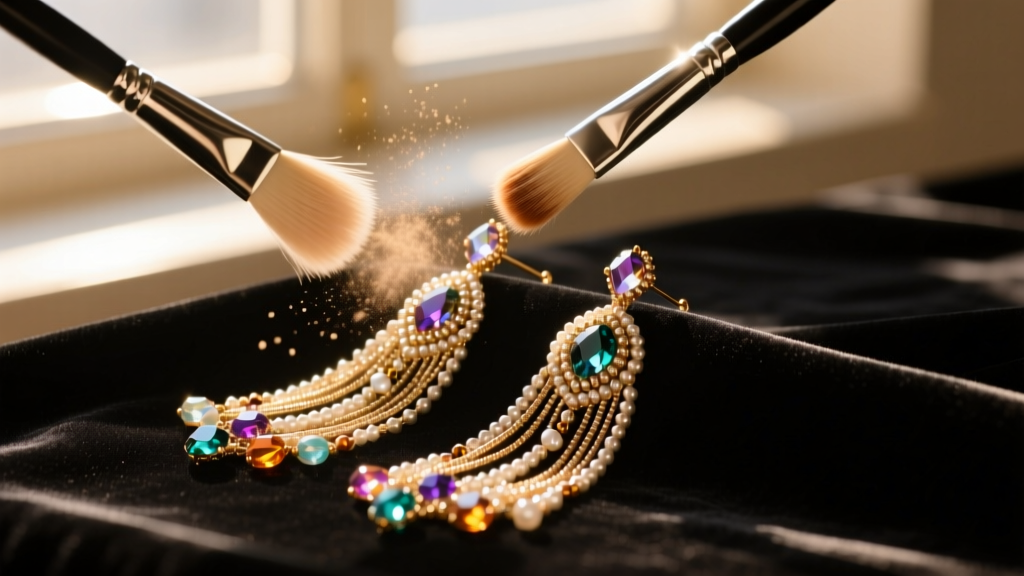
Never use compressed air, which can snap fragile threads or force dust deeper into the beadwork matrix. Instead, use a clean, soft-bristled goat-hair makeup brush (like a blending brush). Lay the earrings flat on a dark microfiber cloth so you can easily spot any loose beads that might fall. Gently sweep the brush in the direction of the beadwork pattern and down the leather fringe to dislodge surface dust.
2. Spot Cleaning Stubborn Grime
If the glass beads have accumulated skin oils and appear dull, do not submerge them. Dampen a cotton swab with distilled water (tap water contains minerals that can leave spots). Gently roll the damp swab over the soiled beads, immediately following with a dry swab to absorb the moisture. Avoid touching the thread or the leather backing with the wet swab.
3. Cleaning Metal Findings and Leather Backing
For sterling silver hooks, use a dry, untreated silver polishing cloth. Do not use liquid tarnish removers, as a single drop wicking down the wire into the beadwork can ruin the thread and discolor the beads. For the smoked leather backing, if it appears dry or ashy, apply a microscopic amount of pure neatsfoot oil to a cotton swab and rub it only into the leather, carefully avoiding the beadwork and the thread knots.
Material-Specific Cleaning Matrix
Use this quick-reference table to ensure you are using the correct cleaning agents for the specific materials in your native beadwork earrings. The Indian Arts and Crafts Board (IACB) emphasizes the importance of understanding authentic material properties to preserve the integrity of Indigenous art.
| Material Component | Safe Cleaning Method | Strictly Avoid |
|---|---|---|
| Czech Glass Seed Beads | Dry brushing; distilled water on a cotton swab | Ultrasonic cleaners, ammonia, alcohol |
| Brain-Tanned Leather | Dry brushing; pure neatsfoot oil (sparingly) | Water, saddle soap, heat drying, mink oil |
| Nymo / Sinew Thread | Dry dusting only | Wet cleaning, solvents, direct sunlight |
| Sterling Silver Hooks | Dry microfiber or untreated silver cloth | Liquid silver dip, baking soda paste |
| Dentalium or Bone Shells | Dry brushing; slightly damp cloth | Acids, vinegar, harsh abrasives |
Proper Storage to Prevent Thread Degradation
How you store your native beadwork earrings when they are not being worn is just as critical as how you clean them. Improper storage leads to thread rot, leather desiccation, and bead oxidation.
First, invest in archival-quality storage boxes. Line the boxes with unbuffered acid-free tissue paper. This is a crucial distinction: buffered tissue paper contains an alkaline reserve (usually calcium carbonate) designed to neutralize acids in wood pulp, but this alkalinity can actively damage organic materials like leather, natural sinew, and bone shells over time. Unbuffered tissue is pH-neutral and safe for all mixed-media ethnographic jewelry.
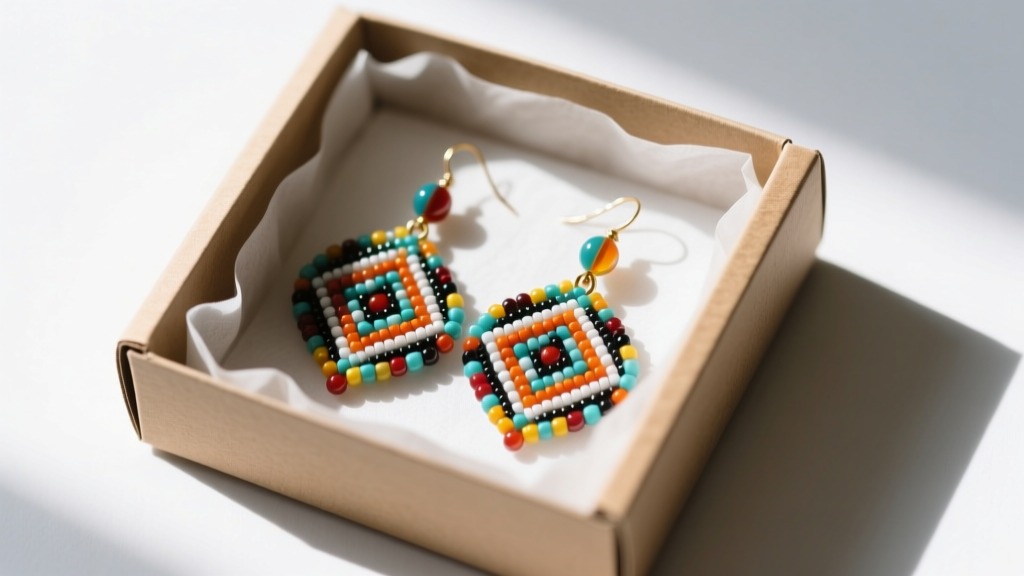
Store the earrings flat. Hanging heavy beaded dangles for long periods puts continuous tension on the top thread loops, eventually causing them to stretch or snap. Keep the storage box in a climate-controlled environment with a relative humidity (RH) of around 45-50%. Fluctuations in humidity cause the leather to expand and contract, which will snap the rigid glass beadwork attached to it. Finally, keep the box away from direct UV light, which will fade the vibrant dyes used in certain seed beads and leather.
Troubleshooting Common Beadwork Issues
Preservation is about stabilization, not necessarily making an old piece look brand new. The goal is to halt further degradation while respecting the artist's original materials and techniques.
Loose Threads and Missing Beads
If you notice a thread protruding from the edge of the beadwork, never pull it or cut it flush with scissors. Pulling can unravel the entire tension matrix of the piece. Instead, use a fine beading needle (size 10 or 12) threaded with matching Nymo or Silamide to carefully re-route the loose thread back into the existing beadwork path, tying off with a micro-knot inside a bead. If a bead is missing, contact the original artist for a repair; they will have the exact dye lot of beads, as colors vary wildly between production batches.
Stiff or Cracking Leather Fringe
If the leather fringe becomes stiff, it is usually due to moisture exposure followed by rapid drying. Do not bend or force the leather, as it will snap. Lightly mist the leather (avoiding the beads and thread) with distilled water from a distance of 12 inches. Let it absorb for a few minutes until pliable, then gently massage it with your clean fingers to soften the fibers. Allow it to air dry flat, away from any heat sources, and condition with a trace amount of neatsfoot oil once fully dry.
Final Thoughts on Heirloom Preservation
Caring for native beadwork earrings requires patience and a gentle touch. By understanding the unique vulnerabilities of glass, leather, and thread, and by strictly avoiding commercial jewelry cleaners, you protect not just a beautiful accessory, but a piece of living cultural artistry. Treat your beadwork with the same respect and meticulous care that the artist poured into its creation, and it will remain a vibrant, wearable heirloom for decades to come.


