Ultimate Care Guide for Common Earring Closure Types
Learn how to clean, maintain, and troubleshoot common earring closure types. Expert tips for butterfly backs, leverbacks, and hinged hoops.

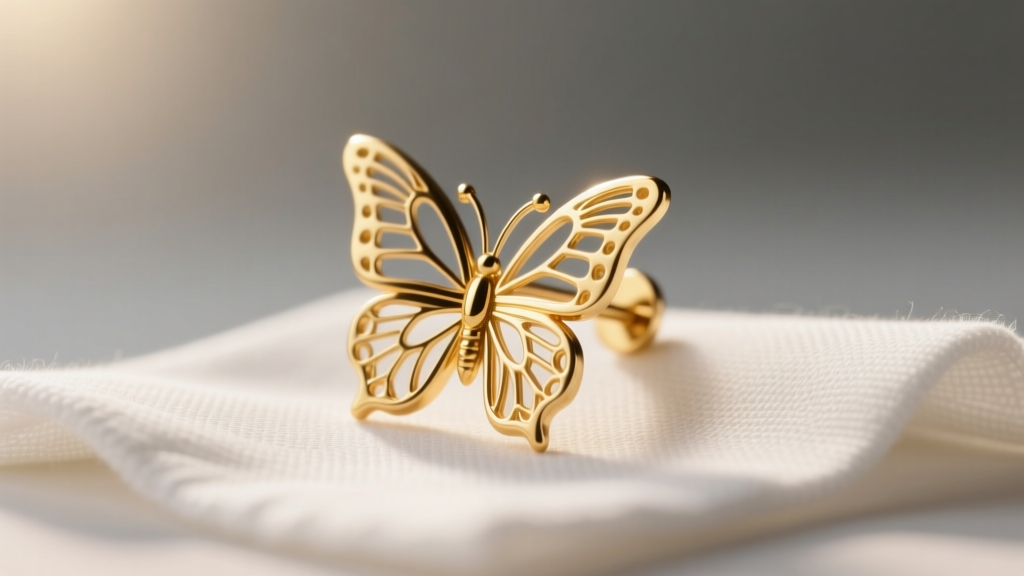
The Hidden Hygiene of Earring Closures
When building a fine jewelry collection, enthusiasts often obsess over metal purity, gemstone clarity, and face-shape compatibility. Yet, the most critical component for both security and hygiene—the earring closure—is frequently ignored until it fails. Understanding the mechanical nuances and maintenance requirements of different earring closure types is essential for preserving your investment and preventing earlobe infections.
According to the Association of Professional Piercers (APP), the microscopic crevices in earring backs harbor a mixture of sebum, dead skin cells, and cosmetic residue. This organic buildup not only creates an unpleasant odor but also accelerates metal oxidation and compromises the structural integrity of the closure mechanism. This guide breaks down the exact care protocols for every major earring closure type, ensuring your jewelry remains secure, hygienic, and pristine.
The Chemistry of "Earring Gunk"
Before diving into specific closures, it is vital to understand what you are actually cleaning. The grayish-green paste that accumulates on earring posts and backs is a combination of three elements:
- Sebum and Squalene: Natural oils secreted by the sebaceous glands behind the earlobe.
- Cosmetic Residue: Hairsprays, dry shampoos, and heavy moisturizers that create a sticky binder.
- Verdigris: A green copper carbonate patina that forms when the copper alloys in lower-karat gold or sterling silver react with moisture and skin acids.
Because this matrix is lipid-heavy, water alone will not remove it. You must use a mild surfactant, such as a few drops of Dawn dish soap, to break down the oils without stripping the patina from antique pieces or damaging porous gemstones.
Post and Butterfly Friction Backs: Deep Cleaning the Grooves
Butterfly backs (or friction backs) are the most common closure for stud earrings, typically paired with 20-gauge (0.81mm) or 18-gauge (1.02mm) posts. The primary failure mode of a butterfly back is the loss of tension in the metal scroll, compounded by severe gunk accumulation in the friction groove of the post.
Step-by-Step Maintenance
- Soak: Submerge the butterfly backs in a small glass bowl filled with warm water and a drop of mild dish soap for 10 minutes.
- Agitate: Use a soft-bristled baby toothbrush to gently scrub the inside of the scroll and the tiny hole where the post inserts.
- Clear the Post Groove: The notch on the earring post that holds the back in place is a magnet for debris. Use a wooden toothpick (never a metal needle, which can scratch gold) to gently scrape out the hardened sebum from the groove.
- Restore Tension: If the back feels loose, use a pair of nylon-jaw pliers to very gently squeeze the two loops of the butterfly back together. This restores the friction grip without marring the metal.
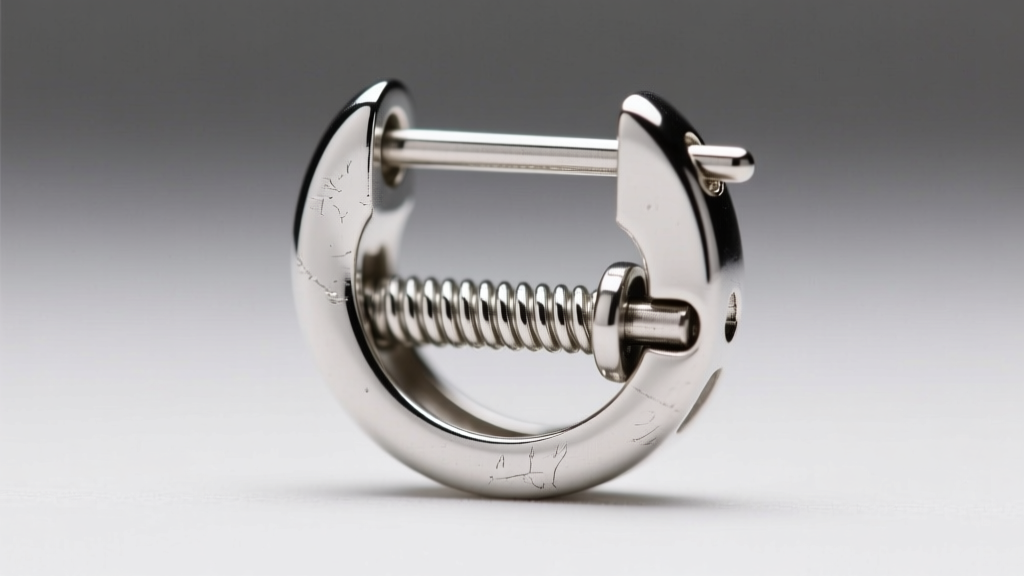
Screw Backs: Preserving Delicate Threading
Screw backs offer superior security for high-value diamond studs and are common in 14k and 18k gold jewelry. The threading on these posts is incredibly fine, usually featuring a 0.8mm or 1.0mm pitch. The greatest risk to screw backs is cross-threading, which permanently strips the soft gold threads and renders the earring unwearable.
Expert Rule: Never force a screw back. If you feel resistance, back it off completely, realign the nut perfectly perpendicular to the post, and try again. Forcing it will shave the threads.
Cleaning Protocol: Avoid ultrasonic cleaners for screw backs if the earring features fracture-filled diamonds or tension-set stones. Instead, use a lint-free microfiber cloth dampened with isopropyl alcohol (90% or higher) to wipe down the threads. The alcohol evaporates quickly and leaves no residue that could gum up the delicate pitch. Inspect the threads monthly under a jeweler's loupe for any signs of metal fatigue or stripping.
Leverbacks and Hinged Hoops: Lubricating Micro-Hinges
Leverback closures and hinged hoop earrings rely on a microscopic steel or brass hinge pin (often less than 0.5mm in diameter) and a tiny catch mechanism. Over time, these hinges can become stiff, or the catch can bend, resulting in a hoop that clicks shut but pops open when bumped.
Troubleshooting Loose Latches
If your hinged hoop no longer stays closed, the U-shaped catch on the opposite side of the hinge has likely been pulled outward. To fix this:
- Secure the earring in a soft cloth.
- Use a pair of flat-nose, nylon-jaw pliers to apply gentle, even pressure to the sides of the catch, closing the gap by a fraction of a millimeter.
- Test the snap. Repeat only if necessary. Over-tightening will prevent the latch from closing entirely.
For stiff hinges, a microscopic drop of synthetic watch oil applied with a pin to the hinge joint will restore smooth operation. Wipe away any excess oil immediately to prevent it from attracting dust.
Maintenance Matrix by Closure Type
| Closure Type | Primary Vulnerability | Recommended Tool | Maintenance Frequency |
|---|---|---|---|
| Butterfly / Friction | Sebum buildup in post groove; loss of scroll tension | Soft toothbrush, wooden toothpick, nylon-jaw pliers | Bi-weekly cleaning; monthly tension check |
| Screw Back | Cross-threading; stripped soft gold pitch | 90% Isopropyl alcohol, microfiber cloth, jeweler's loupe | Weekly alcohol wipe; monthly thread inspection |
| Leverback / Hinged | Bent catch; stiff or corroded micro-hinge pin | Flat-nose nylon pliers, synthetic watch oil | Monthly snap-test; bi-annual oiling |
| Omega / Clip-On | Loss of spring tension; degraded comfort pads | Jeweler's flathead screwdriver, replacement silicone pads | Quarterly tension adjustment |
| Ear Wire (French Hook) | Wire warping; open catch snagging on hair | Mandrel or pen for reshaping; clear silicone stoppers | As needed for reshaping; daily use of stoppers |
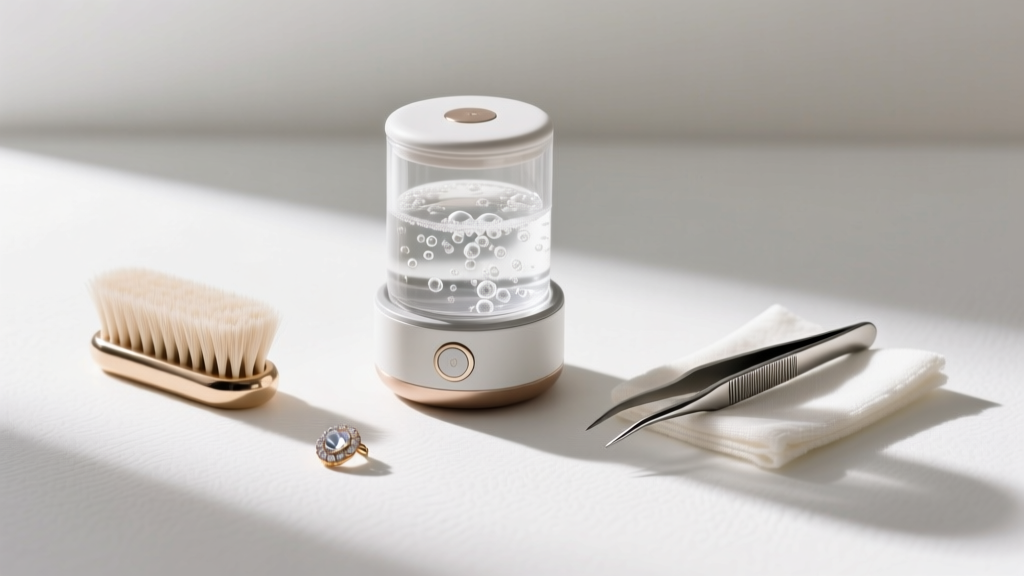
Omega and Clip-On Backs: Restoring Tension and Comfort
Omega backs and vintage clip-ons do not require pierced ears, relying instead on mechanical spring tension to grip the earlobe. The most common complaint is discomfort or the earring sliding off due to weakened tension.
Many modern Omega backs feature a tiny adjustment screw located on the underside of the hinge mechanism. Using a precision jeweler's flathead screwdriver (typically 1.0mm or 1.2mm), you can turn the screw clockwise to increase the clamping force. Be careful: adjusting it more than a quarter-turn can snap the internal spring. For vintage clip-ons lacking an adjustment screw, a professional jeweler can gently bend the tension band, or you can purchase adhesive silicone comfort pads to increase the surface area and grip without altering the antique metalwork.
Ear Wires (French Hooks): Preventing Warping and Snagging
French hooks are beloved for dangle and drop earrings due to their ease of use, but their open design makes them prone to catching on hair and sweaters, which warps the wire. Furthermore, the open end poses a security risk.
Reshaping: If your ear wire becomes misshapen, do not bend it with your fingers, as this creates sharp kinks. Instead, wrap the wire around a smooth, cylindrical object like a metal pen or a jewelry mandrel, and gently pull to restore the smooth, sweeping curve.
Security: Always pair French hooks with clear silicone earring stoppers (often called "earring nuts" or "O-rings"). These cost pennies, are completely invisible from the front, and prevent the loss of expensive dangles while you sleep or change clothes.
Universal Cleaning Solutions by Metal Grade
The cleaning agent you use must be matched to the metal grade of the closure. The Gemological Institute of America (GIA) warns against using harsh chemicals on porous metals or treated stones.
| Metal Grade | Safe Cleaning Agents | Agents to Avoid |
|---|---|---|
| Implant-Grade Titanium (ASTM F136) | Warm soapy water, saline, ultrasonic (40kHz) | Bleach, harsh acids |
| 14k / 18k Yellow & White Gold | Mild dish soap, commercial gold dips (briefly) | Chlorine (causes stress corrosion cracking) |
| Sterling Silver (.925) | Silver polishing cloth, baking soda paste (for heavy tarnish) | Rubber bands (sulfur causes instant tarnish) |
| Platinum (PT950) | Warm soapy water, ultrasonic, steam cleaners | Abrasive polishing compounds (removes metal) |
Establishing a Monthly Maintenance Routine
Caring for your earring closure types does not require hours of labor. By integrating a simple monthly routine, you can extend the life of your jewelry indefinitely. On the first Sunday of every month, remove all your everyday studs and hoops. Wipe down the posts and threads with an alcohol pad, check the tension on your butterfly backs, and test the snap on your hinged hoops. This five-minute investment guarantees that your earrings will remain as secure and brilliant as the day you acquired them, allowing you to wear your favorite pieces with absolute confidence.


