Navajo Pearl Earrings: 2026 Style & Trend Analysis
Discover 2026 style trends for authentic Navajo pearl earrings. Learn to identify hallmarks, wire gauges, and expert styling for sterling silver.

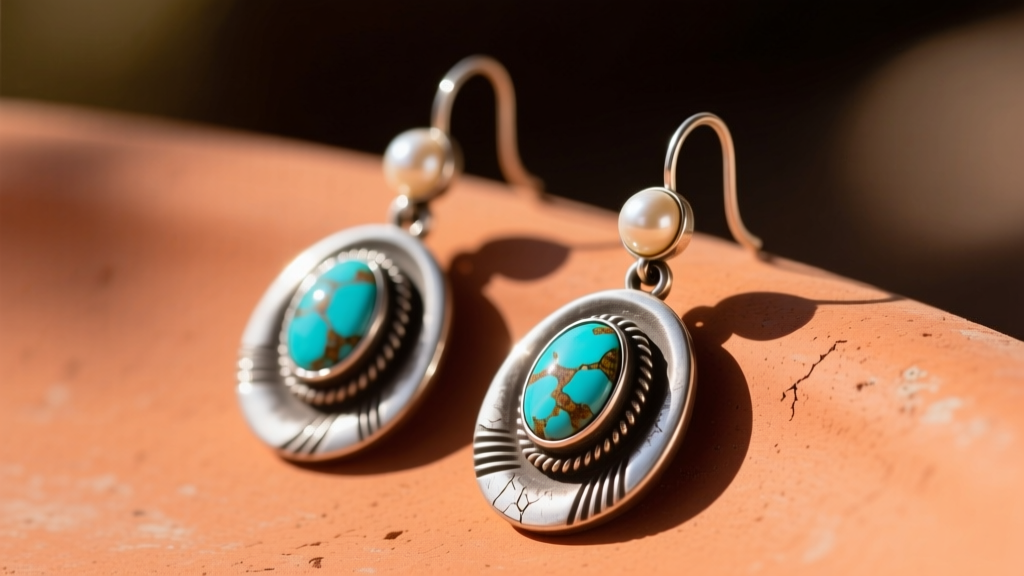
The landscape of fine jewelry is undergoing a profound shift as we move through 2026. The era of mass-produced, trend-chasing fast fashion accessories is rapidly losing ground to heritage craftsmanship, artisanal storytelling, and sustainable material sourcing. At the absolute epicenter of this movement are navajo pearl earrings. Long revered as a staple of Southwestern adornment, these hand-stamped sterling silver beads are now being recontextualized by contemporary stylists and collectors alike. They represent a perfect intersection of indigenous artistry, metallurgical mastery, and modern minimalist aesthetics. Whether you are a seasoned collector of Native American jewelry or a newcomer looking to invest in your first pair of authentic Diné silversmithing, understanding the nuances of this craft is essential.
The 2026 Resurgence: Heritage Craftsmanship Meets Modern Curation
In previous decades, Southwestern jewelry was often pigeonholed into a highly specific, rustic aesthetic—think heavy turquoise squash blossom necklaces and oversized bolo ties. While those pieces remain culturally significant, the 2026 styling paradigm has evolved into what industry insiders are calling 'Heritage Luxe.' This trend focuses on isolating singular, masterfully crafted elements and integrating them into sleek, modern wardrobes. Navajo pearl earrings are the ultimate vehicle for this aesthetic. Their intricate, oxidized geometric patterns provide a striking visual texture that pairs just as effortlessly with a tailored linen blazer as it does with a vintage denim jacket.
Consumers are increasingly educated, demanding transparency and authenticity. The U.S. Department of the Interior's Indian Arts and Crafts Board actively enforces the Indian Arts and Crafts Act of 1990, which makes it illegal to falsely market goods as Native American-made. This legal framework, combined with a consumer desire for ethical purchasing, has elevated genuine, hallmarked Navajo pearls to premium investment status. Collectors are no longer just buying earrings; they are acquiring wearable history, directly supporting indigenous economies and preserving centuries-old metalsmithing techniques.
Decoding the Anatomy: Silver Grades, Stamping, and Wire Gauges
To truly appreciate and authenticate navajo pearl earrings, one must understand the metallurgical and structural decisions made by the artisan. A genuine Navajo pearl is not a cast bead; it is typically constructed from two halves of domed .925 sterling silver sheet, soldered together and then meticulously hand-stamped using hardened steel dies.
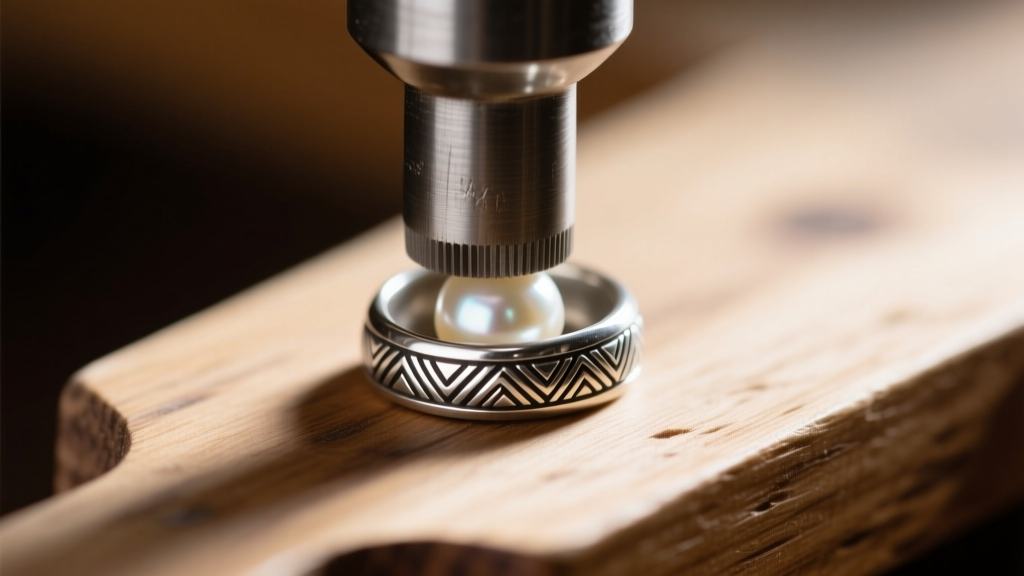
The oxidation process is equally critical. Artisans use liver of sulfur (potassium sulfide) to intentionally accelerate tarnishing, turning the silver black. The bead is then polished, leaving the dark oxidation only in the recessed stamped patterns, creating a high-contrast, three-dimensional effect. Mass-produced imitations often skip this step, using cheap black enamel or paint that eventually chips and peels.
From a structural wearability standpoint, the ear wire gauge is a frequent failure point in lower-quality pieces. For heavy Navajo pearl drops, which can weigh between 8 to 15 grams per earring, the ear wire must be crafted from 20-gauge (0.81mm) half-hard sterling silver. Wires made from 22-gauge or 24-gauge silver are too malleable; they will easily bend out of shape when pulling off a sweater or sleeping, eventually leading to metal fatigue and snapping. When evaluating a piece, always check the thickness and stiffness of the French hook or leverback mechanism.
2026 Styling Frameworks: Beyond the Traditional Bolo
Styling navajo pearl earrings in 2026 requires breaking away from overly thematic, head-to-toe Southwestern looks. The goal is juxtaposition. Here are three expert-approved styling frameworks dominating the current trend cycle:
- The Asymmetric Huggie Drop: Wear a thick, polished 14k yellow gold huggie hoop on one ear, and a single, heavy oxidized Navajo pearl drop on the opposite lobe. The mixed-metal contrast highlights the intricate silver stamping while keeping the silhouette fiercely modern.
- Cartilage Integration: For those with curated ear projects, artisans are now adapting Navajo pearl designs into flat-back labret ends. Utilizing 16-gauge or 14-gauge internally threaded or threadless posts, a 6mm to 8mm Navajo pearl can be worn in the helix or conch, bringing heritage texture to upper-ear curation.
- The Minimalist Stud: Instead of traditional dangles, opt for a single, large 12mm Navajo pearl stud worn flush against the lobe. This provides maximum visual impact with zero interference, perfect for high-collared garments or professional environments.
The Buyer’s Matrix: Authenticating Genuine Navajo Pearls
With the surge in popularity, the market has been flooded with overseas cast imitations. Use the following matrix to evaluate potential purchases and ensure you are investing in genuine indigenous artistry.
| Feature | Authentic Handmade Navajo | Mass-Produced Cast Imitation | Plated Base Metal Fake |
|---|---|---|---|
| Weight & Feel | Substantial, solid feel; seamless solder lines. | Lighter, hollow feel; visible seam lines at the equator. | Unnaturally heavy or suspiciously light; magnetic. |
| Hallmarks | Artist initials, 'Sterling', '.925', or tribal guild marks. | Rarely hallmarked, or stamped with generic factory codes. | Often marked 'Tibetan Silver' or 'Alpaca' (contains no silver). |
| Oxidation | Liver of sulfur; deep black in crevices, will polish over time. | Sprayed black paint or enamel; chips or flakes off. | Chemical blackening that rubs off onto the skin. |
| Price Range | $150 - $600+ (depending on weight and gemstones). | $30 - $80. | Under $25. |
When purchasing pieces featuring turquoise inlays or accents, it is vital to understand the stone's origin and treatment. The Gemological Institute of America (GIA) notes that natural turquoise is relatively soft (Mohs scale 5-6) and porous. While untreated, high-grade natural turquoise from mines like Sleeping Beauty or Royston commands a massive premium, stabilized turquoise (treated with a clear epoxy to enhance durability) is widely accepted in Native American jewelry and provides excellent longevity for daily-wear earrings.
Care Protocols and Common Failure Modes
Owning authentic sterling silver and turquoise jewelry requires a departure from standard jewelry cleaning habits. The most common failure mode for navajo pearl earrings is the destruction of the intentional patina. Many owners mistakenly use liquid silver dips or ultrasonic cleaners. Liquid dips strip away all oxidation, leaving the stamped crevices blindingly bright and ruining the artisan's intended contrast. Ultrasonic cleaners are even more catastrophic; the high-frequency vibrations can easily shatter natural turquoise, spiny oyster shell, or coral inlays, and can loosen the bezel settings holding them in place.
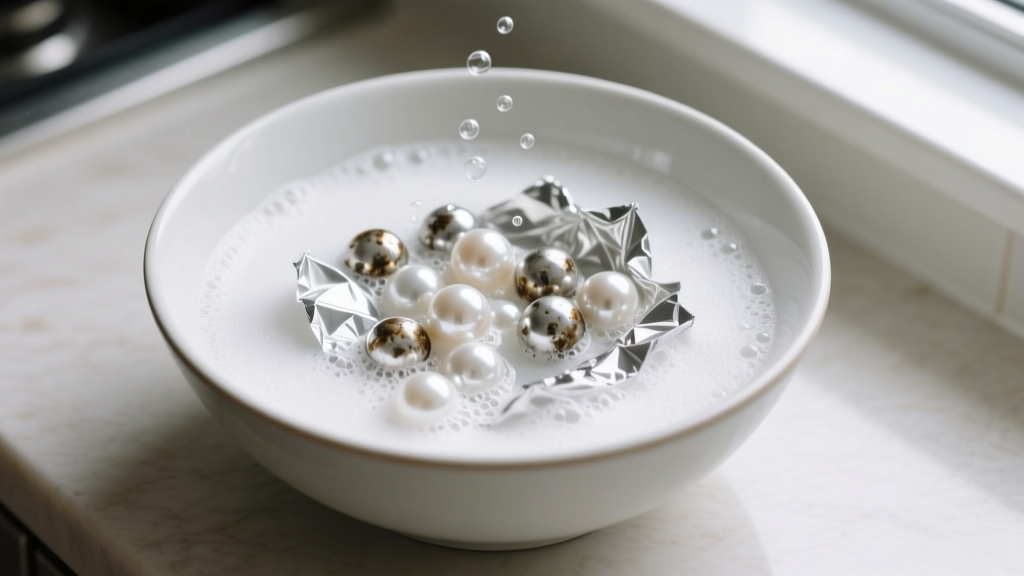
To properly maintain your earrings, rely on mechanical, targeted cleaning. Use a dry, treated silver polishing cloth and gently rub only the raised, high-polished areas of the pearl. Avoid pressing the cloth into the stamped grooves. If your earrings feature turquoise, keep them strictly away from lotions, perfumes, and harsh chemicals, as the porous stone can absorb oils and permanently alter its color matrix. When storing, place the earrings in an anti-tarnish flannel pouch with a silica gel packet to control ambient humidity, which accelerates silver sulfide formation.
Final Thoughts on Ethical Sourcing
As the appreciation for navajo pearl earrings continues to climb throughout 2026, the responsibility falls on the consumer to verify provenance. Purchasing directly from Native American artisans at reputable markets, such as the Santa Fe Indian Market, or through verified indigenous-owned galleries ensures that your investment respects the cultural heritage and legal protections of the Diné people. By prioritizing gauge integrity, authentic oxidation techniques, and mindful styling, you elevate these masterpieces from mere accessories to enduring works of wearable art.


