90s Fashion Earrings: The Ultimate Beginner's Style Guide
Discover the ultimate beginner's guide to 90s fashion earrings. Explore iconic styles, gauge sizes, and modern styling tips for retro ears.

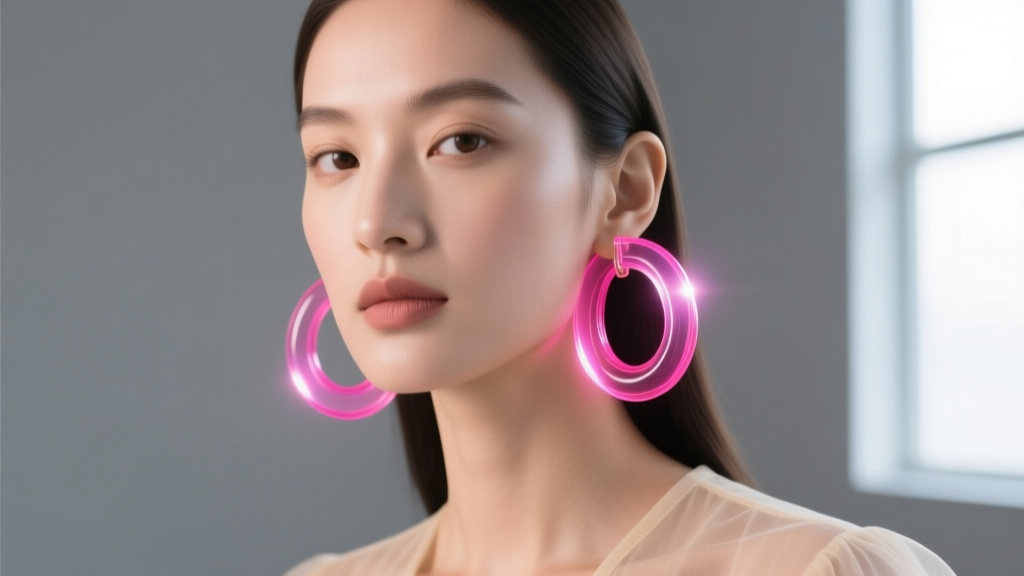
The cyclical nature of fashion has officially brought the bold, unapologetic aesthetics of the 1990s back to the forefront of jewelry design. While the 2010s were defined by ultra-delicate, barely-there chains and minimalist studs, the current landscape is dominated by the maximalist, grunge, and pop-culture-infused silhouettes of the previous decade. For beginners looking to explore 90s fashion earrings, navigating the balance between vintage authenticity and modern wearability is crucial. This guide breaks down the iconic silhouettes, material safety, gauge specifications, and styling frameworks you need to master the retro ear aesthetic without compromising comfort or ear health.
The 5 Iconic 90s Fashion Earrings You Need to Know
To build a cohesive retro ear curation, you must understand the foundational archetypes of the decade. The 90s were not a monolith; they spanned from the neon-bright pop era to the dark, textured grunge movement. Here are the five essential styles that define 90s fashion earrings.
1. The Chunky Acrylic Hoop
Popularized by hip-hop artists and R&B groups in the early 90s, the thick acrylic hoop is a masterclass in visual volume. Vintage pieces were often cut from solid acrylic blocks, resulting in a 12mm to 15mm thickness and a 50mm diameter. However, this solid construction meant a single earring could weigh up to 15 grams. Wearing heavy vintage acrylics daily can cause the piercing fistula to migrate or stretch downward over time. When shopping for modern reproductions, look for hollow-core acrylic or lightweight resin that maintains the chunky visual profile while keeping the weight under 4 grams. Always ensure the post is at least 18-gauge (1.02mm) to prevent the 'cheese-cutter effect' on your earlobe.
2. The Y2K-Adjacent Enamel Stud
Think butterflies, daisies, yin-yangs, and smiley faces. These whimsical studs were a staple of 90s mall culture. The primary issue with authentic vintage enamel studs is the base metal. Most were cast from 'pot metal'—a cheap, unregulated alloy heavily containing nickel and lead. According to the Gemological Institute of America (GIA), nickel is the most common culprit behind allergic contact dermatitis in jewelry. If you want the 90s look without the itchy, flaking earlobes, seek out contemporary brands that use ASTM F136 implant-grade titanium or 316L surgical steel bases with high-quality enamel detailing.
3. The Grunge Safety Pin & Chain Dangle
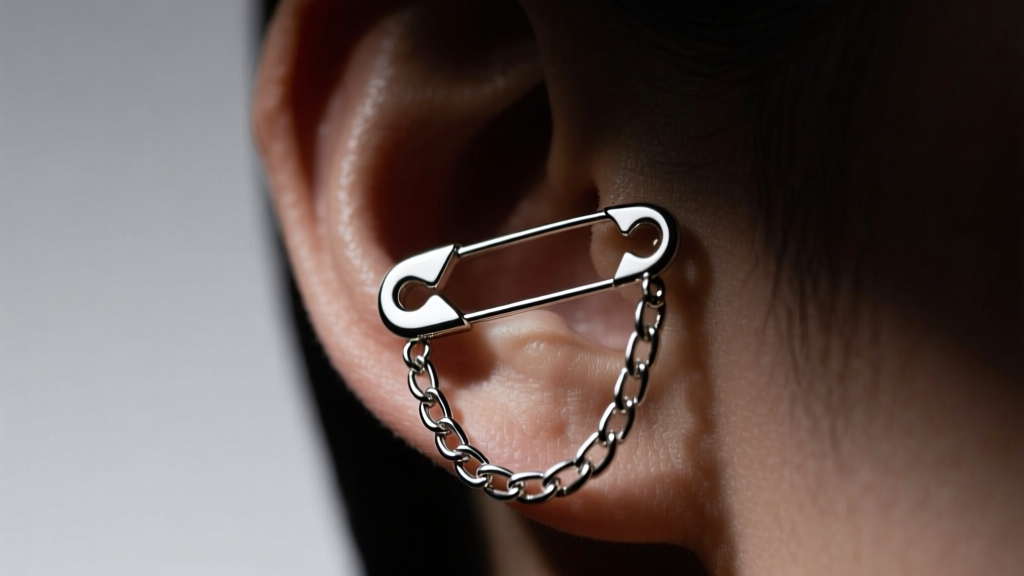
Emerging from the Pacific Northwest music scene, grunge jewelry repurposed everyday hardware into rebellion. The safety pin dangle, often suspended from a delicate 22-gauge (0.64mm) cable chain, remains a quintessential 90s fashion earring. While 22-gauge chains offer the perfect fragile, gritty aesthetic, they are highly prone to snapping if caught on a sweater. For daily wear, upgrade to a 20-gauge (0.81mm) curb or rolo chain. To modernize the look, pair a lobe safety pin dangle with a cartilage ear cuff on the same side to mimic the multi-pierced grunge look without the commitment of additional needle punctures.
4. The Minimalist White Gold Huggie
Before the helix and tragus piercings became mainstream, the huggie hoop was the 90s workaround for cartilage styling. These small, thick hoops (typically 10mm to 12mm in diameter) were designed to 'hug' the earlobe tightly. Vintage 90s huggies often featured a 16-gauge (1.29mm) wire thickness and a rigid hinge mechanism. When sourcing these today, look for a 'clicker' closure rather than a traditional hinged snap, as clickers provide a seamless, secure fit that won't accidentally pop open when you pull your hair back.
5. The Oversized Button Clip-On
Not everyone in the 90s had pierced ears, making the oversized button clip-on a massive trend. These featured faux pearls, cabochon stones, or textured gold domes. The failure mode of vintage clip-ons lies in their tension springs. Many exert up to 4 ounces of continuous pressure, leading to ischemia (restricted blood flow) and severe lobe fatigue after just two hours of wear. The modern fix is simple: apply a 2mm silicone earring cushion pad to the back of the clip. This distributes the pressure evenly across the earlobe, allowing you to wear heavy vintage clip-ons comfortably all day.
Technical Specs: Gauges, Materials, and Lobe Fatigue
Understanding the technical specifications of 90s fashion earrings is what separates a novice from a true jewelry curator. Below is a comparison chart detailing the standard measurements and material upgrades for the decade's most popular styles.
| Earring Style | Vintage Gauge / Spec | Typical Weight | Modern Material Upgrade |
|---|---|---|---|
| Chunky Acrylic Hoop | 14G Post / 50mm Dia. | 12g - 15g | 18G Post / Hollow Resin |
| Enamel Novelty Stud | 20G Post / Pot Metal | 2g - 3g | 20G Implant-Grade Titanium |
| Grunge Chain Dangle | 22G Cable Chain | 1g - 2g | 20G Curb Chain / Sterling Silver |
| Cartilage Huggie | 16G Wire / Hinge | 4g - 6g | 16G 14k Gold / Clicker Closure |
| Button Clip-On | Paddle Back / High Tension | 8g - 12g | Silicone Cushion Pads Added |
How to Map 90s Styles to Your Face Shape
The bold proportions of 90s fashion earrings can dramatically alter your facial symmetry. Use this framework to select the most flattering retro silhouette for your specific bone structure:
- Round Faces: Avoid chunky acrylic hoops, which will only emphasize facial width. Instead, opt for long, linear grunge chain dangles or Y2K drop earrings to create a vertical elongation effect.
- Square Faces: Soften a strong jawline with the curved, voluminous geometry of oversized button clip-ons or thick, rounded huggies. Avoid sharp, angular geometric studs.
- Oval Faces: The universal face shape can pull off the most extreme 90s proportions. Experiment with massive, shoulder-grazing acrylic hoops or asymmetrical safety pin clusters.
- Heart-Shaped Faces: Draw attention downward and balance a narrower chin with teardrop-shaped enamel dangles or bottom-heavy chandelier styles popular in the late 90s R&B scene.
Modernizing the Decade: Styling Frameworks
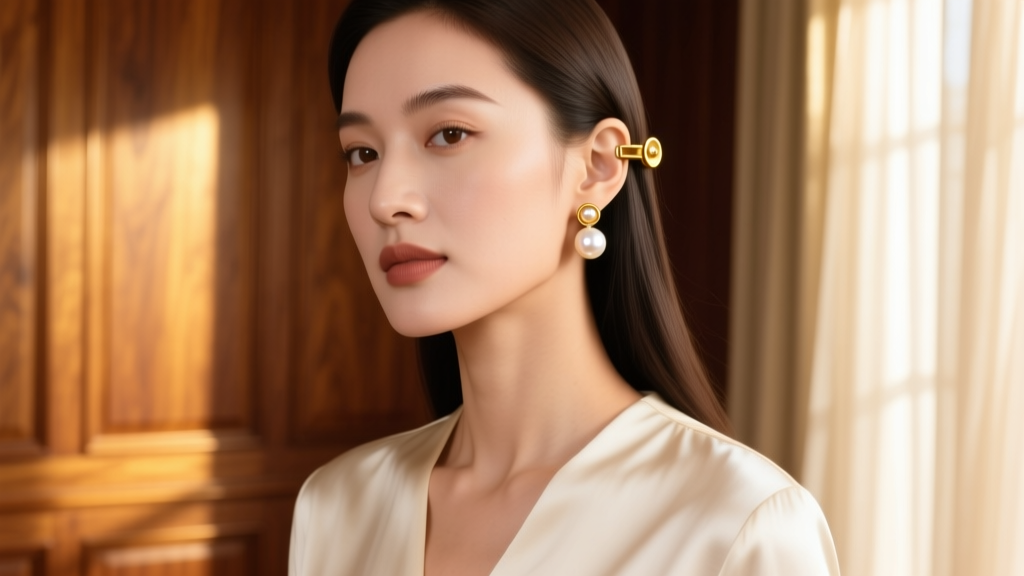
The key to wearing 90s fashion earrings in 2026 is avoiding the 'costume' effect. You do not want to look like you are heading to a themed decade party. The most effective styling framework is the 'High-Low Mix.' Pair a highly nostalgic, maximalist 90s piece—like a chunky neon acrylic hoop—with a highly modern, structured wardrobe, such as a tailored oversized blazer or a minimalist silk slip dress. According to trend analysts at Vogue, contrasting retro maximalism with contemporary minimalism creates a deliberate, editorial look rather than a dated one. Furthermore, embrace the 90s concept of the 'curated ear' by mixing a vintage clip-on on the upper cartilage (using a magnetic converter) with a modern titanium grunge chain on the lobe.
Sourcing Authentic vs. Contemporary Reproductions
When building your collection, you must decide between the thrill of the vintage hunt and the reliability of modern manufacturing. Authentic 90s pieces can be sourced from estate sales, Depop, and specialized vintage curators on Etsy. The advantage is the unique patina and historical accuracy; the risk is degraded metal alloys and weakened earring posts. If you choose the vintage route, always bring a small neodymium magnet. If the earring post sticks to the magnet, it contains ferrous metals that will inevitably rust and cause infections. Contemporary reproductions from brands like Harper's Bazaar favorites offer the exact same 90s silhouettes but utilize hypoallergenic PVD coatings on stainless steel, ensuring your retro aesthetic is backed by modern dermatological safety.


