Over Ear Earrings Care: Cleaning, Tension, and Storage
Learn how to clean, adjust tension, and safely store over ear earrings. Expert tips on metal memory, gemstone care, and preventing loss.

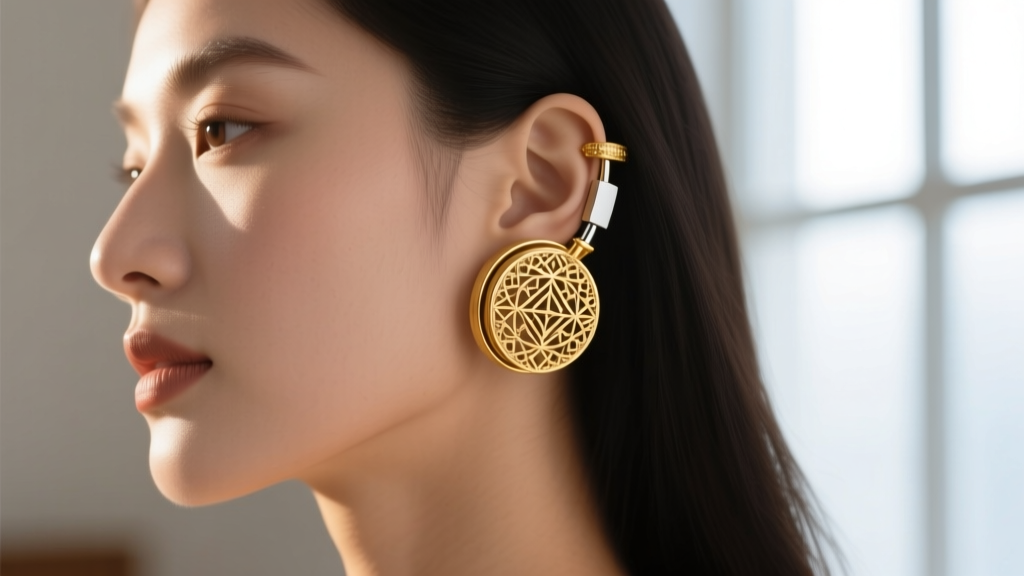
The Unique Anatomy of Over Ear Earrings
Over ear earrings, frequently encompassing ear cuffs, helix wraps, and cartilage climbers, represent a highly specialized category of body jewelry. Unlike traditional studs or hoops that rely on a post and a secure backing (like a butterfly clutch or screw-back), over ear earrings depend entirely on mechanical tension, friction, and the anatomical contours of your ear. This fundamental difference in structural engineering means that their care, maintenance, and cleaning protocols must be highly specific. If you treat a tension-based ear cuff like a standard hoop, you risk metal fatigue, loss of grip, and ultimately, losing the piece entirely.
Because these pieces wrap around the thickest parts of the cartilage or hook over the outer rim, they are constantly exposed to hair products, skin oils, and the friction of clothing. Furthermore, the very act of putting them on and taking them off repeatedly stresses the metal. As of 2026, with the rising popularity of intricate, micro-pave over ear designs, understanding how to maintain both the metal's structural integrity and the gemstones' brilliance is more critical than ever.
Restoring Tension: How to Adjust Your Cuff
The most common issue with over ear earrings is a loss of tension. Over time, the 'C' shape of the cuff can stretch, causing it to slide off the ear. To fix this, you must carefully squeeze the metal to restore its grip. However, you must never use standard steel jewelry pliers, as they will mar, scratch, and dent the surface of your earrings.
Metal Memory and Fatigue
Different metals react differently to bending and adjusting. According to metallurgical guidelines from Rio Grande, metals undergo 'work-hardening' when manipulated. Sterling silver (925) and 14k gold are relatively malleable but will become brittle if bent back and forth too many times. Brass and copper are softer but prone to permanent deformation. Titanium, increasingly popular for hypoallergenic over ear pieces, has a high yield strength and should almost never be adjusted at home, as it requires specialized annealing equipment to reshape without snapping.
The Adjustment Protocol:
- Use Tru-Form nylon-jaw pliers to protect the metal finish.
- Apply gentle, even pressure to the sides of the cuff, squeezing inward by no more than 1-2 millimeters at a time.
- Test the fit on your ear. If it is still loose, repeat the process incrementally.
- Never bend the wire or metal sheet at a sharp angle; always maintain the smooth, continuous curve of the original design.
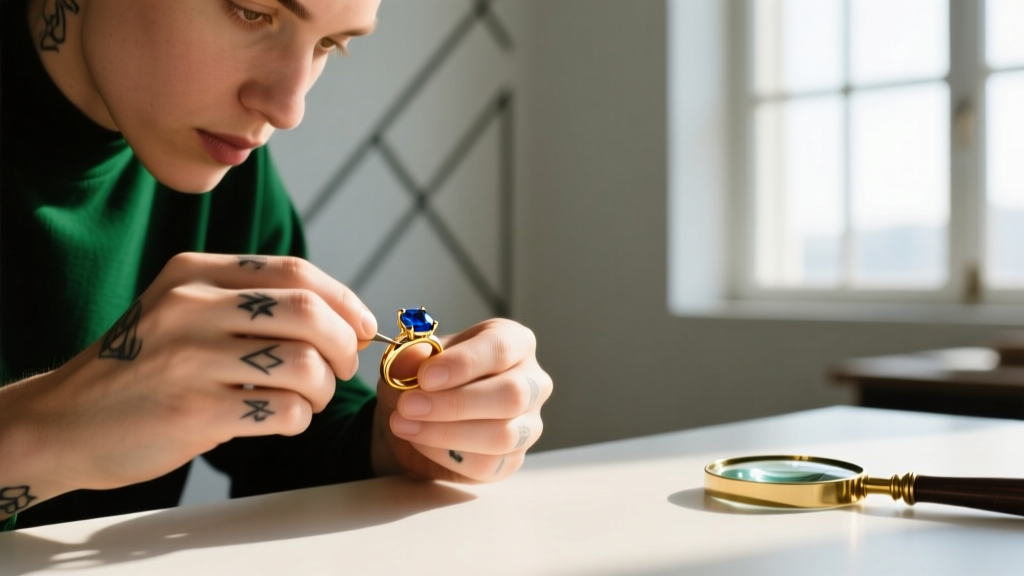
Cleaning Protocols by Material and Gemstone
The inner curve of an over ear earring is a magnet for sebum (skin oil), dead skin cells, and hairspray residue. This buildup not only dulls the metal but can also cause contact dermatitis or localized skin infections on the cartilage. Cleaning must be done regularly, but the method depends entirely on the materials used in the piece.
| Material / Stone | Safe Cleaning Agent | Tool | Strict Warning |
|---|---|---|---|
| Plain Sterling Silver / Gold | Mild dish soap + warm water | Soft baby toothbrush | Avoid bleach or chlorine |
| Oxidized (Blackened) Silver | Dry microfiber cloth only | Cotton swabs for crevices | Never use liquid silver dip |
| Porous Stones (Turquoise, Opal, Pearl) | Damp cloth with plain water | Lint-free wipe | No soaking; no chemicals |
| Hard Stones (CZ, Sapphire, Diamond) | Ammonia-free jewelry cleaner | Soft bristle brush | Check prongs before washing |
The Ultrasonic and Steam Danger Zone
While ultrasonic cleaners are fantastic for traditional diamond stud earrings, they are notoriously dangerous for many over ear earrings. The Gemological Institute of America (GIA) warns that high-frequency vibrations can easily shake loose stones that are held in place by tension settings or microscopic beads of adhesive—both of which are common in complex ear cuffs and helix wraps. Furthermore, steam cleaners can melt the industrial resins used to secure inlay stones like mother-of-pearl or malachite, causing them to pop out entirely.
Daily Wear and Environmental Hazards
To minimize the need for deep cleaning and structural repairs, you must manage the environmental hazards your over ear earrings face daily. Hairspray, perfume, and dry shampoo contain alcohols and aerosolized polymers that create a cloudy, stubborn film over gemstones and accelerate the tarnishing of copper-based alloys like brass and low-karat gold.
The Golden Rule of Application: Always apply your hair products, lotions, and perfumes at least 15 minutes before putting on your over ear earrings. This allows the volatile organic compounds (VOCs) to evaporate and the lotions to absorb into the skin, preventing a direct chemical transfer to the metal.
Additionally, never sleep in over ear earrings. The pressure of your head against a pillow can easily warp the C-curve of the cuff, permanently altering its tension. It can also force the metal edges into the delicate skin behind the ear, causing lacerations or pressure sores.
Proper Storage to Prevent Warping
How you store your over ear earrings is just as important as how you clean them. Tossing an ear cuff into a communal jewelry box is a recipe for disaster. The heavy weight of other jewelry can crush the delicate wirework, and the exposed prongs can snag on chains or fabric, pulling stones loose.
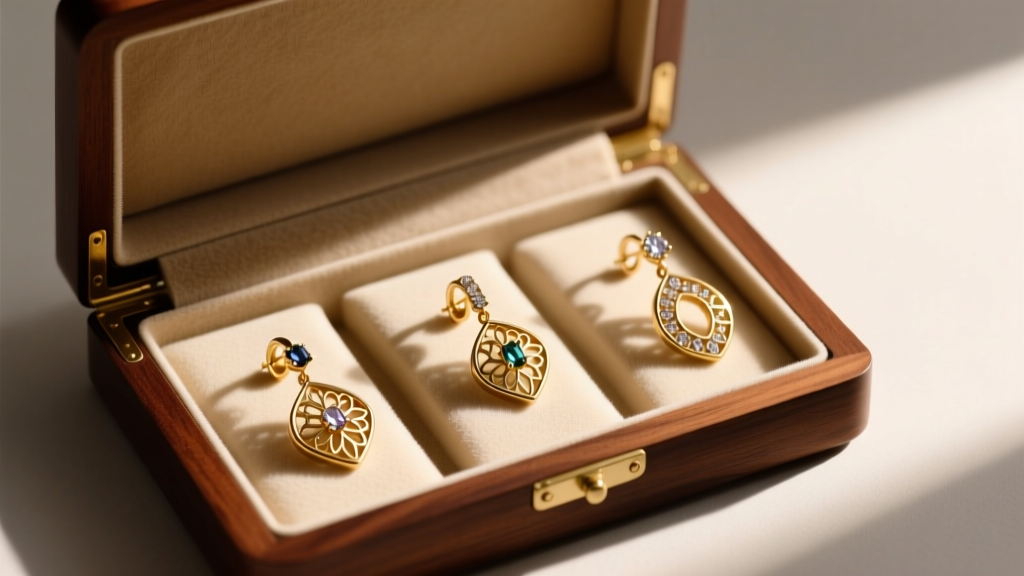
For optimal preservation, store each over ear earring in its own individual soft flannel or anti-tarnish pouch. If the piece features an intricate, asymmetrical shape or delicate filigree, consider using a dedicated jewelry box with customizable foam inserts. This allows you to create a custom nest for the piece, ensuring that no pressure is applied to the tension points or gemstone settings while it sits in your drawer. Including a 3M anti-tarnish strip in the storage compartment will actively absorb sulfur compounds from the air, keeping silver and copper alloys bright for months.
Expert Troubleshooting Guide
Even with meticulous care, issues can arise. Here is how to troubleshoot the most common problems associated with over ear earrings:
- The Earring Leaves a Green Mark: This is not an allergy; it is an oxidation reaction. The copper in sterling silver or brass alloys reacts with the acidity and salt in your sweat. To prevent this, wipe the inner curve of the cuff with a soft cloth immediately after removing it, or apply a microscopically thin layer of clear nail polish to the inside of the band (reapply monthly).
- A Tension-Set Stone is Loose: Stop wearing the piece immediately. Do not attempt to push the stone back into place with your fingers, as the oils from your skin can compromise the friction fit. Take it to a professional jeweler who can use a burnishing tool to safely tighten the metal lip over the stone's girdle.
- The Cuff Keeps Slipping Off: If adjusting the tension with nylon pliers fails, the metal may have suffered from severe work-hardening and lost its 'memory.' A jeweler can safely anneal (heat and cool) the metal to restore its malleability, allowing it to be reshaped to your exact ear contour without risking a fracture.
By respecting the unique mechanical nature of over ear earrings and adhering to these specialized cleaning and storage protocols, you can ensure that your statement pieces remain secure, brilliant, and structurally sound for years to come.


