Patricia Locke Earrings: The Ultimate Collector's Buying Guide
Discover how to authenticate, evaluate, and price vintage Patricia Locke earrings. Expert tips on bronze patina, hallmarks, and gemstone settings.

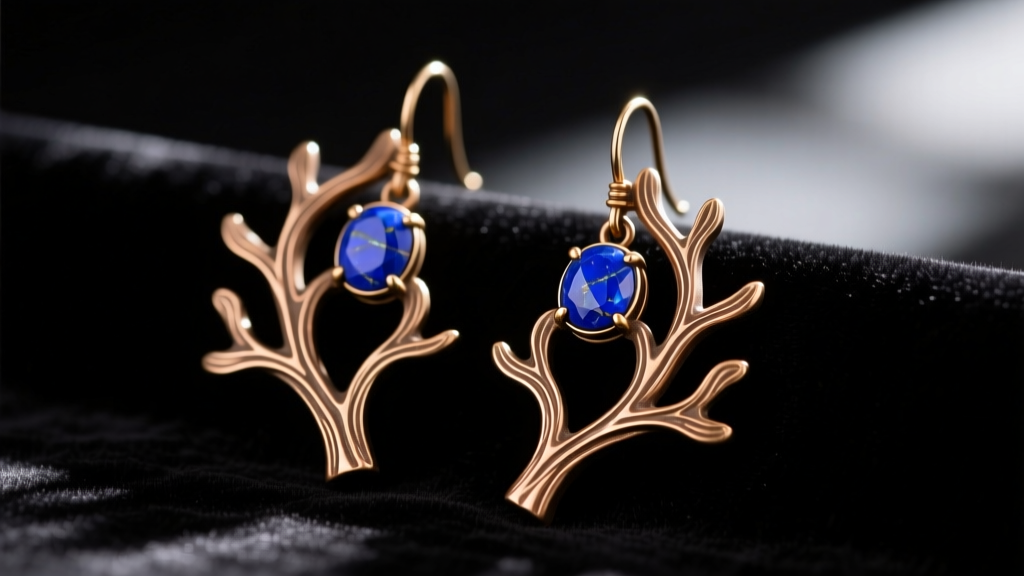
The Legacy of Patricia Locke: Sculptural Bronze and Lost-Wax Mastery
When navigating the secondary market for artisan jewelry, few names command the reverence and immediate recognition of Patricia Locke (1938–2001). Operating out of her Colorado studio, Locke transitioned from painting to metalsmithing, ultimately pioneering a distinct style that blended organic, nature-inspired motifs with heavy, sculptural metalwork. For collectors and vintage enthusiasts, acquiring Patricia Locke earrings is not merely about owning a piece of jewelry; it is about securing a wearable artifact of late-20th-century American craft.
Unlike mass-produced stamped jewelry, Locke’s earrings were primarily created using the ancient cire perdue (lost-wax) casting method. This labor-intensive process involves carving a design into wax, encasing it in a mold, melting the wax away, and pouring molten metal into the cavity. The result is an extraordinary level of three-dimensional detail—bark textures, intertwining vines, and feathered edges—that is impossible to achieve with traditional sheet metal fabrication. However, because her pieces are highly sought after and no longer in production, the modern buyer must navigate a minefield of misattributed items, altered patinas, and damaged hardware. This comprehensive buying guide details exactly what to look for when evaluating Patricia Locke earrings in today's vintage market.
Decoding the Hallmarks: Authentication Essentials
The first step in evaluating any piece is verifying its provenance. According to the Lang Antiques Hallmark Guide, authenticating mid-century and late-20th-century artisan jewelry requires a close examination of the maker's mark, which can vary depending on the era and the size of the piece.
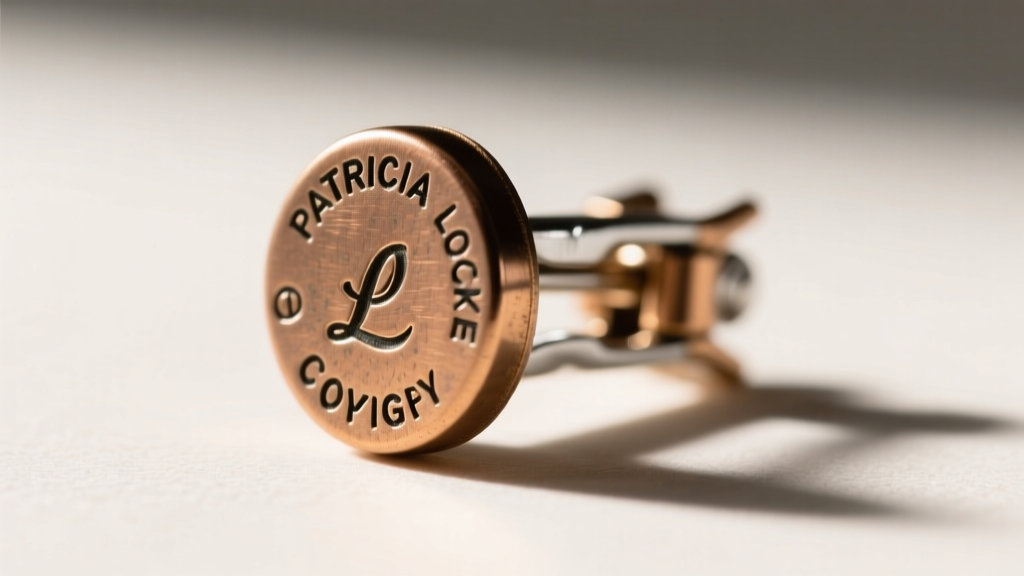
- The Full Signature: The most common hallmark is a stamped "© Patricia Locke" or "Patricia Locke" in a distinct, slightly irregular serif or script font. This is typically found on the flat back of a clip-on mechanism or the broad base of a post earring.
- The Abbreviated Mark: On smaller stud earrings or pieces where surface real estate is limited, you may find a simple "P.L." stamp.
- Hardware Clues: Locke frequently used custom-padded clip-on backs to accommodate the sheer weight of her bronze work. If a heavy, sculptural earring features a lightweight, modern, unpadded clip mechanism, it has likely been altered or is a counterfeit.
Material Breakdown: Bronze, Brass, and Gemstones
Locke’s material palette was highly specific. She favored base metals that could hold deep, dark antiquing, paired with vibrant, opaque semi-precious stones. Understanding how these materials age is critical for assessing condition and value.
| Material | Characteristics & Usage | Patina Evolution | Collector Care Requirements |
|---|---|---|---|
| Jeweler's Bronze | Often called "Merlin's Gold," this was her primary medium. Dense, heavy, and capable of capturing microscopic wax-carving details. | Develops a rich, warm brown/black oxidation in the crevices. High points polish to a soft gold hue from skin contact. | Never use chemical dips. Wipe with a soft, dry cloth. Avoid moisture to prevent verdigris. |
| Brass | Used in her earlier works and specific Egyptian revival lines. Slightly lighter than bronze but highly malleable for prong settings. | Oxidizes to a darker, sometimes greenish-brown if exposed to high humidity and skin acids. | Polish high points gently with a jeweler's cloth; leave crevice oxidation intact. |
| Lapis Lazuli | Her most iconic stone pairing. Usually cut into smooth cabochons or irregular rough chunks for bezel settings. | Stable, but porous. Can be damaged by ultrasonic cleaners or harsh perfumes. | Clean only with a damp cloth. Verify natural pyrite flecks via the GIA Gem Encyclopedia. |
| Turquoise & Coral | Frequently used in her Southwestern and botanical motifs. Often set in heavy, sculptural bezels. | Turquoise can darken or turn green over decades of wear due to oil absorption. | Keep away from cosmetics and lotions. Do not attempt to "clean" aged turquoise. |
Evaluating Condition: Intentional Antiquing vs. Damage
The most common mistake novice buyers make when shopping for vintage Patricia Locke earrings is misinterpreting her signature finish. Locke intentionally applied chemical oxidizers to darken the recessed areas of her castings, creating a dramatic contrast that highlighted the three-dimensional relief work.
"A pristine, uniformly shiny Patricia Locke piece is a red flag. Her artistry lived in the shadows of the metalwork. Stripping the dark oxidation from the crevices destroys the sculptural depth and significantly diminishes the collector value."
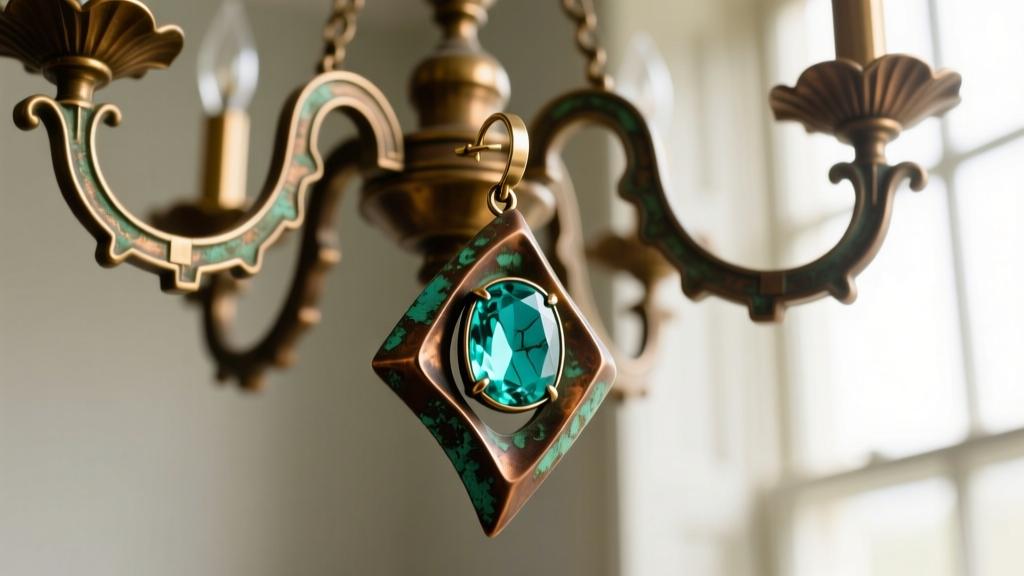
However, buyers must distinguish between intentional antiquing and verdigris. Verdigris is a powdery, bright green or blue corrosion that occurs when copper-rich alloys (like bronze and brass) react with moisture, salts, and acids. While a tiny amount of verdigris on a vintage clip-on pad can be gently brushed away with a dry toothbrush, active, flaking green corrosion near the gemstone settings indicates poor storage and potential structural compromise. Furthermore, inspect the bezel walls. Because Locke’s settings were often cast as part of the whole piece rather than soldered on later, thin cast bezels can become brittle or crack if the stone has been subjected to impact.
The Weight Factor: Wearability and Earlobe Health
It is impossible to discuss buying Patricia Locke earrings without addressing their weight. Solid cast bronze is exceptionally dense. A pair of her iconic chandelier or large botanical clip-ons can easily exceed 25 to 30 grams per ear. For context, a standard modern hoop earring weighs between 4 and 8 grams.
If you are buying post earrings, check the gauge of the wire. Locke typically used thicker gauge wires (often 18g or 16g) to support the heavy bronze heads, which may require gradual stretching for wearers accustomed to standard 20g or 22g commercial posts. For clip-on buyers, test the tension of the spring mechanism. Decades of wear can cause the metal to fatigue, resulting in clips that no longer grip the earlobe securely. Fortunately, a skilled bench jeweler can often adjust the tension or replace the padded paddle without damaging the hallmark.
To mitigate the weight on pierced lobes, many modern collectors utilize silicone earring support patches (such as Lobe Wonder). These adhesive pads distribute the weight of the heavy bronze across a wider surface area of the earlobe, preventing the painful tearing and stretching associated with wearing dense, lost-wax cast metals for extended periods. When evaluating post earrings, also inspect the solder point where the bronze casting meets the steel or gold-filled post. This junction is the most common failure point on heavy vintage earrings, and a weak or repaired solder joint should be factored into your negotiation.
Market Pricing and Sourcing Strategies
The secondary market for Patricia Locke jewelry has stabilized into a highly respected collector's niche. Pricing is dictated by the complexity of the casting, the rarity of the gemstone pairing, and the condition of the patina. Based on current market data from platforms like the 1stDibs Patricia Locke Archive and specialized vintage dealers, here is what you can expect to pay:
- Small Studs and Simple Clips ($75 – $150): Typically featuring a single cabochon (like amethyst or tiger's eye) surrounded by a simple bronze leaf or vine motif. These are excellent entry-level collector pieces.
- Medium Drop Earrings ($180 – $350): Pieces featuring intricate filigree work, multiple stones, or her popular "Tree of Life" branching designs. Condition of the original clip-on padding heavily influences the price in this tier.
- Museum-Quality Chandeliers & Sculptural Clips ($400 – $850+): Large, heavy, multi-tiered earrings featuring rare stones like high-grade lapis lazuli or coral. Pieces from her highly sought-after Egyptian Revival or deeply detailed botanical series command top dollar, especially if the original dark antiquing is perfectly preserved.
When sourcing from estate sales or generalist antique malls, be prepared to dig. Locke’s pieces are sometimes mislabeled as generic 'artisan bronze' or 'Southwestern vintage' by sellers unaware of her specific market value. Learning to recognize her distinct textural signatures—the way her bronze branches taper, or the specific bezel style she used for turquoise—can lead to remarkable below-market acquisitions.
Final Verdict: The Collector's Checklist
Acquiring vintage Patricia Locke earrings requires a shift in perspective. You are not just buying jewelry; you are curating a miniature bronze sculpture. Before finalizing any purchase, run through this essential checklist:
- Verify the Mark: Locate the © Patricia Locke or P.L. stamp and cross-reference the font and placement.
- Assess the Shadows: Ensure the dark oxidation in the crevices is original antiquing, not active green verdigris corrosion.
- Check the Stones: Look for natural inclusions (like pyrite in lapis) and ensure the cast bronze bezels are not cracked.
- Test the Hardware: Verify that the clip tension is strong enough to support the heavy bronze weight, or factor in the cost of a jeweler's adjustment.
By prioritizing structural integrity and respecting the artist's original patina, you can secure a breathtaking piece of American jewelry history that will continue to appreciate in both aesthetic and monetary value.


