The Ultimate Buying Guide for Pear Cut Earrings: What to Look For
Discover what to look for when buying pear cut earrings. Expert tips on symmetry, settings, metal grades, and face shape matching for the perfect pair.
The Anatomy of a Perfect Pear Cut
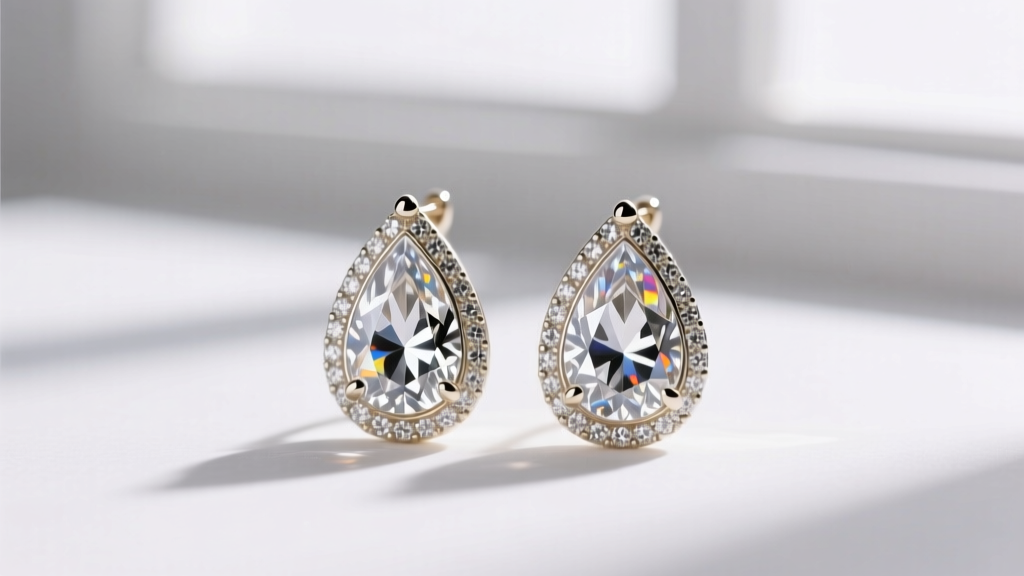
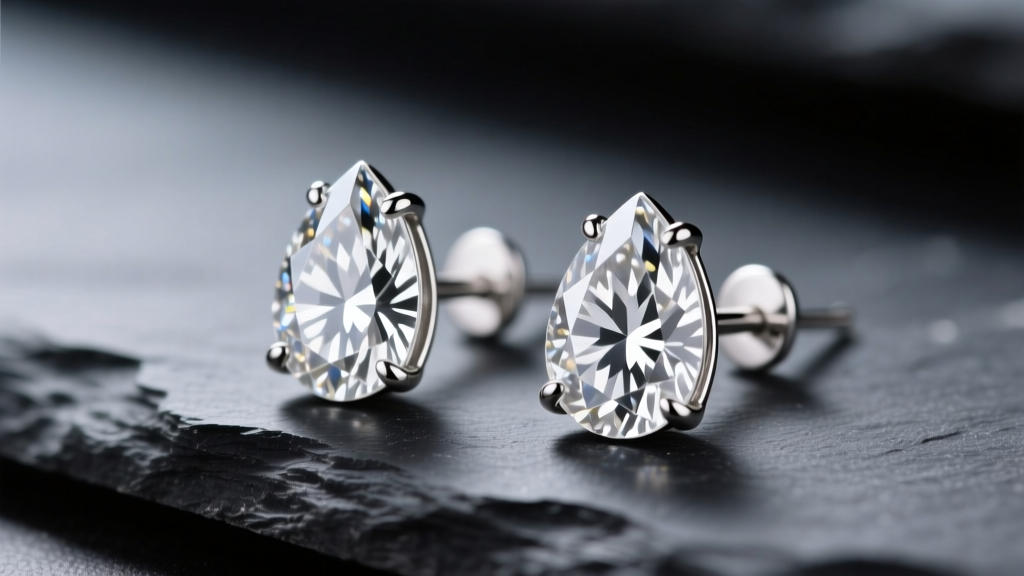
The pear cut, universally recognized as the teardrop shape, is a complex hybrid that marries the round brilliant and the marquise cut. Featuring a single pointed tip and a rounded opposite end, this modified brilliant cut offers a directional flow that is highly coveted in fine jewelry. However, translating this shape into a flawless pair of pear cut earrings requires a rigorous understanding of gemological proportions. Unlike round diamonds, which have strict cut grades, fancy shapes rely heavily on visual inspection and specific ratio parameters.
Length-to-Width Ratio
The most critical metric when evaluating pear cut stones is the length-to-width ratio. The ideal ratio for a balanced, elegant teardrop sits between 1.45 and 1.75. A ratio below 1.45 results in a stubby, overly wide stone that lacks the signature elongated grace of the pear. Conversely, a ratio exceeding 1.75 creates a stretched, narrow appearance that compromises the stone's structural integrity and light return. When buying a pair of studs or drops, ensure both stones share a nearly identical ratio (within 0.05 of each other) to guarantee visual symmetry.
The Bow-Tie Effect and Light Performance
According to the Gemological Institute of America (GIA), elongated fancy shapes like the pear cut are inherently prone to the "bow-tie effect." This phenomenon occurs when light is obstructed across the center of the stone's pavilion, creating a dark, bow-tie-shaped shadow. In earrings, where gems are constantly in motion, a severe bow-tie can make the stones appear dead or glassy. When shopping, always request 360-degree video or view the earrings in varied, natural lighting. A minimal bow-tie that blends into the stone's natural scintillation is acceptable, but a stark, black void across the center is a red flag.
"Symmetry in pear cut earrings is non-negotiable. The shoulders must curve smoothly into the wings, and the pointed tip must align perfectly with the apex of the rounded end. Even a 2-degree tilt in the setting will make a pair of pear studs look visibly crooked on the earlobe."
Orientation: Point Up or Point Down?
One of the most unique aspects of pear cut earrings is their directional orientation, which drastically alters their aesthetic and functional profile.
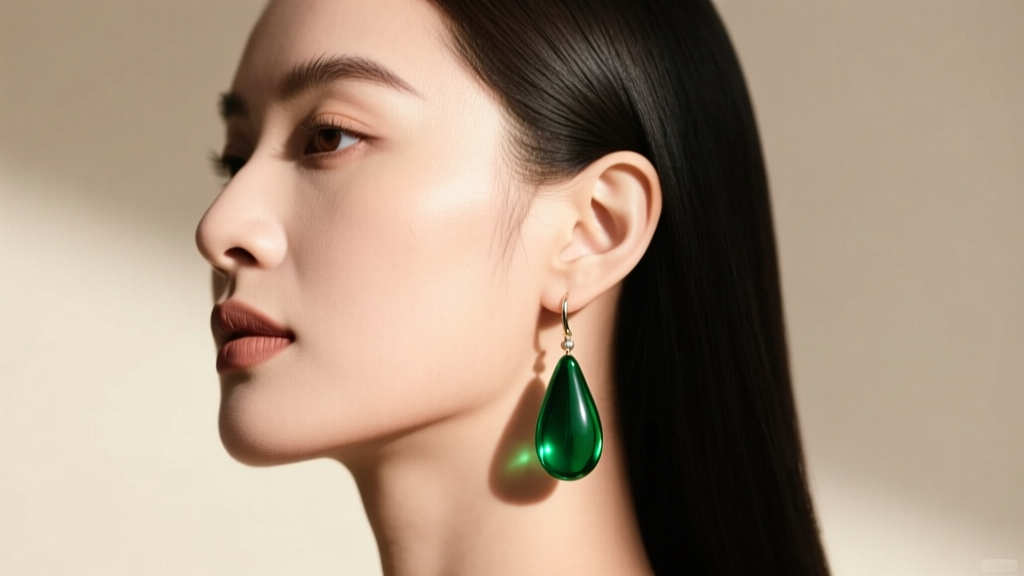
- Point Down (Traditional): For drop and dangle earrings, the point should face downward. This mimics the natural shape of a falling teardrop, draws the eye vertically, and elongates the neck and jawline.
- Point Up (Anatomical): For stud earrings, many jewelers and stylists recommend orienting the point upward, toward the top of the ear. This follows the natural, tapered curve of the human earlobe, creating a more organic, custom-fit appearance.
- Ear Climbers and Cuffs: In cartilage jewelry, the point almost always faces upward, guiding the eye along the helix or ear cuff trajectory.
Choosing the Right Setting for Vulnerable Tips
The pointed tip of a pear cut gemstone is its greatest vulnerability. A standard prong setting leaves this acute corner exposed to chipping against hair, clothing, or accidental impacts. Selecting the correct metalwork is paramount for longevity.
The V-Prong (Chevron Prong)
If you prefer a traditional prong setting to maximize light entry, you must insist on a V-prong at the pointed tip. Unlike standard rounded prongs, a V-prong wraps a solid piece of metal around the vulnerable corner, providing structural armor without sacrificing the stone's brilliance. For pear cut stones over 0.50 carats each, a 5-prong or 6-prong setting (incorporating one V-prong at the tip) is the industry standard for secure daily wear.
Bezel and Half-Bezel Settings
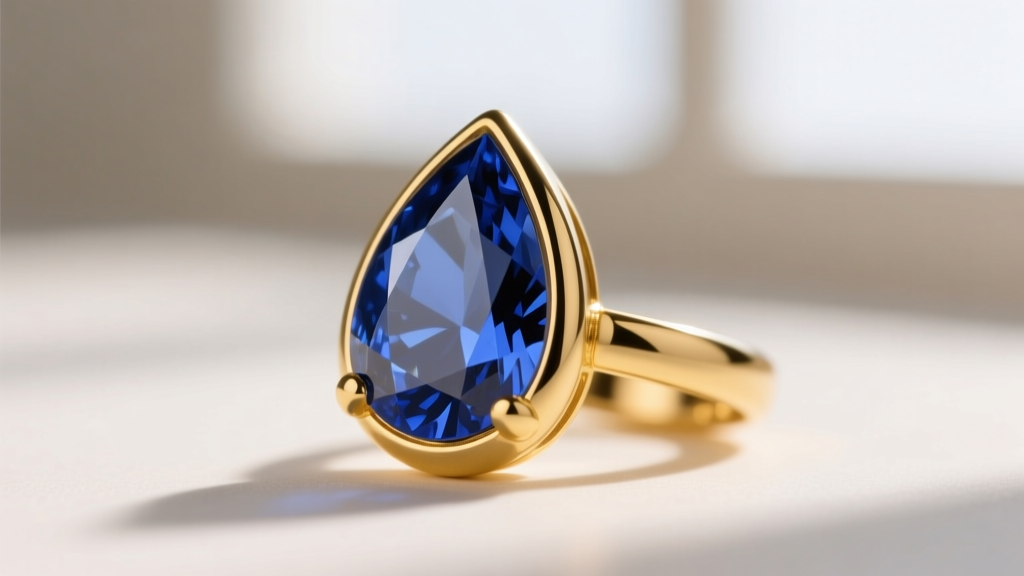
For active lifestyles, frequent travelers, or cartilage piercings where snagging is a high risk, a full bezel setting is the ultimate choice. A bezel encircles the entire perimeter of the stone in a custom-fitted metal rim, completely eliminating the risk of tip chipping. While it slightly reduces the visible surface area of the gemstone, it offers unparalleled security. A half-bezel is a modern compromise, protecting the tip and the rounded base while leaving the sides open for maximum light refraction.
Metal Selection and Hypoallergenic Considerations
The metal you choose impacts both the visual warmth of the earrings and their biocompatibility with your skin. The Jewelers of America recommends matching your metal grade to your wear frequency and skin sensitivity.
- Platinum (PT950): The premium standard for high-carat pear cut diamond earrings. Its naturally white luster enhances the colorlessness of diamonds, and its extreme density provides a vice-like grip on delicate V-prongs. It is also naturally hypoallergenic.
- 18k vs. 14k Gold: 18k gold (75% pure) offers a rich, deep color—especially in yellow and rose gold variants—but is slightly softer. 14k gold (58.5% pure) is highly durable and resistant to scratching, making it the pragmatic choice for everyday wear studs.
- Implant-Grade Titanium (ASTM F136): If you are buying for fresh piercings or suffer from severe nickel allergies, seek out artisan jewelers who set pear cut lab-grown diamonds or sapphires in anodized, implant-grade titanium. This is particularly crucial for helix and tragus piercings.
Matching Pear Cut Earrings to Your Face Shape
Because the pear cut is inherently directional, it interacts strongly with facial geometry. Use the table below to determine which style of pear cut earring will best complement your natural features.
| Face Shape | Recommended Pear Style | Styling Rationale |
|---|---|---|
| Round | Long Pear Drops / Dangles | The elongated vertical line of a point-down drop creates the illusion of length, balancing wider cheekbones. |
| Oval | Pear Studs or Medium Drops | Oval faces are highly versatile. Point-up studs highlight the cheekbones without over-elongating the face. |
| Square | Curved Pear Dangles with Halos | The soft, rounded base of a pear cut softens a strong, angular jawline. Avoid short, wide pears. |
| Heart | Pear Drops with Wider Bases | A teardrop with a slightly wider rounded end (ratio closer to 1.45) adds visual weight to a narrower chin. |
Pricing Tiers and the Lab-Grown Shift
When budgeting for pear cut earrings, it is vital to understand Carat Total Weight (CTW) versus per-stone weight. A "1.00 CTW" pair means each stone is 0.50 carats. The market in 2026 offers distinct pricing tiers based on origin and quality (assuming VS1 Clarity, F Color):
- 1.00 CTW Natural Diamonds: $4,500 – $7,500. Premium pricing applies to stones with minimal bow-ties and excellent symmetry.
- 1.00 CTW Lab-Grown Diamonds: $800 – $1,400. Lab-grown stones allow buyers to scale up to 2.00 CTW or 3.00 CTW within the same budget, though resale value remains significantly lower than natural stones.
- Gemstone Alternatives (Sapphires/Emeralds): Pear cut Ceylon sapphires or Colombian emeralds offer vivid color and unique character, typically ranging from $1,500 to $3,500 per carat depending on treatment and origin.
Final Pre-Purchase Checklist
Before finalizing your purchase, run the earrings through this expert checklist:
- Verify the Ratio: Confirm both stones fall within the 1.45 to 1.75 length-to-width ratio.
- Inspect the Tip: Ensure a V-prong or bezel setting is protecting the pointed corner.
- Check for Bow-Ties: View the stones in motion or via 360-degree video to rule out severe light extinction.
- Match the Symmetry: Ensure the shoulders and wings curve identically on both the left and right earrings.
- Confirm Metal Purity: Look for hallmarks like PT950, 18k, or ASTM F136 to guarantee material quality and skin safety.
By prioritizing structural integrity, precise proportions, and anatomical orientation, you can secure a pair of pear cut earrings that are not only breathtaking but engineered for a lifetime of wear.


