Pearl Earrings and Necklace Set: 2026 Grading & Buying Guide
Master the technical grading of a pearl earrings and necklace set. Learn nacre metrics, luster standards, and 2026 pricing for Akoya and South Sea.

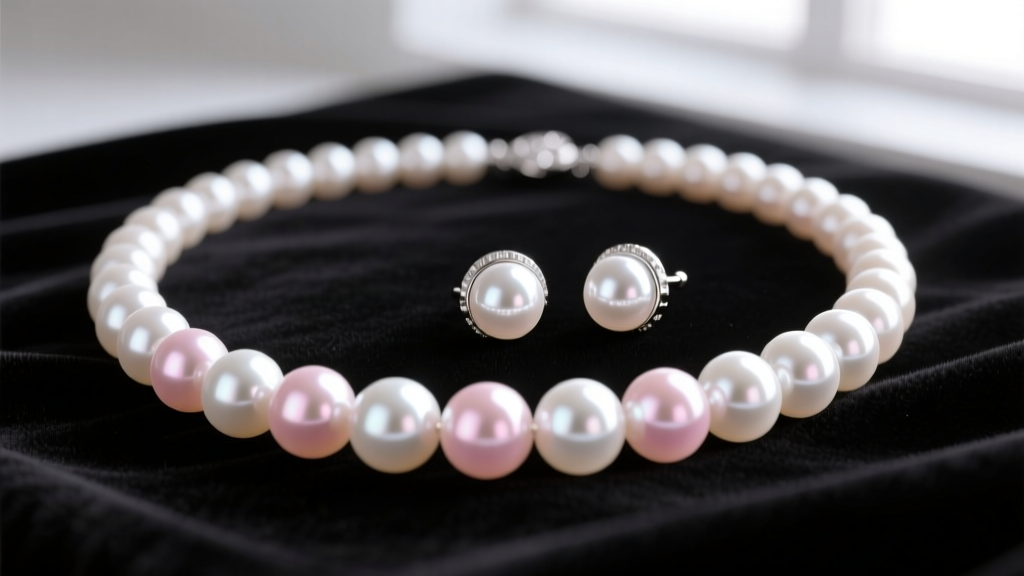
Curating a flawlessly matched pearl earrings and necklace set is one of the most statistically improbable feats in gemology. While consumers often view these sets as simple aesthetic pairings, the technical reality is that assembling a cohesive suite requires sorting through thousands of individual harvests. In 2026, as pearl cultivation techniques have evolved and market transparency has increased, understanding the underlying metrics of nacre thickness, luster sharpness, and drill architecture is essential for any serious collector or buyer. This expert guide bypasses the marketing fluff to deliver a rigorous technical breakdown of how to evaluate, grade, and verify a premium pearl suite.
The Statistical Improbability of Perfect Matching
To understand the premium attached to a high-quality pearl earrings and necklace set, you must first understand the sorting process. An 18-inch princess-length necklace composed of 7.0mm to 7.5mm Akoya pearls requires approximately 75 individually matched pearls. The two earrings must perfectly mirror the center focal pearls of the necklace—not just the average size of the strand. According to the Gemological Institute of America (GIA), matching evaluates the uniformity of size, shape, color, luster, and surface quality across the entire suite. Less than 5% of a premium harvest yields pearls with the identical overtone and luster required for a master-matched set. When a jeweler claims a set is "hand-matched," they are referring to the labor-intensive process of rolling hundreds of pearls on a white sorting tray under color-corrected 5000K daylight lamps to find the exact optical twins for your earrings.
Nacre Thickness and Luster: The Core Metrics
The longevity and optical performance of your set are dictated by nacre thickness and luster. Luster is not merely "shine"; it is the measure of light reflecting off the surface and refracting back through the microscopic layers of aragonite platelets (nacre).
Minimum Nacre Standards by Pearl Type
- Akoya: Minimum 0.3mm for commercial grade, but a true heirloom set requires 0.5mm to 0.8mm. Anything less risks peeling within a decade.
- Tahitian: Legally mandated by French Polynesian export laws to have at least 0.8mm of nacre over the bead nucleus.
- White South Sea: Typically ranges from 1.0mm to 3.0mm, offering a deep, satiny glow rather than a glass-like reflection.
- Freshwater (Bead-Nucleated): Modern Edison and bead-nucleated freshwater pearls can achieve 2.0mm+ of solid nacre, rivaling saltwater varieties in durability.

When evaluating luster, gemologists use the "blink test." If you look at the pearl and blink, the reflection of the light source should remain sharp and distinct, with clearly defined edges. If the reflection appears milky or blurred, the nacre layers are either too thin or poorly crystallized, drastically reducing the value of the set.
Earring Hardware: Weight Distribution and Post Gauges
A critical yet frequently overlooked aspect of a pearl earrings and necklace set is the earring hardware. The weight of the pearl directly impacts the required post thickness and backing mechanism. A standard 7mm Akoya pearl weighs roughly 0.5 grams, which is easily supported by a standard 20-gauge (0.81mm) friction post and a silicone or butterfly back. However, if your set features 11mm South Sea pearls, each earring can exceed 2.5 grams.
For heavy pearls, a 20-gauge post will bend under the weight, causing the pearl to droop forward on the earlobe. Expert jewelers will upgrade the earring posts to 18-gauge (1.02mm) or even 16-gauge (1.29mm) wire. Furthermore, heavy pearl studs require screw-backs or specialized silicone O-rings to prevent the loss of the earring due to the downward pull of gravity on the earlobe. Always verify the post gauge and backing type when investing in large-diameter pearl sets.
Drill Hole Architecture and Stringing Techniques
The drill hole is the only invasive alteration made to a pearl, and its execution is a primary indicator of a manufacturer's quality control. Poorly drilled pearls exhibit "chipping" or "blowouts" at the exit point, where the drill bit tears the delicate nacre as it breaks through the surface.
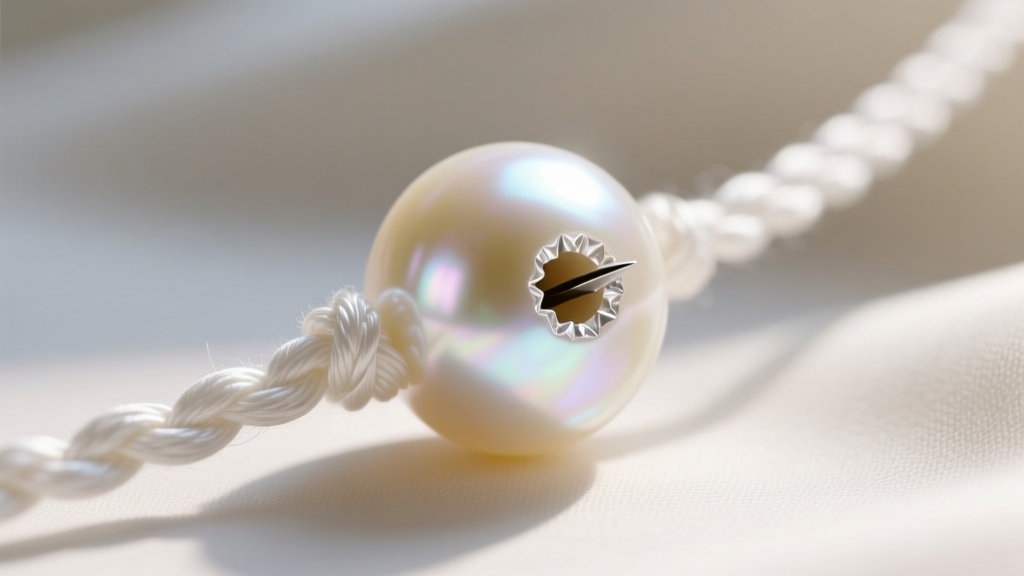
In a premium necklace, the drill holes should be perfectly centered, measuring between 0.6mm and 0.8mm in diameter. The stringing architecture must utilize 100% silk thread with individual hand-tied knots between every single pearl. This prevents pearl-on-pearl abrasion, which can dull the nacre over time, and ensures that if the strand breaks, you lose only one pearl. For the earrings, the drill hole depth must be precisely measured so that the pearl sits flush against the earring cup or post, leaving no visible gap or exposed adhesive. High-end setters use a two-part jeweler's epoxy rather than cyanoacrylate (super glue), which can degrade and yellow when exposed to UV light and skin oils.
2026 Market Pricing and Value Matrix
The pricing of a pearl earrings and necklace set is highly stratified based on the grading tiers. Below is a technical pricing matrix reflecting the 2026 market for perfectly matched, bead-nucleated sets with excellent luster and minimal surface blemishes (AAA to AAAA grades).
| Pearl Type | Size Range | Grade / Certification | Estimated Retail Price (USD) |
|---|---|---|---|
| Akoya (Japanese) | 7.0 - 8.0mm | AA+ / Hanadama Certified | $1,200 - $2,500 |
| Akoya (Japanese) | 8.5 - 9.5mm | AAA / Hanadama Certified | $3,000 - $5,500 |
| White South Sea | 10.0 - 12.0mm | AAA (Top 5% Harvest) | $6,500 - $14,000 |
| Tahitian (Dark) | 9.0 - 11.0mm | AAA (Peacock Overtone) | $3,500 - $8,000 |
| Edison Freshwater | 10.0 - 12.0mm | AAA (Metallic Luster) | $800 - $1,800 |
Note: Sets accompanied by independent gemological laboratory reports (such as the Pearl Science Laboratory in Japan for Hanadama certification) command a 15-20% premium but guarantee the nacre thickness and luster metrics.
How to Inspect Your Set Upon Arrival
When your pearl earrings and necklace set arrives, perform this rigorous four-step inspection protocol to verify the dealer's claims:
- The Roll Test: Lay the necklace on a perfectly flat, clean glass surface. Gently push the strand. A perfectly matched strand of round pearls will roll smoothly in a straight line. If the strand wobbles or veers, it contains off-round or oval pearls that were improperly sorted.
- The Overtone Match: Take the earrings and place them directly next to the center three pearls of the necklace. View them under both natural window light and warm indoor LED light. The overtone (the secondary color that appears to float over the body color) must shift identically in both lighting conditions. If the necklace shows a rose overtone but the earrings appear silver-green, the set is mismatched.
- The Loupe Inspection: Use a 10x jeweler's loupe to inspect the drill holes on the earrings. Look for concentric rings inside the hole, which indicate solid nacre. If you see a stark white line or a plastic-like texture immediately beneath the surface, the pearl may be heavily bleached or possess dangerously thin nacre over the bead nucleus.
- The Surface Blemish Audit: According to Pure Pearls, even AAA-grade pearls are allowed a 5% blemish rate. Inspect the pearls for pits, wrinkles, or chalky spots. Ensure that any minor blemishes are located near the drill holes where they are hidden by the earring cup or the necklace knots.
"A true pearl suite is not merely jewelry; it is a masterclass in agricultural patience and gemological sorting. The earrings must not just match the necklace; they must anchor the entire optical experience of the wearer."
By demanding transparency regarding nacre thickness, post gauges, and drill architecture, you elevate your purchase from a simple accessory acquisition to a verified gemological investment. Always prioritize optical matching and structural integrity over sheer size when selecting your definitive pearl set.


