Find the Right Earring Cleaning Solution for Your Metals
Discover the safest earring cleaning solution for gold, silver, titanium, and gemstones. Learn DIY recipes and commercial picks to restore shine.

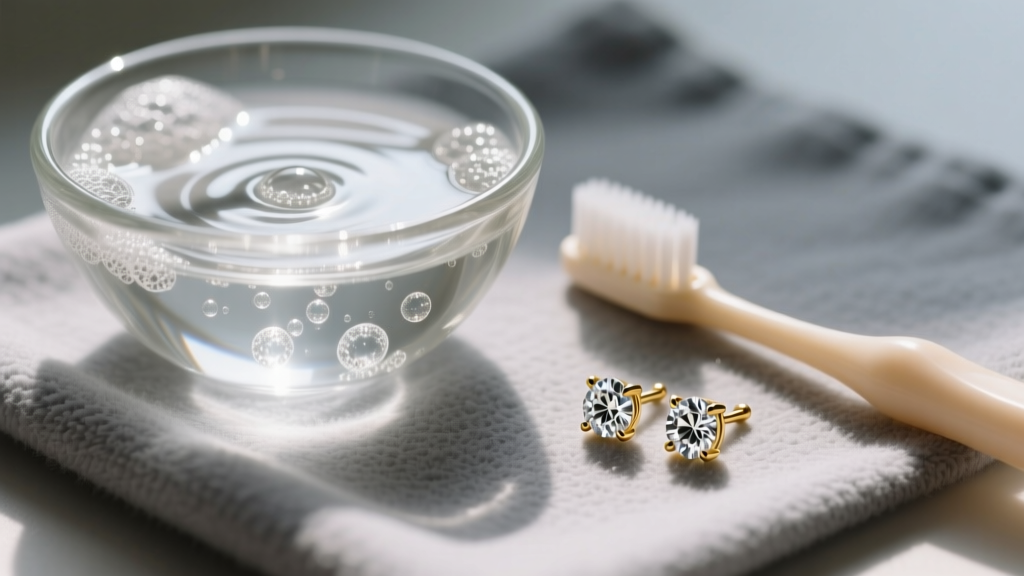
Whether you are wearing delicate 14k gold lobes or ASTM F-136 titanium cartilage barbells, maintaining your jewelry requires more than a quick wipe with a tissue. Sebum, dead skin cells, hair products, and environmental pollutants create a stubborn film that dulls metals and harbors bacteria. For beginners, navigating the aisle of jewelry care products can be overwhelming. Using the wrong earring cleaning solution can strip rhodium plating, cloud porous gemstones, or pit soft metals. This guide breaks down exactly which solutions to use, which to avoid, and how to safely restore your favorite pieces to their original brilliance.
Why Your Earrings Need a Specialized Cleaning Approach
Not all metals and gemstones are created equal. The Mohs scale of mineral hardness and the chemical reactivity of your jewelry dictate how it should be treated. For instance, 18k yellow gold is relatively soft and can be easily scratched by abrasive pastes, while 925 sterling silver is highly reactive to sulfur and moisture, leading to rapid tarnishing. Furthermore, cartilage jewelry like flat-back labrets features microscopic internal threads that trap debris, requiring a liquid solution that can penetrate tight crevices without leaving a residue.
Beginners often assume that anything labeled "jewelry cleaner" is universally safe. This is a costly mistake. Many commercial dips contain ammonia or harsh surfactants that will permanently damage organic gemstones or strip the protective oxidized finishes on artisan silver pieces.
Commercial vs. DIY Earring Cleaning Solution: What Works Best?
When selecting an earring cleaning solution, you generally have two routes: formulating a gentle DIY mixture at home or investing in a specialized commercial product. Both have distinct advantages depending on your jewelry's material.
The DIY Standard: pH-Neutral Soap and Distilled Water
For 90% of everyday jewelry—including solid gold, platinum, titanium, and surgical steel—the most effective and affordable earring cleaning solution is already in your kitchen. A pH-neutral, phosphate-free liquid dish soap (like Dawn) acts as a mild degreaser that breaks down body oils without attacking the metal.
- The Recipe: Mix 3 to 4 drops of mild dish soap into 1/2 cup of warm distilled water.
- Why Distilled? Tap water contains trace minerals like calcium and magnesium. When tap water evaporates off your jewelry, it leaves behind microscopic hard water spots that dull the shine of diamonds and polished metals.
Commercial Options: When to Spend $8 to $15
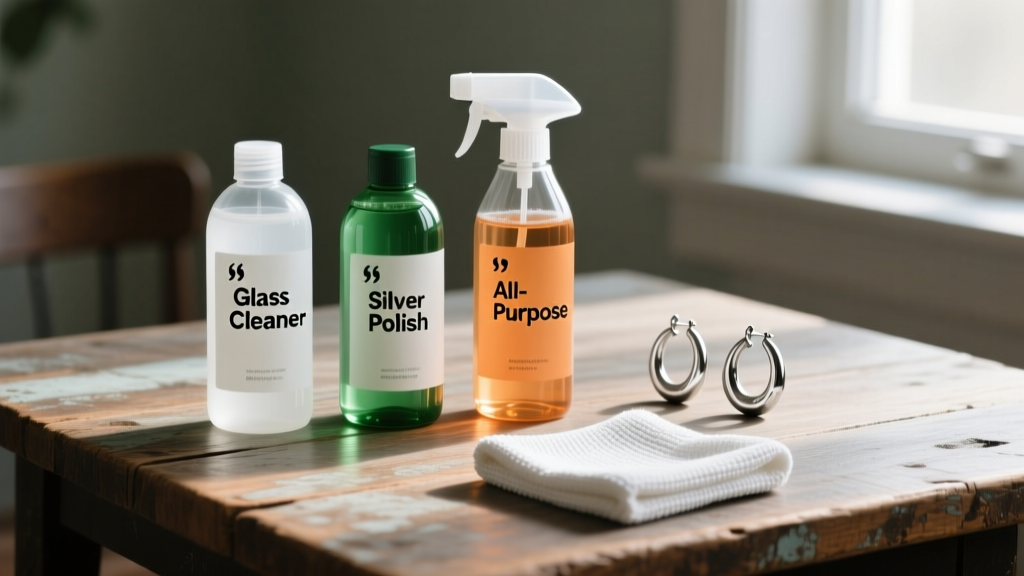
Commercial solutions are necessary when dealing with heavy silver tarnish or delicate porous stones that cannot be submerged in water. Products like Connoisseurs Delicate Jewelry Cleaner (typically $8 to $12) are ammonia-free and specifically formulated for soft stones. For heavy silver tarnish, a dedicated silver wash like Hagerty Silversmiths Wash ($10 to $14) contains gentle anti-tarnish agents that lift sulfur bonds without requiring aggressive rubbing.
The Master Compatibility Chart: Metals, Gemstones, and Solutions
Use this quick-reference table to ensure you never accidentally damage your jewelry with the wrong chemical compound.
| Material / Gemstone | Safe Earring Cleaning Solution | Strictly Avoid | Why It Matters |
|---|---|---|---|
| 14k & 18k Gold | Dish soap + distilled water | Chlorine, Bleach | Chlorine causes stress corrosion cracking in gold alloys. |
| Sterling Silver (925) | Silver-specific wash, polishing cloth | Rubber bands, salt water | Sulfur in rubber and salt accelerates severe black tarnish. |
| Implant Grade Titanium | Saline solution, mild soap | Alcohol, Hydrogen Peroxide | Alcohol can degrade O-rings and acrylic inlays in body jewelry. |
| Pearls & Opals | Damp microfiber cloth only | Ultrasonic cleaners, Ammonia | Ammonia strips the nacre; ultrasonics shatter the stone's structure. |
| Diamonds & Sapphires | Ammonia-based cleaners, soapy water | Heavy lotions, oils | Diamonds are lipophilic (oil-attracting) and require degreasing. |
Step-by-Step Cleaning Routine for Stubborn Buildup
For standard gold, platinum, and diamond earrings, follow this expert-approved routine to safely remove sebum and cosmetic buildup.
- The Soak: Submerge your earrings in your warm soapy water solution for 15 to 20 minutes. This softens hardened lotions and dead skin cells trapped behind the earring post.
- The Agitation: Using an extra-soft baby toothbrush, gently brush the jewelry. Pay special attention to the basket setting behind diamonds and the friction grooves on earring posts. Never use a standard adult toothbrush; the bristles are stiff enough to leave micro-scratches on high-polish 18k gold.
- The Rinse: Rinse the earrings under a gentle stream of warm distilled water. Ensure your sink drain is securely plugged or use a small mesh strainer to prevent losing a loose stone.
- The Dry: Pat dry with a lint-free microfiber cloth. Avoid paper towels entirely, as they are made of wood pulp and will leave tiny, visible scratches on polished metals.
Common Beginner Mistakes That Ruin Jewelry
Even with the best intentions, beginners frequently rely on internet hacks that cause irreversible damage. Here are the most critical failure modes to avoid:
The Toothpaste Myth
Using toothpaste to scrub silver or gold is a pervasive and destructive myth. Toothpaste contains silica and baking soda, which rank high enough on the Mohs scale to act as an abrasive sandpaper. This will permanently frost the mirror finish of your metals and scratch softer gemstones.
Ultrasonic Cleaners and Fracture-Filled Stones
While ultrasonic cleaners use high-frequency sound waves to blast dirt out of settings, they are notorious for shattering emeralds, opals, and tanzanite. According to the Gemological Institute of America (GIA), ultrasonic vibrations can also shake loose stones from worn prong settings. If your earrings have pave diamonds or organic gems, stick to manual soaking.
Ignoring the Earring Backs
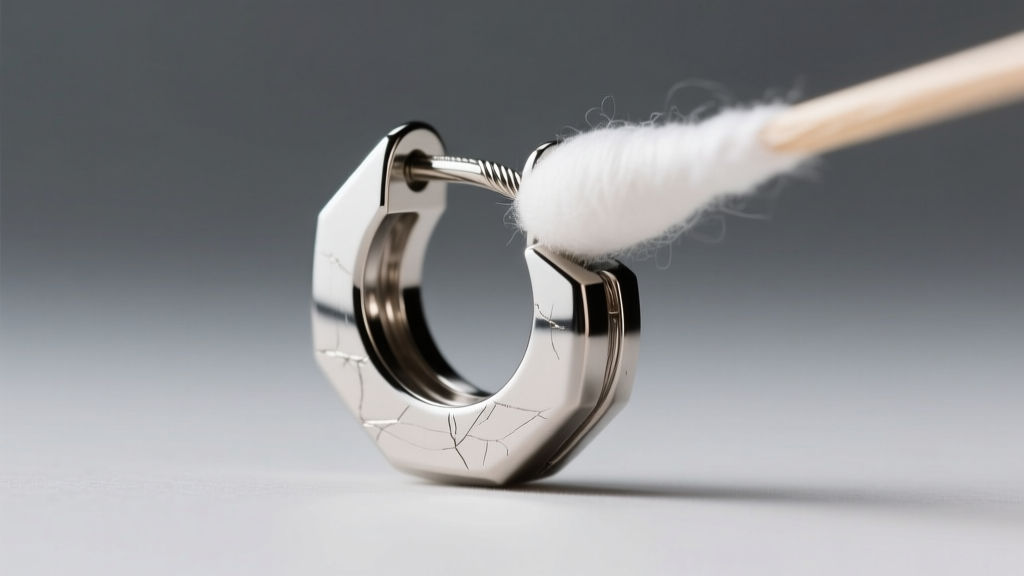
The earring post and the friction back (or "butterfly" clutch) are the primary culprits for ear irritation and infection. The tiny hole in the center of the clutch traps moisture and bacteria. Always remove the backs and soak them separately in your soapy solution, using a cotton swab to clean the interior channel.
Caring for Fresh Piercings and Body Jewelry
If you are cleaning earrings for unhealed or recently stretched cartilage piercings, the rules change entirely. You are not just cleaning jewelry; you are managing an open wound. The Association of Professional Piercers (APP) strictly recommends using only sterile 0.9% sodium chloride saline spray for fresh piercings. Do not use tea tree oil, rubbing alcohol, or DIY soap mixtures on healing tissue, as these disrupt the cellular healing matrix and cause contact dermatitis. Once the piercing is fully healed (typically 6 to 12 months for cartilage), you can transition to the mild dish soap method outlined above.
Expert Tip: If you wear white gold earrings, remember that they are rhodium-plated. Frequent cleaning with harsh chemicals or abrasive cloths will wear away the plating faster, requiring expensive re-dipping by a jeweler. Stick to gentle soapy soaks and air-drying to preserve the rhodium layer.
Frequently Asked Questions
How often should I clean my everyday stud earrings?
For everyday diamond or gold studs worn in healed lobes, a quick soak and brush every two weeks is sufficient to maintain brilliance and prevent sebum buildup. If you wear them in the shower or apply heavy hair products daily, clean them weekly.
Can I use rubbing alcohol to sanitize my earrings?
While 70% isopropyl alcohol is an excellent sanitizer for solid steel and titanium body jewelry, it should never be used on pearls, opals, emeralds, or plated jewelry. Alcohol strips the natural moisture from organic gems, causing them to crack and craze over time.
My silver earrings turned black; is the cleaning solution broken?
No, your silver has simply oxidized due to exposure to sulfur in the air or your skin's natural chemistry. A standard soapy earring cleaning solution will not remove heavy black tarnish. You will need a dedicated silver dip or a professional polishing cloth infused with anti-tarnish compounds to lift the oxidation safely.


