Polymer vs Ceramic: Choosing the Best Earrings with Clay
Compare polymer, ceramic, and air-dry materials for handmade earrings with clay. Learn about weight, durability, sealing, and lobe safety.

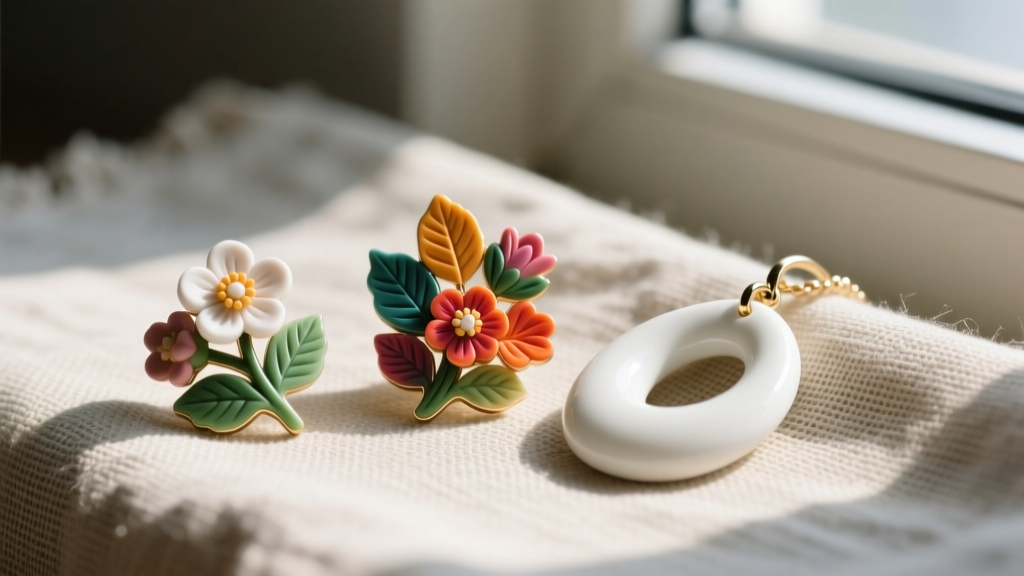
The Material Science of Handmade Clay Earrings
As we navigate the artisan jewelry landscape in 2026, the demand for bespoke, handcrafted accessories has never been higher. Among the most popular mediums are handmade earrings with clay, offering limitless color palettes and sculptural possibilities. However, not all clays are created equal. The structural integrity, weight, and dermatological safety of your earrings depend entirely on the chemical composition of the clay you choose. Whether you are an artisan scaling your small business or a collector seeking durable statement pieces, understanding the material properties of polymer, ceramic, and air-dry clays is non-negotiable.
This comprehensive guide breaks down the exact densities, curing requirements, and hardware compatibility for the three primary clay mediums used in jewelry design, ensuring your creations are as durable as they are beautiful.
Polymer Clay: The Lightweight Champion
Polymer clay is the undisputed king of the indie jewelry market. Despite its name, it contains no actual clay minerals; it is a modeling compound based on polyvinyl chloride (PVC) resin suspended in a plasticizer base. When heated, the PVC particles fuse into a flexible, durable plastic.
Density, Curing, and Flexibility
The primary advantage of polymer clay for earrings is its low density, typically hovering around 1.2 g/cm³. This allows artisans to create oversized, architectural dangles that remain featherlight on the earlobe. Brands like Sculpey offer specialized jewelry lines (such as Premo) that cure at a low 275°F (135°C). Proper curing is critical: underbaking leaves the plasticizers unfused, resulting in brittle earrings that snap under minor tension, while overbaking can scorch the material and release toxic hydrochloric gas.
Hardware Embedding and Failure Modes
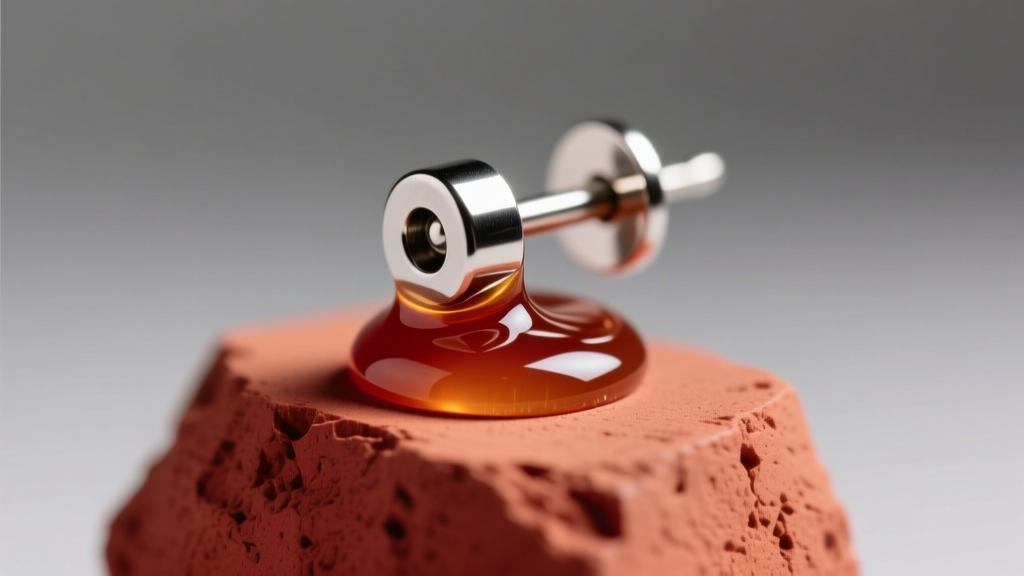
Because polymer clay is essentially plastic, you can embed hardware directly into the raw material before baking. However, the most common failure mode in polymer earrings is the earring post tearing through the clay hole. To prevent this, professionals use liquid clay adhesives (like Sculpey Bake & Bond) and create a physical 'T' or loop at the end of the wire post to anchor it mechanically within the clay body.
Ceramic and Porcelain: The Kiln-Fired Alternative
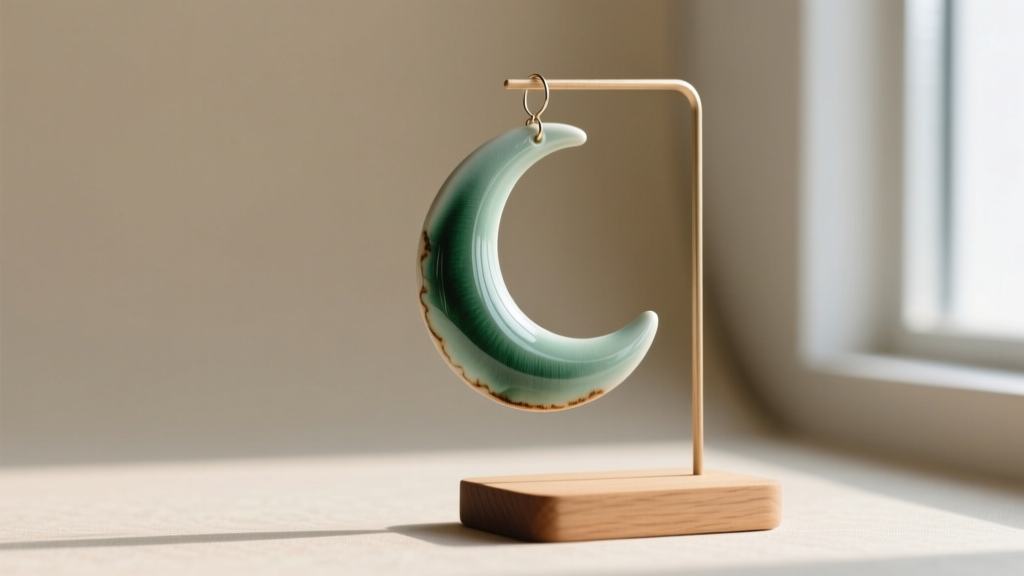
For jewelers seeking a premium, high-end finish, ceramic and porcelain clays offer unmatched longevity and a beautiful, vitrified surface. Unlike polymer, ceramic clay is composed of natural silicate minerals and requires firing in a kiln at temperatures exceeding 2,200°F (Cone 6 to Cone 10).
The Weight Challenge and Lobe Health
The most significant hurdle when crafting ceramic earrings is weight. Fired stoneware has a density of approximately 2.4 g/cm³—double that of polymer clay. According to dermatological guidelines, wearing earrings heavier than 15 grams per lobe for extended periods can lead to earlobe ptosis (stretching and tearing of the piercing fistula). Therefore, ceramic clay is best reserved for small studs, huggies, or highly hollowed-out geometric forms. If you are designing a solid ceramic dangle earring, keeping the dimensions under 1.5 inches in length is crucial for wearer comfort.
Shrinkage and Post Attachment
Ceramic clays shrink between 10% and 13% during the firing process, which makes precision sizing difficult. Furthermore, you cannot bake metal posts into ceramic clay; the heat will ruin the metal's temper and potentially melt lower-grade alloys. Instead, Ceramic Arts Network experts recommend firing the clay with a small pilot hole, then using a diamond-tipped burr bit to clean the hole post-firing. The hardware is then secured using a two-part jeweler's epoxy.
Air-Dry Clay: A Warning for Jewelers
Air-dry clays (often cellulose or resin-based) are incredibly accessible and require no kiln or oven. However, from a professional jewelry-making standpoint, they are highly problematic. Air-dry clay remains water-soluble even after hardening. If a wearer gets caught in the rain or sweats heavily, the structural integrity of the earring will rapidly degrade. While some hobbyists attempt to waterproof air-dry clay with heavy coats of UV resin, the core material remains fragile and prone to shattering upon impact. For heirloom-quality earrings with clay, air-dry mediums should be strictly avoided.
Material Comparison Matrix
Use the table below to compare the physical properties of these mediums at a glance when planning your next jewelry collection.
| Material | Base Composition | Curing Method | Density (g/cm³) | Water Resistance | Best Earring Type |
|---|---|---|---|---|---|
| Polymer Clay | PVC Resin & Plasticizers | Home Oven (275°F) | ~1.2 | High (Inherent) | Large Dangles, Botanical Studs |
| Stoneware | Natural Silicates | Kiln (2200°F+) | ~2.4 | High (When Glazed) | Small Studs, Ear Cuffs |
| Porcelain | Kaolin Clay | Kiln (2350°F+) | ~2.3 | High (Vitrified) | Delicate Huggies, Inlay Work |
| Air-Dry | Cellulose/Resin | Evaporation (Room Temp) | ~0.8 | None (Porous) | Not Recommended for Jewelry |
The Adhesive Myth: Why E6000 Fails Polymer Clay
One of the most pervasive and damaging myths in the 2026 artisan jewelry community is the use of E6000 industrial adhesive for attaching metal posts to polymer clay. E6000 contains harsh solvents that actively break down the PVC plasticizers in polymer clay over time. An earring that feels secure on day one will often become gummy and eventually detach after a few months of wear.
For polymer clay, always use UV-curing resin or a specialized cyanoacrylate (super glue) formulated with a rubber toughener. For ceramic and porcelain earrings, a two-part clear epoxy (such as Devcon 5-Minute Epoxy) provides the sheer-strength bond necessary to hold metal against a glazed silicate surface. When sourcing hypoallergenic hardware, Rio Grande remains the industry standard for Grade 23 titanium (Ti-6Al-4V ELI) and 14k gold-filled posts, which are essential for preventing contact dermatitis in freshly pierced or sensitive ears.
Gauge Sizes and Post Thickness
The thickness of your earring post (gauge) must align with your clay medium. Standard ear piercings are typically 20-gauge (0.81mm) or 18-gauge (1.02mm). When working with polymer clay, using a thicker 18-gauge post provides a larger surface area for the liquid clay adhesive to grip, reducing the risk of the post twisting and snapping the clay seal. For ceramic studs, an 18-gauge post is also preferred, as the epoxy requires a slightly wider hole to ensure adequate adhesive pooling without squeezing out onto the visible face of the earring.
Final Verdict: Which Clay Should You Choose?
The decision ultimately comes down to your design aesthetic and production capabilities. If your brand focuses on bold, colorful, oversized statement pieces, polymer clay is the only viable option due to its lightweight nature and flexibility. If your aesthetic leans toward minimalist, earthy, and premium heirloom pieces, the weight and permanence of kiln-fired ceramic or porcelain are unmatched. By respecting the unique chemical and physical properties of each medium, you can craft earrings with clay that are not only visually stunning but structurally engineered to last a lifetime.


