How to Authenticate Vintage Haskell Earrings: 2026 Guide
Learn how to authenticate vintage Haskell earrings with our step-by-step 2026 guide. Discover markings, Russian gold traits, and current market values.

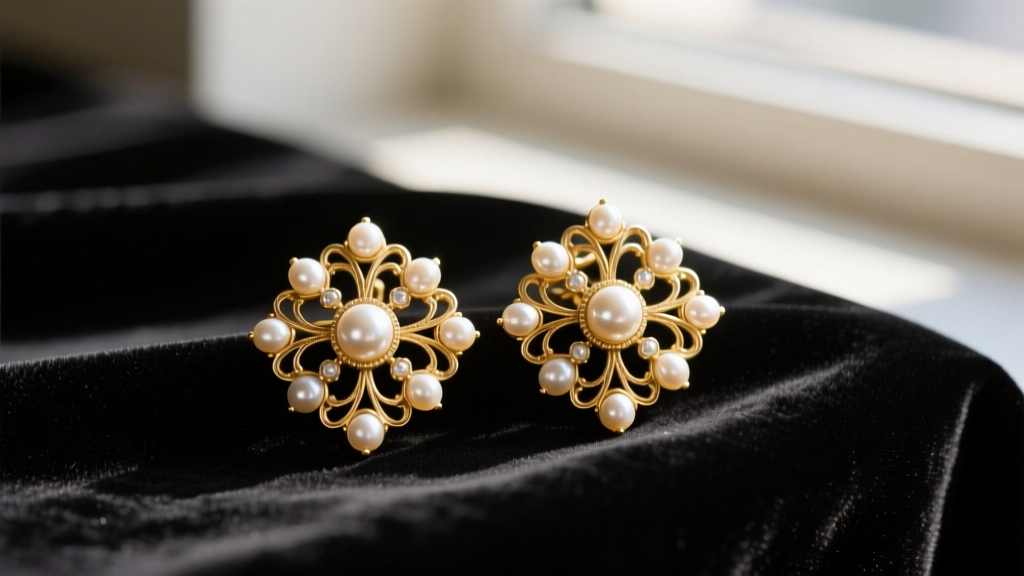
The Enduring Allure of Miriam Haskell Ear Adornments
In the 2026 vintage jewelry market, archival costume pieces have transcended mere accessories to become highly sought-after collectible assets. Among the most coveted are vintage Haskell earrings. Founded in 1926, the House of Miriam Haskell revolutionized American costume jewelry by treating faux materials with the same reverence as fine jewelry. Haskell earrings are renowned for their intricate hand-wired filigree, signature "Russian gold" finish, and luxurious glass seed pearls. However, their high market value—often ranging from $150 to over $1,000 for rare early pieces—has led to a proliferation of counterfeits and misattributed lookalikes. Whether you are sourcing from estate sales or online auction houses, knowing how to properly authenticate Haskell earrings is a critical skill for any serious collector or vintage stylist.
Step 1: Inspecting the Russian Gold Filigree Base
The foundation of almost all vintage Haskell earrings is the metalwork. Haskell did not use standard gold plating; instead, the brand utilized a proprietary finish known in the industry as "Russian gold." Despite the name, this finish was developed in the United States. It consists of a 24-karat gold wash applied over a brass base, sometimes with a copper or nickel underplate in later decades.
Visual and Tactile Indicators
Authentic Russian gold has a distinct, soft, matte appearance. It lacks the high-shine, mirror-like reflectivity of modern electroplated gold. The hue leans slightly brassy or antique-yellow rather than bright yellow or rose. When examining the filigree stampings and hand-wired rosettes, look for the following:
- Hand-Wired Wraps: Early Haskell artisans used 24- to 26-gauge brass wire to hand-wrap seed pearls and beads onto the filigree backs. Look for slight irregularities in the wire wrapping. Perfectly uniform, machine-stamped wire loops are a red flag for mid-century mass-produced imitations.
- Patina and Wear: Because the gold is a wash rather than a thick electroplate, authentic vintage pieces often show gentle wear on the high points of the filigree, revealing the brass underneath. However, the brass should not exhibit the green, flaky corrosion seen on cheap base metals; it ages to a rich, dark brown patina.
- Weight and Gauge: Haskell used substantial brass stampings for the base plates of their ear clips. The metal should feel rigid and have a satisfying heft, never flimsy or easily bendable.
Step 2: Analyzing the Seed Pearls and Beads
Miriam Haskell’s designs heavily featured faux pearls, specifically high-quality glass seed pearls. According to archival records documented by Invaluable, Haskell sourced premium glass pearls from Japan and occasionally utilized Majorica pearls from Spain. Differentiating these from modern plastic or low-grade glass beads is a vital authentication step.
The Pearl Authentication Protocol
- The Luster Test: Authentic Haskell glass pearls possess a deep, luminescent glow that seems to come from within the bead, rather than sitting on the surface. The coating should be incredibly smooth.
- The Tooth Test: While natural pearls feel gritty against the edge of your teeth, high-end vintage glass pearls will feel completely smooth. If the pearls feel gritty, they may be real freshwater pearls (which Haskell rarely used for standard seed pearl clusters) or modern synthetic composites.
- Inspecting the Drill Holes: Use a 10x jeweler's loupe to examine the drill holes of the seed pearls. Authentic vintage glass pearls will show clean, sharp holes. If you see peeling, chipping, or a plasticky rim around the hole, the pearls are likely modern acrylic replacements or inferior vintage imitations.
- Rocaille and Bugle Beads: Alongside pearls, Haskell frequently used Japanese glass rocaille (seed) beads and bugle beads. These should have a consistent, vibrant color with no mold lines, which are indicative of cheap, mass-produced plastic beads.
Step 3: Decoding Ear Findings and Hallmarks
The most definitive way to date and authenticate Haskell earrings is by examining the ear findings (the clips or wires) and the presence—or absence—of hallmarks. As detailed by the experts at Collectors Weekly, the evolution of Haskell's markings is a precise timeline.
The Hallmark Timeline
| Era | Hallmark Status | Typical Ear Findings | 2026 Market Value Range |
|---|---|---|---|
| 1926 – Early 1940s | Unmarked | Simple U-clips, screw-backs, soldered filigree pads | $350 – $900+ |
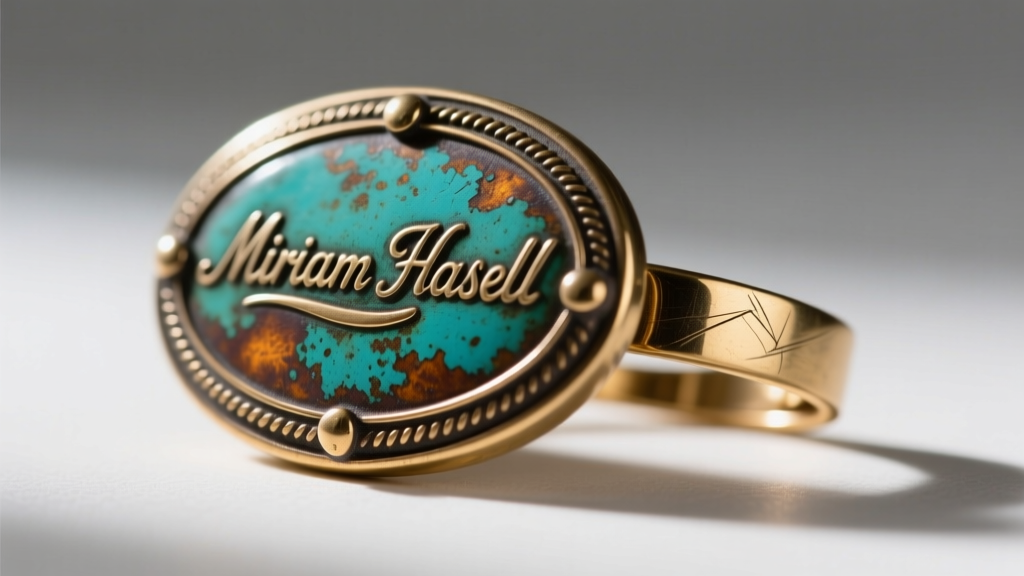
| Late 1940s – 1950s | Oval Plaque: "Miriam Haskell" | Paddle-back clips, riveted plaques | $200 – $500 |
| 1960s – 1970s | Script Signature / Hang Tags | Standard omega clips, post-and-clutch | $120 – $300 |
| 1980s – Present | Modern Stamped Marks | Standard post, modern hinged clips | $75 – $150 |
Crucial Finding Details
For unmarked 1930s pieces, authentication relies heavily on the construction of the ear clip. Haskell frequently used a distinctive "paddle-back" or a wide, flat U-clip. The filigree pad was often soldered directly to the clip mechanism using lead-free solder, leaving a slightly messy, hand-finished blob on the reverse side. Modern fakes often use glue or perfectly machine-soldered joints. Furthermore, early screw-back earrings will feature a flat, stamped brass pad rather than the rounded, comfortable silicone or plastic pads seen on modern screw-backs.
Step 4: Safe Cleaning and Preservation Protocol
Once you have authenticated your Haskell earrings, proper care is essential to preserve both the Russian gold finish and the delicate pearlescent coatings. Never use ultrasonic cleaners, silver dip, or ammonia-based jewelry cleaners. These will instantly strip the 24k gold wash and cloud the glass pearls.
Step-by-Step Restoration Guide
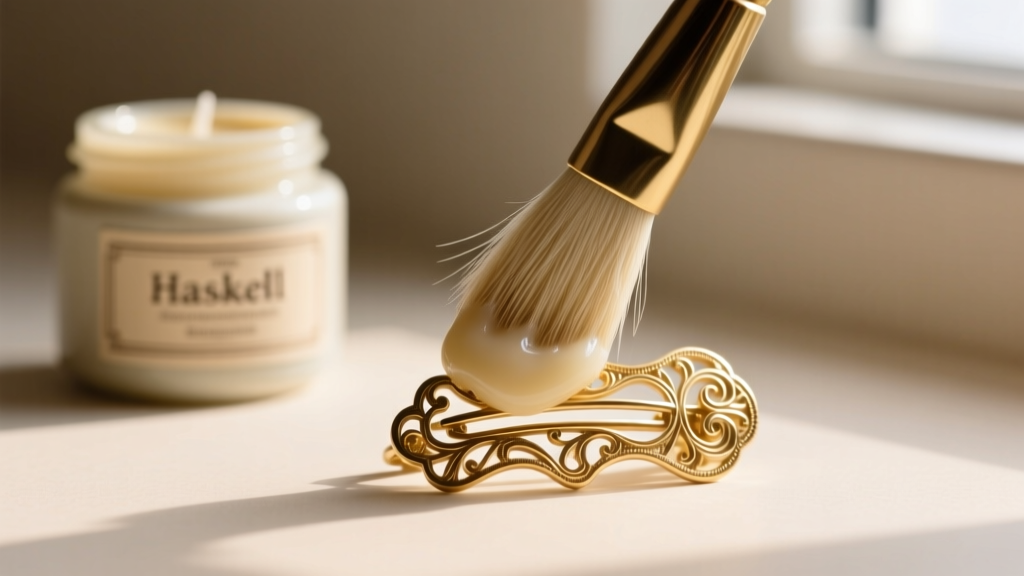
- Dust Removal: Use a clean, ultra-soft horsehair brush or a cosmetic blending brush to gently sweep away dust from the intricate filigree wire wraps.
- Spot Cleaning: If the brass base has accumulated grime, dampen a cotton swab with distilled water and a microscopic drop of pH-neutral dish soap. Carefully swab only the metal, avoiding the pearls and beads entirely.
- Drying: Immediately dry the metal with a lint-free microfiber cloth. Moisture trapped between the wire wraps and the brass base plate will cause the brass to oxidize and swell, potentially snapping the delicate wire wraps.
- Sealing the Finish: To protect the Russian gold from the natural oils and acidity of the skin, apply a microscopic layer of museum-grade microcrystalline wax (such as Renaissance Wax) using a soft cloth. Buff gently to a soft, matte sheen. This creates a breathable barrier that halts further tarnishing without altering the historic patina.
Sourcing Authentic Pieces in the Modern Market
As we navigate the 2026 jewelry landscape, the most reliable sources for authentic Haskell earrings remain specialized vintage dealers, vetted platforms like RubyLane, and high-end auction houses. When purchasing online, always request high-resolution macro photos of the reverse side of the earrings. A reputable seller will readily provide clear images of the ear clip mechanism, the solder joints, and the wire wrapping. By combining a meticulous physical inspection with a deep understanding of Haskell's historical manufacturing techniques, you can confidently build a collection of authentic, investment-grade vintage earrings that honor the legendary craftsmanship of the Miriam Haskell atelier.


