How to Make Polymer Clay Earrings Last: Care & Cleaning
Learn how to make polymer clay earrings last with expert cleaning, sealing, and storage tips. Protect your handmade jewelry from breakage.

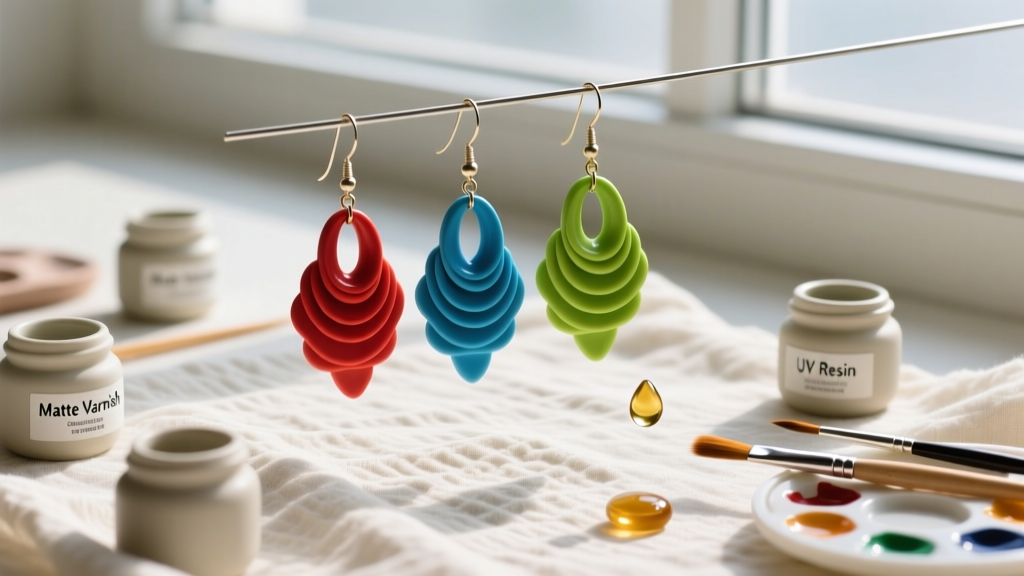
The Chemistry of Polymer Clay: Why It Needs Special Care
Understanding how to make polymer clay earrings is only the first step in your jewelry-making journey; knowing how to maintain them is what separates amateur crafters from professional artisans. Despite the word 'clay' in its name, polymer clay is not a natural earth clay. It is a synthetic modeling material primarily composed of polyvinyl chloride (PVC) particles suspended in a plasticizer base. This unique chemical composition gives the clay its incredible flexibility and vibrant color retention, but it also introduces specific vulnerabilities that require targeted care and maintenance.
The plasticizers in polymer clay are what keep the baked earrings slightly flexible, preventing them from shattering like ceramic or glass. However, these same plasticizers are highly reactive to certain solvents. Exposure to harsh chemicals, alcohol-based cosmetics, and acetone can extract the plasticizers from the PVC matrix. When this happens, the earrings will undergo a process called 'embrittlement,' turning once-durable jewelry into fragile pieces that snap under the slightest pressure. To ensure your handmade ear styling pieces survive daily wear, you must implement a rigorous sealing, cleaning, and storage protocol.
Sealing and Glazing: The First Line of Defense
While high-quality polymer clay brands like Sculpey and Fimo are durable straight out of the oven, applying a protective sealant is non-negotiable for earrings. Earrings are constantly exposed to the natural oils, sweat, and acidic pH levels of human skin, particularly around the sensitive earlobe and cartilage areas. A proper sealant acts as an impermeable barrier, locking in the clay's plasticizers while keeping out environmental contaminants.
Choosing the right sealant depends on your desired finish and the structural needs of the earring. Below is a comparison of the most reliable sealants used by professional polymer clay jewelers in 2026.
| Sealant Type | Best For | Finish | Cure Time | Durability |
|---|---|---|---|---|
| Water-Based Polyurethane (e.g., Varathane) | Everyday studs and lightweight dangles | Satin / Gloss | 24 hours | High (Flexible) |
| UV-Cured Jewelry Resin | Heavy statement pieces, edge protection | High Gloss | 2-4 mins (UV lamp) | Very High (Rigid) |
| Matte Spray Varnish (e.g., DuraClear) | Textured clay, mica powder finishes | Matte | 2 hours | Medium (Requires reapplication) |
When applying water-based polyurethanes, use a high-quality synthetic brush to avoid streak marks, and apply three thin coats rather than one thick coat. If you opt for UV resin, be cautious: applying a layer that is too thick can cause the resin to overheat during the curing process, potentially warping thin clay components.
Hardware and Adhesives: Preventing Structural Failure
The most common point of failure in handmade polymer clay earrings is not the clay itself, but the hardware attachment. According to jewelry fabrication guidelines from Fire Mountain Gems, the adhesive and post gauge you choose dictate the lifespan of the earring. Many beginners make the critical error of using cyanoacrylate (commonly known as Super Glue) to attach metal earring posts to baked clay. Cyanoacrylate dries incredibly hard and brittle. Because polymer clay retains a micro-flexibility, the rigid glue joint will eventually crack and pop off when the earring is bumped.
The Adhesive Hierarchy
- E6000 Jewelry Adhesive: The industry standard. It cures to a tough, flexible rubber that moves with the clay. Requires 24-72 hours for a full cure and proper ventilation during application.
- UV Resin: Excellent for creating a mechanical bond. If you score the back of the clay pad with sandpaper before applying UV resin and the metal post, the resin locks into the microscopic grooves, creating an almost unbreakable bond.
- Two-Part Epoxy: Best for heavy, oversized statement hoops where maximum sheer strength is required.
Post Gauge and Material Selection
For standard lobe piercings, a 20-gauge (0.8mm) post is standard. However, if you are designing heavy terrazzo dangles or large geometric hoops, you must upgrade to an 18-gauge (1.0mm) post to prevent the metal from bending under the clay's weight. Furthermore, always opt for titanium or surgical-grade stainless steel pads. Titanium is entirely nickel-free and hypoallergenic, preventing the green skin reactions and contact dermatitis that can ruin a customer's experience with your jewelry.
The Step-by-Step Cleaning Protocol
Even with a flawless sealant, polymer clay earrings will accumulate sebum, dead skin cells, and environmental dust. Cleaning them requires a gentle touch to avoid degrading the sealant layer or scratching metallic leaf accents.
- Prepare a Mild Solution: Mix a few drops of pH-neutral dish soap (like Dawn) into a bowl of lukewarm water. Never use hot water, as extreme heat can soften certain sealants.
- Soft Brush Agitation: Dip a baby-soft toothbrush or a dedicated makeup-cleaning brush into the solution. Gently scrub the crevices of the earring, paying special attention to the area where the clay meets the metal post.
- Rinse Quickly: Hold the earring under a gentle stream of cool tap water for no more than three seconds. Do not let polymer clay soak in water for extended periods, as moisture can seep into micro-cracks and degrade the adhesive bond.
- Microfiber Drying: Pat the earrings dry immediately with a lint-free microfiber cloth. Allow them to air dry completely on a paper towel for 15 minutes before storing.
Warning: Never place polymer clay earrings in an ultrasonic jewelry cleaner. The high-frequency cavitation bubbles created by ultrasonic waves can cause microscopic fault lines within the baked PVC structure, leading to catastrophic snapping weeks later.
Long-Term Storage: Avoiding Plasticizer Leaching
How you store your earrings when they are not being worn is just as critical as how you clean them. Polymer clay is susceptible to a phenomenon known as 'plasticizer migration.' If baked polymer clay is left resting directly against certain types of hard plastics, finished woods, or painted surfaces for long periods, the plasticizers will leach out of the clay and into the adjacent material. This leaves a permanent, sticky, melted residue on your storage boxes and leaves the clay earrings brittle and prone to cracking.
To prevent this, store your polymer clay creations in glass jewelry boxes, metal tins, or wrapped in acid-free archival tissue paper. If you must use plastic organizers, ensure they are made of polypropylene (PP), which is chemically inert and will not react with the PVC plasticizers. Additionally, keep your earrings out of direct, prolonged sunlight; while modern polymer clays are highly UV-resistant, prolonged exposure to intense heat and UV rays can still cause subtle color shifting in lighter pastel shades over several years.
Troubleshooting Common Polymer Clay Disasters
Even with meticulous care, accidents happen. Here is how to troubleshoot the most common issues faced by polymer clay earring wearers and makers:
- Makeup Stains on Unsealed Clay: If foundation or bronzer transfers onto an unsealed or poorly sealed clay surface, do not scrub with alcohol. Instead, apply a tiny drop of mineral oil or baby oil to a cotton swab and gently roll it over the stain. The oil lifts the cosmetic pigments without extracting the clay's plasticizers. Wipe clean with a soapy cloth afterward.
- Snapped Earring Posts: If a post breaks off, do not simply glue it back over the old adhesive. Use a Dremel tool or coarse sandpaper to grind away the old glue and create a fresh, textured divot in the clay. Clean the area with a dry brush, apply a fresh pad, and secure it with UV resin for a permanent fix.
- White Scuff Marks: Surface scuffs on dark-colored polymer clay can often be buffed out. Use a piece of brown kraft paper or a denim cloth and rub the scuff mark vigorously. The gentle friction polishes the surface without removing the sealant.
According to the polymer clay experts at Sculpey, ensuring your clay is baked at the exact manufacturer-recommended temperature for the full duration is the ultimate foundation for durable jewelry. Underbaked clay will always remain fragile, no matter how much sealant or high-grade adhesive you apply afterward.
Final Thoughts on Handmade Ear Styling
Mastering how to make polymer clay earrings last requires a shift in mindset from purely artistic creation to materials science. By understanding the chemical nature of PVC, selecting the correct flexible adhesives, and implementing a strict, solvent-free cleaning routine, you ensure that your handmade earrings remain vibrant, structurally sound, and comfortable for years. Whether you are crafting delicate floral studs or bold, architectural cartilage cuffs, proper maintenance is the hallmark of a true jewelry artisan.


