How to Remove a Stuck Earring Back: Safe, Budget-Friendly Fixes
Learn how to remove a stuck earring back safely without damaging fine jewelry. Compare DIY costs, tools, and professional repair values.

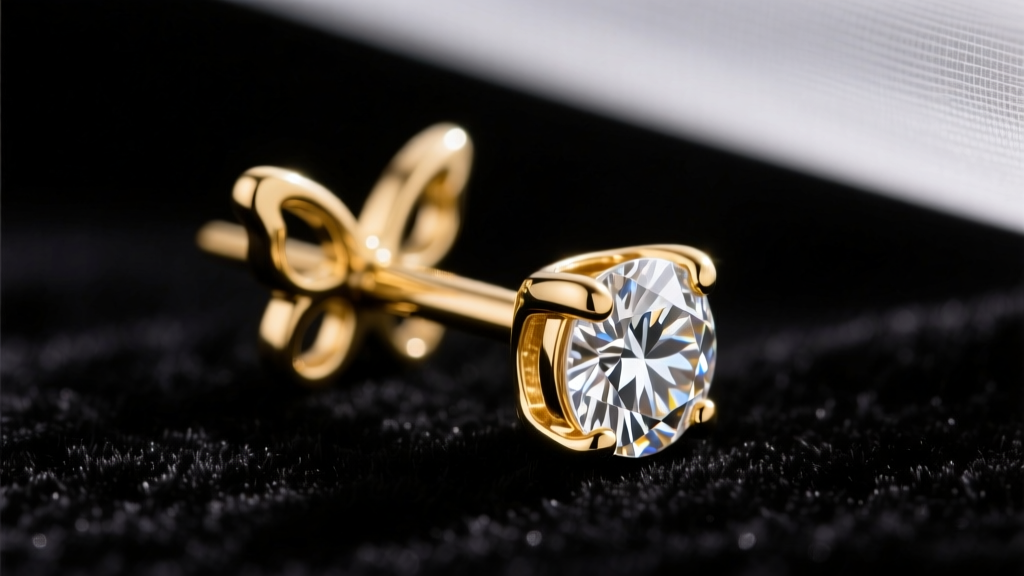
There are few jewelry emergencies quite as frustrating as realizing your earring is trapped on your earlobe. When you are trying to figure out how to remove a stuck earring back, the immediate instinct is to pull harder. However, from a budget and value assessment perspective, brute force is the most expensive mistake you can make. Yanking a friction back off a 20-gauge (0.81mm) or 18-gauge (1.02mm) precious metal post can easily bend the post, warp the setting, or snap the metal entirely. A laser welding repair to fix a snapped 14k gold post typically costs between $45 and $85—far more than the cost of a proper removal strategy.
In this guide, we evaluate the most effective, budget-friendly methods for safely removing stuck earring backs, helping you protect the financial and sentimental value of your jewelry collection.
The True Cost of a Stuck Earring Back: DIY vs. Professional Help
Before attempting any removal technique, you must assess the replacement value and structural fragility of the earring. A $15 brass fashion stud with a thick 18-gauge post can withstand aggressive DIY tactics. Conversely, a $3,000 diamond solitaire set in a delicate 4-prong platinum basket requires a highly calculated approach.
According to the Jewelers of America, improper handling of fine jewelry is a leading cause of prong damage and stone loss. If your earring features a micro-pave setting, an invisible setting, or a fragile gemstone like an opal or emerald, the cost of a professional jeweler's removal fee (usually $15 to $35) is a worthwhile insurance policy against a $200+ stone replacement bill.
Step-by-Step: How to Remove a Stuck Earring Back Safely
If you have determined that your earring is sturdy enough for home removal, follow these cost-effective, low-risk methods in sequential order. Always wash your hands and sanitize the earlobe with a gentle, alcohol-free cleanser before beginning.
1. The Rubber Glove Method (Cost: $0)
The most common reason a butterfly back feels "stuck" is simply a lack of friction against your skin. Oils from your fingers cause you to slip against the metal. Put on a pair of clean, powdered-free nitrile or latex medical gloves. The rubber provides immense grip. Hold the front of the earring stud firmly between the thumb and index finger of your non-dominant hand to stabilize the post. With your gloved dominant hand, grip the wings of the butterfly back and pull straight outward while wiggling it slightly side-to-side. This method costs nothing and carries zero risk of scratching precious metals.
2. The Lubrication Soak (Cost: <$2)
If the rubber glove method fails, the back is likely cemented by a buildup of sebum, dead skin cells, and oxidized metal. You need to break down this biological glue.
- For durable stones (Diamonds, Sapphires, Rubies): Soak a cotton swab in warm water mixed with a drop of mild, ammonia-free dish soap. Hold it against the back for 3 to 5 minutes to soften the debris.
- For porous stones (Pearls, Opals, Turquoise): Never use water or soap, as it can degrade the stone or loosen the adhesive in the setting. Instead, use a tiny drop of pure, inert mineral oil on a toothpick to lubricate the post groove. Avoid olive oil or coconut oil, which can turn rancid and cause future buildup.
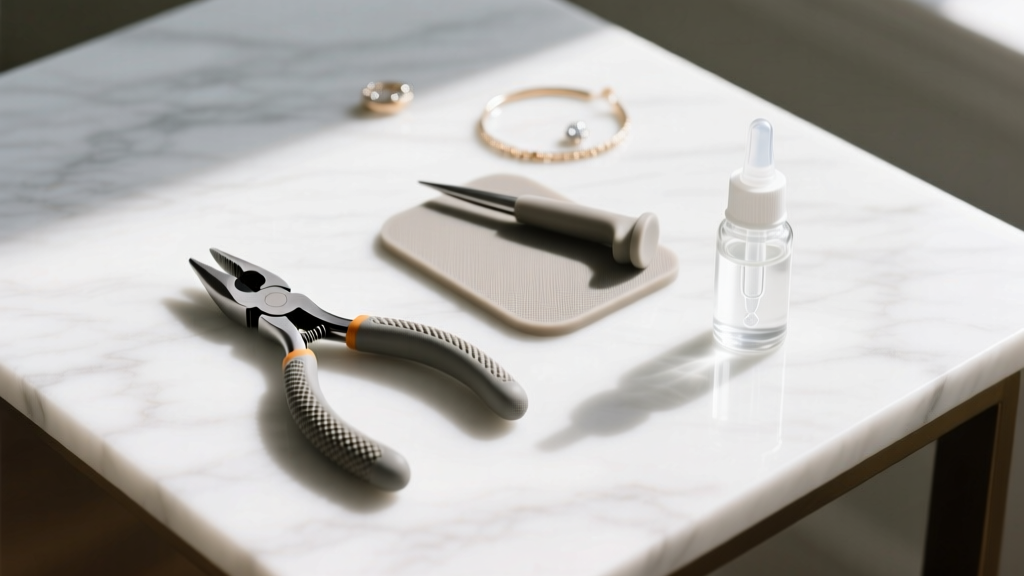
3. The Nylon-Jaw Pliers Technique (Cost: $8 - $15)
When manual grip and lubrication fail, you need mechanical leverage. Do not use standard steel needle-nose pliers from your garage toolbox; the hardened steel teeth will permanently gouge and scratch gold, silver, or platinum. Invest in a pair of nylon-jaw jewelry pliers (brands like EuroTool or BeadSmith offer them for under $15). The soft nylon pads grip the metal tightly without marring the finish. Stabilize the earring front, clamp the nylon jaws gently onto the butterfly back, and pull straight away from the earlobe.
The Chemistry of the "Stuck" Bond
Understanding why earring backs get stuck can help you assess the long-term value of your jewelry maintenance routine. The human body continuously sheds skin cells and produces sebum (oil). When this organic matter gets trapped in the tight crevices of a butterfly back's scrollwork, it acts as a binder.
Furthermore, galvanic corrosion can occur if your earring post and back are made of dissimilar metals. For example, if you pair a 14k yellow gold post with a sterling silver or brass butterfly back, the interaction between the two alloys, combined with the electrolytes in your sweat, can create a microscopic layer of oxidation that essentially fuses the metals together. To protect the value of fine gold or platinum earrings, always ensure the back is the exact same metal alloy as the post.
Tool Investment Guide: Budget vs. Premium Removal Methods
When building a budget-friendly jewelry care kit, it is vital to weigh the upfront cost of tools against the potential cost of ruining a valuable piece. Below is a value assessment of common removal methods.
| Method | Est. Cost | Risk to Metal | Best Earring Value |
|---|---|---|---|
| Rubber Glove Grip | $0 | Zero | Any ($10 - $5,000+) |
| Mineral Oil Soak | <$2 | Zero | Porous gems (Opals, Pearls) |
| Nylon-Jaw Pliers | $8 - $15 | Very Low | High-value metals (14k/18k Gold) |
| Metal Needle-Nose | $5 - $10 | High (Scratching) | Low-value fashion jewelry only |
| Professional Jeweler | $15 - $35 | Zero | Heirloom or high-carat diamonds |
Assessing Your Earring's Value: When to Stop and See a Jeweler
Knowing when to abandon a DIY approach is a critical component of jewelry value preservation. You should immediately stop your home removal attempts and visit a professional if:
- The post is bending: If you feel the metal post flexing under the pressure of your pliers, stop. Repeated bending causes metal fatigue, leading to a catastrophic snap.
- The earring features a tension setting: These settings rely on precise metal pressure to hold the stone. Torquing the post can alter the tension and cause the diamond to fall out.
- The earlobe is inflamed: If the area is red, swollen, or painful, you are no longer dealing with a simple jewelry issue, but a potential medical one. Seek professional help to avoid tearing the tissue.
Pro-Tip from the Bench: If you must take a stuck earring to a jeweler, do not attempt to "cut" the post off yourself with wire cutters. A clean, straight cut made by a jeweler's saw leaves enough post material to solder a new back on. A jagged cut from household wire cutters often destroys the entire setting, turning a $20 repair into a $150 custom reconstruction.
Preventative Maintenance: Budget Upgrades for Earring Backs
The most cost-effective way to deal with stuck earring backs is to eliminate standard butterfly friction backs entirely. Upgrading your earring backs is a high-value investment that protects your jewelry and your peace of mind. The Gemological Institute of America (GIA) frequently notes that secure settings and backs are fundamental to preserving the longevity of fine gems.
1. Silicone Stoppers (Budget Option: $5 for 20+)
For everyday wear and fashion jewelry, clear silicone friction stoppers are an excellent, low-cost alternative to metal butterfly backs. They do not harbor bacteria or skin cells in the same way metal scrollwork does, and they are easily replaced when they degrade. However, they are not recommended for heavy, high-value diamond drops.
2. Screw Backs (Mid-Tier Option: $25 - $40)
Screw backs feature a threaded post and a backing that screws into place. They completely eliminate the "stuck" issue caused by pushing a back on too tightly. While they require a custom-threaded post (meaning you usually have to buy the earring with this backing already installed), they offer incredible security for mid-range valuable pieces.
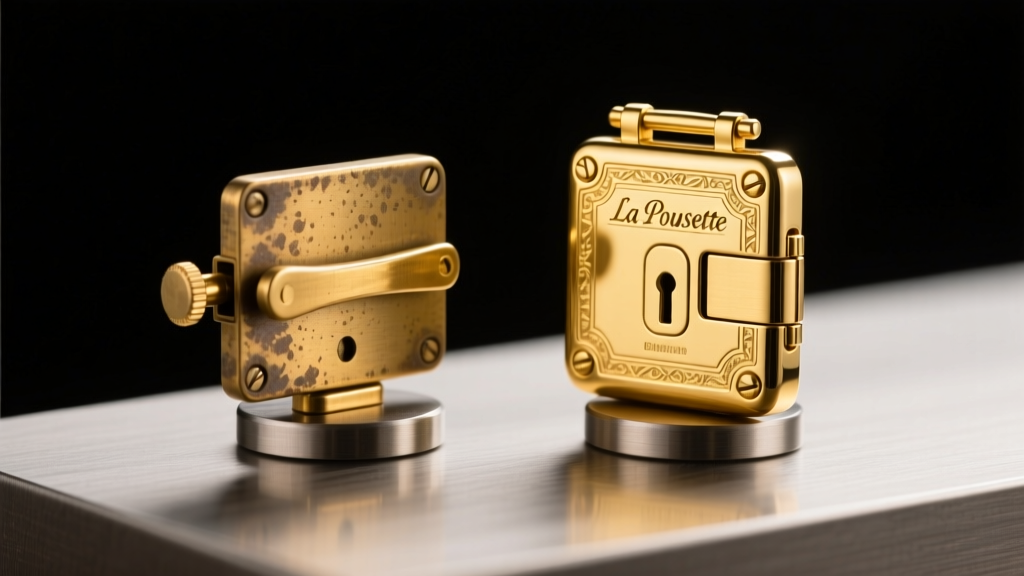
3. La Pousette Locking Backs (Premium Option: $45 - $60 per pair)
The gold standard for high-value diamond studs. La Pousette backs feature a mechanical locking mechanism with tiny springs that snap securely into a groove on the post. They cannot be pushed on too tightly, they will not fall off, and they are incredibly easy to remove with a simple pinch. While the upfront cost is high, protecting a $5,000 pair of diamond studs makes this a mandatory investment for serious collectors.
Final Thoughts on Earring Care Value
Figuring out how to remove a stuck earring back is ultimately an exercise in risk management. By utilizing zero-cost friction methods first, employing cheap but safe nylon tools second, and knowing when to defer to a professional, you ensure that your jewelry retains its structural integrity and financial value. Regular cleaning of your earring posts with a soft brush and mild soap will prevent the biological buildup that causes these issues in the first place, saving you time, money, and unnecessary panic.


