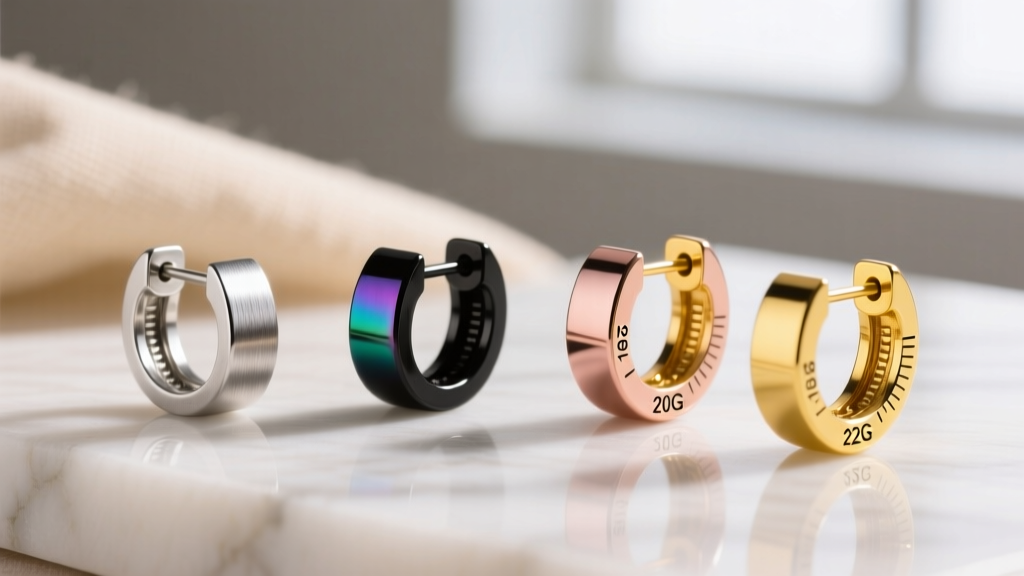
Step-by-Step Guide to Styling and Cleaning Gold and Silver Earrings
Learn how to expertly curate, clean, and store mixed-metal gold and silver earrings with our step-by-step guide to gauges, polishes, and ear stacks.

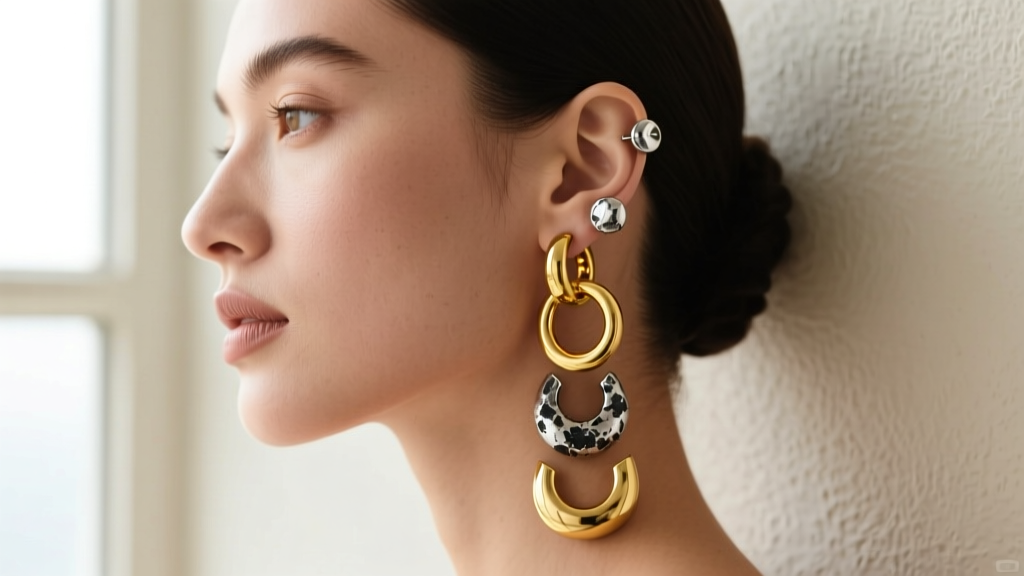
The mixed-metal aesthetic has completely dominated jewelry trends leading into 2026, breaking the outdated rule that you must strictly match your metals. Combining gold and silver earrings in a single curated ear stack creates a dynamic, textured look that feels both effortless and highly intentional. However, pairing these two distinct precious metals requires more than just an eye for design; it demands a solid understanding of metallurgy, gauge sizing, and chemical cleaning protocols.
If you simply throw your sterling silver huggies and 14k gold dangles into the same jewelry box or clean them with the same solutions, you risk irreversible damage. This comprehensive, step-by-step guide will teach you how to properly curate, clean, and preserve your mixed-metal ear collection.
The Metallurgy of Mixed-Metal Ear Stacks
Before you start piercing and stacking, you must understand the fundamental differences between the alloys used in fine jewelry. Pure 24k gold is too soft for daily wear, which is why it is alloyed with metals like copper, zinc, and silver to create 14k (58.5% pure gold) and 18k (75% pure gold). According to the Gemological Institute of America (GIA), the specific alloy mix dictates not only the color of the gold but also its Vickers hardness and tensile strength.
Silver, on the other hand, is primarily used in its sterling form (92.5% pure silver, 7.5% copper). The copper adds necessary structural integrity but introduces a major vulnerability: oxidation. When the copper in sterling silver reacts with sulfur in the air or on your skin, it creates silver sulfide—the black tarnish that plagues silver jewelry. Modern alternatives like Argentium silver (which replaces some copper with germanium) offer high tarnish resistance, making them excellent choices for mixed-metal stacks where maintenance is a concern.
Step 1: Curating Your Gold and Silver Earrings Layout
A successful mixed-metal ear stack relies on visual balance and structural safety. You cannot place heavy, large-diameter silver hoops on a delicate 20-gauge lobe piercing without risking migration or tearing. When mapping out your gold and silver earrings, follow the principle of 'grounding and ascending'.
Gauge Sizing and Alloy Hardness
Start with a heavier, visually grounding piece in the primary lobe piercing (usually 18g or 16g). If you are using a structurally demanding piece like a thick silver hoop or a heavy gold drop, ensure the metal hardness can support the weight without bending. 14k gold is significantly harder than 18k gold due to its higher alloy content, making 14k the superior choice for thin, structural cartilage hoops or clickers that require tension to stay closed.
| Metal / Alloy | Standard Stamp | Relative Hardness | Best Piercing Placement |
|---|---|---|---|
| 14k Yellow Gold | 14k or 585 | High (Ideal for tension) | Cartilage, Helix, Daith (16g-14g) |
| 18k Yellow Gold | 18k or 750 | Medium (Prone to scratching) | Standard Lobe Studs (20g-18g) |
| Sterling Silver | 925 | Medium-Soft (Bends easily) | Lobe Hoops, Huggies (18g-16g) |
| Argentium Silver | 935 or 960 | Medium (Highly resilient) | Threadless Ends, Cartilage Studs |
Step 2: The Two-Tone Cleaning Protocol
The most common mistake collectors make is using a universal jewelry dip for their entire collection. Never use silver dip on gold, and never use gold polishing cloths on oxidized silver. Silver dips contain thiourea, a chemical that strips tarnish but will leave a permanent, cloudy white film on yellow gold and can completely strip the rhodium plating off white gold. Conversely, the mild abrasives in a gold polishing cloth will rub away the intentional dark patina on oxidized silver pieces.
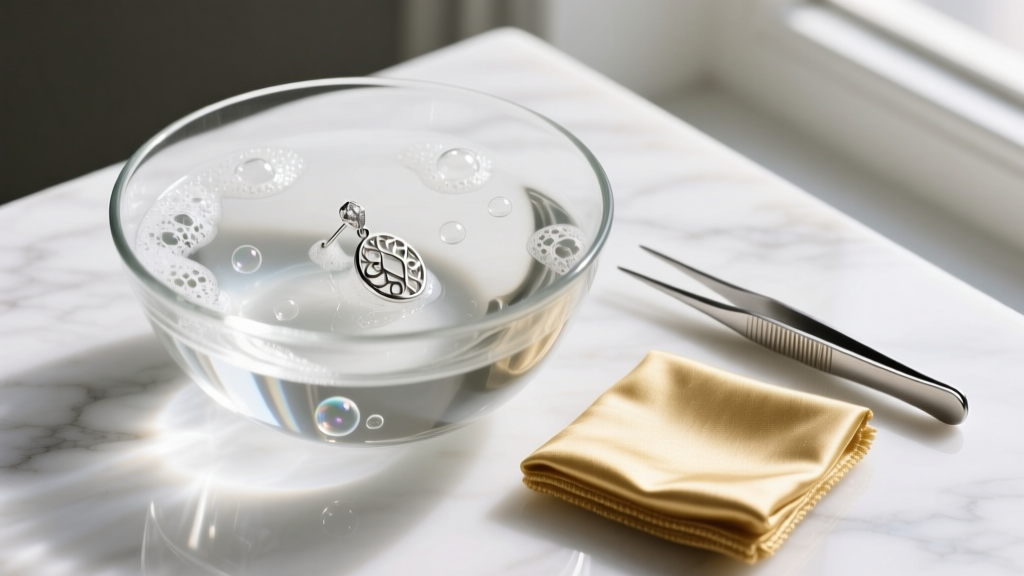
How to Clean Silver (The Redox Method)
For heavily tarnished silver earrings, skip the abrasive pastes and use a chemical reduction bath. This method reverses the oxidation without removing any silver from the piece.
- Line a glass bowl with aluminum foil, shiny side up.
- Place your silver earrings on the foil (they must touch the metal).
- Boil water and pour it into the bowl to cover the pieces.
- Add 1 tablespoon of baking soda and 1 tablespoon of sea salt. The resulting redox reaction transfers the sulfur from the silver to the aluminum foil.
- Let them sit for 3 to 5 minutes, then remove with plastic tweezers, rinse in distilled water, and pat dry with a microfiber cloth.
How to Clean Gold (The Surfactant Method)
Gold does not tarnish, but it accumulates sebum, dead skin cells, and lotion, which dulls its refractive brilliance. Mix a few drops of phosphate-free dish soap (like Dawn) into a bowl of warm water. Let your gold earrings soak for 15 minutes. Gently scrub the backs of the posts and the settings with a soft-bristled baby toothbrush. Rinse thoroughly and dry. Note: Never use ultrasonic cleaners on gold earrings set with emeralds, opals, or pearls, as the high-frequency vibrations will shatter these porous gems.
Step 3: Preventing Galvanic Corrosion in Storage
How you store your gold and silver earrings is just as critical as how you clean them. When two dissimilar metals (like gold and silver) come into physical contact in the presence of an electrolyte (such as ambient humidity or residual sweat), they form a galvanic cell. In this microscopic battery, the less noble metal—in this case, silver—acts as the anode and will corrode at an accelerated rate.
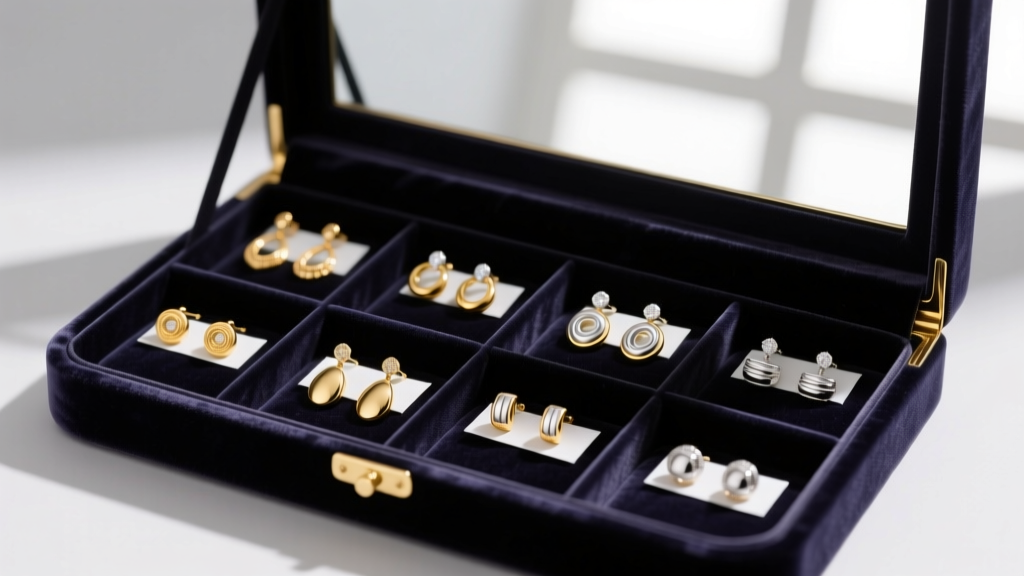
To prevent galvanic corrosion and cross-contamination of tarnish, you must store your metals separately. Invest in a jewelry box with individual, fabric-lined compartments. Place 3M anti-tarnish strips inside the silver compartments; these strips absorb airborne sulfur compounds before they can reach your jewelry. Keep your gold pieces in a separate drawer or pouch, away from direct sunlight and humidity.
Expert Troubleshooting: Common Mixed-Metal Failures
Even with meticulous care, wearing mixed metals can present unique challenges. Here is how to troubleshoot the most frequent issues encountered by collectors and piercers.
Issue 1: The 'Green Ear' Phenomenon
If your sterling silver or lower-karat gold earrings leave a green or black smudge on your earlobe, you are experiencing a reaction between the copper alloy in the metal and the acidic pH of your sweat. This is not an allergy, but a simple chemical reaction. The Fix: Wipe the earring posts with rubbing alcohol before wearing, and apply a microscopic layer of clear nail polish or a specialized jewelry barrier coating to the post to create a physical shield between the copper and your skin.
Issue 2: Contact Dermatitis and Nickel Sensitivities
While pure gold and silver are hypoallergenic, the alloys mixed into them can trigger severe contact dermatitis. The American Academy of Dermatology (AAD) notes that nickel is the most common culprit in jewelry allergies. Some white gold alloys and cheap silver solders contain nickel. The Fix: Always verify that your white gold is alloyed with palladium rather than nickel, or ensure it has a thick, intact rhodium flash. For silver, look for pieces stamped 'Nickel-Free' or opt for Argentium silver, which strictly avoids nickel in its formulation.
Pro Piercer Tip: If you are mixing metals in a single, unhealed cartilage piercing (like a conch or rook), always prioritize implant-grade titanium (ASTM F136) for the internal post. You can then safely attach either a 14k gold or sterling silver decorative front via a threadless or internally threaded connection, keeping the reactive metals away from the healing fistula.
Final Thoughts on Mixed-Metal Mastery
Curating a stack of gold and silver earrings is an exercise in personal expression, but maintaining it is an exercise in material science. By respecting the distinct hardness levels, chemical vulnerabilities, and storage requirements of each metal, you ensure that your ear stack remains as vibrant and structurally sound in 2026 as the day you first curated it. Treat your metals with the specific care they demand, and your mixed-metal aesthetic will effortlessly stand the test of time.