Hypoallergenic Findings for Earrings: Metal Properties
Compare the best hypoallergenic findings for earrings. Explore titanium, niobium, and gold properties, gauge sizes, and nickel-free standards.
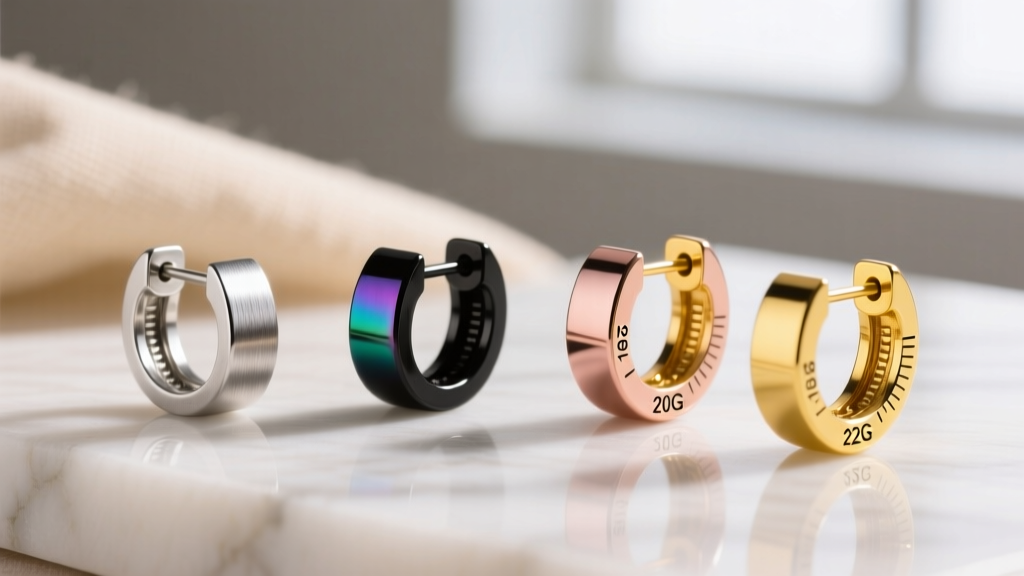
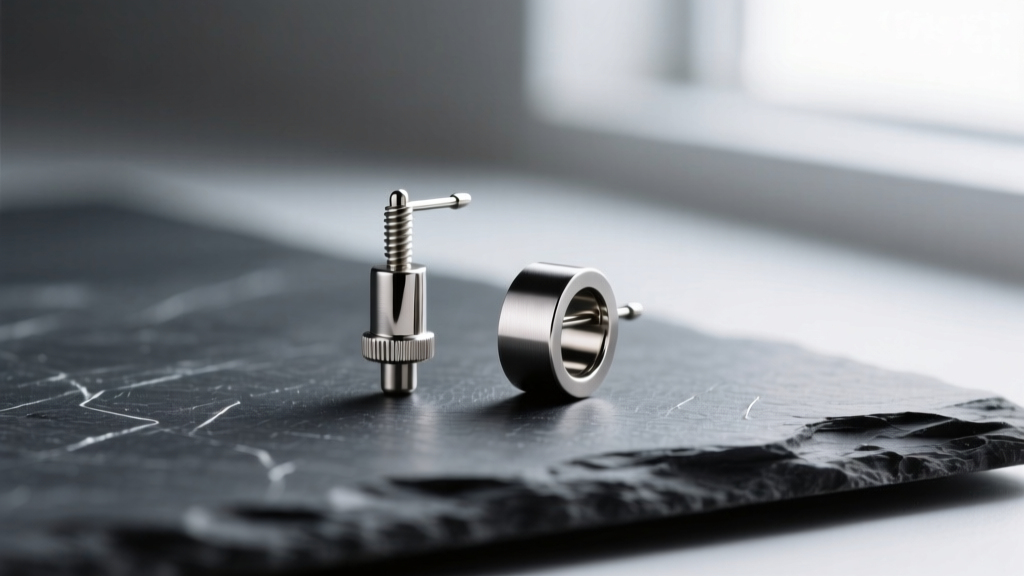
When designing or purchasing jewelry, the decorative elements often steal the spotlight, but the structural components dictate the wearer's comfort and safety. The findings for earrings—the posts, hooks, wires, clutches, and ear nuts—are the critical interface between the metal and the human body. For the estimated 15% to 20% of the global population with a nickel allergy, selecting the correct findings is not merely a design choice; it is a medical necessity.
In 2026, the jewelry industry faces stricter consumer demands for transparency regarding metal alloys and plating integrity. Cheap base metals masked by microscopic layers of rhodium or gold plating inevitably fail, exposing the wearer to allergenic compounds. This guide provides a deep-dive metallurgical comparison of the most reliable hypoallergenic findings for earrings, evaluating their tensile strength, corrosion resistance, and practical applications for both jewelry makers and sensitive-ear wearers.
The Dermatitis Dilemma: Decoding Nickel Release Rates
To understand why certain earring findings cause severe contact dermatitis, we must look at the Association of Professional Piercers (APP) guidelines and the European Union’s REACH regulations. The EU Nickel Directive strictly limits nickel release from post-assemblies intended for prolonged skin contact to less than 0.2 micrograms per square centimeter per week.
Many commercial "surgical steel" findings fail this test over time. Standard 316L stainless steel contains 8% to 12% nickel. While the chromium oxide layer on the surface initially traps the nickel, the acidic pH of human sweat, combined with the mechanical friction of inserting and removing the earring, degrades this passive layer. Once the matrix is compromised, nickel ions leach directly into the fistula (the piercing channel), triggering an immune response. Therefore, true hypoallergenic findings must either contain zero nickel or possess a metallurgical structure that permanently binds the nickel atoms, preventing ion migration.
Tier 1: The Implant-Grade Standards (Titanium & Niobium)
For fresh piercings, highly reactive ears, or high-end permanent jewelry, reactive metals are the undisputed champions of biocompatibility.
ASTM F136 Titanium (Ti-6Al-4V ELI)
Not all titanium is created equal. Commercially Pure (CP) titanium is soft and difficult to machine into complex clutch mechanisms. Instead, the industry standard for premium earring posts is ASTM F136, an alloy comprising 6% aluminum and 4% vanadium, processed with Extra Low Interstitial (ELI) elements.
- Yield Strength: Approximately 830 MPa, allowing for ultra-thin 20-gauge (0.81mm) or 22-gauge (0.64mm) posts that resist bending during insertion.
- Biocompatibility: The aluminum and vanadium are locked within a highly stable titanium dioxide (TiO2) surface layer, making it completely inert in the human body.
- Failure Mode: Titanium is notoriously difficult to polish to a mirror finish. If a manufacturer uses abrasive polishing compounds and fails to ultrasonically clean the findings, residual grit can cause mechanical irritation in the piercing channel.
Elemental Niobium
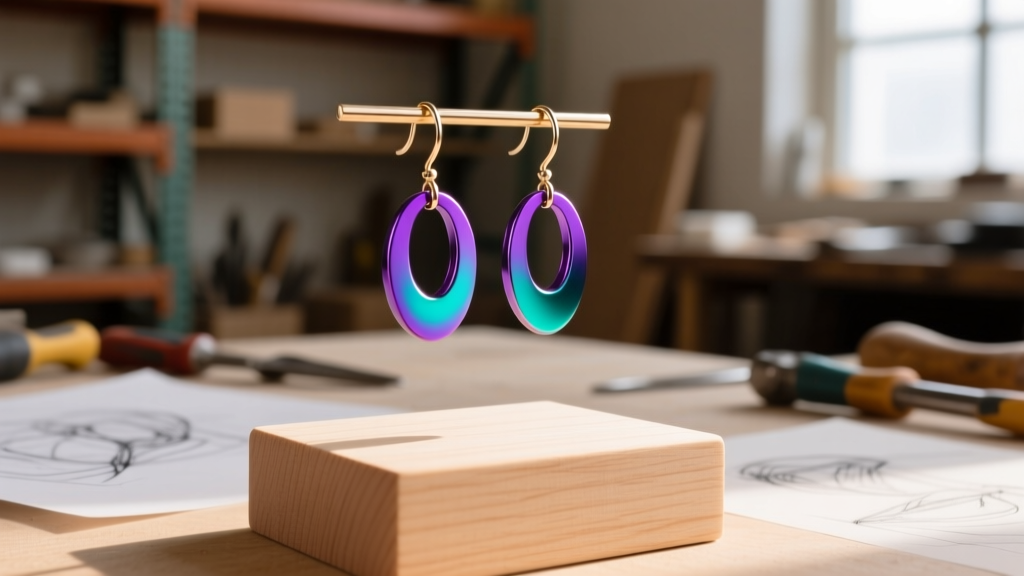
Niobium is an elemental metal, meaning it is not alloyed with other elements, eliminating the risk of hidden metallic allergens. It is highly favored by artisans for French hook ear wires and captive bead rings.
- Malleability: Niobium is exceptionally soft and dead-soft in its annealed state. While this makes it easy to bend and adjust, it lacks the tensile strength required for rigid stud posts or complex locking mechanisms.
- Anodizing: Unlike titanium, which requires high voltage and specific electrolytes, niobium anodizes brilliantly with simple voltage adjustments, allowing makers to create vibrant, non-toxic colored findings without using chemical dyes or plating.
Tier 2: Precious Metals & Alloy Realities
Precious metals carry inherent prestige and market value, but their alloying elements dictate their safety profile. According to comprehensive metallurgical data from suppliers like Rio Grande, the karat and color of gold drastically alter its hypoallergenic properties.
The White Gold Trap
Standard 14k and 18k white gold are traditionally alloyed with nickel to achieve a stiff, silvery-white appearance. Even when plated with rhodium, the friction of a friction-back clutch will eventually wear through the plating at the post's base, exposing the nickel-rich core. For hypoallergenic findings, makers must exclusively source palladium-alloyed white gold. Palladium is a platinum-group metal that whitens gold without introducing nickel, though it increases the raw material cost by 20% to 30%.
Sterling Silver: A Cautionary Tale
Sterling silver (92.5% silver, 7.5% copper) is generally safe for healed lobes but is highly discouraged for cartilage or fresh piercings. The copper content oxidizes rapidly when exposed to the moisture and sebum of a healing fistula, leading to localized tissue staining and irritation. Furthermore, silver's low yield strength means 20-gauge silver posts will easily warp, creating micro-abrasions during insertion.
Material Comparison Matrix for Earring Findings
The following table breaks down the physical and economic properties of the most common hypoallergenic findings for earrings, aiding jewelry makers in sourcing decisions.
| Material Grade | Nickel Content | Tensile/Yield Strength | Tarnish Resistance | Est. Cost (per gross) | Best Application |
|---|---|---|---|---|---|
| ASTM F136 Titanium | 0% | High (~830 MPa) | Excellent | $25 - $45 | Stud posts, threadless ends |
| Niobium (Elemental) | 0% | Low (Dead Soft) | Excellent | $30 - $50 | French hooks, cartilage rings |
| 14k Yellow Gold | Trace/0% | Medium-High | Good | $400 - $700 | Premium studs, huggie hoops |
| 14k Palladium White Gold | 0% | High | Excellent | $500 - $850 | Luxury leverbacks, posts |
| Platinum (Pt950) | 0% | Very High | Excellent | $1,500+ | Heirloom posts, secure clutches |
| Sterling Silver (925) | 0% | Low-Medium | Poor (Oxidizes) | $15 - $35 | Healed lobe dangles, hooks |
Engineering the Perfect Clutch and Wire Gauge
The metallurgy of the post is only half the battle; the securing mechanism (the clutch or ear nut) and the wire gauge dictate the functional success of the earring.
Gauge Thickness and Structural Integrity
Wire gauge determines the thickness of the earring post or hook. Selecting the wrong gauge leads to structural failure or tissue tearing.
- 22-Gauge (0.64mm): Standard for lightweight, inexpensive fashion jewelry. Too thin for heavy gemstone tops; prone to severe bending. Not recommended for initial piercings.
- 20-Gauge (0.81mm): The industry standard for standard earlobe studs and French hooks. Offers a balance of comfort and rigidity.
- 18-Gauge (1.02mm) & 16-Gauge (1.29mm): Essential for cartilage findings (tragus, helix, conch). The thicker wire prevents the "cheese-cutter effect," where thin wires migrate through dense cartilage tissue under the weight of the jewelry.
Friction Backs vs. Mechanical Locks
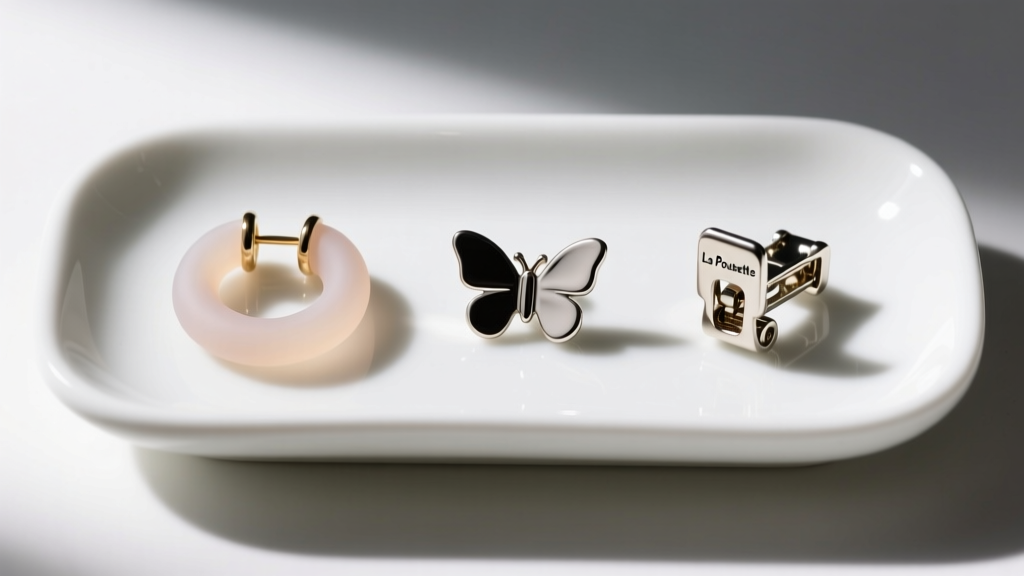
Standard "butterfly" friction clutches rely on the tension of the metal flanges gripping the post's notch. Over time, base-metal clutches lose their tension, leading to lost earrings. For high-value findings, La pousette (locking) clutches are superior. These feature an internal silicone or metal spring mechanism that physically locks behind a precision-machined groove on the post. While a standard stamped brass clutch costs fractions of a cent, a precision-machined 14k gold La pousette back can cost $8 to $15 per pair wholesale, but they guarantee security for heavy diamond or gemstone drops.
Quality Control and Sourcing Verification
For jewelry brands marketing hypoallergenic products, simply trusting a supplier's catalog description is a massive liability. In 2026, responsible makers must demand Mill Test Reports (MTRs) from their findings manufacturers. An MTR provides the exact spectrometer breakdown of the metal batch, proving the absence of nickel and confirming the alloy meets ASTM or ISO biocompatibility standards. Furthermore, ultrasonic cleaning and steam sterilization should be the final steps before packaging, ensuring no machining oils or polishing compounds remain on the findings, securing both the brand's reputation and the wearer's health.


