Merle Norman Earrings: 2026 Vintage Trend & Style Guide
Explore the 2026 resurgence of vintage Merle Norman earrings, analyzing hallmark authenticity, material grades, and modern styling techniques.

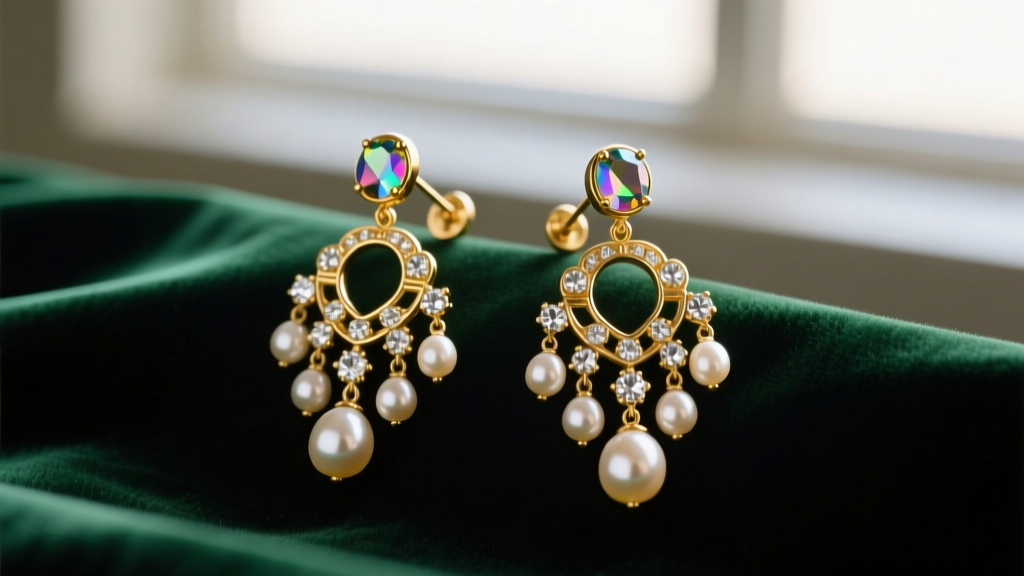
In the ever-evolving landscape of 2026 jewelry trends, the industry has seen a massive pivot away from mass-produced fast fashion toward archival, heritage pieces. Among the most fascinating crossovers between vintage cosmetics and high-end fashion jewelry is the renewed collector interest in Merle Norman earrings. Originally distributed through the brand’s iconic beauty studios and regional boutiques during the 1970s and 1980s, these pieces have transitioned from forgotten vanity drawer staples to highly sought-after artifacts of American studio jewelry history.
For stylists, collectors, and vintage enthusiasts, understanding the material composition, hallmark variations, and modern styling applications of these earrings is essential. This guide provides a deep-dive analysis into the Merle Norman earring market, offering actionable insights on authentication, gauge conversions, and investment pricing for the current year.
The Archival Revival: Why Cosmetic Brand Jewelry is Trending
The 2026 'Archival Americana' trend has placed a spotlight on jewelry produced by mid-century and late-century cosmetic houses. Brands like Merle Norman did not merely slap their logo on cheap trinkets; they frequently contracted established jewelry manufacturers in Providence, Rhode Island, and specialized European ateliers to produce accessories that complemented their seasonal makeup palettes. These pieces were designed to withstand the harsh, bright lighting of cosmetic mirrors, resulting in high-refractive crystals and heavy gold electroplating that outlasts many contemporary demi-fine brands.
Today, fashion editors and vintage curators prize these earrings for their 'power dressing' silhouettes. The architectural gold shapes, oversized faux pearls, and intricate aurora borealis (AB) crystal work perfectly bridge the gap between 1980s maximalism and the structured, intentional styling favored by modern minimalists looking for a single statement piece.
Material Composition and Authenticity Markers
Authenticating vintage Merle Norman earrings requires a keen eye for mid-to-late 20th-century metallurgy and glasswork. Unlike modern hollow-cast alloys, genuine pieces from the brand's golden era possess a distinct heft and specific material signatures.
Base Metals and Plating Grades
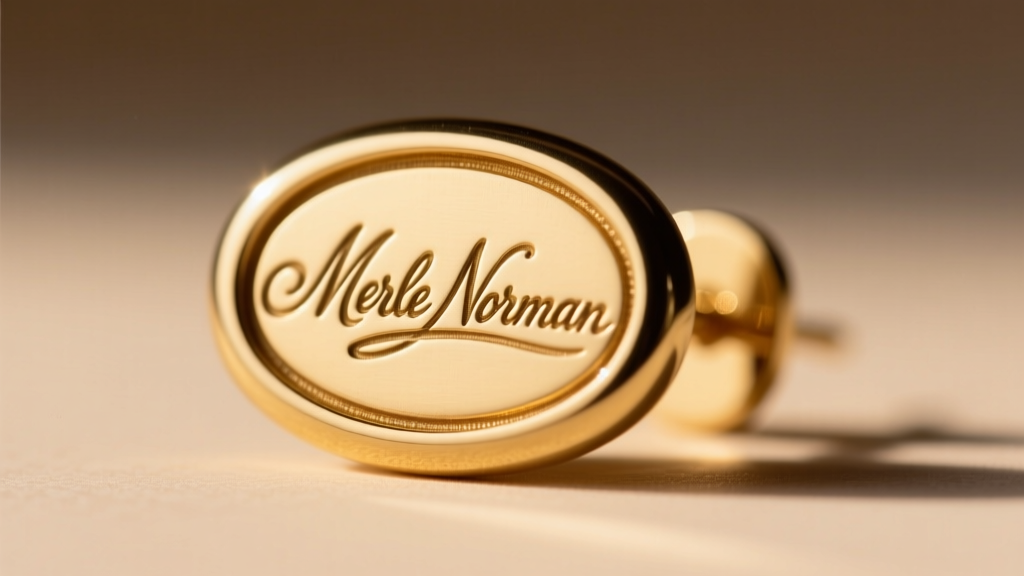
The majority of Merle Norman earrings from the 1980s were crafted from solid brass or bronze base metals, finished with heavy gold electroplating. You will frequently encounter pieces marked as 14K HGE (Heavy Gold Electroplate) or featuring a thick, warm-toned gold wash that resists the flaking commonly seen on modern flash-plated jewelry. The brass base provides structural integrity, ensuring that heavy clip-on mechanisms and thick posts do not bend under the weight of the stones.
Glass Pearls and Crystal Elements
The faux pearls used in these designs were typically glass beads coated in a high-luster pearlescent compound, often derived from synthetic guanine or advanced resin dips. According to the Gemological Institute of America (GIA), vintage glass pearls can be distinguished from modern acrylic or plastic beads by their thermal conductivity (they feel cool to the touch) and their specific gravity. Furthermore, the crystal elements were frequently sourced from Swarovski, featuring the highly coveted AB (Aurora Borealis) finish that creates a prismatic, rainbow-like refraction under studio lighting.
Decoding Hallmarks and Manufacturer Stamps
One of the greatest challenges in sourcing Merle Norman earrings is the inconsistency of their hallmarks. Because production was outsourced to various contractors, the stamping evolved over the decades. The Vintage Fashion Guild notes that cosmetic brand jewelry often features secondary manufacturer marks alongside the primary brand cartouche.
| Hallmark Style | Estimated Era | Identifying Features |
|---|---|---|
| Script 'Merle Norman' | 1970s - Early 1980s | Cursive engraving, often on a small oval brass cartouche soldered to the clip back. |
| Block 'MERLE NORMAN' | Mid 1980s - 1990s | Sans-serif, capitalized stamping, sometimes accompanied by '©' or 'HGE' marks. |
| Unmarked / Catalog Match | Various | Lacks physical stamp but matches verified seasonal studio catalogs; often features custom MN-colored enamel. |
Modernizing Vintage: Gauge Conversions and Clip-On Hacks
A significant hurdle for modern collectors is adapting vintage findings to contemporary piercing standards. Most modern earlobes are pierced at 20-gauge (0.81mm) or 18-gauge (1.02mm). However, vintage Merle Norman post earrings frequently feature much thicker posts, sometimes approaching 16-gauge (1.29mm), or utilize outdated screw-back mechanisms that can cause discomfort or tearing in modern, delicate piercings.
Converting Clip-Ons for Pierced Ears
The most pristine vintage pieces are often clip-ons. Rather than permanently altering the jewelry by soldering on modern posts, collectors in 2026 are utilizing non-destructive clip-to-pierced tube converters. These adapters feature a small set-screw that clamps onto the existing clip-on paddle, providing a standard 20-gauge post. This preserves the historical integrity and resale value of the piece while allowing it to be worn comfortably in standard lobe piercings.
Upgrading Ear Wires and Friction Backs
For pierced pieces with thick, vintage posts, a professional jeweler can carefully file down the post to a standard 18-gauge thickness. Additionally, replacing the original, often degraded plastic friction backs with modern silicone O-rings or 18K gold locking ear nuts provides the security needed to wear heavy, glass-pearl statement pieces without the fear of losing them.
2026 Market Pricing and Investment Value
The secondary market for Merle Norman earrings has stabilized into distinct pricing tiers based on rarity, material complexity, and condition. Estate sales and specialized online vintage boutiques remain the primary sourcing channels.
- Entry-Level Studs and Small Hoops ($15 - $35): Simple gold-tone geometric studs or small faux-pearl posts. Excellent for everyday wear but highly common.
- Mid-Tier Statement Clip-Ons ($45 - $120): The core of the Merle Norman archival appeal. These include large, ornate floral motifs, multi-strand crystal drops, and heavy gold-plated chandelier designs.
- Archival / Runway Pieces ($150 - $300+): Rare, limited-edition pieces produced for specific 1980s holiday campaigns or regional studio events. These often feature elaborate enamel work, jade or onyx glass cabochons, and pristine, documented provenance.
Styling Archival Pieces for Contemporary Wardrobes
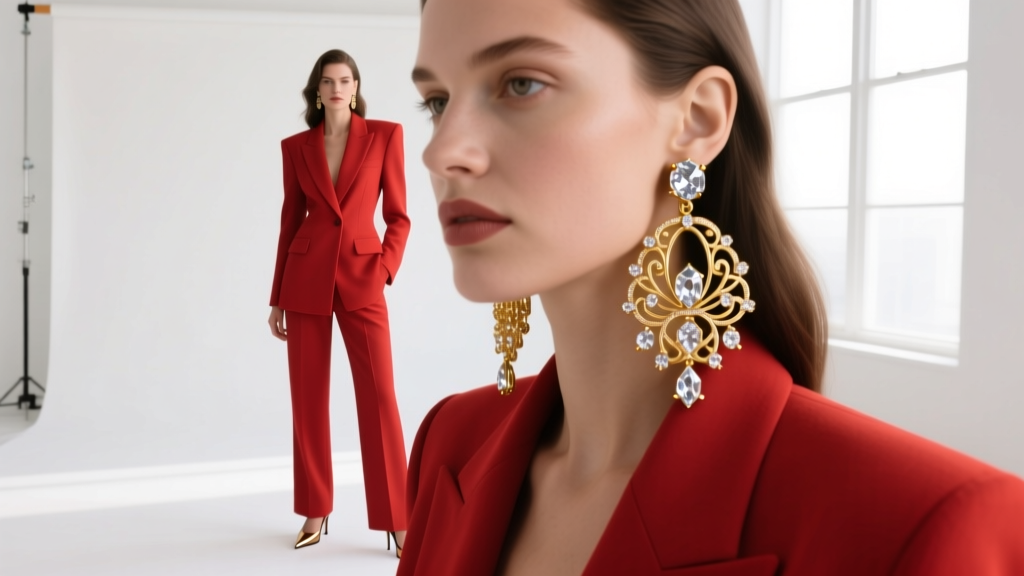
The key to styling heavy, vintage cosmetic jewelry in 2026 is contrast. The 'more is more' approach of the 1980s is best tempered by modern, architectural tailoring. Pair a set of heavy, gold-plated Merle Norman crystal clip-ons with a sharp, unstructured linen blazer or a sleek, high-neck silk blouse. Let the earrings serve as the sole focal point of the outfit, honoring the craftsmanship and historical weight of these unique American accessories.


