Ultimate Care Guide for Trending Earrings in 2026
Discover expert care, cleaning, and maintenance tips for 2026's trending earrings. Learn how to protect textured metals, vermeil, and ear cuffs.

The 2026 Landscape: Why Trending Earrings Need Specialized Care
The jewelry market has shifted dramatically this year. The trending earrings dominating 2026 are defined by mixed-metal aesthetics, heavily textured finishes like hammered and brushed gold, and structural silhouettes such as tension-based ear cuffs and ultra-fine threader chains. While these designs are visually striking, their intricate topographies and delicate engineering make them highly susceptible to sebum buildup, oxidation, and mechanical fatigue.
Standard jewelry cleaning methods—like tossing everything into an ultrasonic bath or wiping with abrasive polishing cloths—can permanently damage these modern finishes. According to the Jewelers of America, improper cleaning is the leading cause of premature wear in plated and textured jewelry. To protect your investment, you must adopt a material-specific and structure-aware maintenance protocol.
Material-Specific Cleaning Protocols
Before applying any cleaning solution, you must identify the exact metallurgical composition of your earrings. The trending earrings of 2026 heavily feature sustainable recycled metals and advanced plating techniques that react poorly to harsh chemicals.
Gold Vermeil and Micron Plating
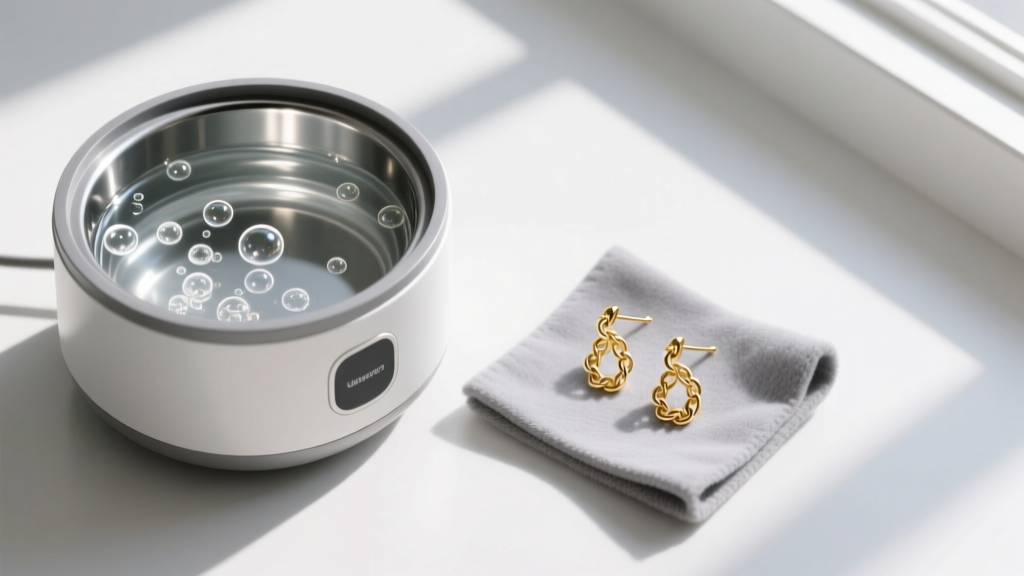
True gold vermeil consists of a sterling silver base plated with a minimum of 2.5 microns of 10k, 14k, or 18k gold. Many trending oversized hoops and sculptural studs use vermeil to keep prices accessible while offering a luxury look. However, the gold layer is finite. Avoid ultrasonic cleaners entirely, as the 42kHz cavitation bubbles can literally strip the gold from the silver substrate. Instead, use a pH-neutral dish soap (like Dawn) diluted in warm distilled water, and gently wipe with a lint-free microfiber cloth. Never use toothpaste or baking soda, as their Mohs hardness exceeds that of gold and will cause micro-scratches.
Recycled Sterling Silver and Oxidation
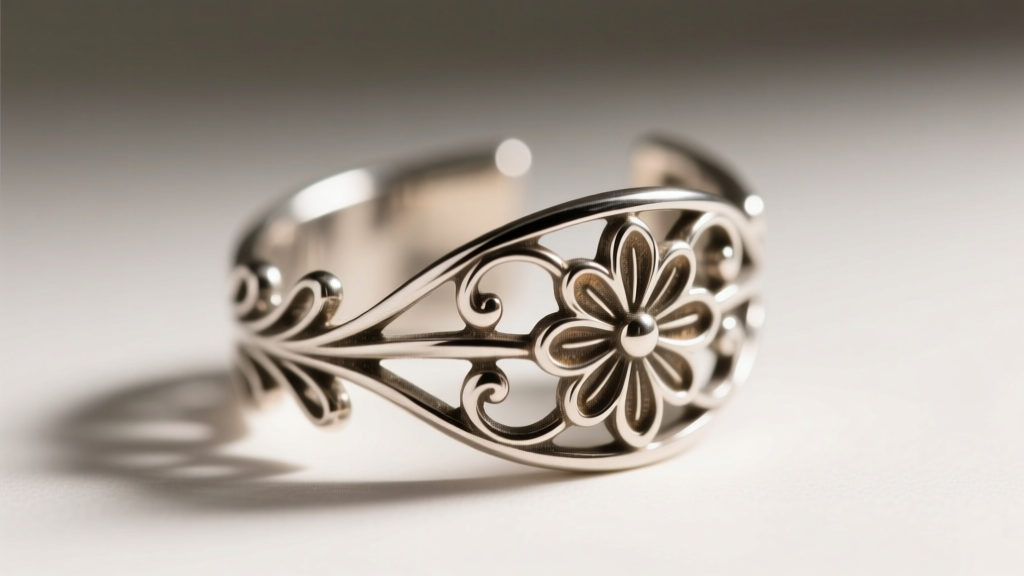
Sterling silver (92.5% silver, 7.5% copper) is prone to tarnishing when the copper reacts with hydrogen sulfide in the air. Many 2026 trending earrings feature intentional oxidation in their crevices to highlight hammered or filigree textures. If you use a standard liquid silver dip, you will strip this intentional patina, leaving the piece looking flat and overly bright. To clean without removing the patina, use a specialized polishing cloth embedded with micro-abrasives (like a Sunshine cloth), carefully avoiding the recessed, darkened areas.
Grade 23 Titanium and Anodized Finishes
For cartilage piercings and ear cuffs, ASTM F-136 Grade 23 (Ti6Al4V ELI) titanium remains the gold standard for biocompatibility. Trending titanium pieces often feature vibrant anodized colors. Anodization is an optical illusion created by the thickness of the oxide layer on the metal's surface, not a dye. Clean these with mild soap and water; avoid any chlorine-based cleaners, which can alter the oxide layer and dull the color.
| Material / Finish | Ultrasonic Safe? | Risk Factor | Recommended Alternative |
|---|---|---|---|
| Solid 14k/18k Gold (High Polish) | Yes | Low | N/A |
| Gold Vermeil / Plated | No | High (Plating stripping) | Microfiber & mild soap |
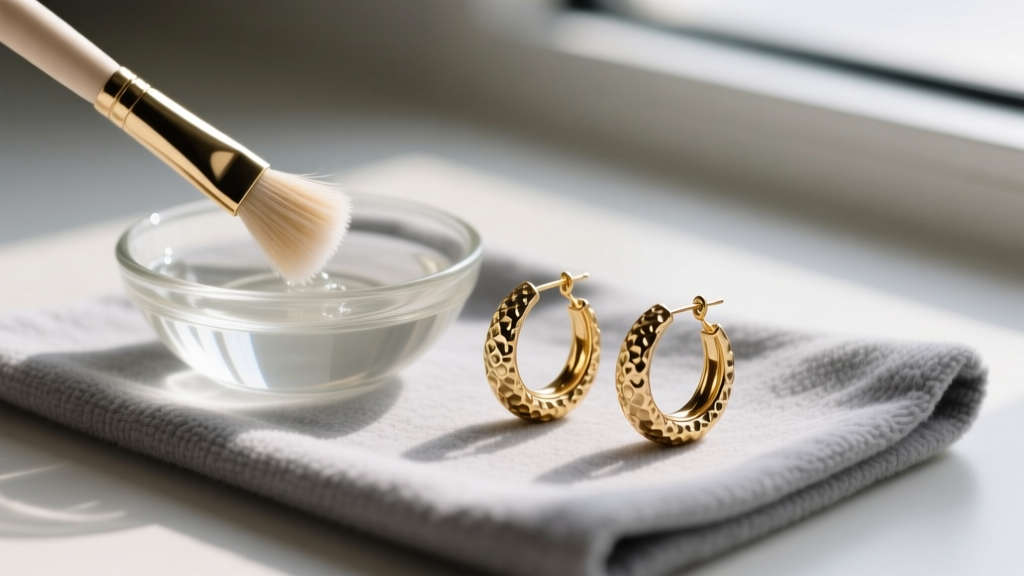
| Hammered / Brushed Textures | Caution | Medium (Trapped debris) | Soft-bristle baby toothbrush |
| Oxidized Sterling Silver | No | High (Patina removal) | Targeted polishing cloth |
| Pearls / Opals / Turquoise | No | Extreme (Fracturing) | Damp cloth only |
Maintaining Structural Integrity in Modern Silhouettes
Care is not just about cleanliness; it is about mechanical preservation. The structural designs defining 2026's trending earrings introduce unique failure modes that require proactive maintenance.
Ear Cuffs and Tension Fatigue
Ear cuffs rely on the spring temper of the metal to grip the cartilage. Most high-quality cuffs are forged from 20-gauge or 22-gauge wire. Repeatedly squeezing the cuff open to put it on, and squeezing it closed to tighten it, causes metal fatigue. Over time, the wire loses its 'memory' and will slip off the ear. Pro Tip: Always slide the cuff on from the thinnest part of the ear (the helix ridge) and gently push it down into place. If your cuff becomes loose, a jeweler can re-harden the metal using a rawhide mallet and a steel mandrel, or you can carefully squeeze it back to shape using nylon-jaw pliers to avoid marring the metal.
Threader and Chain Dangle Earrings
Ultra-fine threader earrings, often utilizing 22-gauge or 24-gauge box or cable chains, are incredibly popular but prone to kinking. A kinked chain weakens the structural integrity of the links, leading to snapping. Never pull a threader earring through the piercing by the chain itself; always pull by the solid post. If a kink occurs, lay the chain flat on a hard surface and gently roll a smooth, heavy cylinder (like a glass spice jar) over it to flatten the links back into alignment.
Step-by-Step Deep Cleaning Routine for Textured Metals
Textured finishes—such as bark, hammered, and sandblasted gold—are notorious for trapping dead skin cells, lotions, and sebum. This buildup not only dulls the sparkle but can also cause contact dermatitis. The Gemological Institute of America (GIA) recommends regular, gentle cleaning to maintain both the hygiene and the luster of textured jewelry.
- Prepare the Solution: Mix 3 drops of pH-neutral, lotion-free dish soap into a bowl of warm distilled water. (Tap water contains minerals that can leave spots).
- Soak: Submerge solid metal earrings (no porous gemstones) for exactly 5 to 10 minutes to soften the sebum.
- Agitate: Use an extra-soft, baby-bristle toothbrush. Brush in the direction of the metal's grain or texture. Do not scrub in circles, as this can flatten delicate brushed finishes.
- Rinse: Rinse thoroughly under a gentle stream of lukewarm distilled water.
- Dry: Pat dry with a microfiber cloth, then use a hair dryer on the 'cool' setting to blow water out of microscopic crevices. Air-drying leads to water spots.
Storage and Environmental Protection
How you store your trending earrings is just as critical as how you clean them. Exposure to humidity and airborne sulfur compounds accelerates tarnishing, especially in mixed-metal pieces.
- Anti-Tarnish Strips: Place 3M anti-tarnish strips inside your jewelry box. These strips absorb sulfur gases and protect sterling silver and copper alloys for up to 6 months in an enclosed space.
- Individual Pouches: Store each pair in its own anti-tarnish flannel pouch. Storing multiple pieces together allows harder metals and gemstones to scratch softer gold vermeil or oxidized finishes.
- Climate Control: Never store jewelry in the bathroom. The constant fluctuations in heat and humidity from showers create a microclimate that rapidly accelerates oxidation and degrades the adhesives used in some statement earrings.
Expert Troubleshooting: Common Failure Modes
Even with meticulous care, issues can arise. Here is how to troubleshoot common problems associated with modern earring designs:
- Green Skin Discoloration: This is not an allergy; it is a chemical reaction between your skin's acidity and the copper in sterling silver or lower-karat gold alloys. Apply a micro-thin layer of clear nail polish to the earring posts or the inner band of ear cuffs to create a temporary barrier.
- Cloudy Gemstones: If your diamond or moissanite studs look dull, they likely have a film of lotion on the pavilion (the underside of the stone). Use a wooden toothpick to gently scrape the girdle and culet where dirt accumulates, then wash with a degreasing soap.
- Stiff Hinge Mechanisms: Huggie hoops and clicker cartilage rings often develop stiff hinges due to soap scum buildup. Apply a microscopic drop of synthetic watch oil to the hinge pin, open and close it a few times, and wipe away the excess.
'The longevity of contemporary jewelry relies entirely on the wearer's understanding of material limits. A textured vermeil hoop requires a fundamentally different maintenance philosophy than a high-polish solid gold stud.' — Master Bench Jeweler
Conclusion
Maintaining the brilliance and structural integrity of 2026's trending earrings requires moving beyond generic cleaning habits. By respecting the specific metallurgical properties of vermeil, the delicate tension of ear cuffs, and the intricate topography of textured finishes, you ensure your pieces remain as striking as the day you bought them. Implement these targeted care routines, and your favorite statement pieces will withstand the test of time and trend cycles alike.


