How to Clean and Authenticate Your Black Diamond Earring
Learn how to safely clean, authenticate, and maintain your black diamond earring with expert gemological steps and setting care tips.

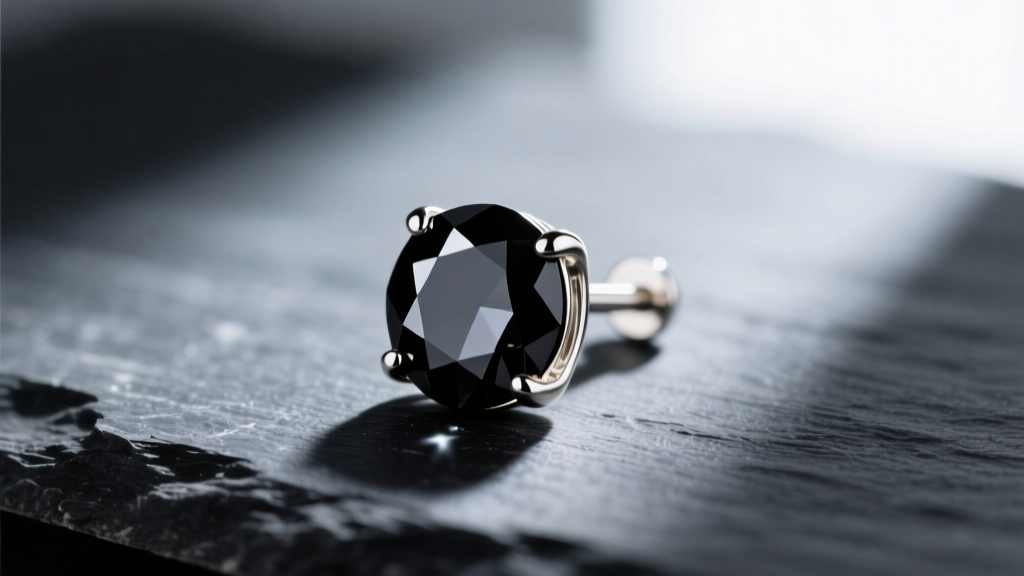
Understanding the Allure and Anatomy of Black Diamonds
Black diamonds have surged in popularity, offering a striking, opaque alternative to traditional brilliant white stones. However, caring for a black diamond earring requires a fundamentally different approach than caring for a standard colorless diamond. To properly maintain, clean, and authenticate your jewelry, you must first understand the gemological nature of the stone you own. According to the Gemological Institute of America (GIA), black diamonds generally fall into two distinct categories: natural carbonado and treated black diamonds.
Natural black diamonds, known as carbonado, are polycrystalline structures. Unlike single-crystal diamonds, carbonado is made up of millions of microscopic diamond crystals bound together. This makes them incredibly tough but also highly porous, riddled with microscopic surface pitting and internal cleavage lines. Treated black diamonds, on the other hand, are typically low-clarity, heavily included white or grey diamonds that have been subjected to neutron irradiation or high-heat treatment to turn their color completely black. Because of these structural differences, a one-size-fits-all cleaning or authentication method can result in catastrophic damage to your stone.
Step-by-Step Authentication Guide
Before you attempt any deep cleaning or setting repairs, you must verify the origin and treatment status of your stone. The Federal Trade Commission (FTC) Jewelry Guides mandate that sellers disclose any treatments that significantly affect a gemstone's value or care requirements. Here is how to verify your stone at home before seeking a formal lab report.
1. The Loupe Test for Surface Pitting
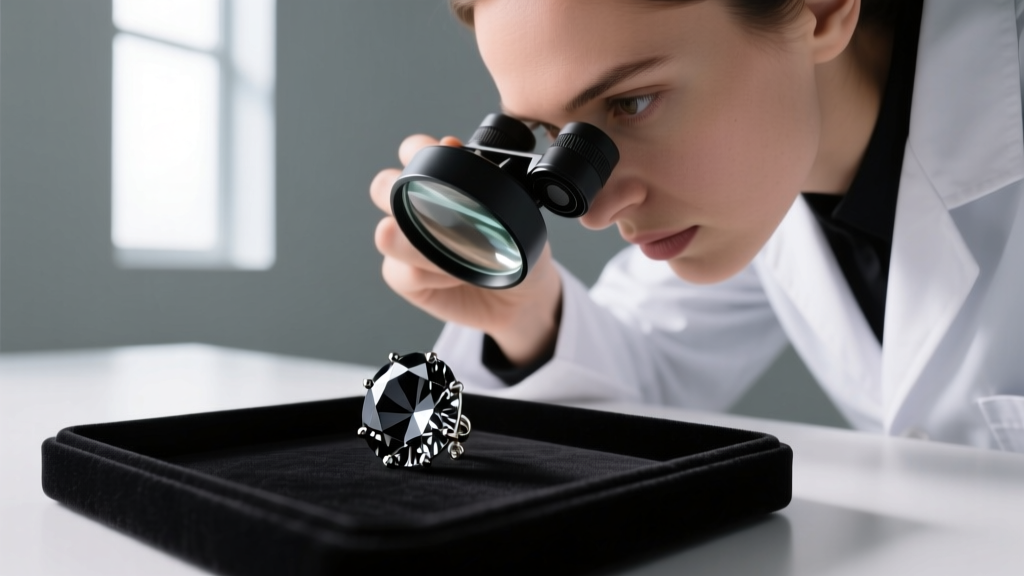
Using a standard 10x gemological loupe, examine the surface and girdle (the outer edge) of the stone. If your black diamond earring features a natural carbonado, you will likely see a slightly porous, pitted surface, often described as looking like the skin of an orange under magnification. Treated, irradiated black diamonds usually have smoother surfaces but may reveal dark, concentrated carbon inclusions or laser-drilled holes filled with glass-like substances near the girdle.
2. The Thermal Conductivity Test
Standard diamond testers measure thermal conductivity. Because black diamonds are still composed of carbon, a high-quality thermal tester will register both natural carbonado and treated black diamonds as genuine diamonds. However, be cautious with dual-testers that also measure electrical conductivity (often used to separate diamond from moissanite). The heavy graphite inclusions in natural black diamonds can sometimes conduct electricity, leading to false "moissanite" readings on cheaper dual-testing pens. Rely on thermal testing and visual loupe inspection for the most accurate at-home results.
The Safe Cleaning Protocol for Black Diamonds
Gemologist Warning: Never place a natural carbonado or fracture-filled black diamond in an ultrasonic cleaner. The high-frequency acoustic cavitation can cause heavily included stones to cleave along internal fracture lines, shatter, or leak fracture-filling agents.
Because black diamonds do not refract light like white diamonds, their beauty relies entirely on their surface polish and metallic luster. When skin oils, lotions, and environmental dust accumulate in the microscopic pores of a carbonado or the setting crevices, the stone quickly loses its shine and appears dull or greyish. Follow this manual cleaning protocol to restore your earring's luster safely.
Step 1: Prepare a Mild Degreasing Solution
Mix one part mild, ammonia-free dish soap (such as Dawn) with six parts lukewarm distilled water in a small glass bowl. Avoid harsh chemicals, bleach, or chlorine, which can degrade the rhodium plating on white gold settings or weaken prong soldering over time.
Step 2: The Soak and Loosen Phase
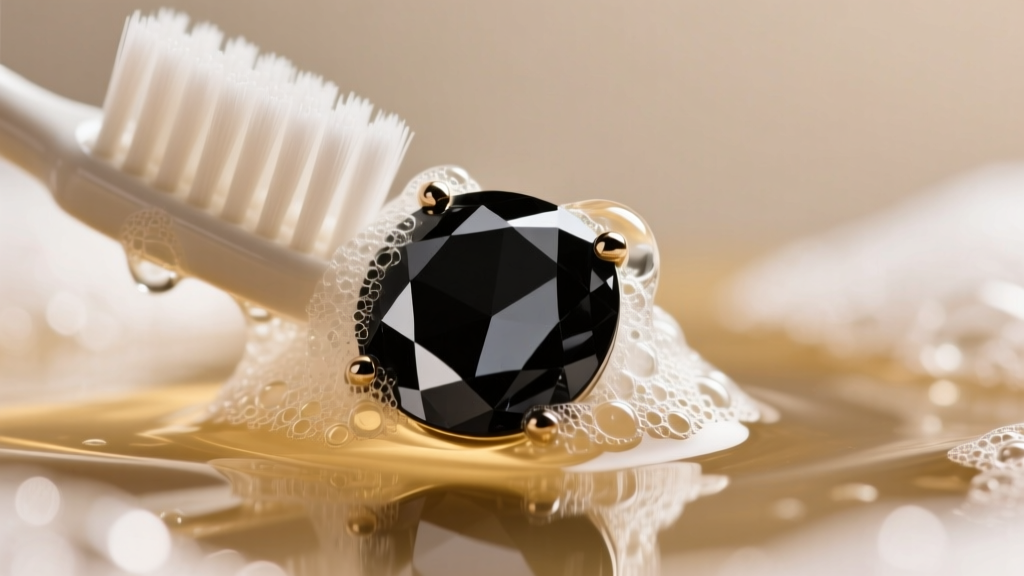
Submerge your black diamond earring in the solution for exactly 15 to 20 minutes. This allows the surfactants in the soap to break down the lipid bonds of skin oils trapped in the stone's microscopic surface pits and behind the setting.
Step 3: Gentle Agitation
Using an extra-soft baby toothbrush, gently brush the stone in circular motions. Pay special attention to the pavilion (the back of the stone) and the gallery where the culet rests against the metal. Do not use stiff-bristled brushes or toothpaste, as abrasive pastes can scratch the precious metal setting and dull the polished facets of the diamond.
Step 4: Rinsing and Drying
Rinse the earring thoroughly under a gentle stream of lukewarm water. Ensure the drain is securely plugged. Pat the jewelry dry with a lint-free microfiber cloth. Avoid paper towels, as the wood fibers can snag on the porous surface of a natural carbonado or leave microscopic lint behind in the prongs.
Prong Maintenance and Setting Selection
Despite scoring a 10 on the Mohs hardness scale, black diamonds are notoriously brittle due to their dense inclusion networks. A hard knock against a countertop can easily chip the girdle of a black diamond earring. Therefore, the choice of setting and routine prong maintenance are critical to the stone's longevity. The American Gem Society (AGS) recommends annual professional inspections for all diamond jewelry, but black diamonds warrant bi-annual checks due to their fragility.
| Setting Type | Girdle Protection | Light Performance | Best For |
|---|---|---|---|
| Bezel | Maximum | Low (Absorbs light) | Active lifestyles, natural carbonado |
| 4-Prong | Low | High (Maximizes surface reflection) | Irradiated stones, formal wear |
| Halo | Medium | High (Contrast with white diamonds) | Enhancing perceived carat size |
If your black diamond earring is set in a traditional 4-prong setting, ensure the jeweler uses V-prongs if the stone has sharp corners (such as a princess or pear cut). V-prongs encase the vulnerable points of the diamond in a protective metal corner, drastically reducing the risk of chipping during daily wear.
Storage and Daily Wear Rules
When storing your black diamond earrings, never toss them loosely into a jewelry box with other pieces. While a diamond cannot be scratched by anything other than another diamond, a black diamond can easily scratch your gold, platinum, or softer gemstone jewelry. Furthermore, the brittle nature of carbonado means that if it is struck against a harder metal object at the wrong angle, it could fracture.
Always store your black diamond earring in a dedicated, fabric-lined compartment or a soft velvet pouch. Remove your earrings before swimming (chlorine damages settings), applying heavy cosmetics, or engaging in high-impact physical activities. By respecting the unique polycrystalline structure of black diamonds and adhering to this meticulous cleaning and maintenance routine, you will ensure your jewelry retains its bold, midnight luster for a lifetime.


