Coraline Earrings: Genuine Coral vs Resin Materials
Discover the material differences in Coraline earrings. We compare genuine organic coral, epoxy resin, and cold enamel for durability, weight, and care.

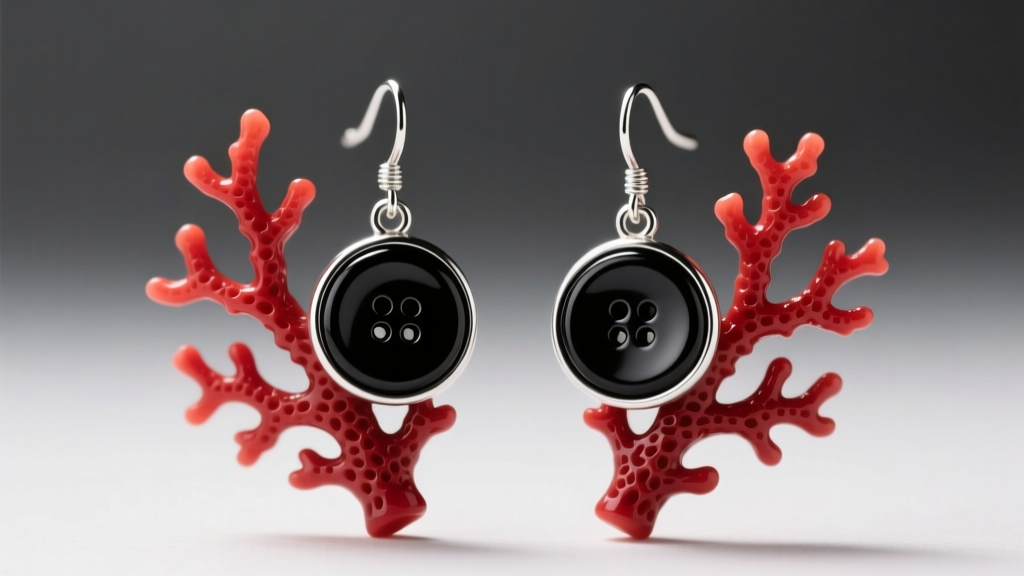
The 'Coraline' Aesthetic: Organic Coral vs. Whimsical Synthetics
The search for 'Coraline earrings' bridges two distinct jewelry worlds: the vintage appeal of genuine organic coral cameos and the modern, dark-whimsy trend inspired by stop-motion gothic aesthetics (featuring buttons, keys, and dark academia motifs). As collectors and everyday wearers navigate this niche in 2026, understanding the material science behind these earrings is critical. Whether you are investing in antique Mediterranean coral or purchasing modern cold-enamel resin pieces, the physical properties of these materials dictate their longevity, weight, and required aftercare.
In this comprehensive material comparison, we break down the gemological and synthetic properties of genuine coral, epoxy resin, and cold enamel. We will explore specific gravity, Mohs hardness, failure modes, and the precise gauge requirements needed to keep these unique earrings secure in your piercings.
Material Breakdown: Properties and Failure Modes
Genuine Organic Coral (Corallium Rubrum)
Genuine red coral is an organic gemstone formed by marine polyps. According to the Gemological Institute of America (GIA), coral is primarily composed of calcium carbonate, giving it a Mohs hardness of just 3.5 to 4.0. This makes it exceptionally soft compared to crystalline gems like quartz or sapphire.
Failure Modes: The most common failure mode for coral earrings is chemical etching. Because calcium carbonate reacts readily with acids, everyday exposure to lactic acid in sweat, citric acid in perfumes, or even the natural pH of your skin can cause the polish to dull and the surface to pit over time. Furthermore, coral is inherently porous. Submerging coral earrings in ultrasonic cleaners will cause micro-fissures to expand, eventually leading to catastrophic cracking.
Epoxy Resin and Polymer Alternatives
To replicate the deep, opaque reds and whimsical shapes of coral without the ethical concerns or fragility, many contemporary jewelers use cast epoxy resin. Epoxy is a thermosetting polymer that, when cured, forms a rigid, lightweight plastic.
Failure Modes: While resin is impervious to the acids that destroy coral, it suffers from photodegradation. Prolonged exposure to UV light breaks down the chemical bonds in standard epoxy, leading to a yellowed, brittle appearance known as 'UV yellowing.' Additionally, if the resin is improperly cured in high humidity, it can develop 'amine blush'—a sticky, greasy surface film that attracts dust and dirt, ruining the finish of intricate button or key motifs.
Cold Enamel over Sterling Silver
For the metallic 'button' and 'key' aesthetics popular in dark-academia Coraline styles, cold enamel (an epoxy-based resin painted over metal) is frequently used. Unlike traditional vitreous enamel, which requires firing at 1,500°F, cold enamel is air-dried.
Failure Modes: Cold enamel lacks the glass-like hardness of fired vitreous enamel. It is highly susceptible to scratching from friction against hair or clothing. Dropping cold enamel earrings on hard surfaces like bathroom tile can cause the epoxy layer to chip away from the silver backing due to differences in thermal expansion and impact shock absorption.
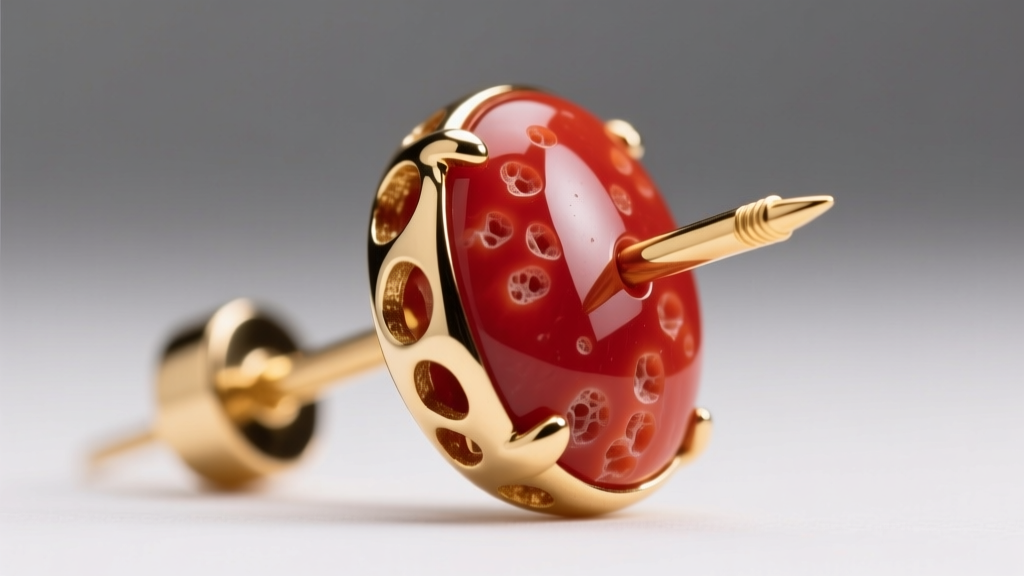
Comparative Data: Weight, Hardness, and Pricing
When selecting Coraline-style earrings, the physical weight and hardness directly impact both comfort and durability. The table below synthesizes the core material data you need to make an informed purchase.
| Material | Mohs Hardness | Specific Gravity (Weight) | UV & Acid Resistance | Avg. Price Range (Per Pair) |
|---|---|---|---|---|
| Genuine Coral | 3.5 - 4.0 | 2.60 - 2.70 (Heavy) | Poor (Highly Reactive) | $150 - $800+ |
| Epoxy Resin | 2.0 - 2.5 | 1.10 - 1.20 (Very Light) | Moderate (UV Degrades) | $25 - $85 |
| Cold Enamel | 3.0 - 4.0 | Depends on Base Metal | High (Chemically Inert) | $60 - $200 |
| Dyed Howlite (Fake Coral) | 3.5 | 2.50 - 2.60 | Poor (Dye Bleeds) | $15 - $40 |
The Acetone Test and Identifying Dyed Howlite
Because genuine coral is heavily regulated under international conservation guidelines and commands a premium price, the market is flooded with dyed howlite or magnesite passed off as coral. Howlite shares a similar Mohs hardness (3.5) and porous structure, making it an ideal sponge for red dyes. To test your earrings, apply a cotton swab dipped in pure acetone (nail polish remover) to an inconspicuous area. If the swab turns red, you have a dyed simulant, not genuine organic coral.
Piercing Compatibility and Gauge Considerations
The specific gravity (density) of your earrings dictates the necessary post thickness to prevent bending and piercing trauma.
- Genuine Coral (Heavy): A 15mm coral cabochon can weigh between 4 to 6 grams. Standard 20-gauge (0.81mm) friction posts often bend under this weight, causing the earring to droop forward and stretch the earlobe. For coral, insist on 18-gauge (1.02mm) or 16-gauge (1.29mm) solid gold or platinum posts. If the piece is only available in 20G, ensure it utilizes a secure screw-back mechanism rather than a standard butterfly clutch.
- Resin and Enamel (Lightweight): Because epoxy resin has a specific gravity near 1.15, even large, oversized 'Coraline' statement hoops remain exceptionally light. These can comfortably be worn on standard 20-gauge or even 22-gauge posts without risking lobe stretching or post deformation.
- Cartilage Considerations: If you are adapting whimsical Coraline motifs for helix or tragus piercings, remember that cartilage jewelry typically requires a 16-gauge (1.29mm) post with a specific wearable length (usually 6mm to 8mm). Ensure the resin or coral backing is flat and smooth to prevent irritation bumps during the healing process.
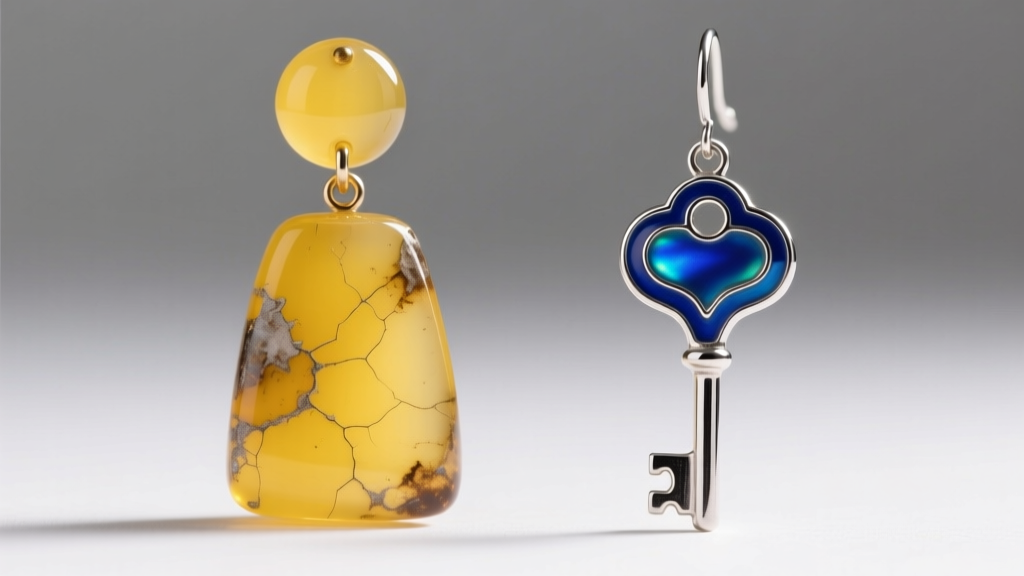
Long-Term Care and Chemical Sensitivities
Maintaining the integrity of these diverse materials requires strictly segregated care routines. What cleans one material will instantly destroy another.
Caring for Genuine Coral
Never use commercial jewelry dips, ultrasonic machines, or steam cleaners on coral. The vibrations will shatter internal crystalline structures, and the chemicals will strip the calcium carbonate. Instead, wipe coral earrings gently with a dry, untreated microfiber cloth after every wear to remove skin oils and acidic sweat. Store them in a soft velvet pouch separate from harder gems like diamonds or sapphires, which will easily scratch the coral's 3.5 Mohs surface.
Caring for Resin and Enamel
Resin and cold enamel are chemically inert to sweat and perfumes, making them excellent for daily wear in humid climates. However, they are vulnerable to heat and solvents. Never store resin earrings in a hot car or near a radiator, as temperatures above 140°F (60°C) can cause the epoxy to soften and warp. To clean, use a mild, fragrance-free dish soap and lukewarm water, drying immediately with a soft cloth to prevent water spots on the metal findings.
Final Verdict: Choosing Your Material
If your priority is historical authenticity, investment value, and the unique, warm luster that only organic gems possess, genuine coral is unmatched—provided you are willing to commit to rigorous, acid-free maintenance and invest in heavier-gauge post upgrades. However, if you are drawn to the 'Coraline' aesthetic for its dark, whimsical, and playful motifs, high-quality epoxy resin and cold enamel offer superior durability, lightweight comfort for stretched or standard lobes, and a guilt-free price point that allows for a more expansive, versatile collection.


