How to Style Like a Girl with a Pearl Earring: Step-by-Step Guide
Learn how to recreate the iconic look of a girl with a pearl earring. Our step-by-step guide covers pearl sizing, lobe support, and styling.

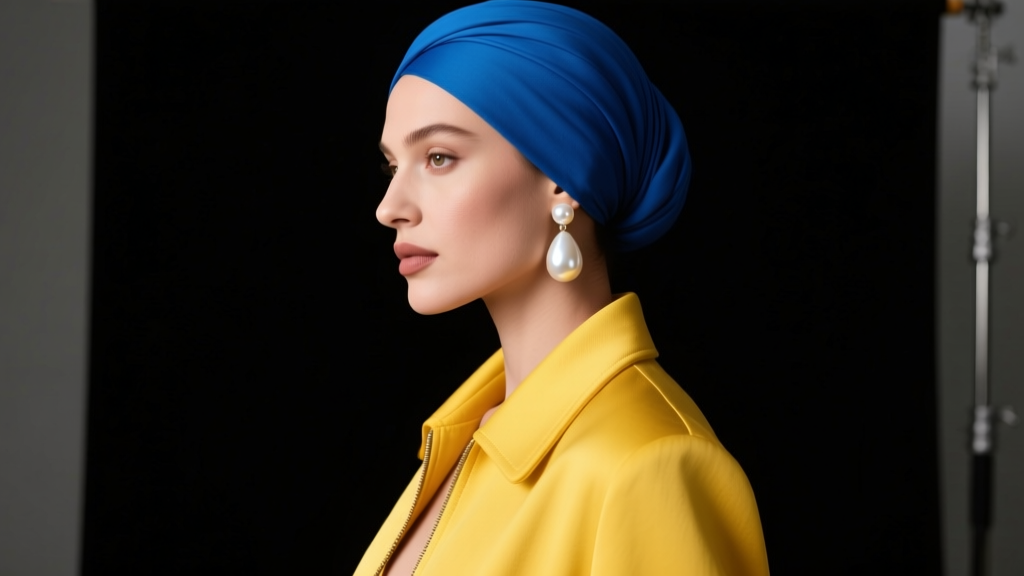
The Enduring Allure of Vermeer's Masterpiece
Johannes Vermeer’s 17th-century masterpiece, currently housed at the Mauritshuis museum, has captivated art lovers and jewelry enthusiasts for centuries. The focal point of the painting is undeniably the oversized, luminous teardrop pearl catching the window light. But how does one translate this historical, artistic illusion into a wearable, modern jewelry reality without compromising lobe health or aesthetic balance? Recreating the look of a girl with a pearl earring requires more than just buying a large white bead; it demands an understanding of pearl morphology, precise gauge sizing, and structural lobe support. This step-by-step guide will walk you through the exact specifications needed to achieve this timeless silhouette safely and elegantly.
Step 1: Selecting the Right Pearl Morphology and Size
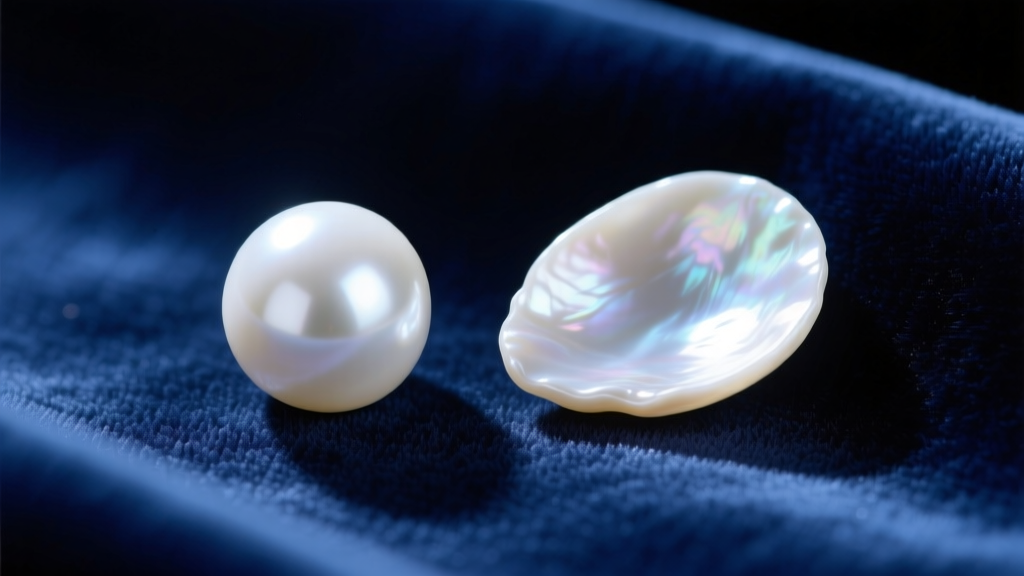
The pearl in Vermeer’s painting is estimated to be between 18mm and 20mm in diameter. In the modern gemological market, a perfectly round, natural saltwater pearl of this size is exceptionally rare and can command prices exceeding $50,000. According to the Gemological Institute of America (GIA), most large pearls on the market today are cultured freshwater or saltwater varieties, but achieving the exact 'Vermeer teardrop' shape requires specific sourcing.
To recreate the look authentically, you must choose between three primary material categories:
- High-Quality Glass Pearls (Historical Accuracy): Art historians widely believe Vermeer’s subject was actually wearing a glass bead coated in a pearlescent glaze, or possibly polished tin. Today, brands like Majorica create premium glass pearls coated with 'essence d'orient' (guanine crystals). An 18mm Majorica teardrop costs between $120 and $250, offering the exact weight and light-reflective properties seen in the painting.
- Baroque Freshwater Teardrops: For a natural, organic option, seek out AAA-grade baroque freshwater pearls. These are naturally asymmetrical and often form elongated teardrop shapes. They are lightweight (typically 4-6 grams) and range from $80 to $300 depending on luster.
- South Sea Cultured Pearls: If budget permits, a white or golden South Sea drop pearl (14mm-16mm) offers unparalleled natural luster. Expect to pay $3,000 to $12,000+ for a single, high-quality drop.
Step 2: Choosing the Metal and Finding the Correct Gauge
A critical failure mode when wearing heavy statement earrings is the 'cheese-cutter effect,' where a thin wire slowly slices through the earlobe tissue due to the downward pull of gravity. To prevent this, you must select the correct wire gauge and finding style.
The 18-Gauge Rule for Heavy Drops
Standard fashion earrings are typically 20-gauge (0.81mm) or 22-gauge (0.64mm). However, an 18mm glass or South Sea pearl can weigh anywhere from 7 to 12 grams. For any single earring exceeding 5 grams, you must upgrade to an 18-gauge (1.02mm) or 16-gauge (1.29mm) wire. This thicker diameter distributes the weight across a wider surface area of the piercing channel, preventing tissue migration and tearing.
European Wire vs. Leverback
Vermeer’s painting depicts what appears to be a simple shepherd’s hook. For modern security, avoid standard fish hooks, which can easily slip out if caught on clothing. Instead, opt for an 18-gauge leverback finding or a European wire with a secure silicone O-ring stopper. Leverbacks provide a closed circuit, ensuring that a $5,000 South Sea pearl does not end up lost on the floor.
Step 3: Balancing the Drop Length for Your Face Shape
The visual impact of a large teardrop pearl changes drastically depending on the wearer's facial geometry. The painting features a subject with a soft, oval-to-round face shape, where the long drop elongates her neck and jawline. Use the table below to adjust the total drop length (from the base of the earlobe to the bottom of the pearl) to flatter your specific features.
| Face Shape | Ideal Drop Length | Styling Rationale |
|---|---|---|
| Round | 1.5 to 2.5 inches | Elongates the face and draws the eye downward, countering width. |
| Square | 1.0 to 1.5 inches (Curved Teardrop) | Softens strong jawlines; avoid geometric or overly rigid settings. |
| Oval | Any (0.5 to 2.5 inches) | Naturally balanced; the classic Vermeer proportions work perfectly. |
| Heart | 0.75 to 1.25 inches | Keeps volume near the earlobe to add width to a narrow chin. |
Step 4: Matching Pearl Overtone to Skin Undertone
A common mistake when purchasing statement pearls is ignoring the overtone. Pearls are not just 'white'; they possess secondary translucent colors that interact with your skin's undertones. To capture the glowing, ethereal light seen in Dutch Golden Age paintings, you must match the pearl's overtone to your complexion.
- Cool Undertones (Pink/Blue veins): Select pearls with a silver or rosé overtone. This prevents the pearl from looking yellow or dull against your skin.
- Warm Undertones (Green/Olive veins): Opt for pearls with a cream, ivory, or champagne overtone. Pure stark white pearls can look harsh and artificial against warm skin.
- Neutral Undertones: You have the versatility to wear any overtone, but a classic white with a faint rosé blush will most closely mimic the soft lighting of Vermeer's studio.
Step 5: Lobe Support and Maintenance Strategies
Even with the correct 18-gauge wire, a 12-gram pearl will cause the earlobe to droop, pulling the piercing channel taut and causing discomfort after a few hours of wear. To maintain the elegant, upright posture of the earring seen in the painting, you must utilize modern lobe support technology.
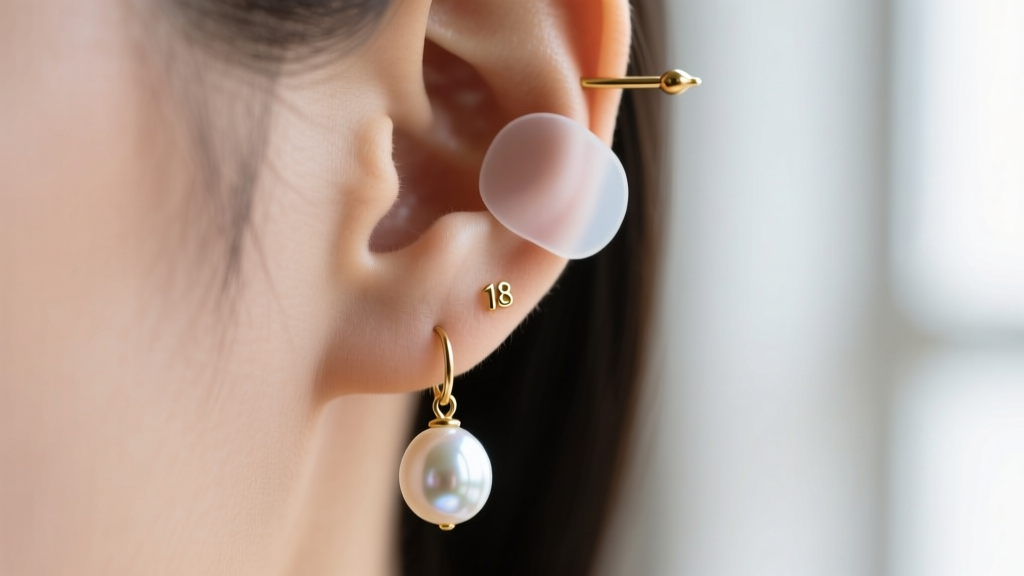
Implementing Silicone Support Patches
Products like InvisiLift or generic silicone earring support patches are adhesive, medical-grade silicone pads that stick to the back of the earlobe. They feature a central hole for the earring post or wire. By applying a support patch, you increase the surface area bearing the weight of the pearl by up to 400%. This completely eliminates the 'droop' effect, ensuring the teardrop pearl hangs perfectly perpendicular to the floor, catching the light exactly as intended.
Nightly Lobe Massage
For those who wear heavy statement drops frequently, the piercing channel can become stretched or irritated. Incorporate a nightly routine using a drop of pure jojoba oil or vitamin E oil. Gently massage the earlobe to promote tissue elasticity and blood flow, preventing the permanent elongation of the piercing hole.
Conclusion: Mastering the Timeless Silhouette
Channeling the essence of a girl with a pearl earring is an exercise in balancing historical romance with modern material science. By carefully selecting an 18mm teardrop pearl (whether authentic South Sea or premium guanine-coated glass), securing it with an 18-gauge leverback, and supporting your lobe with medical-grade silicone patches, you achieve a look that is both breathtaking and structurally sound. The magic of Vermeer’s painting lies in the interplay of light, shadow, and proportion—elements you can now confidently recreate in your own jewelry wardrobe.


