Solving Gunk on Back of Earrings: A Stylist's Hygiene Guide
Discover why gunk on back of earrings ruins your aesthetic. Learn expert styling and material tips to keep your ear curation pristine and odor-free.

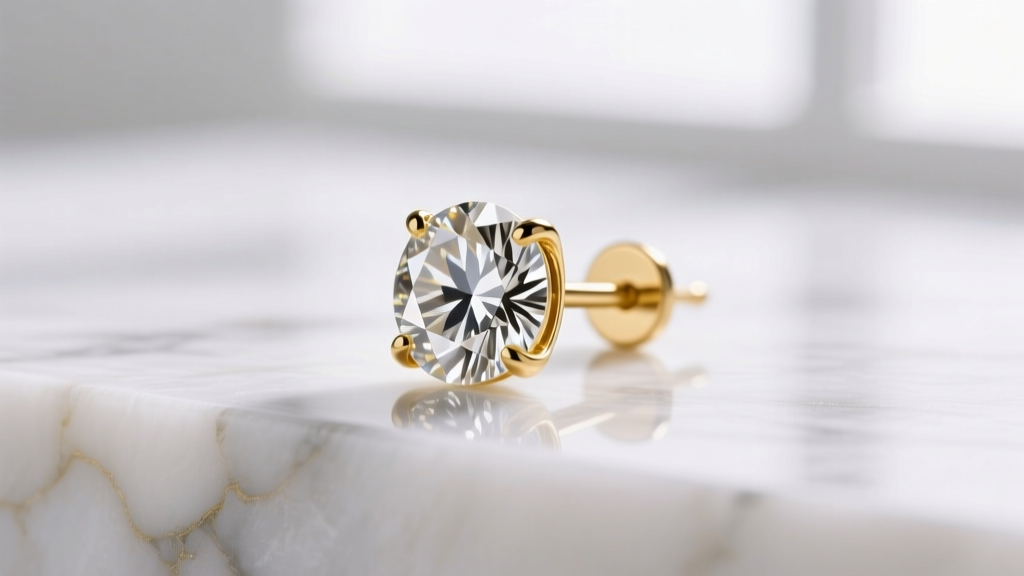
The "Clean Girl" Aesthetic vs. The Reality of Ear Sebum
In the world of curated ear styling and the pervasive "clean girl" aesthetic, every detail matters. From the precise angle of a tragus piercing to the flawless symmetry of a stacked lobe curation, jewelry enthusiasts spend thousands on high-end pieces from brands like BVLA, Maria Tada, and Neometal. Yet, there is a hidden saboteur that can instantly ruin an otherwise immaculate aesthetic: the accumulation of sebum, dead skin, and oxidized metal on the posts and clasps. If you have ever taken off your favorite studs and noticed a foul odor or a grayish-white paste, you are not alone. Understanding the science behind the gunk on back of earrings is the first step toward maintaining a pristine, hygienic, and stylish ear curation.
What Exactly is the Gunk on Back of Earrings?
To solve the problem, we must first understand the biology of the piercing fistula (the healed tunnel of skin). A healed piercing is essentially a tube of epithelial tissue. Just like the skin on the rest of your body, the inside of this tunnel constantly sheds dead skin cells and produces sebum (natural body oil). When you wear earrings, the post acts as a physical barrier that traps these shed cells against the skin.
When this trapped sebum mixes with dead skin cells, sweat, hair products, and environmental dust, it creates a biofilm. This biofilm is the primary culprit behind the dreaded "ear cheese" odor—a sharp, cheesy smell caused by the breakdown of proteins and lipids by naturally occurring skin bacteria. However, the gunk on back of earrings is not just biological; it is often a chemical reaction between your body's natural acidity and the metals in your jewelry.
The Chemical Reaction: Why Does It Smell and Stain?
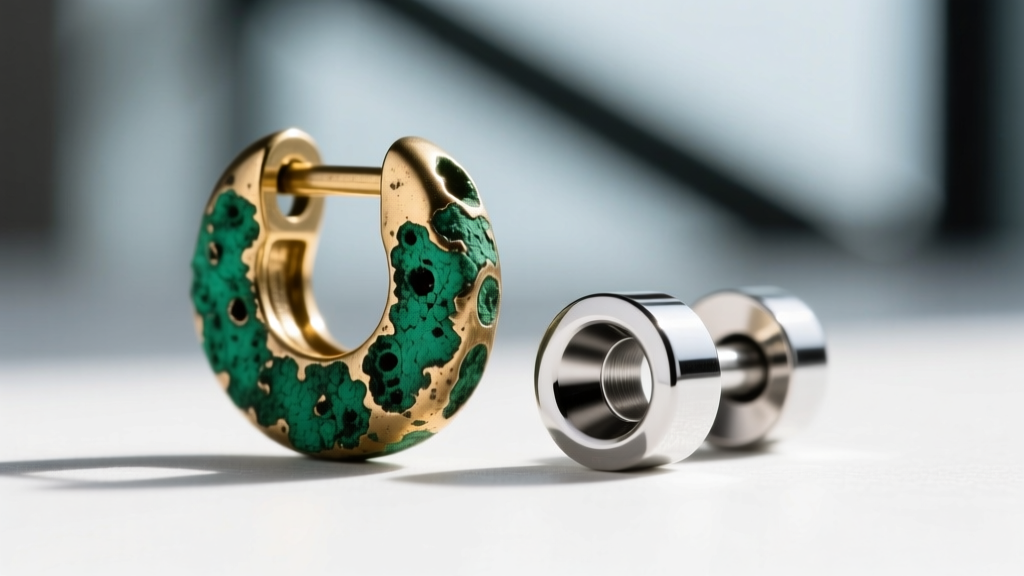
Human sweat and sebum are slightly acidic, typically ranging from a pH of 4.5 to 6.0. When acidic moisture sits against reactive metals like brass, copper, or low-grade stainless steel, it triggers an oxidation process. For example, if your earring posts are made of brass (an alloy of copper and zinc), the acid in your sweat reacts with the copper to form copper chloride. This manifests as a chalky, greenish-black paste that not only stains your skin but also degrades the structural integrity of the earring post.
Material Matters: Which Metals Attract the Most Buildup?
Not all jewelry metals are created equal when it comes to hygiene and buildup. The microscopic porosity of a metal dictates how much bacteria and sebum can cling to its surface. Below is a comparative analysis of common earring materials and their propensity to accumulate gunk.
| Material Grade | Porosity & Reactivity | Gunk Accumulation Risk | Stylist Recommendation |
|---|---|---|---|
| Implant-Grade Titanium (ASTM F-136) | Non-porous, highly biocompatible, zero nickel. | Very Low | The gold standard for all piercings, especially fresh or sensitive cartilage. |
| 14k / 18k Solid Gold | Low porosity, but softer alloys can scratch, trapping micro-debris. | Low | Excellent for lobes; ensure it is nickel-free and polished regularly. |
| Surgical Steel (316L) | Micro-porous due to nickel inclusions; can pit over time. | Medium | Avoid for long-term wear if you have metal sensitivities or heavy sebum production. |
| Brass / Copper Alloys | Highly porous, reacts aggressively with skin acids. | Very High | Strictly avoid for posts. Acceptable only for outer decorative elements on sealed pieces. |
The Mechanics of Earring Backs: Where the Gunk Hides
The design of your earring backing plays a massive role in how much debris gets trapped. According to guidelines from the Association of Professional Piercers (APP), minimizing hardware complexity is key to piercing hygiene.
- Friction Backs (Butterfly Clutches): The worst offender. The tight, enclosed space between the earlobe and the metal clutch creates a dark, moist micro-environment perfect for bacterial growth and sebum packing. The tiny grooves in the clutch are nearly impossible to clean without ultrasonic equipment.
- Screw-In Flat Backs (Labrets): Popular for cartilage and helix piercings. While the flat disc sits flush against the skin, the internal threading can trap moisture if the jewelry is not removed and cleaned weekly.
- Threadless Push-Pins: The modern stylist's favorite. Because the tension is created by a bent pin sliding into a hollow post, there are no external threads to trap dead skin. They are significantly easier to sanitize and maintain.
- Continuous / Seamless Hoops: While the hoop itself doesn't trap gunk, the tiny opening where the wire enters the tube can wick sebum into the hollow center of the jewelry via capillary action.
The Stylist’s Protocol: Preventing and Removing Ear Gunk
Maintaining a flawless aesthetic requires a dedicated hygiene protocol. Do not rely on simply wiping your earrings with a tissue. Implement this professional-grade cleaning routine to eliminate the gunk on back of earrings permanently.
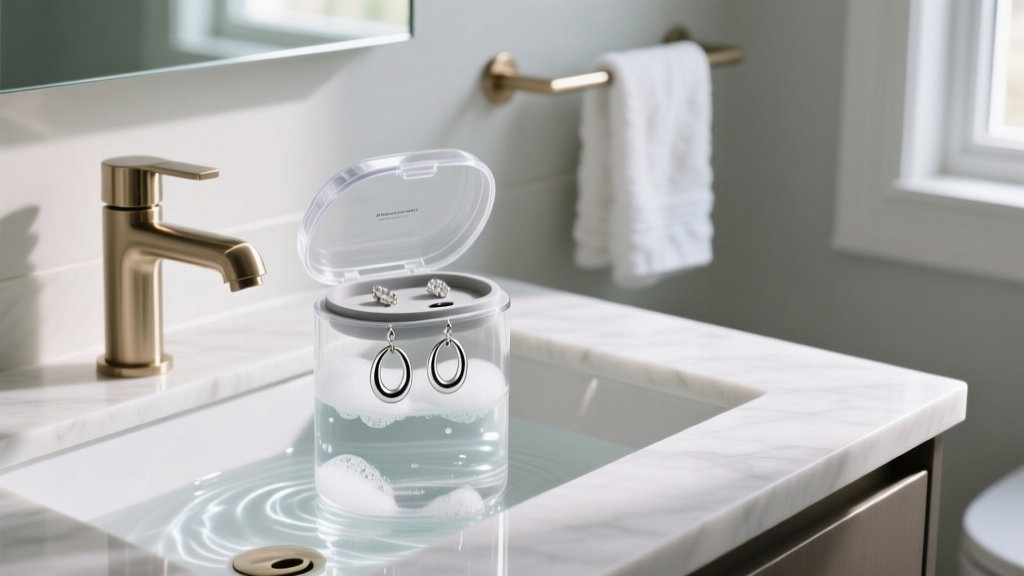
- The Ultrasonic Bath (40kHz Frequency): For solid metals (gold, titanium, platinum), an ultrasonic cleaner is non-negotiable. The high-frequency sound waves create microscopic cavitation bubbles in the water that literally blast sebum out of the tiny crevices of earring backs and gemstone prongs. Run your jewelry for 3-5 minutes in a mixture of warm water and a drop of mild, fragrance-free castile soap.
- Targeted Brushing: After the ultrasonic bath, use an extra-soft baby toothbrush to gently sweep the posts and the backs. Pay special attention to the grooves of butterfly clutches or the threading of screw-backs.
- Isopropyl Alcohol Soak (With Caveats): A 70% isopropyl alcohol soak for 10 minutes will sterilize solid metals and dissolve stubborn lipid buildup. Warning: Never use alcohol or ultrasonic cleaners on porous gemstones like opals, pearls, turquoise, or emeralds, as it will strip their natural moisture and cause micro-fractures. Clean these with a damp microfiber cloth only.
- Fistula Flushing: While the jewelry is out, use a sterile saline wound wash to flush the piercing channel. This removes the internal buildup of dead skin cells before you reinsert the post.
2026 Earring Trends That Naturally Repel Buildup
As we move through 2026, the jewelry industry is seeing a massive shift toward "hygienic luxury." Designers and piercers are collaborating to create pieces that look exquisite while inherently resisting biological buildup. The trend of heavy, ornate butterfly backs is dying out, replaced by sleek, minimalist engineering.
Threadless jewelry, once confined to professional piercing studios, is now being adopted by mainstream fine jewelry brands. By eliminating external threads and bulky clutches, these designs offer a seamless silhouette that leaves nowhere for gunk to hide. Additionally, we are seeing a rise in 14k gold pieces that feature PVD (Physical Vapor Deposition) coatings on the posts. PVD creates a microscopic, glass-like barrier over the metal, rendering it entirely non-porous and slick, allowing sebum to wash away naturally during your daily shower.
When to See a Professional (Infection vs. Simple Sebum)
It is vital to distinguish between harmless sebum buildup and a developing medical issue. Normal ear gunk is grayish-white, waxy, and smells when removed from the body. However, if the gunk is yellow or green, accompanied by heat, swelling, throbbing pain, or a foul odor that persists even after the jewelry is removed, you may be dealing with a bacterial infection or contact dermatitis.
"Many patients mistake allergic contact dermatitis for a simple infection. If you are experiencing persistent crusting and weeping behind the earlobe, the nickel in your earring post is likely causing a localized immune response. Switching to ASTM F-136 implant-grade titanium usually resolves the issue within 48 hours." — Insights adapted from the American Academy of Dermatology (AAD) guidelines on piercing complications.
Ultimately, solving the gunk on back of earrings is about marrying material science with daily styling habits. By investing in non-porous metals, ditching outdated friction backs, and committing to a weekly ultrasonic cleaning ritual, you ensure that your ear curation remains as fresh, hygienic, and visually stunning as the day it was pierced.


