James Avery Turquoise Earrings: Material & Stone Guide
Explore the material properties of James Avery turquoise earrings. Compare stone grades, 925 silver settings, and hardware specs for lasting wear.

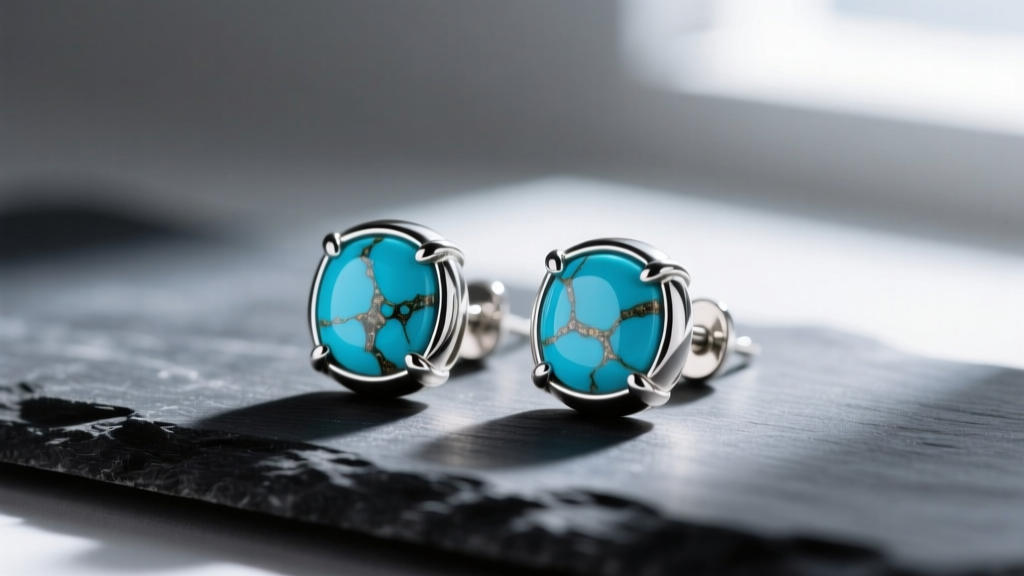
The Anatomy of James Avery Turquoise Earrings
When evaluating james avery turquoise earrings, it is essential to look beyond the iconic Southwestern aesthetic and examine the metallurgical and gemological properties that define their construction. James Avery Artisan Jewelry has built its reputation on the synergy between porous, copper-rich gemstones and precious metal alloys. Turquoise, a hydrous phosphate of copper and aluminum, is inherently delicate. When paired with 925 sterling silver or 14-karat gold, the resulting earring requires a precise balance of structural integrity, chemical stability, and aesthetic harmony. This guide deconstructs the exact materials, stone treatments, and hardware specifications used in these highly sought-after ear pieces.
Turquoise Stone Grades: Natural vs. Stabilized
Turquoise ranks between 5 and 6 on the Mohs hardness scale, making it relatively soft and highly porous compared to diamonds or sapphires. In its natural, untreated state, turquoise can absorb skin oils, cosmetics, and environmental moisture, which often causes the stone to shift from a vibrant blue to a dull green over time. To combat this, the vast majority of turquoise used in commercial jewelry—including the majority of James Avery's turquoise earrings—undergoes stabilization.
Stabilization is not a synthetic treatment; rather, it is a permanent structural reinforcement. According to the Gemological Institute of America (GIA), stabilization typically involves immersing the rough stone in a clear epoxy resin or sodium silicate under pressure. This fills the microscopic pores, hardens the stone to a Mohs 6+, and locks in the color. James Avery is known for sourcing high-grade stabilized turquoise that retains a natural luster without the waxy, plastic-like sheen associated with lower-quality 'block' turquoise or dyed howlite imitations.
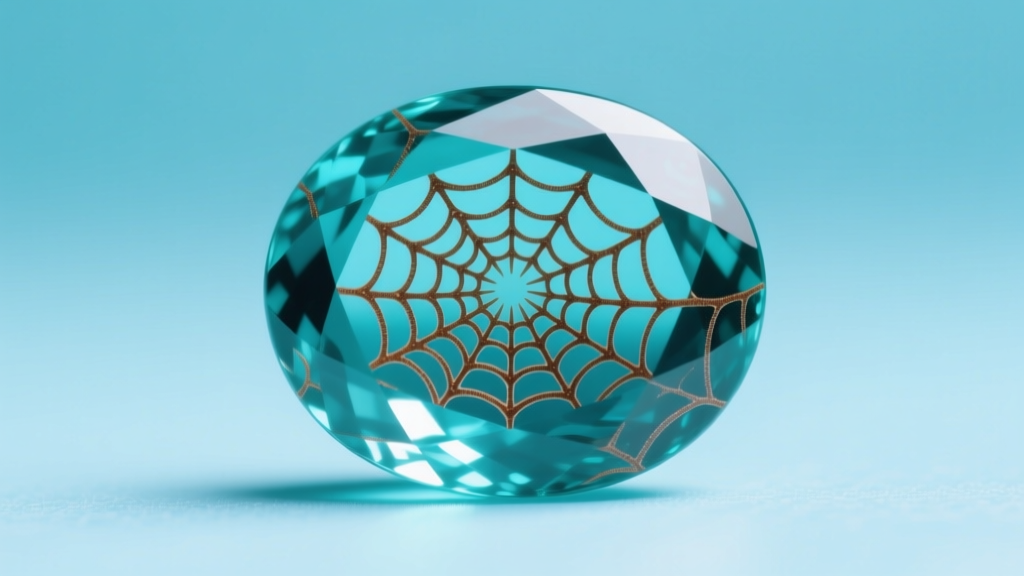
Matrix Variations and Color Profiles
The 'matrix' refers to the host rock or mineral inclusions visible within the turquoise cabochon. James Avery utilizes turquoise from several distinct geological sources, each offering unique visual and material properties. The presence of iron, pyrite, or quartz in the matrix affects both the stone's durability and its visual contrast against sterling silver bezels.
| Mine Source | Matrix Type | Color Profile | Material Characteristics |
|---|---|---|---|
| Sleeping Beauty (AZ) | None / Clear | Uniform Robin Egg Blue | Highly stable, dense, lacks webbing; ideal for smooth, flush bezel settings. |
| Kingman (AZ) | Spiderweb | Deep Blue to Green | Contains pyrite inclusions; heavier and slightly more brittle during cutting. |
| Royston (NV) | Heavy Web | Variegated Green/Blue | High iron content creates dark brown webs; requires careful cabochon doming. |
When selecting James Avery turquoise earrings, buyers should note that stones with heavy matrix webbing require slightly deeper bezel walls to protect the fragile intersection between the turquoise and the host rock from chipping upon impact.
Metal Settings: Sterling Silver and Gold Accents
The primary metal used in James Avery turquoise earrings is 925 sterling silver. By definition, sterling silver is an alloy consisting of 92.5% pure silver and 7.5% secondary metals, almost always copper. While pure silver is too soft to securely hold a turquoise cabochon in a tension or bezel setting, the addition of copper provides the necessary tensile strength for prongs and bezel walls.
However, the copper content is also responsible for tarnishing. When exposed to sulfur in the air or hydrogen sulfide on the skin, the copper reacts to form silver sulfide, creating a dark patina. James Avery often embraces this by applying intentional oxidation (blackening) to the recessed areas of the silver setting, which highlights the intricate Southwestern stamp-work and contrasts beautifully with the bright blue turquoise. For the earring posts and high-polish surfaces, a micro-thin flash of rhodium is occasionally applied to delay tarnishing and provide a bright, white-metal finish that mimics platinum.
Hardware and Gauge Specifications
The structural longevity of any earring relies heavily on its hardware. For lobe earrings, James Avery typically utilizes 20-gauge (0.812 mm) or 22-gauge (0.644 mm) sterling silver posts. A 20-gauge post is the industry standard for durability, offering enough thickness to support the weight of a heavy turquoise cabochon and a solid silver bezel without bending during insertion.
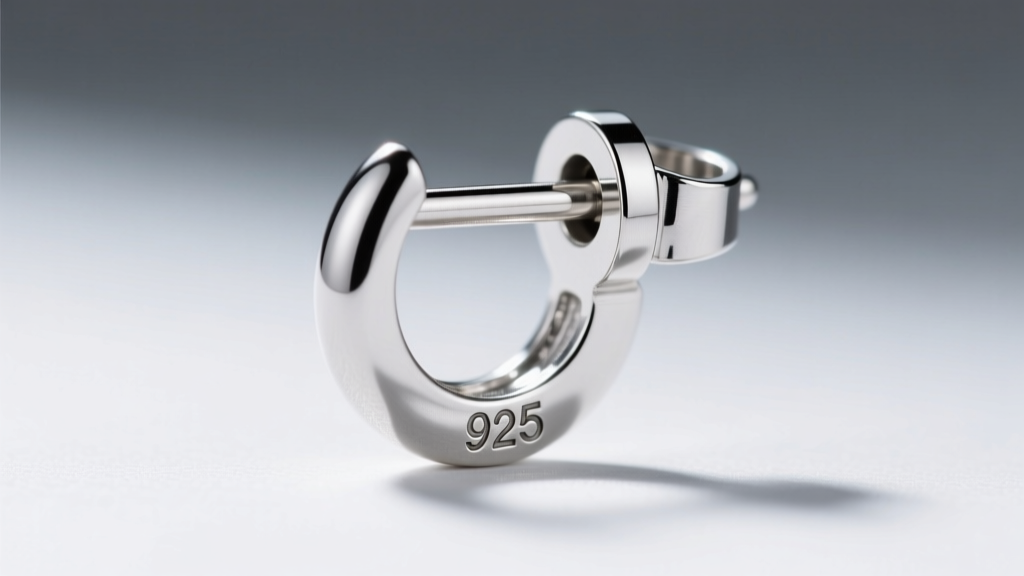
For heavier dangle or drop earrings featuring large turquoise drops, the brand frequently employs 18-gauge (1.02 mm) sterling silver ear wires. The thicker gauge prevents the wire from warping under the pendulum weight of the stone. Furthermore, the friction backs (butterfly clasps) used on their stud earrings are precision-stamped with a tight tolerance to prevent the earring from slipping off the post, a common failure point in mass-market jewelry where the clutch hole becomes stretched over time.
Material Care and Longevity Framework
Maintaining the material integrity of turquoise and sterling silver requires a specific care protocol. Because turquoise is a phosphate, it is highly sensitive to acids and harsh chemicals. The Silver Institute recommends specific polishing methods for silver, but these must be adapted when porous gemstones are present.
- Avoid Ultrasonic Cleaners: The high-frequency vibrations and heated chemical baths used in ultrasonic cleaners will fracture stabilized turquoise and strip the epoxy resin from the stone's pores.
- Targeted Silver Polishing: Use a treated silver polishing cloth strictly on the metal bezel and post. Avoid rubbing the cloth directly over the turquoise, as the mild abrasives in the cloth can dull the stone's polish over time.
- Moisture Control: Remove turquoise earrings before swimming or showering. Chlorine and saltwater can degrade the copper matrix within the stone and accelerate the tarnishing of the sterling silver setting.
- Storage: Store in an anti-tarnish bag with a silica gel packet. Turquoise can dehydrate in extremely dry environments, leading to surface crazing (micro-cracking), while the silver requires a low-humidity environment to prevent sulfide formation.
Pricing Tiers and Investment Value
The pricing of James Avery turquoise earrings is directly correlated to the carat weight of the stone, the complexity of the silver casting, and the specific mine source of the turquoise. Standard 6mm to 8mm Sleeping Beauty turquoise studs typically retail between $75 and $120. However, limited-edition pieces featuring rare Royston matrix turquoise set in intricate, heavy-gauge silver gallery wire can command retail prices exceeding $450.
On the secondary market, vintage James Avery turquoise earrings—particularly those from the 1980s and 1990s featuring natural, untreated stones with documented provenance—often appreciate in value. Collectors specifically seek out early pieces where the turquoise exhibits a natural color shift, viewing the material's organic aging process as a hallmark of authenticity and historical craftsmanship.


