Troubleshooting and Repair Guide for Pumpkin Earrings
Learn how to fix broken posts, restore chipped enamel, and clean vintage pumpkin earrings with our expert troubleshooting guide and material care tips.

Introduction to Pumpkin Earring Woes
Pumpkin earrings are a beloved staple of autumn fashion, vintage jewelry collections, and fine gemstone carvings. From intricate Art Deco enamel drops to modern carved citrine studs, the unique geometry of the pumpkin—characterized by deep vertical ridges, a top-heavy stem, and a bulbous base—creates specific wear-and-tear vulnerabilities. As we navigate the jewelry landscape in 2026, collectors and everyday wearers alike face distinct challenges with these seasonal and novelty pieces. This comprehensive guide dives deep into the metallurgical, gemological, and structural troubleshooting required to diagnose, repair, and maintain your pumpkin earrings in pristine condition.
Diagnosing Material-Specific Damage
The material composition of your pumpkin earrings dictates their primary failure points. Novelty pieces often rely on resins and cold enamels, while fine jewelry iterations utilize precious metals and carved gemstones.
Enamel and Cold Resin Pumpkin Earrings
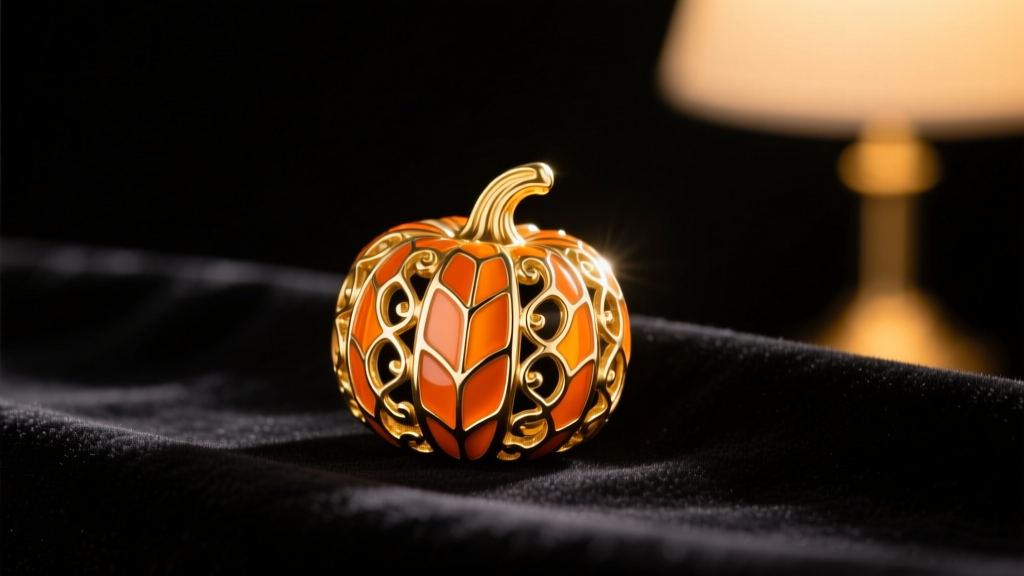
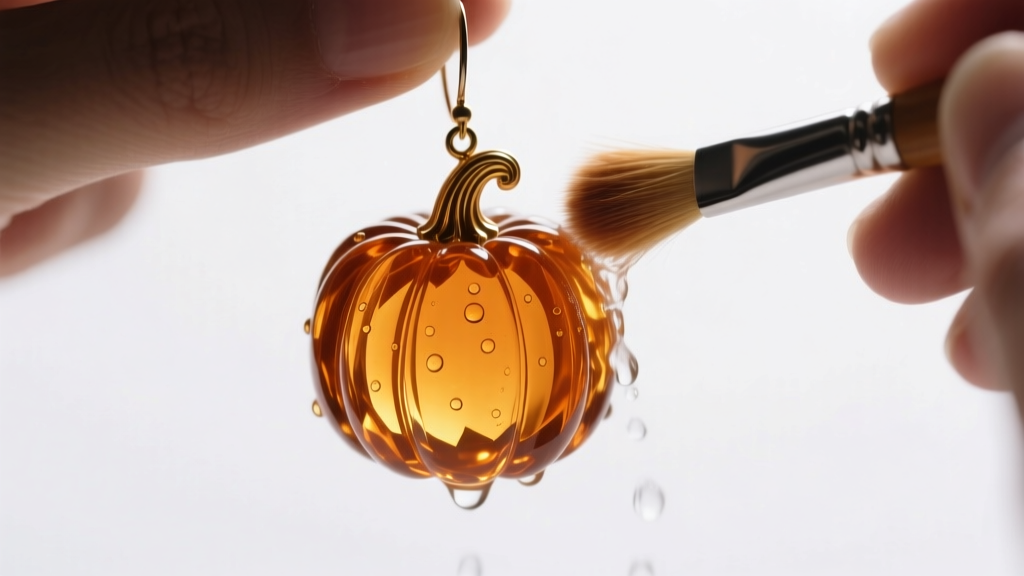
Vintage pumpkin earrings frequently feature guilloché enamel or cold-painted resin. The deep grooves of the pumpkin design are notorious for trapping skin oils, lotions, and sulfur, leading to localized tarnishing of the underlying silver or copper base metal. If the enamel is chipped, DIY repair requires a two-part clear jeweler's epoxy resin meticulously mixed with mica powders to match the original orange, yellow, or green hue. However, if the piece features kiln-fired vitreous enamel, a professional re-enameling service is mandatory. The piece must be heated to over 1,400°F (760°C) to fuse the glass powder, a process that will instantly melt any DIY resin patch.
Carved Gemstones: Citrine and Spessartite Garnet
High-end pumpkin earrings often utilize carved citrine or spessartite garnet to mimic the ribbed texture of a real gourd. According to the Gemological Institute of America (GIA), citrine rates a 7 on the Mohs hardness scale. While durable, the intricate ridges of a carved pumpkin gemstone easily accumulate dead skin and cosmetics. Avoid ultrasonic cleaners if the stone has surface-reaching fractures, as the high-frequency vibrations can propagate the crack. The GIA's garnet care guidelines also explicitly warn against steam cleaning, as thermal shock can cause internal stress fractures in included garnets.
Structural Failures: Posts, Wires, and Clasps
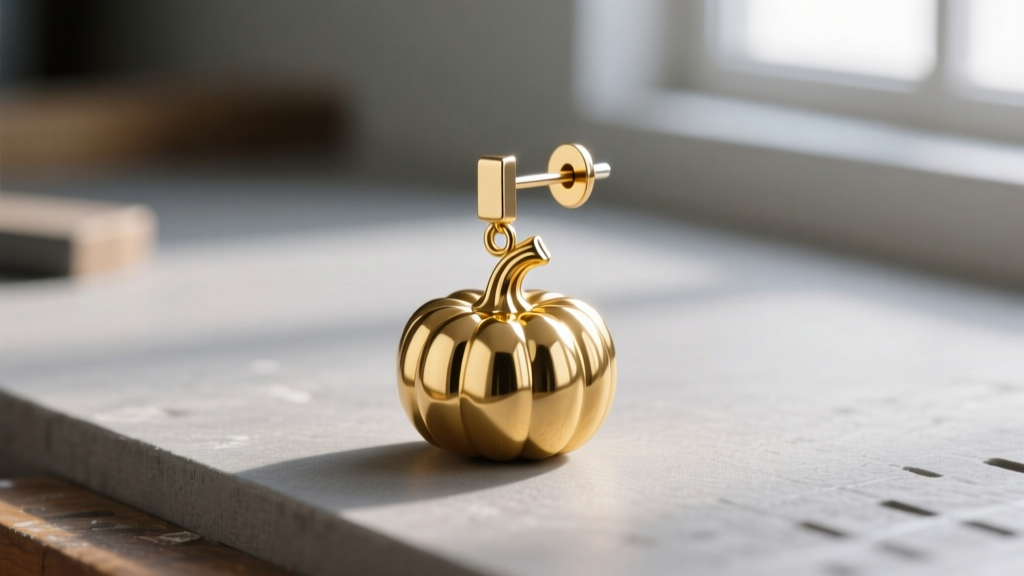
The top-heavy nature of pumpkin dangles and drops places immense leverage on the earlobe. This uneven weight distribution frequently results in bent posts, stretched ear wires, or clasp failures. Understanding the tensile strength of your earring posts is critical for troubleshooting structural sagging.
| Post Gauge | Diameter (mm) | Max Weight Recommendation | Best Metal for Rigidity |
|---|---|---|---|
| 22-Gauge | 0.64mm | Under 3 grams | 14k White Gold (Alloyed for stiffness) |
| 20-Gauge | 0.81mm | 3 to 5 grams | Surgical Stainless Steel / 14k Gold |
| 18-Gauge | 1.02mm | 5 to 8 grams | Grade 5 Titanium / Platinum |
| 16-Gauge | 1.29mm | 8+ grams | Niobium / Thick Platinum |
Jeweler's Pro Tip: If your pumpkin earring features a heavy 3D cast gold body, standard 20-gauge 14k yellow gold posts will almost certainly bend over time due to the softness of the alloy. Always request an 18-gauge platinum or titanium post upgrade for heavy novelty drops.
Step-by-Step Troubleshooting Scenarios
Below are the most common issues encountered with pumpkin earrings and the exact methodologies to resolve them safely.
Scenario 1: The Bent 20-Gauge Post
If your pumpkin stud post is bent, repeatedly bending it back and forth will cause metal fatigue and eventual snapping. If the earring is crafted from 14k yellow gold, the post can be annealed by a jeweler using a micro-torch to relieve the crystalline stress before straightening. For a permanent, modern fix, have the jeweler laser-weld a new 18-gauge titanium post. Titanium offers superior tensile strength and hypoallergenic properties without requiring you to stretch your earlobe piercing.
Scenario 2: Tarnish Trapped in Pumpkin Ridges
Sterling silver pumpkin earrings are notorious for black tarnish buildup in the deep vertical grooves. Do not use liquid silver dips or harsh chemical baths, as they will strip the intentional dark patina (oxidation) that jewelers apply to highlight the pumpkin's textured ridges. Instead, utilize a targeted dry-cleaning method.
- Wooden Toothpicks: Wrap a microfiber polishing cloth tightly around the flat edge of a wooden toothpick.
- Mild Abrasion: Gently run the cloth-wrapped toothpick through the grooves to lift sulfur buildup without scratching the silver.
- Distilled Water Rinse: If grime persists, use a drop of mild dish soap and distilled water, drying immediately with compressed air to prevent water spots in the crevices.
Scenario 3: Converting Vintage Screw-Backs
Many mid-century vintage pumpkin clip-ons or screw-backs are uncomfortable, pinch the earlobe, and are prone to falling off. A jeweler can carefully snip the screw mechanism and laser-weld a modern 14k white gold friction post and butterfly clutch. For heavier pumpkin drops, converting the mechanism to a hinged leverback wire ensures the earring remains secure while preserving the vintage motif.
Essential DIY Care Kit for Pumpkin Earrings
To maintain your collection between professional servicing, keep the following items in your jewelry care arsenal:
- Soft Baby Toothbrush: The ultra-fine bristles can reach into the pumpkin's stem and ridge crevices without scratching softer metals or gemstones.
- Ionized Silver Polishing Cloth: Treated with anti-tarnish agents, this is safe for wiping the smooth, high-polish areas of the earring (like the stem or bail).
- Jeweler's Loupe (10x or 20x): Essential for inspecting the prongs holding the pumpkin gemstone or checking for micro-fractures in resin and enamel before wear.
When to Seek a Professional Jeweler
While surface cleaning and minor polishing can be safely executed at home, certain structural failures require a master jeweler. If the pumpkin's 'stem'—often a delicate gold or silver loop acting as a bail—has fractured, standard torch soldering might melt the surrounding enamel or damage heat-sensitive gemstones like opals or treated citrines. In 2026, laser welding is the industry standard for these delicate repairs, as it concentrates heat into a microscopic point, leaving the rest of the earring completely cool. Expect to pay between $45 and $150 for laser welding services, depending on the metal karat and the complexity of the stem geometry.
Conclusion
Pumpkin earrings require a nuanced approach to care due to their complex shapes and varied materials. By understanding the specific vulnerabilities of enamel, resin, and carved gemstones, and by upgrading structural weak points like thin posts and outdated clasps, you can ensure your favorite seasonal and vintage pieces remain secure, vibrant, and ready for wear year after year.