Silver Dangle Earrings Simple Buying Guide: What to Look For
Discover how to choose silver dangle earrings simple enough for daily wear. Learn about silver grades, ear wires, weight limits, and styling tips.

The Anatomy of a Perfect Simple Silver Dangle
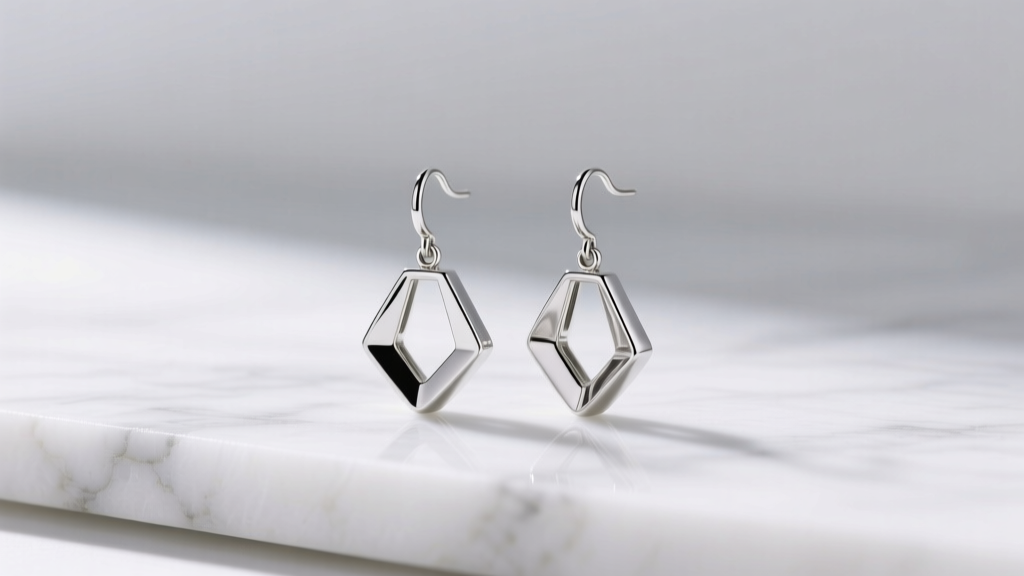
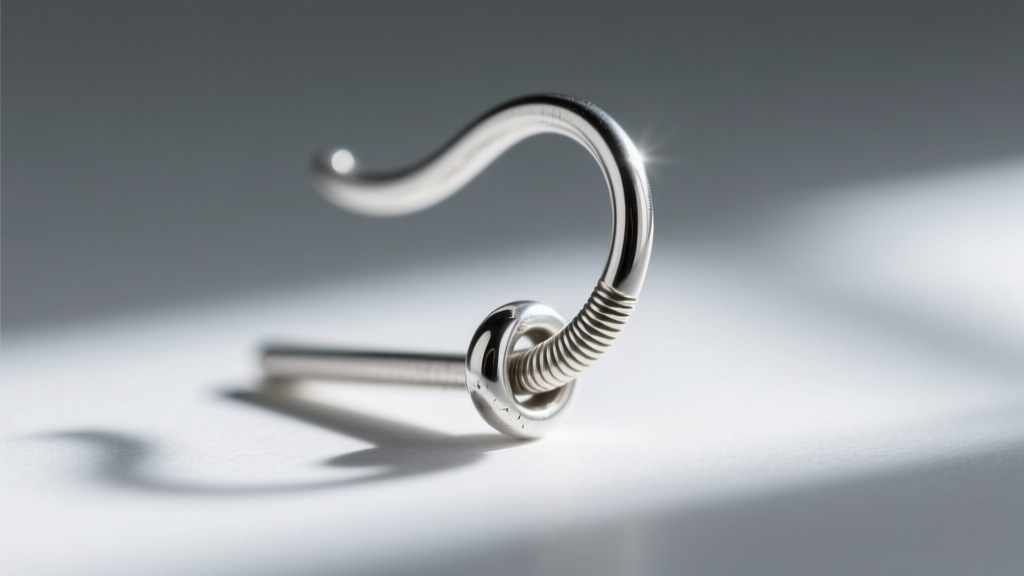
When evaluating silver dangle earrings, simple designs often expose structural flaws that heavy gemstone clusters or complex filigree might hide. A minimalist dangle relies entirely on its silhouette, metal finish, and structural integrity. The most critical, yet frequently overlooked, component is the connection point between the ear wire and the dangle element. In high-quality simple silver dangles, this is achieved via a soldered jump ring. An unsoldered jump ring is a primary failure mode; over time, the tension of the dangle swinging will pull the ring apart, resulting in a lost earring. Always inspect the macro-details of the connection hardware before purchasing. Furthermore, the transition from the ear wire to the dangle should allow for fluid movement without pinching the silver, ensuring the earring hangs perfectly plumb against the jawline.
Silver Alloys Decoded: 925 vs. Argentium vs. Fine Silver
Not all silver is created equal, and understanding metallurgy is crucial when investing in everyday jewelry. Pure silver is too soft for dangle earrings, which require rigidity to maintain their shape. According to the Gemological Institute of America (GIA), alloying metals are added to increase durability, but they also introduce variables like tarnish and skin reactivity. Here is how the three primary silver alloys compare for minimalist dangle earrings:
| Alloy Type | Composition | Tarnish Resistance | Best Use Case | Price Range (Pair) |
|---|---|---|---|---|
| Sterling (925) | 92.5% Silver, 7.5% Copper | Moderate (Requires polishing) | Everyday wear, budget-friendly | $30 - $85 |
| Argentium (935/960) | 93.5%+ Silver, Germanium | Exceptional (Highly resistant) | Low-maintenance daily wear | $60 - $150 |
| Fine Silver (999) | 99.9% Pure Silver | High (No copper to oxidize) | Hypoallergenic needs, soft dangles | $80 - $200+ |
For those seeking silver dangle earrings simple enough to wear in the shower or gym without constant polishing, Argentium silver is the superior choice. The addition of germanium creates a transparent, protective oxide layer that drastically slows tarnishing. Fine silver is excellent for highly sensitive lobes but is generally too soft for the ear wires themselves, often requiring a sterling or gold-filled hook attached to a fine silver dangle.
Weight and Gauge: Preventing Lobe Fatigue and Wire Bending
Dangle earrings act as physical levers on your earlobes. The longer the dangle, the more torque it applies to the piercing. For comfortable, all-day wear, a simple silver dangle should weigh between 4 and 8 grams per earring. Anything exceeding 12 grams will cause lobe fatigue, stretching the piercing channel over time and causing the earring to droop forward rather than hanging elegantly.
Equally important is the wire gauge. The industry standard for dangle ear wires is 20-gauge (0.81mm). This thickness provides the perfect balance: it is sturdy enough to support the swinging weight of the dangle without bending, yet thin enough to glide comfortably through a standard lobe piercing. Avoid 22-gauge (0.64mm) wires for dangles, as the leverage will inevitably warp the metal. Conversely, 18-gauge (1.02mm) wires are often too thick for standard piercings and can cause micro-tears in the earlobe tissue during insertion.
Choosing the Right Ear Wire for Security and Comfort
The ear wire dictates both the security and the aesthetic of your simple silver dangles. There are three primary styles you will encounter on the market:
- French Wire (Fishhook): The most common and classic choice. It glides through the ear effortlessly but lacks a built-in locking mechanism. If you choose French wires, always use silicone earring backs or secure them with a tiny, clear O-ring to prevent loss.
- Leverback: The gold standard for security. A hinged wire snaps securely into a catch at the front of the earring. Leverbacks are ideal for active lifestyles and ensure the dangle remains perfectly positioned. They do add a slight amount of visual bulk, which can detract from ultra-minimalist designs.
- Kidney Wire: A vintage-inspired, self-locking wire that hooks into a small loop. While secure, the hook mechanism can sometimes snag on hair or sweaters, making it less ideal for everyday, carefree wear.
Proportion and Face Shape: Styling Simple Dangles
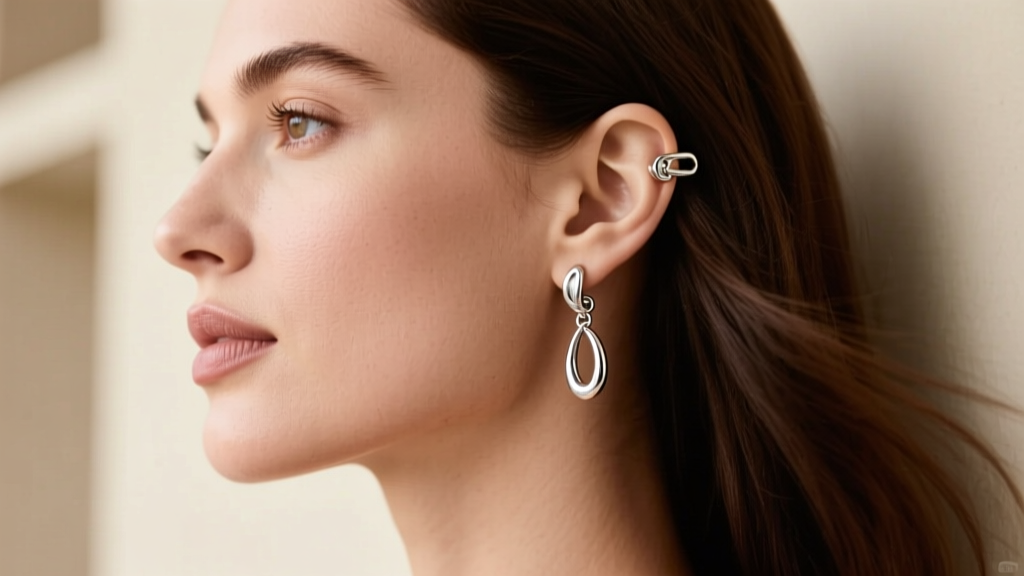
Because simple dangles lack distracting embellishments, their linear proportion interacts directly with your facial geometry. Selecting the right length and silhouette is a matter of optical balancing:
- Round Faces: Opt for elongated, linear bar dangles or narrow rectangles measuring 1.5 to 2.5 inches. The vertical lines create an illusion of length, slimming the facial profile.
- Square Faces: Choose simple dangles with softened edges, such as elongated teardrops or oval hoops with a dangle element. Avoid harsh, geometric squares that echo the jawline.
- Heart-Shaped Faces: Shorter, wider dangles (around 1 inch in length) that feature a subtle flare at the bottom help add visual weight to the lower half of the face, balancing a narrower chin.
- Oval Faces: The universal canvas. Almost any simple dangle works, but mid-length geometric shapes (1.25 to 1.75 inches) offer the most striking, modern aesthetic.
Maintenance and Troubleshooting Common Failure Modes
Even the highest quality sterling silver requires basic maintenance. Tarnish is a natural chemical reaction between the copper in sterling silver and sulfur compounds in the air. To mitigate this, store your silver dangle earrings in an airtight ziplock bag with an anti-tarnish silica strip. Never use harsh, abrasive silver dips on simple dangles; these chemical baths can strip the polished finish and leave a dull, matte residue. Instead, use a mild solution of warm water and phosphate-free dish soap, gently scrubbing with a baby toothbrush.
A common failure mode with simple dangles is the bending of the French ear wire, usually caused by sleeping in them or pulling a sweater over the head. Do not attempt to bend the wire back into shape with standard metal pliers, as the steel teeth will gouge and scratch the soft silver. Instead, invest in a pair of nylon jaw pliers. These allow you to gently reshape the 20-gauge wire back to its original curve without marring the metal's surface. For verified hallmarking and purity standards, always refer to guidelines from authoritative bodies like The Assay Office to ensure you are getting the exact silver grade you paid for.
Pro Stylist Tip: When searching for silver dangle earrings simple enough for the office yet elegant for evening wear, look for designs with a brushed or satin finish rather than a high polish. A satin finish hides micro-scratches acquired during daily wear and offers a sophisticated, understated glow that pairs beautifully with both casual denim and formal silk.


