How to Restore Cloudy or Tarnished Cubic Earrings
Learn how to clean cloudy stones, fix tarnished settings, and prevent skin irritation in your favorite cubic earrings with expert jewelry care tips.

The Anatomy of Cubic Earrings: Why They Fail
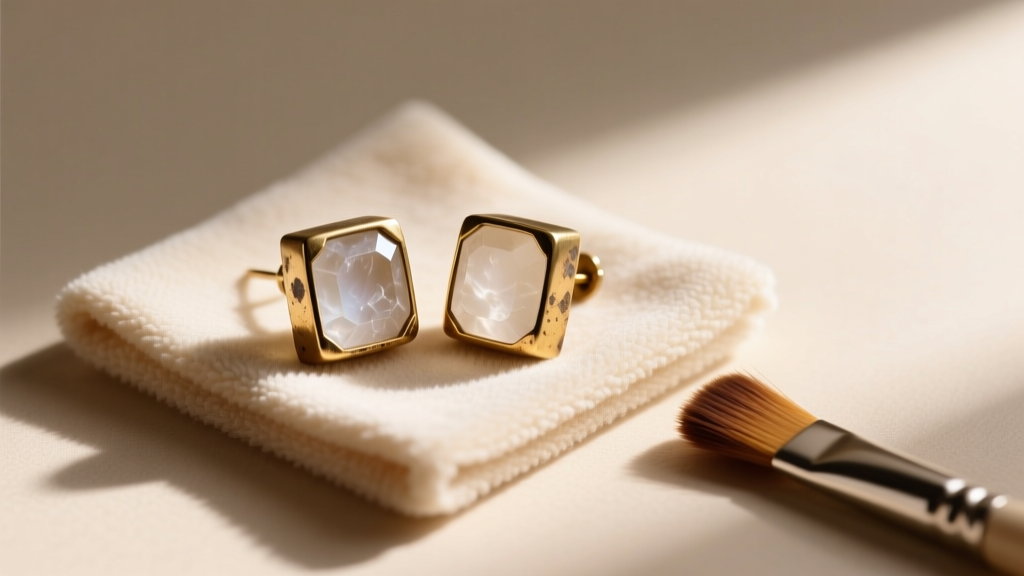
When jewelry enthusiasts refer to 'cubic earrings,' they are typically talking about cubic zirconia (CZ) stones set in base metals, sterling silver, or gold vermeil. While CZ is a stunning, high-refractive-index alternative to diamonds, it possesses unique physical properties that dictate how it ages. On the Mohs scale of mineral hardness, CZ ranks between 8.0 and 8.5. This makes it highly resistant to everyday scratching, but it lacks the natural cleavage planes of a diamond. Instead, CZ has a conchoidal fracture, meaning it is relatively brittle and prone to chipping at the girdle (the outer edge) if struck against hard surfaces.
Furthermore, the structural integrity of cubic earrings is heavily dependent on the metal setting. To keep costs accessible, many CZ earrings are crafted from brass or copper alloys and plated with a microscopic layer of rhodium or gold. When this plating degrades, the earrings become susceptible to tarnish, structural bending, and skin irritation. Understanding these material realities is the first step in troubleshooting and restoring your favorite pieces.
Troubleshooting Cloudy or Milky Stones
The most frequent complaint regarding cubic earrings is a loss of brilliance, with stones taking on a milky, cloudy, or 'dead' appearance. This is rarely a permanent defect in the gemstone itself. CZ boasts a high refractive index (2.15–2.18), which is responsible for its signature fiery light return. However, CZ is highly oleophilic, meaning it aggressively attracts and holds onto oils.
When sebum from your skin, hand lotions, cosmetics, and hairspray accumulate on the pavilion (the bottom facets) of the stone, they create a film that alters the critical angle of total internal reflection. Instead of light bouncing off the bottom facets and returning to your eye, the oil causes the light to leak out the back of the stone, resulting in a cloudy appearance.
The Proper Cleaning Protocol
To restore the optical clarity of your cubic earrings, avoid harsh chemicals like bleach, ammonia, or chlorine. These can degrade the optical coatings that some modern CZ stones receive to mimic diamond fluorescence. Follow this expert protocol:
- Degrease: Mix warm distilled water with a few drops of a high-quality degreasing dish soap (such as Dawn).
- Soak: Submerge the earrings for 15 to 20 minutes to loosen the lipid bonds on the stone's surface.
- Agitate: Use a soft-bristled baby toothbrush to gently scrub the pavilion and the basket setting where the stone meets the metal. Do not use hard-bristled brushes, as they can scratch the metal plating.
- Rinse and Dry: Rinse thoroughly with distilled water to prevent hard water mineral spots, then pat dry with a lint-free microfiber cloth.
The Ultrasonic Trap
Many commercial jewelers warn against using ultrasonic cleaners for cubic earrings. While ultrasonic waves are excellent for dislodging dirt from diamond settings, they can be disastrous for CZ. If the stone has microscopic internal stress fractures from the manufacturing process, the high-frequency vibrations can cause the stone to shatter entirely. Additionally, many budget-friendly cubic earrings use optical adhesives to secure the stones rather than traditional prong tension; ultrasonic cavitation will dissolve these glues, causing the stones to fall out into the machine's tank.
Fixing Tarnished Base Metals and Prongs
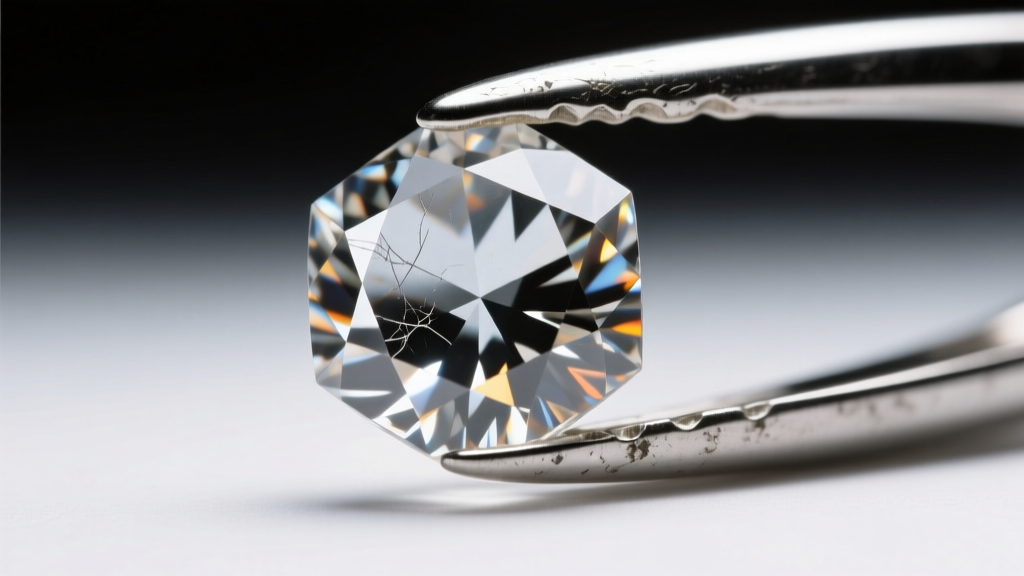
Tarnish and the dreaded 'green ear' effect are caused by galvanic corrosion. When the protective rhodium plating wears away, the underlying copper or brass is exposed to the electrolytes in your sweat. This chemical reaction creates copper carbonate, which stains the skin green and causes the base metal to pit, weaken, and tarnish.
The longevity of the plating depends entirely on its thickness. High-quality jewelry utilizes rhodium plating that is 0.75 to 1.0 microns thick, which can last for years. Fast-fashion cubic earrings, however, often use a mere 0.1-micron 'flash' plating that wears off within weeks of daily use.
Restoration Steps
To restore tarnished settings, use a specialized silver or brass polishing cloth impregnated with mild abrasives. Never use liquid chemical dip cleaners, as they can strip the remaining plating and leave the porous base metal vulnerable to rapid re-oxidation. If the plating is entirely gone and the metal is pitted, a local jeweler can polish the piece and apply a fresh coat of rhodium plating. This service typically costs between $35 and $60, effectively making the earrings look brand new and providing a hypoallergenic barrier.
Securing Loose Stones: Prong vs. Bezel Settings
Because CZ is brittle, it requires secure settings that protect the girdle. If you notice a stone rattling or catching on fabrics, the setting has failed and the stone is at high risk of chipping or falling out. The type of setting dictates how you should approach the repair.
| Setting Type | Security Level | Common Failure Mode | Troubleshooting Fix |
|---|---|---|---|
| Prong | Moderate | Prongs catch on clothing and lift, exposing the stone's edge. | Use a prong pusher tool to gently bend the metal back over the girdle. Do not squeeze too hard, or the CZ will crack. |
| Bezel | High | The metal rim thins out over time due to friction. | Requires a jeweler to burnish the metal rim back against the stone using a specialized bezel roller. |
| Channel | High | The channel walls spread apart from impact or pressure. | A jeweler must use a setting punch to tighten the channel walls uniformly. |
| Glued/Adhesive | Low | Body heat and oils dissolve the optical glue over time. | Clean the setting with isopropyl alcohol and re-set using a jewelry-grade two-part epoxy (e.g., G-S Hypo Cement). |
Preventing Contact Dermatitis from Alloy Backings
Itchy, red, or flaky earlobes are a hallmark of nickel contact dermatitis. According to the Mayo Clinic, nickel allergies are among the most common causes of allergic contact dermatitis worldwide. Many inexpensive cubic earrings use nickel alloys in the earring posts or clutch backs to increase the hardness and durability of the base metal. When sweat breaks down the outer plating, the nickel leaches directly into the skin.
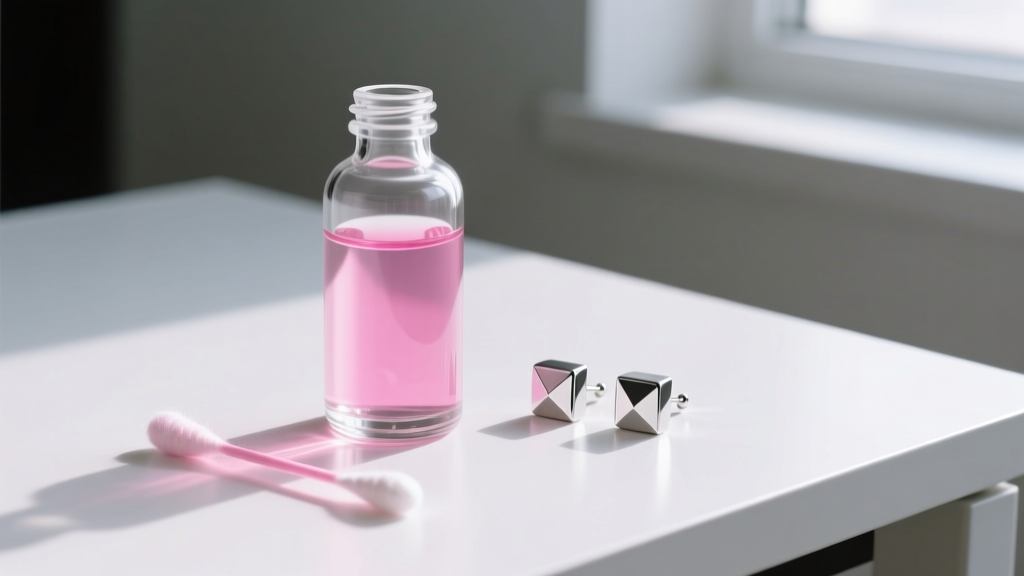
To troubleshoot this scientifically, you can purchase a Dimethylglyoxime (DMG) nickel test kit online or at a pharmacy. Swab the earring post with the solution; if the cotton swab turns pink within 60 seconds, the jewelry is leaching unsafe levels of nickel, violating the limits set by the EU Nickel Directive (0.5 micrograms per square centimeter per week).
To salvage these earrings without throwing them away, you can coat the posts and backs in a barrier like clear nail polish or a specialized jewelry shield paint. For a permanent, professional fix, swap the earring backs for hypoallergenic titanium or surgical steel friction backs. The GIA Gem Encyclopedia notes that while CZ stones themselves are completely inert and hypoallergenic, the metal alloys used in mass-market jewelry settings are the primary culprits for adverse skin reactions.
When to Retire Your Cubic Earrings
While cleaning, re-plating, and tightening prongs can extend the life of your cubic earrings for years, there comes a point when restoration is no longer cost-effective. If the base metal has suffered deep galvanic pitting, if the post is bent at a severe angle near the solder joint (which cannot be easily re-soldered on brass alloys without melting the setting), or if the stones have deep surface scratches that cannot be polished out, it is time to retire the piece. By understanding the material science behind your jewelry, you can maximize the lifespan of your collection and keep your ears comfortable, healthy, and brilliantly styled.


