What Does an Earring in the Right Ear Mean? A Modern Guide
Discover what an earring in the right ear means historically and today. Follow our step-by-step guide to styling right-ear piercings with confidence.

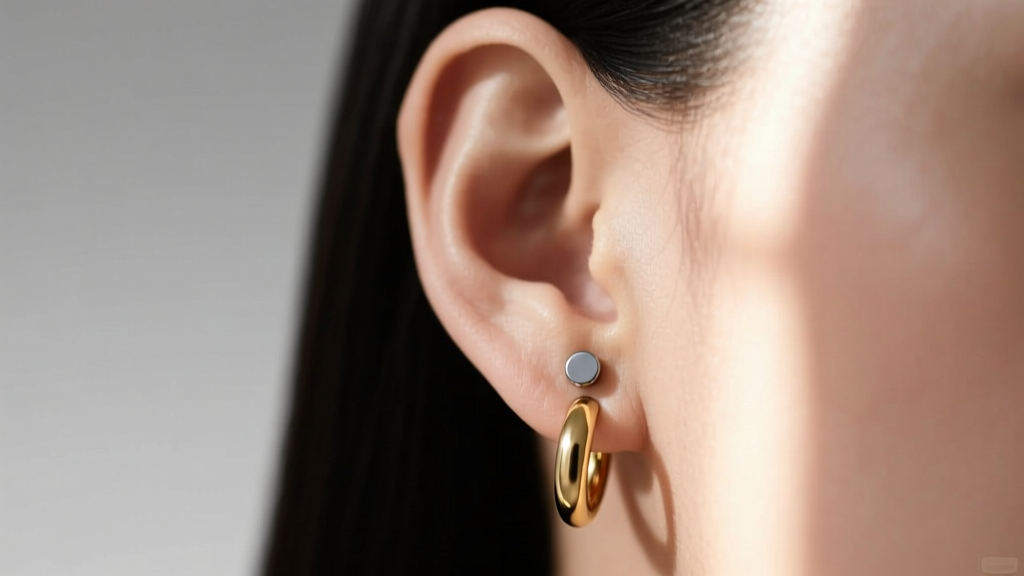
If you have ever found yourself asking, what does an earring in the right ear mean, you are likely encountering a mix of outdated cultural myths, historical maritime folklore, and modern styling trends. In 2026, the rules of ear curation have completely evolved. The rigid codes of the past have been replaced by a focus on anatomical aesthetics, material safety, and personal expression. This step-by-step guide will decode the historical context of the right-ear piercing and provide a practical framework for selecting, styling, and caring for your right-ear jewelry.
The Historical Code: Decoding the Right Ear Myth
For decades, particularly during the 1970s through the 1990s, a pervasive urban dictacted a secret code regarding men's earrings. The popular schoolyard rhyme was:
Left is right, and right is wrong.
This phrase was used to suggest that a piercing in the left ear indicated heterosexuality, while a piercing in the right ear was a covert signal of homosexuality. This originated from the broader 'hanky code' and subtle signaling methods used by the LGBTQ+ community during eras when open identification was dangerous or socially stigmatized. However, as cultural acceptance has grown and fashion has become increasingly gender-fluid, this 'code' has become entirely obsolete. Today, wearing an earring in the right ear carries no inherent sexual or social signaling; it is purely an aesthetic choice.
Historically, maritime folklore also attributed meaning to right-ear piercings. Some sailors believed that piercing the right ear improved long-distance eyesight—an early, albeit scientifically inaccurate, form of acupuncture. Others claimed a gold hoop in the right ear signified that the sailor had successfully sailed around Cape Horn or crossed the equator. While these tales add romantic historical weight, they do not dictate modern styling.
Step-by-Step: How to Choose Jewelry for Your Right Ear
Moving past the myths, the real question is how to properly outfit your right ear. Whether you are working with a standard lobe piercing or planning a full cartilage constellation, following a structured selection process ensures both aesthetic harmony and tissue health.
Step 1: Assess Your Ear Anatomy and Placement
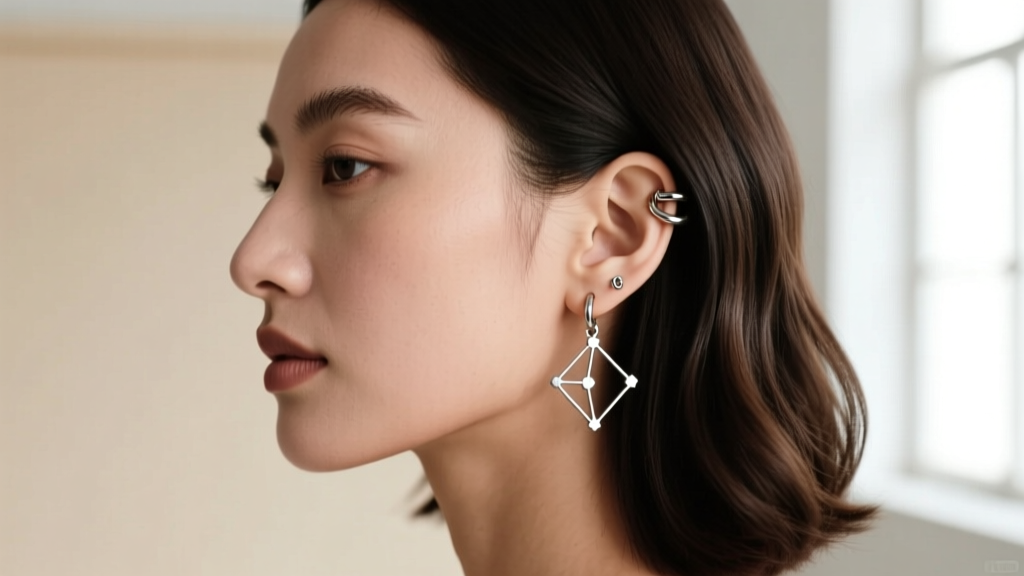
The right ear often features unique cartilage folds that differ slightly from the left due to natural human asymmetry. Before purchasing jewelry, map out your placements. A standard lobe piercing sits on the fleshy lower tissue, while a helix sits on the upper outer cartilage rim. For a balanced look, consider how the jewelry will sit against your jawline and hair part. If you part your hair on the left, your right ear will be more exposed, making it the ideal canvas for statement pieces like drop earrings or intricate ear cuffs.
Step 2: Select the Proper Gauge and Material
Using the correct gauge (thickness) and biocompatible material is non-negotiable to prevent migration, rejection, or contact dermatitis. According to the Association of Professional Piercers (APP), initial and long-term jewelry should be crafted from implant-grade materials.
| Piercing Type | Standard Gauge | Recommended Material | Avg. Healing Time |
|---|---|---|---|
| Standard Lobe | 20G (0.81mm) or 18G (1.0mm) | 14k/18k Solid Gold, Niobium | 6 - 8 Weeks |
| Helix / Cartilage | 16G (1.2mm) or 14G (1.6mm) | ASTM F-136 Titanium | 6 - 12 Months |
| Tragus | 16G (1.2mm) | ASTM F-136 Titanium | 6 - 9 Months |
| Conch | 14G (1.6mm) | Implant-Grade Titanium | 9 - 12 Months |
Note: Avoid 'surgical steel' or 'stainless steel' for sensitive ears, as these alloys often contain nickel, which is a primary culprit for allergic reactions and delayed healing.
Styling Frameworks: Curating a Right-Ear Constellation
Once you understand the anatomy and materials, you can begin the styling process. The modern approach to ear curation relies on intentional asymmetry and varied textures.
The Anchor and Accent Method
Start with an 'anchor' piece in your lowest lobe piercing. This should be a visually weighted item, such as a 14k gold huggie hoop with a pave diamond clasp or a medium-sized drop earring. From there, work your way up the ear with 'accent' pieces. If your anchor is yellow gold, maintain metal consistency for a cohesive look. Place a 5mm titanium labret stud with a subtle opal cabochon in your helix, and a seamless clicker ring in your mid-ear. This creates a visual gradient that draws the eye upward.
Integrating Non-Pierced Options
If you are hesitant to commit to multiple cartilage piercings on the right side, utilize high-quality ear cuffs. Modern ear cuffs utilize tension-based engineering to grip the helix or tragus securely without the need for a needle. Brands like Maria Tash and BVLA offer tension cuffs crafted from solid gold that mimic the look of a real piercing while allowing you to change your styling daily.
Step-by-Step Aftercare for New Right-Ear Piercings
If your styling plan involves getting new piercings to achieve your desired right-ear look, strict aftercare is mandatory. Cartilage piercings, in particular, are avascular (lacking direct blood supply), making them notoriously slow to heal and prone to hypertrophic scarring (piercing bumps) if irritated.
- Step 1: Implement LITHA (Leave It The Hell Alone). Do not twist, turn, or play with the jewelry. Movement tears the fragile fistula (healing tissue tunnel).
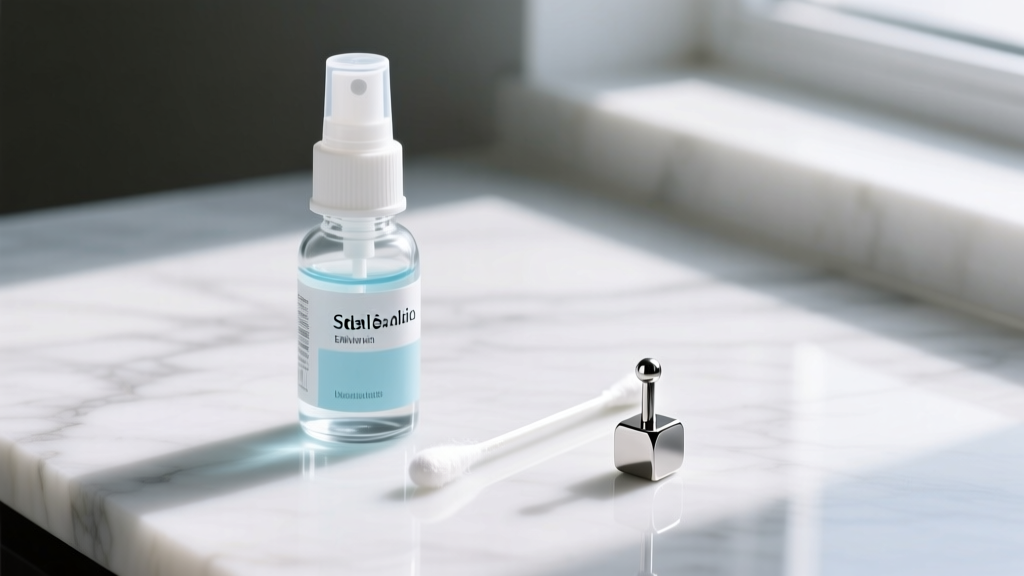
- Step 2: Sterile Saline Cleansing. Spray a 0.9% sterile wound wash (containing only water and sodium chloride) onto the piercing twice daily. Avoid homemade sea salt soaks, as improper ratios can dehydrate the tissue.
- Step 3: Gentle Drying. After spraying, gently dry the area using a hair dryer on the cool setting or non-woven gauze. Avoid cotton swabs or towels, which can snag on the jewelry post and introduce bacteria.
- Step 4: Sleep Management. Use a travel neck pillow to keep pressure off your right ear while sleeping. Direct pressure is the leading cause of cartilage piercing bumps and migration.
For comprehensive medical guidelines on wound care, refer to the APP aftercare guidelines or consult a board-certified dermatologist if you suspect an infection rather than standard irritation.
Final Thoughts on Ear Curation
So, what does an earring in the right ear mean today? It means you value personal aesthetics, anatomical harmony, and high-quality craftsmanship. The archaic social codes of the 20th century have been entirely eclipsed by the art of ear curation. By focusing on implant-grade titanium and solid gold, respecting your unique ear anatomy, and adhering to strict aftercare protocols, your right ear can become a stunning, personalized gallery that defies outdated stereotypes and embraces modern styling excellence.


