Are RLL Earrings Worth It? A Demi-Fine Value Assessment
Discover if RLL earrings offer true value. We break down their demi-fine materials, pricing tiers, and durability for everyday lobe and cartilage wear.

The jewelry landscape in 2026 has shifted dramatically. Consumers are increasingly abandoning ultra-cheap fast-fashion accessories that tarnish within weeks, yet the leap to solid 14k or 18k gold fine jewelry remains a steep financial hurdle for everyday wardrobe building. This has cemented the "demi-fine" category as the ultimate sweet spot for modern buyers. Among the myriad of boutique labels vying for attention, RLL earrings have carved out a distinct niche, promising accessible luxury, hypoallergenic materials, and minimalist versatility. But when you strip away the aesthetic marketing, do RLL earrings actually deliver on their value proposition? As a senior jewelry analyst, I am breaking down the metallurgy, pricing structures, and real-world durability of these pieces to help you determine if they deserve a spot in your daily rotation.
The RLL Earrings Promise: Demi-Fine Positioning
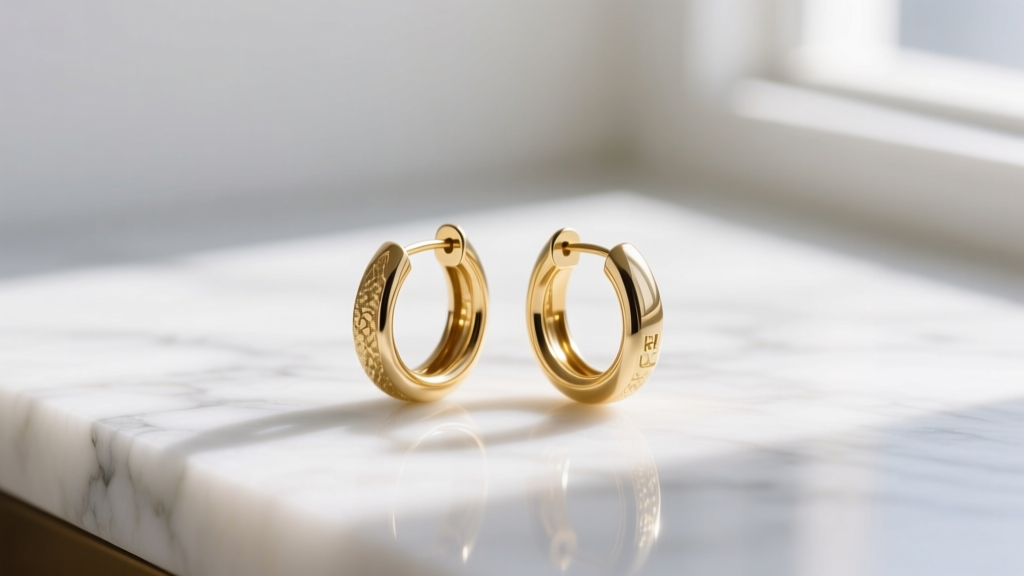
Understanding the value of any jewelry brand requires placing it correctly on the market spectrum. RLL earrings sit firmly in the demi-fine tier, bridging the gap between fashion jewelry (typically brass or zinc alloys with flash plating) and fine jewelry (solid gold or platinum). The core value proposition of RLL is offering the look and feel of high-end gold pieces without the prohibitive cost of solid gold weight. They achieve this primarily through gold vermeil and high-grade sterling silver constructions. However, not all vermeil is created equal, and assessing the true budget value requires a deep dive into the exact micron thickness and base metals utilized in their manufacturing process.
Material Breakdown: What Are You Actually Paying For?
The foundation of most RLL earrings is 925 sterling silver. Unlike brass or copper bases found in sub-$30 mall jewelry, sterling silver is a precious metal that holds intrinsic value and is significantly less likely to cause contact dermatitis. When evaluating their gold-toned pieces, the brand utilizes gold vermeil rather than standard gold plating.
According to the Federal Trade Commission (FTC), for a piece to be legally marketed as "vermeil" in the United States, it must have a sterling silver base and be plated with gold of at least 10k fineness, with a minimum thickness of 2.5 microns. Standard fashion jewelry often features a mere 0.1 to 0.5 microns of gold flash plating over base metals, which rubs off within months of daily wear. RLL earrings generally adhere to the 2.5 to 3.0-micron standard using 14k or 18k gold, which provides a substantially thicker, more wear-resistant barrier. This extra micron thickness is the primary reason their pieces command a higher upfront price but offer exponentially better long-term value.
Pricing Tiers and Cost-Per-Wear Analysis
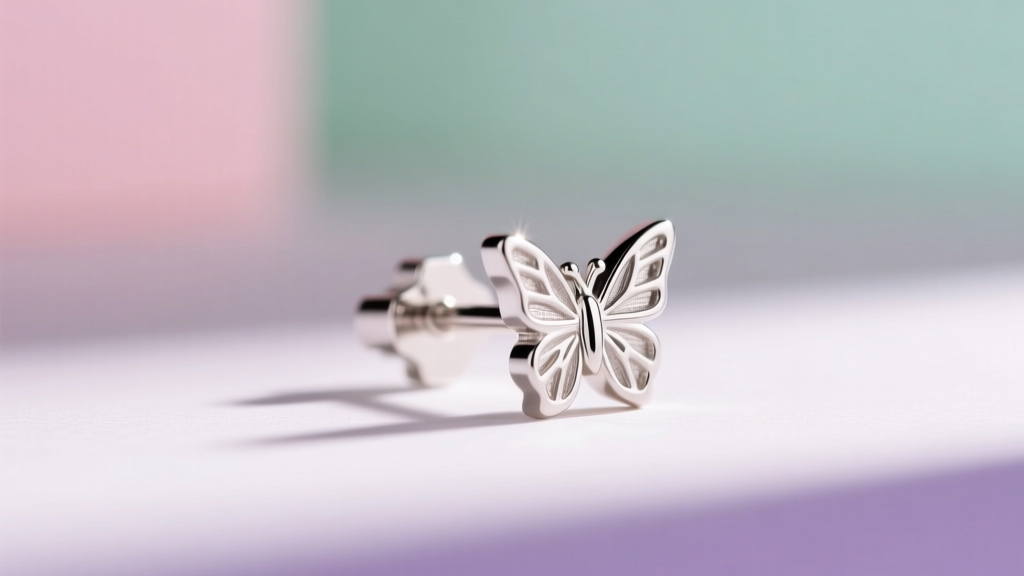
To truly assess budget and value, we must look beyond the retail price tag and calculate the "cost-per-wear" (CPW). A $20 pair of plated earrings that turns your earlobes green and tarnishes after 10 wears costs you $2.00 per wear. A $65 pair of RLL gold vermeil hoops worn 3 times a week for two years (approx. 312 wears) costs just $0.20 per wear. Below is a comparative breakdown of where RLL earrings sit in the broader market ecosystem.
| Brand Tier | Base Metal | Plating / Finish | Avg. Price (Studs/Hoops) | Expected Lifespan (Daily Wear) |
|---|---|---|---|---|
| Fast Fashion | Brass / Zinc Alloy | 0.1 - 0.5 microns (Flash) | $12 - $28 | 3 - 6 months |
| RLL Earrings | 925 Sterling Silver | 2.5 - 3.0 microns (Vermeil) | $45 - $95 | 2 - 5 years |
| Solid Fine Jewelry | 14k / 18k Gold | Solid / No plating | $150 - $450+ | Lifetime / Heirloom |
For buyers who want to rotate their styles frequently without committing to the $300+ price tags of solid gold designers, RLL offers a highly rational middle ground. You are paying for precious base metals and regulatory-compliant plating thickness, ensuring the pieces survive daily exposure to skin oils and friction.
The Hypoallergenic Factor: Nickel and Lead Testing
One of the most critical aspects of value for sensitive ears is biocompatibility. Nickel is the most common contact allergen in jewelry, often sneaking into the solder points or base alloys of cheap earrings. Because RLL utilizes a 925 silver base and high-karat gold vermeil, their earrings are inherently nickel-free and lead-free. For those with mild to moderate metal sensitivities, this makes their standard butterfly-back studs and huggies a safe, comfortable option for healed lobe piercings.
Durability and Real-World Wear: Lobe vs. Cartilage
Where you place the earring on your ear drastically impacts how the materials will hold up over time. Earlobes are generally forgiving, but cartilage piercings (such as the helix, tragus, or conch) are notorious for developing irritation bumps if the jewelry is too heavy, poorly fitted, or made of reactive metals.
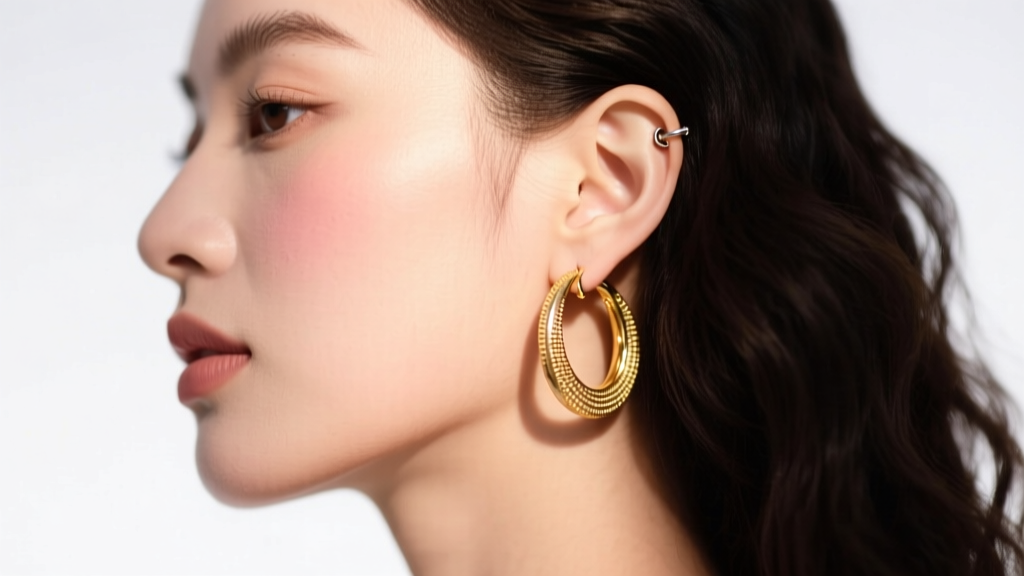
RLL earrings are designed with healed piercings in mind. It is vital to note that the Association of Professional Piercers (APP) strictly recommends implant-grade titanium or solid 14k/18k gold for new or healing piercings. You should never wear gold vermeil in an unhealed cartilage piercing, as the microscopic porosity of the plating can harbor bacteria and disrupt the healing fistula. However, once your cartilage is fully healed (which can take 12 to 18 months), RLL's lightweight silver and vermeil hoops are excellent, budget-friendly options that won't weigh down the delicate tissue.
Gauge Sizing and Post Thickness
A frequently overlooked aspect of jewelry value is the precision of the machining. Standard lobe piercings are typically done at 20-gauge (0.81mm) or 18-gauge (1.02mm). RLL stud posts are consistently milled to a smooth 0.8mm (20g), ensuring they glide easily through standard lobe holes without causing micro-tears. Conversely, their huggie hoops and cartilage clickers often utilize a slightly thicker 18-gauge (1.0mm) wire. This is a deliberate structural choice; a thicker wire prevents the hoop from warping or bending out of shape when the wearer opens and closes the clasp, significantly extending the physical lifespan of the jewelry.
Care and Maintenance for Maximum Longevity
To protect your investment and ensure your RLL earrings reach the upper end of their 2-to-5-year lifespan, proper maintenance is non-negotiable. Gold vermeil is durable, but it is still a surface layer that can be compromised by harsh chemicals. To maximize your budget value, adhere to these care protocols:
- Avoid Chemical Exposure: Always remove your earrings before swimming in chlorinated pools or using harsh household cleaning agents. Chlorine can permanently discolor the sterling silver base if it penetrates the gold layer.
- The "Last On, First Off" Rule: Put your earrings on after applying perfumes, hairsprays, and lotions. The alcohols and oils in cosmetics can degrade the vermeil finish over time.
- Proper Storage: Store pieces in an airtight anti-tarnish pouch. Sterling silver naturally oxidizes when exposed to sulfur and humidity in the air; limiting this exposure keeps the base metal stable.
- Gentle Cleaning: Use a soft, lint-free microfiber cloth to wipe away skin oils after wearing. Avoid abrasive jewelry polishing cloths, as they are treated with compounds that will strip the gold vermeil right off the silver base.
Final Verdict: Who Should Buy RLL Earrings?
So, are RLL earrings worth the investment? If you are a purist who refuses to wear anything other than solid gold, or if you are looking for jewelry to wear in a brand-new, unhealed piercing, this brand is not for you. In those cases, saving up for solid 14k gold or implant-grade titanium is the only logical path.
However, if you are a style-conscious consumer looking to build a versatile, hypoallergenic everyday jewelry wardrobe without spending thousands of dollars, RLL earrings represent an exceptional budget-to-value ratio. By adhering to strict FTC vermeil standards, utilizing hypoallergenic 925 silver bases, and precision-milling their gauge sizes for comfort, RLL delivers demi-fine pieces that punch well above their price point. For the cost of a nice dinner, you can secure a pair of everyday hoops or studs that will comfortably and beautifully survive years of continuous wear.


