Pressure Earrings for Keloids: Sizing, Materials & Care
Discover how to choose and wear pressure earrings for keloids. Learn about material grades, gauge sizes, and troubleshooting tips for scar management.

The Science of Pressure Therapy for Earlobe Scars
Keloids are dense, fibrous overgrowths of scar tissue that extend beyond the original boundaries of a wound or piercing. When they develop on the earlobe, they can be physically uncomfortable and cosmetically distressing. While surgical excision or corticosteroid injections are common first-line treatments, the recurrence rate for earlobe keloids is notoriously high—often exceeding 70% when surgery is used as a standalone treatment. This is where pressure earrings for keloids become a critical component of a comprehensive dermatological strategy.
Pressure therapy works on a physiological level by inducing localized tissue hypoxia. By applying continuous, calibrated mechanical force to the healing tissue, pressure earrings reduce the local blood supply just enough to trigger fibroblast apoptosis (cell death) and decrease collagen synthesis. Simultaneously, the pressure increases collagenase activity, which breaks down existing excess collagen. According to the American Academy of Dermatology, combining surgical removal with immediate, consistent pressure therapy drops the keloid recurrence rate to less than 10%.
The therapeutic window for this hypoxic response is highly specific. Clinical studies indicate that the optimal pressure range is between 20 and 30 mmHg. This is just slightly above the capillary perfusion pressure (which is roughly 15-20 mmHg). If the pressure is too low, the hypoxic response fails to trigger. If the pressure exceeds 30 mmHg, you risk complete vascular occlusion, leading to tissue necrosis and skin ulceration.
Material Grades and Design Specifications
Because pressure earrings must be worn nearly continuously for months, the material in direct contact with the compromised skin barrier must be flawlessly biocompatible. Many commercial 'healing' earrings are made from surgical steel, which contains up to 10% nickel and can trigger allergic contact dermatitis in a compromised skin environment.
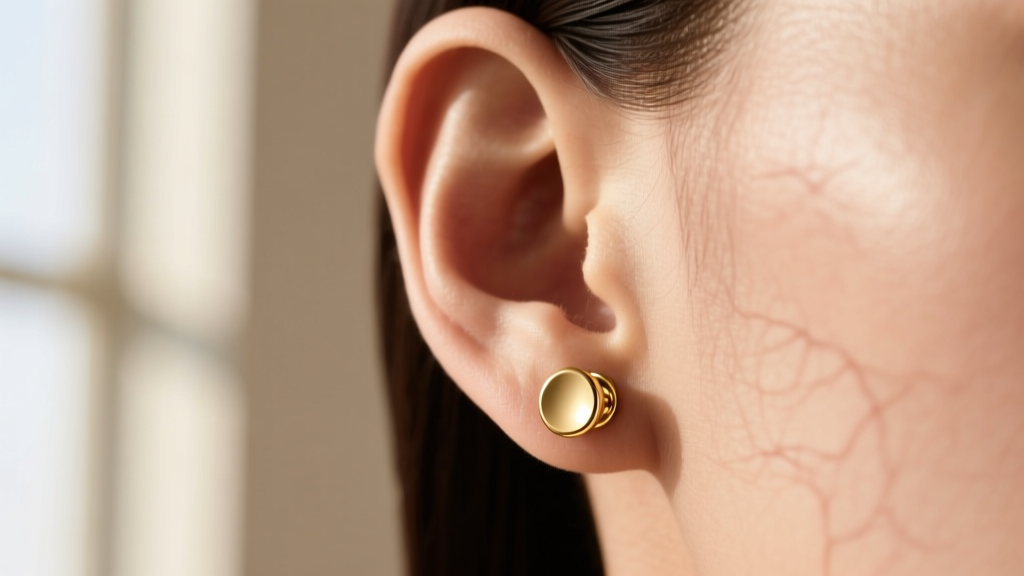
When selecting pressure earrings for keloids, you must verify the exact alloy composition. Below is a clinical breakdown of acceptable materials and their specific use cases.
| Material | Standard / Grade | Nickel Content | Best Use Case | Approx. Price Range |
|---|---|---|---|---|
| Implant-Grade Titanium | ASTM F136 (Ti-6Al-4V) | 0.0% | First-line choice for all patients; ideal for post-surgical wounds. | $40 - $85 |
| Niobium | Commercially Pure | 0.0% | Alternative for patients with specific titanium sensitivities. | $50 - $90 |
| Solid Gold | 14k or 18k (Nickel-Free) | 0.0% (if alloyed with silver/copper) | Long-term maintenance phase after the initial wound has fully closed. | $120 - $250+ |
| 'Surgical' Steel | 316L or 304 | 8% - 10% | Avoid. High risk of contact dermatitis and delayed healing. | $10 - $25 |
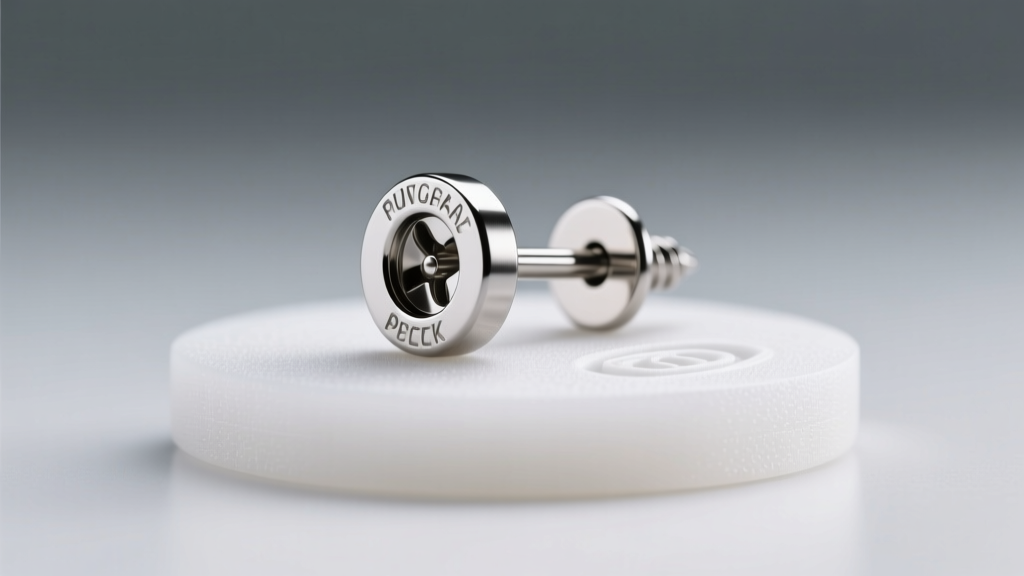
Regarding design, screw-back pressure earrings are vastly superior to magnetic or clip-on variants. Screw-back mechanisms allow for micro-millimeter adjustments, enabling the wearer or clinician to dial in the exact compression level required to hit the 20-30 mmHg therapeutic window without crushing the tissue. Magnetic studs, while easier to apply, offer a fixed compression force that cannot be adjusted as the scar tissue flattens and thins over time.
Troubleshooting: Why Your Pressure Earrings Aren't Working
Even with the correct ASTM F136 titanium screw-back earrings, patients frequently encounter issues that stall the healing process. Here is a clinical troubleshooting guide to the most common failure modes.
Problem 1: Skin Ulceration and Necrosis
The Symptom: The skin beneath the pressure plate turns white, breaks down, and forms a painful, weeping ulcer.
The Cause: The earrings are tightened beyond the 30 mmHg threshold, causing total capillary occlusion and tissue starvation.
The Fix: Immediately loosen the screw-back by one full rotation. Introduce a medical-grade silicone gel pad between the metal plate and the skin. Silicone pads not only distribute the mechanical force more evenly across the curved surface of the earlobe but also provide localized hydration, which independently aids in scar modulation.
Problem 2: Rebound Keloid Growth
The Symptom: The keloid appears to flatten during the day but swells and hardens overnight, eventually returning to its original size.
The Cause: Inconsistent wear time. Fibroblasts are highly reactive; removing the pressure for even a few hours allows blood flow to return, triggering a massive rebound synthesis of collagen.
The Fix: Pressure earrings must be worn for a minimum of 16 to 24 hours a day. A study published by the National Center for Biotechnology Information (NCBI) confirms that therapy must be maintained continuously for at least 6 to 12 months to permanently alter the scar matrix. Only remove the earrings for 15 minutes daily for cleaning.
Problem 3: Allergic Contact Dermatitis vs. Irritation
The Symptom: Redness, itching, and flaking skin around the earring post and backing.
The Cause: Often misdiagnosed as a metal allergy, this is usually mechanical irritation caused by trapped moisture, dead skin cells, and soap residue beneath the tight-fitting pressure plate.
The Fix: If you are certain your jewelry is ASTM F136 titanium, the issue is likely hygiene-related. Clean the earlobe and the jewelry twice daily with a sterile saline wound wash. Avoid harsh antibacterial soaps or alcohol, which strip the skin's acid mantle and exacerbate irritation.
Wear Protocols and Maintenance
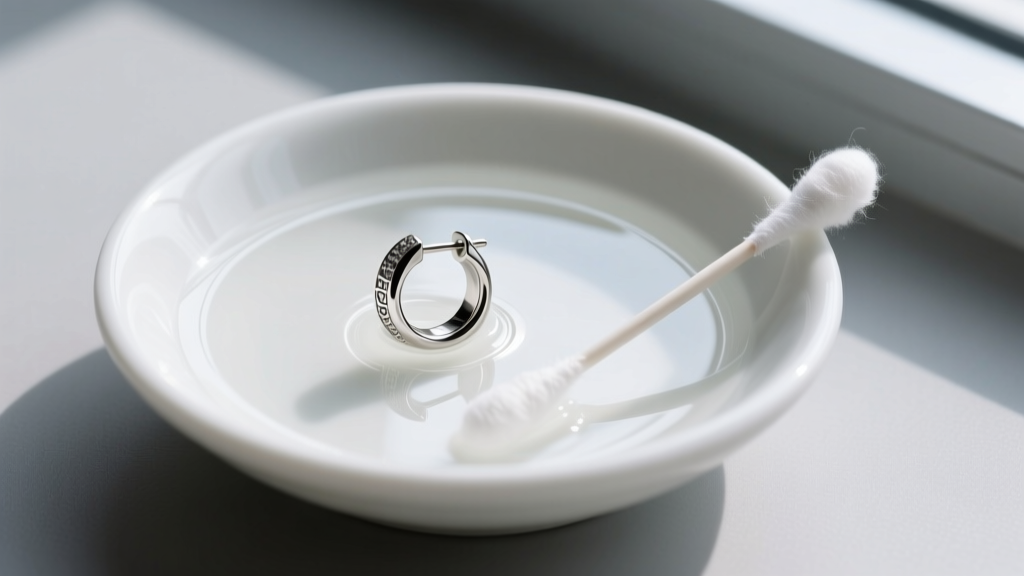
Managing pressure earrings requires a strict daily protocol to prevent infection and ensure the hardware functions correctly. The screw mechanisms are particularly prone to seizing if exposed to dried bodily fluids or hard water deposits.
- Daily Cleaning: Unscrew the backing completely once a day. Spray both the earlobe and the jewelry components with sterile 0.9% sodium chloride (saline) solution. Gently wipe away debris with a clean, lint-free gauze pad.
- Thread Maintenance: Once a week, apply a microscopic amount of sterile jojoba oil or vitamin E oil to the screw threads to prevent cross-threading and seizing. Wipe away any excess oil before reattaching to the ear.
- Silicone Pad Rotation: If you are using medical-grade silicone inserts to prevent ulceration, replace them every 3 to 4 weeks. Silicone degrades and harbors bacteria over time when subjected to constant compression and body heat.
- Sleeping Adjustments: Sleep on your back or use a specialized piercing pillow with a central void. This prevents the pillowcase from catching the earring backing and inadvertently twisting the screw, which can cause sudden, painful spikes in pressure.
When to Consult a Dermatologist
While pressure earrings for keloids are highly effective, they are not a standalone cure for massive or deeply rooted fibromas. According to DermNet NZ, pressure therapy is most effective when utilized as an adjuvant treatment. You should seek professional dermatological intervention if:
- The keloid continues to grow despite 3 months of consistent, 20-hour-per-day pressure therapy.
- You experience recurrent infections or deep tissue ulceration that does not resolve within 48 hours of loosening the jewelry.
- The keloid is larger than 2 centimeters in diameter, which typically requires intralesional corticosteroid injections (like triamcinolone acetonide) or cryotherapy to reduce the mass before pressure earrings can be effectively fitted.
By understanding the precise biomechanics of tissue hypoxia, selecting verified implant-grade materials, and adhering to a rigorous wear schedule, you can successfully flatten earlobe keloids and prevent the frustrating cycle of surgical recurrence.


