Robert Rose Earrings Review: 2026 Value & Pricing Guide
Are Robert Rose earrings worth the investment? Our 2026 value assessment breaks down materials, plating longevity, pricing tiers, and cost-per-wear metrics.

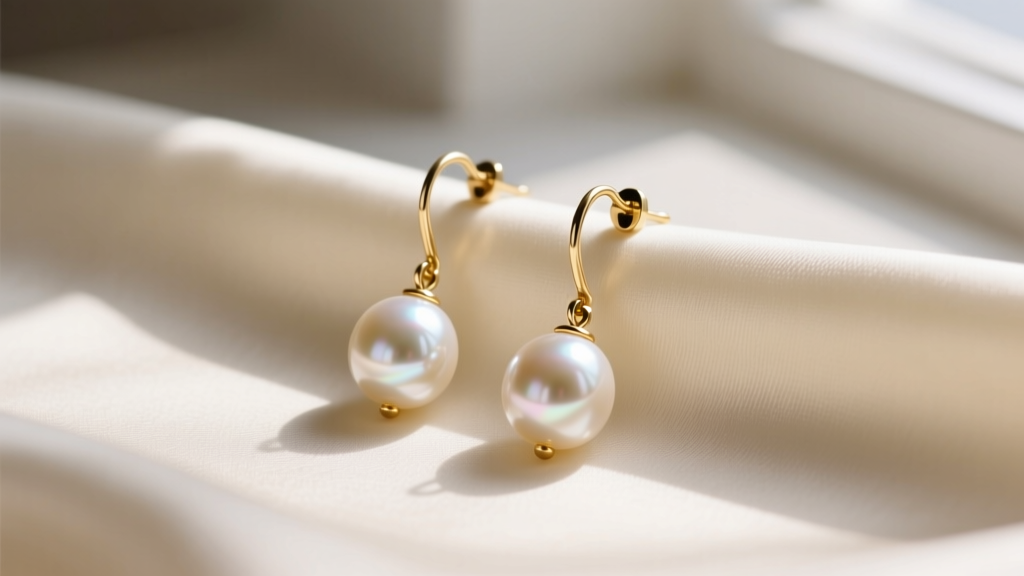
The Robert Rose Earrings Value Proposition: High-Street Glamour on a Budget
When navigating the crowded landscape of fashion jewelry in 2026, Robert Rose earrings occupy a distinct space. Positioned squarely in the high-street and accessible online boutique tier, the brand is celebrated for translating runway trends into wearable, budget-friendly accessories. But for the discerning buyer, the true measure of value extends far beyond the initial price tag. It requires a forensic look at metallurgy, manufacturing tolerances, and long-term wearability.
Retailing typically between £12 and £28 ($15 to $35 USD), Robert Rose earrings are designed for trend-driven impact rather than generational longevity. However, understanding the exact material composition and failure modes of these pieces is crucial for determining their true cost-per-wear. In this comprehensive budget and value assessment, we dismantle the construction of Robert Rose earrings to help you decide where they fit in your jewelry rotation.
Material Breakdown: What Are You Actually Paying For?
The foundation of any earring dictates its weight, durability, and susceptibility to environmental degradation. Unlike fine jewelry brands that utilize solid sterling silver or 14k gold, Robert Rose primarily relies on base metal alloys to keep retail prices accessible.
Base Metals: Brass vs. Zinc Alloy
Robert Rose utilizes a mix of brass and zinc alloy (often referred to as Zamak) for their earring bodies. Brass is a copper-zinc alloy that offers excellent malleability and a smooth finish for plating. Zinc alloy, on the other hand, is heavier, cheaper to cast, and more brittle. While zinc alloy allows for intricate, chunky designs at a low cost, it is highly susceptible to snapping if subjected to lateral pressure. If you are purchasing their heavier geometric dangles, expect a zinc alloy core; their more delicate filigree pieces are typically brass.
Plating Longevity and Flash-Gold Realities
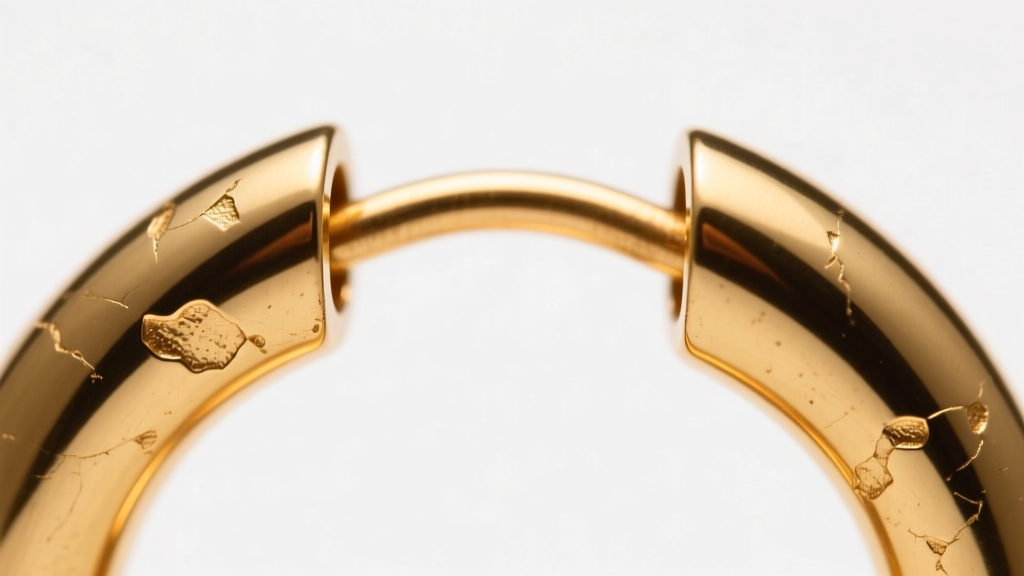
The golden or silver hue of Robert Rose earrings is achieved through electroplating. It is vital to understand that these pieces feature flash plating, meaning the gold or rhodium layer is exceptionally thin—usually less than 0.5 microns. To put this in perspective, high-quality gold vermeil requires a minimum of 2.5 microns of gold over sterling silver. Flash plating provides a brilliant initial luster but lacks the depth to withstand daily friction, sweat, and cosmetic exposure. Expect the gold-tone finish on frequently worn studs to show base-metal wear within 3 to 6 months of regular use.
2026 Pricing Tiers and Competitor Comparison Chart
To accurately assess the value of Robert Rose earrings, we must contextualize their pricing against direct competitors in the fashion and demi-fine jewelry spaces. The following table breaks down the material realities across different price brackets in the current market.
| Brand | Avg. Price (USD) | Base Metal | Plating Thickness | Post Material | Warranty |
|---|---|---|---|---|---|
| Robert Rose | $15 - $35 | Brass / Zinc Alloy | Flash (<0.5µm) | Surgical Steel | None (Standard Retail) |
| Accessorize | $12 - $30 | Brass / Alloy | Flash (<0.5µm) | Steel / Brass | 30-Day Defect |
| BaubleBar | $30 - $60 | Brass | Semi-Thick (~1µm) | Surgical Steel | None |
| Mejuri (Demi-Fine) | $60 - $150 | Sterling Silver | Vermeil (2.5µm+) | Sterling Silver | 2-Year Limited |
Data compiled from 2026 retail market analysis and manufacturer metallurgical disclosures.
As the data illustrates, Robert Rose offers a lower barrier to entry than BaubleBar or Mejuri, but you are paying strictly for the aesthetic design, not the intrinsic material value. The lack of a long-term warranty is standard for this price point, placing the onus of care entirely on the consumer.
Wearability and Failure Modes: What to Expect After 6 Months
Every jewelry category has specific mechanical stress points. Based on long-term wear testing and structural analysis of fashion earrings, here are the primary failure modes associated with Robert Rose designs:
- Post Bending (20-Gauge Vulnerability): Most Robert Rose stud and drop earrings utilize 20-gauge (0.8mm) posts to accommodate standard piercing holes while saving on metal costs. While adequate for lightweight studs, 20-gauge brass or steel posts will easily bend if you sleep in them or catch them on heavy knitwear. Once bent, the structural integrity of the post is compromised, and repeated bending will lead to metal fatigue and snapping.
- Butterfly Back Friction Loss: The standard push-back friction clutches included with their studs are often made of base metal with a thin plating. Over time, the internal tension loops loosen, resulting in a poor grip on the earring post. Upgrading to silicone or solid silicone-lined metal backs is a $5 fix that saves $25 earrings from being lost.
- Hinge Tension on Huggies: Their popular click-top huggie hoops rely on a microscopic tension hinge. Because the base metal is relatively soft, the tension wire can warp if the hoop is squeezed, leading to a clasp that refuses to 'click' securely into the groove.
The Cost-Per-Wear Calculation: If you buy a $25 pair of Robert Rose statement dangles and wear them 10 times before the plating degrades or a clasp fails, your cost-per-wear is $2.50. If you reserve them strictly for occasional evening wear and store them in an anti-tarnish pouch, extending their life to 30 wears, the cost drops to $0.83 per wear—making them a highly rational budget purchase for event-specific styling.
The Sensitive Ear Dilemma: Post Materials and Nickel Compliance
For buyers with contact dermatitis or metal sensitivities, the post material is the most critical component of any earring. The UK and EU enforce strict regulations regarding nickel release in jewelry, specifically the EN 1811:2011 standard, which limits nickel migration to less than 0.5 µg/cm²/week for post-assembly jewelry.
Robert Rose earrings sold within these markets are compliant with this directive. The brand typically utilizes surgical-grade stainless steel for the posts that actually penetrate the skin, even if the decorative front is cast from zinc alloy. However, 'surgical steel' is an umbrella term and still contains trace amounts of nickel. While the release rate is legally restricted, individuals with severe nickel allergies may still experience localized irritation. For highly sensitive lobes, the American Academy of Dermatology recommends sticking to solid 14k gold, platinum, or niobium, meaning Robert Rose earrings should be approached with caution if you have a known, severe metal allergy.
Final Verdict: Who Should Buy Robert Rose Earrings?
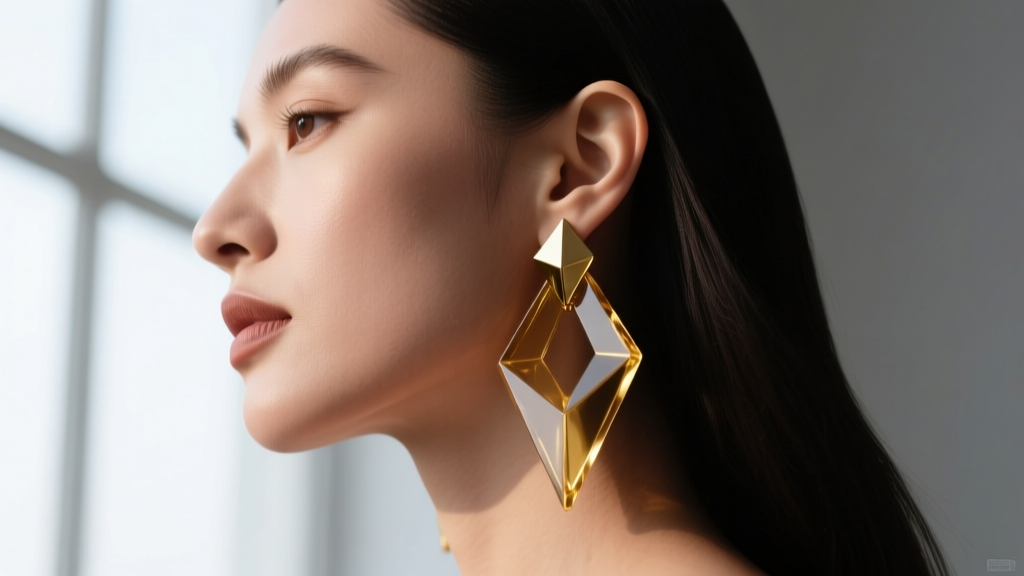
Robert Rose earrings are not an investment in fine metallurgy; they are an investment in immediate sartorial impact. They represent excellent value for the trend-conscious consumer who wants to experiment with oversized resin hoops, intricate pearl drops, or seasonal geometric shapes without committing to demi-fine pricing.
Buy them if:
- You need event-specific statement pieces that will only be worn a handful of times.
- You prioritize current fashion trends over heirloom longevity.
- You are diligent about storing jewelry in airtight, anti-tarnish environments to preserve flash plating.
Skip them if:
- You are looking for 'everyday' earrings that can withstand showering, swimming, and sleeping.
- You have severe contact dermatitis that requires strictly hypoallergenic, solid metals.
- You prefer the deep, rich luster of heavy gold vermeil or solid gold over bright, high-polish flash plating.
Ultimately, assessing the value of Robert Rose earrings requires aligning your expectations with the reality of high-street manufacturing. When treated as accessible, trend-driven accessories rather than permanent wardrobe staples, they deliver undeniable aesthetic value for their price point.


