Choosing the Best Rotating Earring Display Materials in 2026
Discover how the material of your rotating earring display impacts jewelry preservation. Compare acrylic, wood, and metal storage options.

The Intersection of Mechanics and Jewelry Preservation
As earring collections grow in both volume and value, the transition from flat storage to a vertical, rotating earring display has become a staple for collectors and boutique owners alike. However, in 2026, the conversation has shifted beyond mere aesthetics and spatial efficiency. The material composition of the display itself plays a critical, often overlooked role in the long-term preservation of your jewelry. From the off-gassing of composite woods to the static electricity generated by cheap plastics, the physical and chemical properties of your display can either protect your earrings or accelerate their degradation.
Whether you are storing delicate 22-gauge titanium threadless ends, heavy solid brass geometric dangles, or high-polish 18k gold hoops, understanding material science is essential. This guide breaks down the structural and chemical properties of the most common rotating earring display materials, helping you match your storage solution to your specific collection.
The Chemistry of Storage: How Display Materials Affect Earrings
Before evaluating specific display materials, we must understand the environmental threats to earring metals and gemstones. According to the Gemological Institute of America (GIA), improper storage is a leading cause of micro-scratching, plating loss, and chemical tarnishing. The Smithsonian Museum Conservation Institute further emphasizes that volatile organic compounds (VOCs) and sulfur-bearing gases in enclosed or poorly ventilated storage spaces rapidly accelerate the formation of silver sulfide (Ag2S) on sterling silver pieces.
When a rotating display is constructed from unstable materials, the constant friction of rotation and the proximity of the jewelry to the display surface create a micro-environment that can trap moisture, generate static, or release corrosive gases. Choosing an archival-safe material is not just a luxury; it is a necessity for preserving the Vickers hardness and surface finish of precious metals.
Material Breakdown: Pros, Cons, and Best Earring Pairings
1. Cast Acrylic and Polycarbonate (PMMA)
Acrylic is the most ubiquitous material for modern rotating earring displays due to its transparency and low manufacturing cost. However, not all acrylic is created equal. Cast acrylic is chemically stable, highly transparent, and resists yellowing from UV exposure. Extruded acrylic, while cheaper, is prone to internal stress and can warp under the continuous weight of heavy earrings.
- Pros: Lightweight, allows 360-degree visibility, easy to clean with microfiber.
- Cons: Prone to static electricity buildup, which attracts dust and lint to matte-finished earrings. Laser-cut holes can leave microscopic burrs that scrape gold plating off earring posts.
- Best For: Lightweight studs, titanium labret posts, and anodized aluminum earrings. Avoid for heavy brass or raw copper pieces that require frequent polishing.
2. Velvet-Lined MDF and Plywood
Traditional tiered displays often use Medium-Density Fiberboard (MDF) wrapped in velvet. While visually classic, MDF is manufactured using urea-formaldehyde resins. Over time, especially in humid environments, these resins off-gas formaldehyde and trace sulfur compounds. This chemical release creates a highly corrosive environment for sterling silver and unsealed copper.
- Pros: Excellent acoustic dampening (no clinking sounds when rotating), soft surface prevents impact damage to gemstone pavé.
- Cons: Formaldehyde off-gassing accelerates tarnishing. Velvet adhesives can degrade and become tacky, snagging delicate earring chains.
- Best For: Platinum, high-karat gold (18k+), and stainless steel. Keep away from sterling silver and oxidized metals.
3. Brushed Aluminum and Powder-Coated Steel
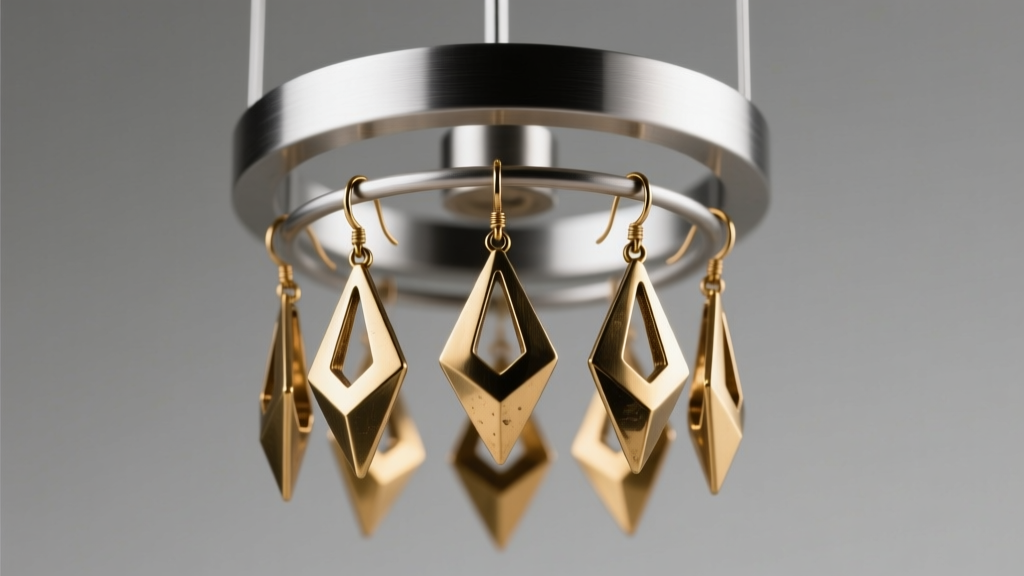
For heavy-duty collections, metal displays offer unmatched structural integrity. A powder-coated steel or anodized aluminum rotating earring display provides an inert, non-porous surface that does not off-gas or retain moisture. The powder coating acts as a dielectric barrier, preventing galvanic corrosion if a damp earring back accidentally touches the metal tier.
- Pros: Archival-safe, zero off-gassing, immense weight capacity per tier, modern industrial aesthetic.
- Cons: Hard surfaces can cause impact chipping if a gemstone earring is dropped against the metal tier during rotation.
- Best For: Heavy statement pieces, thick 14-gauge or 12-gauge captive bead rings, and large brass or bronze dangles.
4. Solid Hardwoods (Walnut, Maple, Oak)
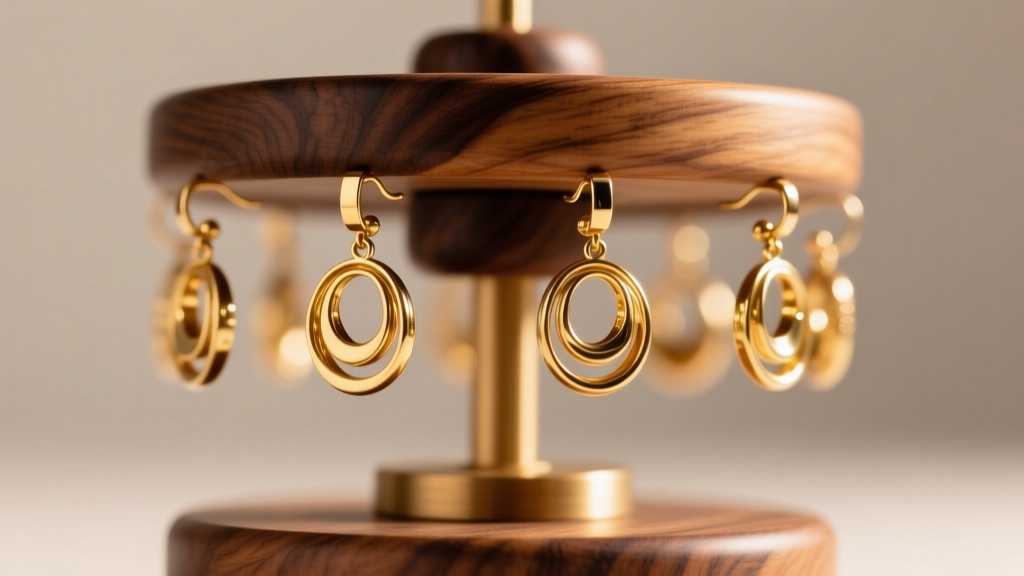
Solid hardwoods, finished with natural oils or beeswax rather than polyurethane, represent the gold standard for archival jewelry storage. Woods like black walnut and hard maple are dense, dimensionally stable, and chemically inert once properly cured. They provide a breathable environment that regulates localized humidity, preventing the moisture trapping that leads to verdigris on copper alloys.
- Pros: Chemically inert, aesthetically timeless, naturally regulates micro-humidity, high structural durability.
- Cons: Higher price point, requires occasional re-oiling to prevent the wood from drying and cracking over decades.
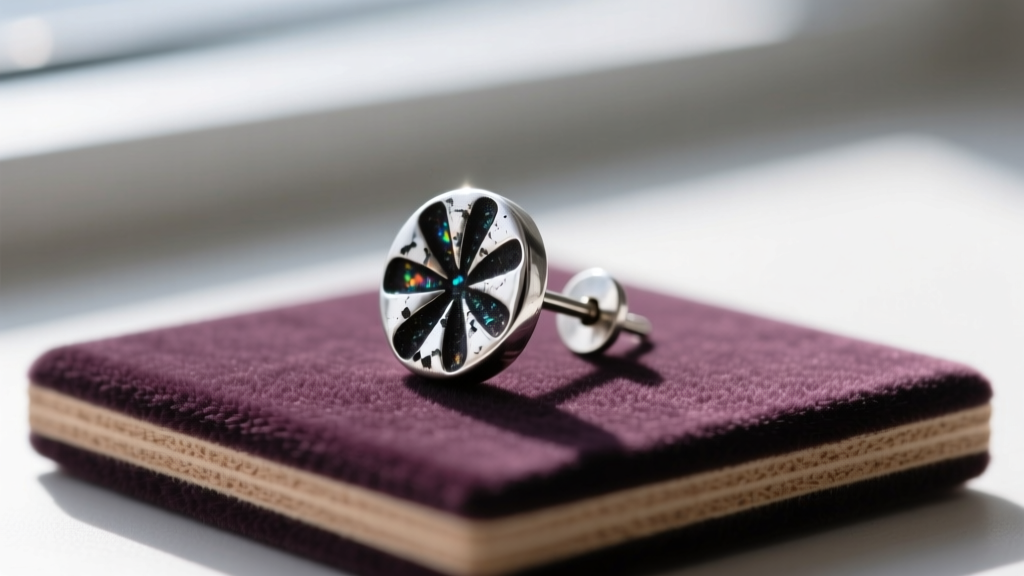
- Best For: Heirloom pieces, sterling silver, pearls, and opals (which require slight ambient moisture to prevent crazing).
Weight Capacity and Mechanical Wear Matrix
The longevity of a rotating earring display relies heavily on its central bearing mechanism and the tensile strength of its shelving materials. Overloading a display not only risks structural collapse but causes the central thrust bearing to bind, resulting in a jerky rotation that can swing heavy dangles into one another, causing severe scratching.
| Display Material | Max Safe Weight (Per Tier) | Bearing Type Required | Archival Safety Rating |
|---|---|---|---|
| Cast Acrylic (5mm thick) | 1.5 lbs (0.68 kg) | Nylon Bushing / Plastic Thrust | Moderate (Static Risk) |
| MDF w/ Velvet | 2.0 lbs (0.90 kg) | Steel Ball Bearing | Poor (Off-gassing Risk) |
| Powder-Coated Steel | 5.0+ lbs (2.26+ kg) | Stainless Steel Lazy Susan | Excellent (Inert) |
| Solid Walnut (1-inch thick) | 4.0 lbs (1.81 kg) | Brass or Steel Thrust Bearing | Excellent (Breathable) |
Earring Material Preservation Guide by Display Type
Matching your earring metallurgy to the correct display environment is a hallmark of advanced collection management. Here is a rapid-reference framework for preserving specific earring materials in 2026:
Sterling Silver (925)
Silver is highly reactive to sulfur and chlorides. Never store sterling silver on MDF or in displays lined with synthetic rubbers or cheap elastic bands, which contain sulfur vulcanizing agents. Opt for solid hardwoods or powder-coated metal displays. If using acrylic, ensure the display is kept in a well-ventilated room, and consider placing 3M Silver Protectorate strips in the base of the display to absorb ambient sulfides.
Gold Plated and Gold Vermeil
The primary threat to gold plating (especially thin flash plating under 0.5 microns) is abrasion. When inserting 20-gauge or 18-gauge posts into a rotating display, the friction of the hole edge can strip the gold layer, exposing the brass or copper base metal beneath. Opt for velvet-lined displays or acrylic displays where the laser-cut holes have been manually sanded and polished to remove microscopic burrs. Avoid bare metal displays where galvanic reactions can occur if the plating is already compromised.
Platinum and Palladium
These dense, highly durable precious metals are virtually impervious to tarnishing and chemical off-gassing. However, their high density means they are heavy. A pair of solid platinum drop earrings can easily weigh 15-20 grams. Utilize brushed aluminum or steel rotating displays equipped with heavy-duty stainless steel bearings to prevent the display from becoming top-heavy and tipping over.
Final Verdict: Matching Your Collection to the Right Display
The ideal rotating earring display is not a one-size-fits-all solution; it is a carefully selected tool for jewelry preservation. For the modern collector prioritizing the safety of sterling silver and organic gemstones like pearls, a solid walnut display with a beeswax finish offers the best balance of chemical inertness and humidity regulation. For boutique owners displaying heavy, avant-garde brass and steel pieces, a powder-coated steel display with a high-torque thrust bearing provides the necessary mechanical support and modern aesthetic.
By understanding the material properties of your storage solutions—from the dielectric nature of acrylic to the off-gassing risks of MDF—you ensure that your earrings remain as pristine in storage as they are when worn. In the world of fine jewelry, how you store your pieces is just as vital as how you wear them.


