Best Rubber Earring Stoppers: A Complete Buying Guide
Discover how to choose the best rubber earring stoppers. Learn about silicone grades, gauge sizing, and shapes to keep your earrings secure and comfortable.

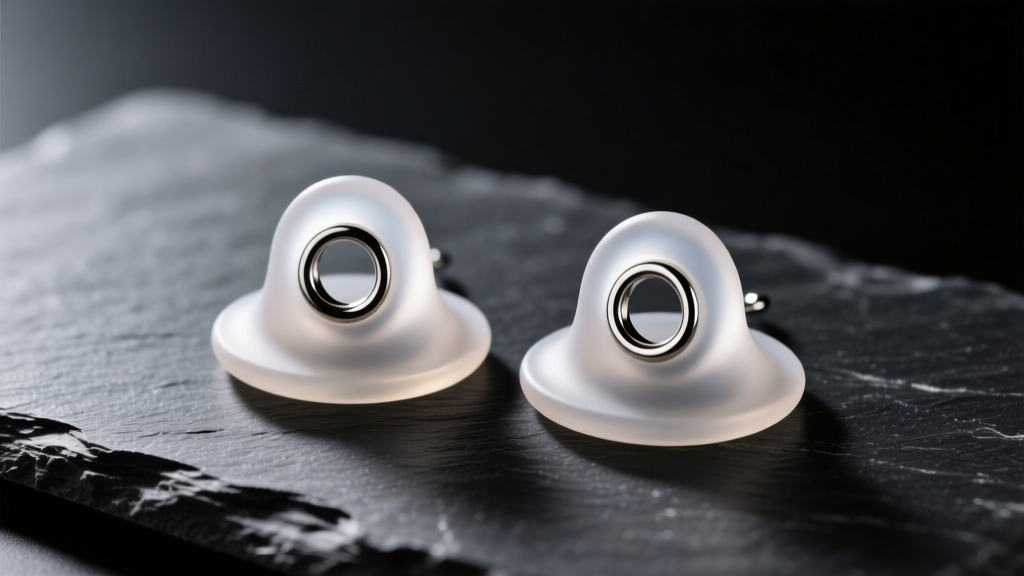
There are few things more frustrating in jewelry wear than reaching up to your earlobe and realizing your favorite diamond stud or gold hoop is missing. While we often invest heavily in the earrings themselves, the humble earring back—or stopper—is frequently an afterthought. For those with active lifestyles, heavy earlobes, or a penchant for high-value jewelry, standard metal butterfly clutches often fail to provide adequate security and can cause discomfort by digging into the neck. This is where high-quality rubber earring stoppers become an absolute necessity.
However, not all rubber backs are created equal. The market is flooded with cheap, degrading plastics masquerading as secure grips. In this comprehensive buying guide, we will break down the material science, exact gauge sizing, and structural profiles you need to consider to ensure your earrings stay exactly where they belong.
Why Material Matters: Silicone vs. Standard PVC
When consumers search for "rubber" earring stoppers, they are usually looking for one of two distinct polymers: Polyvinyl Chloride (PVC) or Medical-Grade Silicone. The difference in performance, longevity, and skin safety is staggering.
The Problem with PVC and Cheap Rubber
Standard PVC stoppers are manufactured using chemical plasticizers to make the rigid plastic flexible. Over time, these plasticizers leach out, causing the stopper to dry out, turn yellow, and become brittle. When a PVC stopper becomes brittle, it loses its elasticity, meaning the center hole stretches out permanently or tears when you try to remove it. Furthermore, degraded PVC can trap sweat and bacteria against the skin, leading to contact dermatitis. The American Academy of Dermatology frequently notes that trapping irritants against the skin via degraded accessories is a primary trigger for localized allergic reactions.
The Superiority of Medical-Grade Silicone
High-quality stoppers are made from 100% medical-grade silicone. Silicone is a synthetic elastomer that does not require chemical plasticizers to remain flexible. It is inherently hypoallergenic, UV-resistant, and impervious to the natural oils and sweat produced by the human body. When shopping, look for stoppers that specify a Shore A hardness of 40A to 50A. This specific durometer rating provides the perfect balance: soft enough to conform to the earring post and earlobe for a comfortable fit, but dense enough to maintain a friction grip that prevents the earring from sliding off.
Sizing Your Stoppers: Gauge Compatibility Chart
A common failure point for earring security is a mismatch between the earring post diameter (gauge) and the inner diameter of the stopper's hole. If the hole is too large, the earring will slip out; if it is too small, you will tear the silicone when forcing it on. Standard earring posts vary by piercing type and region. Below is the definitive sizing chart to match your jewelry to the correct stopper.
| Earring Post Gauge | Diameter (mm) | Common Jewelry Types | Required Stopper Hole Size |
|---|---|---|---|
| 22G - 20G | 0.64mm - 0.81mm | Standard stud earrings, lightweight gold/silver hoops | 0.7mm - 0.8mm |
| 18G | 1.02mm | Thicker studs, some cartilage earrings, diamond solitaires | 0.9mm - 1.0mm |
| 16G | 1.29mm | Cartilage studs, tragus jewelry, heavy statement pieces | 1.2mm - 1.3mm |
| 14G | 1.63mm | Industrial barbells, thick custom posts | 1.5mm - 1.6mm |
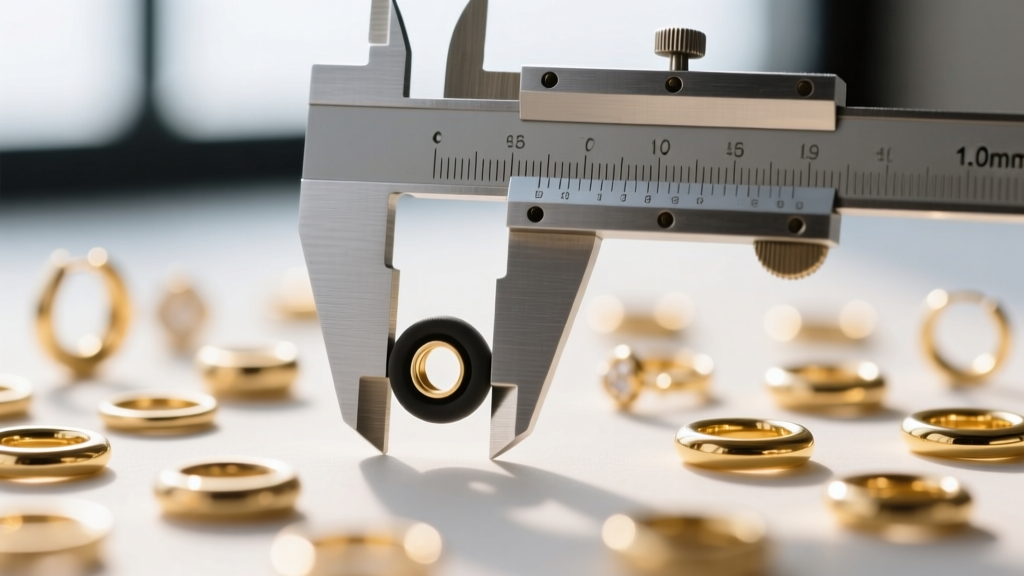
Pro Tip: If you are unsure of your post size, use a digital caliper to measure the post thickness before ordering a bulk pack of stoppers. Most universal packs default to a 0.9mm hole, which perfectly accommodates standard 20G and 18G posts.
Shape Profiles for Different Earring Weights
The physical geometry of the stopper dictates how the weight of the earring is distributed across your earlobe. Choosing the wrong shape can lead to earlobe drooping or pressure necrosis (tissue damage from concentrated pressure).
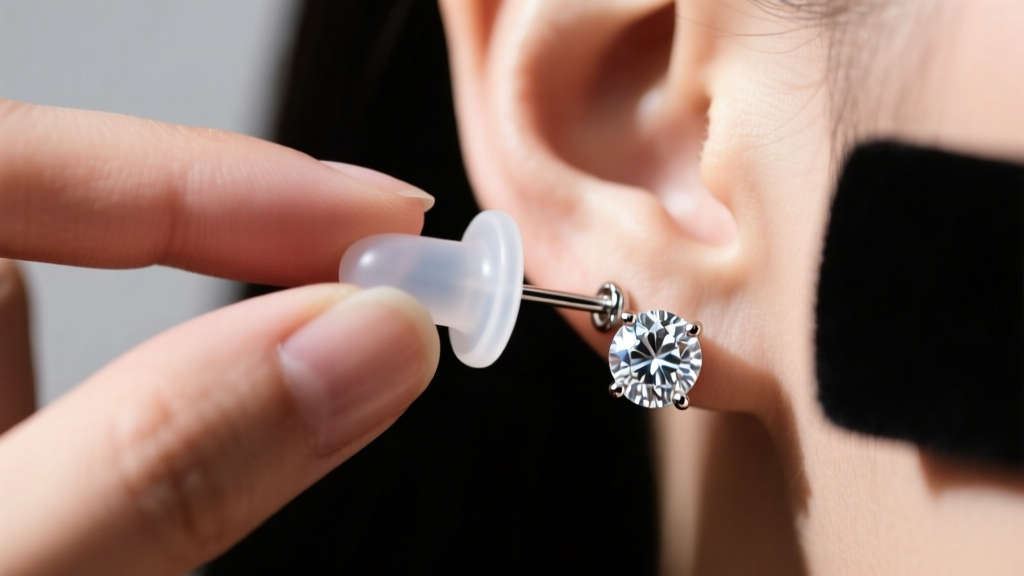
- The Bell Shape (Flared Base): This is the gold standard for heavy earrings, such as large diamond solitaires or gemstone drops. The wide, flared base distributes the downward pull of the earring across a broader surface area of the neck and lower lobe, preventing the "earring droop" effect.
- The Flat Disc: Ideal for sleepers or those who wear headphones frequently. The low profile prevents the stopper from catching on hair or clothing. However, because the surface area against the lobe is smaller, they are best reserved for lightweight, everyday studs.
- The Cylinder (Bullet): Offers a deep insertion channel, providing maximum friction grip along the length of the post. These are excellent for active individuals or athletes who need absolute security, though they can feel bulky behind the ear.
Common Failure Modes and How to Prevent Them
Even the best medical-grade silicone will eventually fail if subjected to improper mechanical stress. Understanding these failure modes will help you maximize the lifespan of your stoppers.
"The most frequent cause of silicone earring back failure is micro-tearing caused by fingernails during removal. Patients often pull the stopper off at an angle rather than sliding it straight back, which compromises the structural integrity of the center channel."
— Insights aligned with professional piercing aftercare guidelines from the Association of Professional Piercers
Tearing from Angled Pulls: Always grip the stopper firmly with the pads of your fingers and pull perfectly straight along the axis of the earring post. Wiggling it side-to-side will stretch and eventually tear the inner silicone sleeve.
Chemical Degradation: While silicone is highly resistant to most chemicals, prolonged exposure to high-concentration isopropyl alcohol or harsh jewelry cleaning dips can cause the surface to become tacky. Stick to mild antibacterial soap and warm water for cleaning your stoppers.
Maintenance: Cleaning and Replacement Cycles
Because rubber and silicone stoppers sit flush against the skin, they accumulate sebum, dead skin cells, and hair products. This buildup not only creates an unhygienic environment but also acts as a lubricant, reducing the friction grip of the stopper and causing the earring to slide out.
Weekly Cleaning Protocol: Remove the stoppers and soak them in a small bowl of warm water mixed with a few drops of mild dish soap for 5 minutes. Use a soft-bristled toothbrush to gently scrub the inner channel. Rinse thoroughly and air dry on a clean paper towel.
Replacement Schedule: Even with meticulous care, medical-grade silicone stoppers should be replaced every 6 to 12 months. If you notice the hole has become visibly wider, or if the silicone feels slick rather than tacky to the touch, it is time to discard them. Given that high-quality packs cost between $5 and $12 for 30+ pieces, regular replacement is a minor investment to protect valuable jewelry.
The Ultimate Buying Checklist
Before you click "add to cart," run your selection through this quick E-E-A-T verified checklist to ensure you are getting a product that will actually perform:
- Material Verification: Does the packaging explicitly state "100% Medical-Grade Silicone" or "Hypoallergenic Silicone"? Avoid anything labeled simply as "plastic" or "PVC".
- Transparency: High-quality silicone is usually translucent or slightly frosted. If it is completely opaque and brightly colored, it likely contains fillers and cheap dyes.
- Channel Depth: Look for stoppers with a deep inner channel (at least 3mm deep). Shallow channels provide insufficient surface area for friction.
- Edge Finishing: The outer edges should be smoothly polished. Rough mold lines or sharp edges will irritate the sensitive skin behind your earlobe.
- Value vs. Volume: A reputable brand will charge roughly $6 to $10 for a pack of 24 to 40 stoppers. Be wary of bulk packs of 500+ for under $5, as these are almost always manufactured from degrading PVC.
Final Verdict
Upgrading to high-quality rubber earring stoppers is the single most effective way to secure your jewelry collection and improve your daily wearing comfort. By prioritizing medical-grade silicone, matching the exact gauge of your earring posts, and selecting the appropriate shape for your specific jewelry weight, you eliminate the anxiety of lost earrings. Treat your stoppers as essential, replaceable components of your jewelry wardrobe, and your favorite pieces will stay safely in place for years to come.


