Volleyball Earrings Material Guide: Sweat-Proof & Safe
Discover the best metals for volleyball earrings. We compare titanium, surgical steel, and silicone for sweat resistance, durability, and court safety.

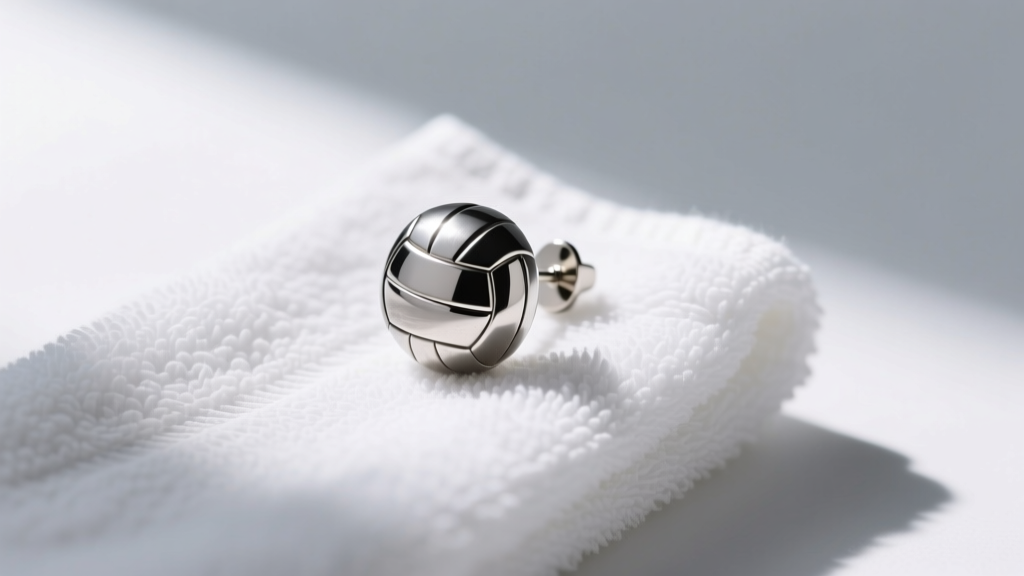
For competitive athletes, jewelry is more than just an aesthetic choice; it is a piece of equipment that must withstand extreme physical conditions. When shopping for volleyball earrings, most buyers focus purely on the novelty design—a miniature ball, a net charm, or a team logo. However, the metallurgical properties of the earring post and backing are what truly determine whether the jewelry will survive a grueling five-set tournament or end up causing a severe contact dermatitis flare-up.
The environment of a volleyball court is hostile to cheap metals. High humidity, intense friction, and the chemical composition of human sweat create a perfect storm for galvanic corrosion and allergic reactions. In this comprehensive material guide, we break down exactly which metals and polymers are safe for active court wear, which ones you must avoid, and the structural designs that prevent traumatic ear tearing during gameplay.
The Chemistry of Sweat and Sports Jewelry
To understand why material selection is critical, we must look at the chemistry of human sweat. Sweat is not just water; it is a complex electrolytic solution with a pH ranging from 4.5 to 7.0. It contains high concentrations of sodium chloride (salt), urea, ammonia, and lactic acid.
When cheap alloy jewelry is exposed to this electrolytic environment, it triggers galvanic corrosion. The chlorides in sweat actively break down the passive oxide layers of low-grade metals, releasing nickel, copper, and lead ions directly into the epidermis. According to the National Center for Biotechnology Information, nickel is the most common cause of allergic contact dermatitis worldwide. When an athlete sweats heavily, the combination of moisture, heat, and friction accelerates this ion leaching, turning a harmless novelty earring into a biological irritant within minutes.
Material Breakdown: What Works on the Court
Not all metals are created equal. Below is a deep dive into the specific material grades required for safe, durable volleyball earrings.
Implant-Grade Titanium (ASTM F136)
Implant-grade titanium is the undisputed gold standard for any jewelry worn during high-output athletic activities. Specifically, you want titanium that meets the ASTM F136 or ASTM F67 standards. Unlike commercial-grade titanium, implant-grade is entirely nickel-free and highly biocompatible.
Titanium naturally forms a microscopic, self-healing layer of titanium dioxide when exposed to oxygen. This passivation layer is completely impervious to the chlorides and lactic acid found in human sweat. Furthermore, titanium is exceptionally lightweight, reducing the kinetic drag on the earlobe when a player dives for a dig or jumps for a block.
316L Surgical Stainless Steel
316L stainless steel is the most common material used in mid-tier sports jewelry. The 'L' stands for 'low carbon,' and the alloy contains molybdenum, which increases its resistance to corrosion. However, 316L steel does contain between 8% and 10.5% nickel.
For an athlete with fully healed piercings and no known nickel sensitivity, 316L is generally safe. However, the Association of Professional Piercers (APP) warns that prolonged exposure to the high chloride environment of heavy sweat can eventually cause pitting corrosion on the steel's surface. This microscopic pitting creates a rough texture that harbors bacteria and increases friction against the fistula (the piercing hole).
Medical-Grade Silicone
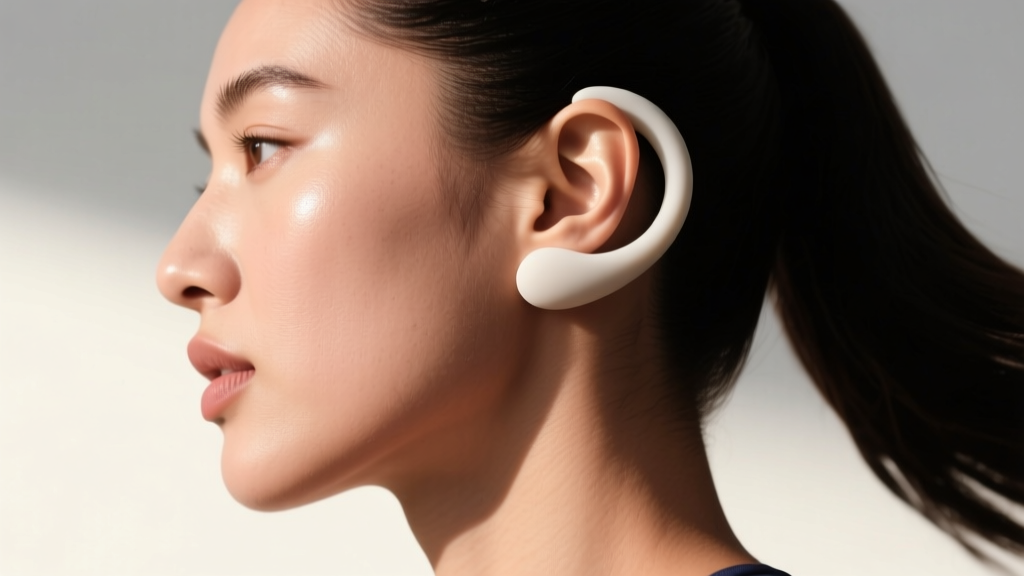
For players who frequently experience impact to the ear or who are transitioning between positions where jewelry snags are common, medical-grade silicone is a revolutionary alternative. High-quality silicone earrings (typically measuring around 40-50 on the Shore A hardness scale) offer extreme flexibility. If a volleyball strikes the ear, or if a teammate's finger catches the earring during a net battle, silicone will bend and compress rather than tearing the earlobe tissue.
Metals to Avoid: Brass, Zinc Alloy, and Plated Novelties
The vast majority of cheap, mass-produced volleyball earrings found in mall kiosks and online marketplaces are made from zinc alloy or brass, finished with a thin electroplated layer of silver or gold. Never wear these on the court. The friction of wiping sweat from your face will strip the microscopic plating within a single tournament, exposing the base metals to your skin and guaranteeing a severe allergic reaction and greenish-black oxidation stains on your neck.
Material Comparison Chart
Use this matrix to evaluate the best material for your specific playing style and skin sensitivity.
| Material | Nickel Content | Sweat & Corrosion Resistance | Impact Safety | Estimated Price Range |
|---|---|---|---|---|
| ASTM F136 Titanium | 0% (None) | Exceptional (Immune to chlorides) | High (Rigid but lightweight) | $25 - $60+ |
| 316L Surgical Steel | 8% - 10.5% | Moderate (Prone to pitting over time) | High (Rigid and heavy) | $10 - $25 |
| Medical-Grade Silicone | 0% (None) | Exceptional (Non-porous polymer) | Maximum (Flexible, tear-proof) | $5 - $15 |
| Zinc Alloy / Brass | Trace to High | Poor (Rapid galvanic corrosion) | Poor (Brittle, sharp edges) | $2 - $8 |
Structural Design: Why Backings and Gauges Matter
Material is only half the battle. The physical architecture of the earring dictates its safety on the volleyball court. A perfectly safe titanium earring can still cause a catastrophic earlobe tear if the structural design is flawed.
The Danger of Butterfly Backs
Standard 'butterfly' or 'push' backings are a massive liability in volleyball. The sharp, jagged metal prongs of a butterfly backing easily catch on hair, jersey collars, and the net itself. When a player dives for a pancake save and their ear brushes the floor or a teammate's knee, a butterfly backing acts as an anchor, frequently resulting in torn earlobes.
The Solution: Opt for flat-back labret studs. These feature a smooth, flat disc that sits flush against the back of the earlobe. They eliminate the 'anchor' effect and allow hair and clothing to glide smoothly over the ear without snagging.
Gauge Thickness and the 'Cheese-Cutter' Effect
Gauge refers to the thickness of the earring post. Standard fashion earrings are often 20-gauge (0.81mm) or even 22-gauge (0.64mm). In a high-impact sport, ultra-thin posts are dangerous. If the earring charm is pulled, a thin post will act like a cheese wire, slicing through the earlobe tissue.
- 20-Gauge (0.8mm): Too thin for active sports. High risk of bending and tissue tearing.
- 18-Gauge (1.0mm): The minimum acceptable thickness for lobe wear during volleyball. Offers a good balance of comfort and structural integrity.
- 16-Gauge (1.2mm): Ideal for cartilage piercings or heavy charms. Highly resistant to bending upon impact.
Threading Mechanisms
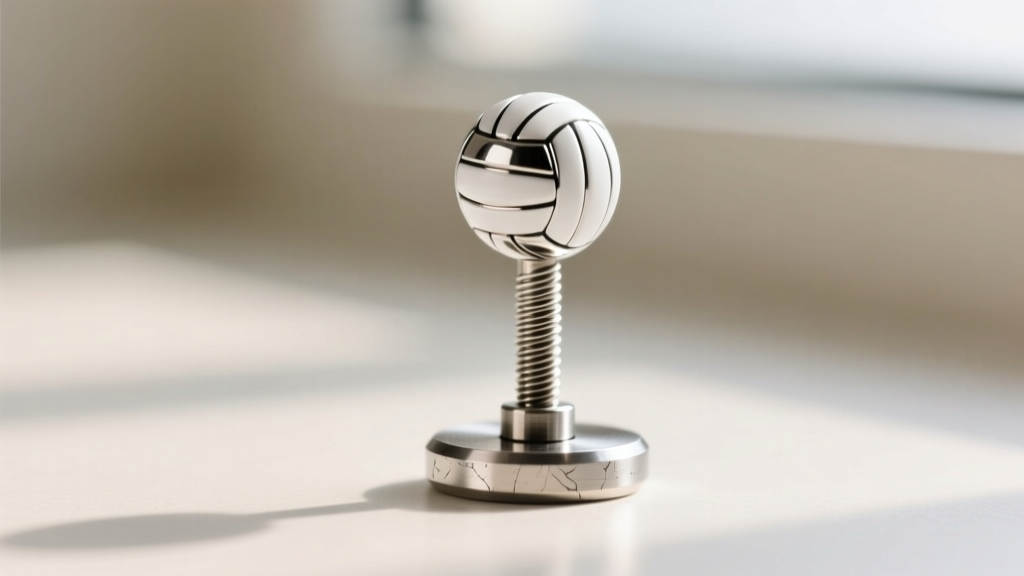
If you choose a metal flat-back labret, avoid externally threaded posts (where the screw pattern is on the post itself). Dragging sharp external threads through the piercing hole causes micro-tears in the fistula. Instead, invest in internally threaded or threadless (push-pin) jewelry. Threadless jewelry uses a slight bend in the pin to create tension against the inside of the shaft, offering a completely smooth insertion and a secure hold that will not rattle loose during intense physical exertion.
Care Routine for Active Athletes
Even the highest grade of titanium requires proper maintenance when subjected to daily athletic wear. Follow this post-practice protocol to ensure your piercings remain healthy:
- Immediate Rinse: Do not wait until you get home to clean your ears. The moment practice ends, rinse your earlobes with sterile saline solution or clean, potable water to wash away dried sweat and chloride buildup.
- Ultrasonic Cleaning (Weekly): For metal volleyball earrings, use a small ultrasonic jewelry cleaner with a few drops of mild, fragrance-free dish soap. This vibrates away microscopic sebum and dead skin cells that accumulate in the threading and charm crevices.
- Silicone Sanitization: Silicone is non-porous and can be fully sterilized. Once a week, remove your silicone earrings and boil them in clean water for 5 minutes to eliminate all bacteria and fungi.
Pro Tip: Always keep a pair of sterile, medical-grade silicone retainers in your volleyball bag. If you lose a metal earring during a tournament or experience sudden swelling from a minor impact, a silicone retainer will keep the piercing open safely without aggravating the tissue.
Final Verdict on Court-Ready Jewelry
Expressing your passion for the sport through volleyball earrings should not come at the cost of your physical health or piercing integrity. By abandoning cheap, plated novelty metals in favor of ASTM F136 titanium, high-quality 316L steel, or flexible medical-grade silicone, you ensure your jewelry survives the rigors of the court. Pair these premium materials with a flush-fit, flat-back design in an 18-gauge thickness, and you will have a setup that is as resilient and high-performing as your game.


