How to Choose and Style Scallop Earrings for Beginners
Discover how to choose, style, and care for scallop earrings. This beginner-friendly guide covers metals, face shapes, and lobe versus cartilage placements.

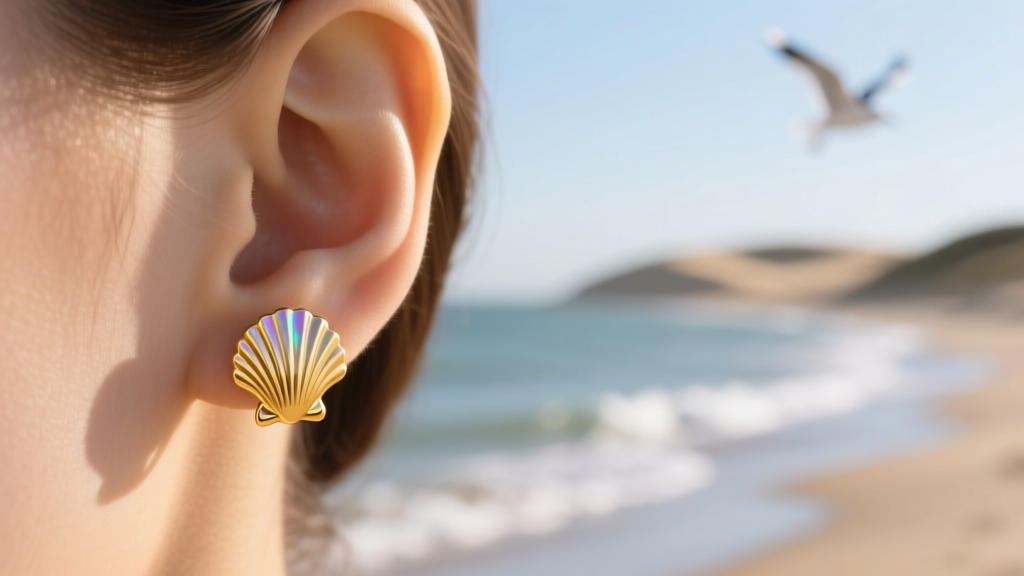
What Are Scallop Earrings? Understanding the Two Main Styles
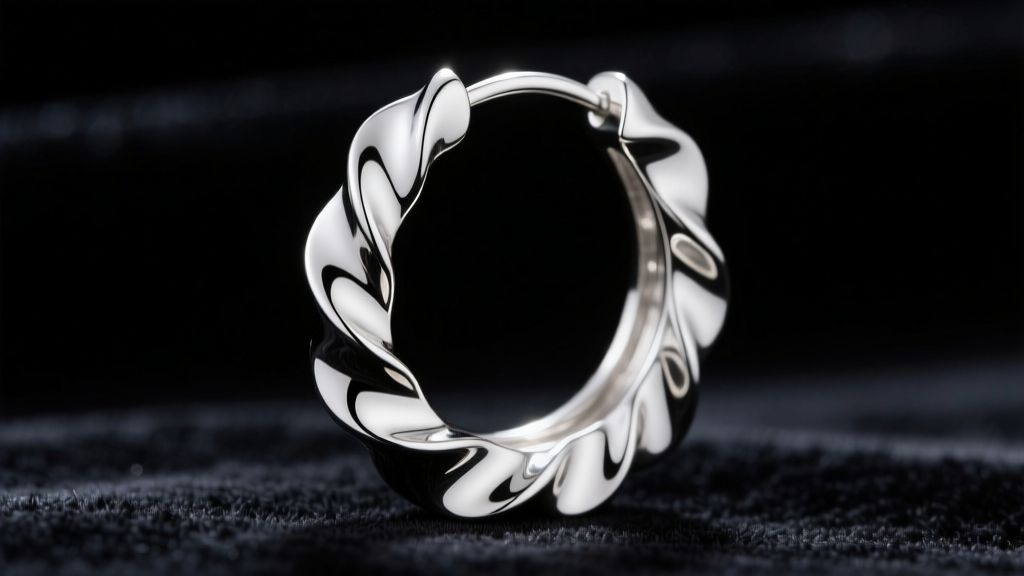
If you are diving into the world of oceanic and romantic jewelry, you have likely encountered the term 'scallop earrings.' For beginners, it is crucial to understand that this term actually refers to two distinctly different design categories in modern jewelry making. The first is the literal scallop shell motif, which features 3D or engraved replicas of the iconic fan-shaped seashell. These are heavily tied to coastal, mermaid-core, and summer aesthetics. The second category is the scalloped-edge design, which refers to any earring (hoops, studs, or drops) featuring a wavy, undulating border rather than a straight geometric edge.
Both styles offer a softer, more organic alternative to harsh geometric lines, but they behave very differently regarding weight, piercing placement, and daily wear. In this 2026 beginner's guide, we will break down exactly how to select the right scallop earrings for your anatomy, lifestyle, and budget, ensuring you avoid common pitfalls like tarnished crevices or heavy motifs that stretch your lobes.
Materials and Metal Grades: A Buyer's Comparison
Because scallop designs feature intricate ridges, grooves, and wavy edges, the metal you choose dictates both the longevity of the piece and how easily it can be cleaned. According to the Gemological Institute of America (GIA), understanding metal purity and plating thickness is vital for avoiding skin irritation and premature wear.
| Metal Type | Best For | Average Price Range | Durability & Care Notes |
|---|---|---|---|
| Implant-Grade Titanium (ASTM F136) | Fresh piercings, sensitive skin, cartilage | $40 - $90 | Hypoallergenic, lightweight, won't tarnish in shell grooves. |
| Solid 14k or 18k Gold | Everyday wear, heirloom pieces, showering | $150 - $500+ | Highly durable. Can be polished to restore shine on wavy edges. |
| Sterling Silver (925) | Occasional wear, budget-friendly styling | $30 - $80 | Prone to tarnish in the deep crevices of shell motifs. Requires frequent polishing. |
| Gold Vermeil (3+ Microns) | Trend-driven styles, moderate budgets | $60 - $140 | Ensure it is at least 2.5 to 3 microns thick; otherwise, friction on scalloped edges will rub the gold off quickly. |
Pro Tip: If you are buying sterling silver scallop shell earrings, look for rhodium-plated finishes. This adds a microscopic barrier that prevents the deep ridges of the shell from oxidizing and turning black, which is notoriously difficult to clean out with a standard polishing cloth.
Matching Scallop Earrings to Your Face Shape
The wavy, organic lines of scallop earrings can be used strategically to balance your facial features. Here is a quick framework for beginners:
- Round Faces: Opt for elongated scallop shell drop earrings. The vertical movement draws the eye downward, creating an illusion of length. Avoid wide, chunky scalloped hoops, which can add unwanted width.
- Square Faces: Scalloped-edge hoops or medium-sized shell studs are your best friend. The curved, wavy borders soften a strong, angular jawline.
- Heart-Shaped Faces: Choose scallop chandelier earrings or teardrop shells that are wider at the bottom. This adds visual weight to the lower half of your face, balancing a narrower chin.
- Oval Faces: You have the versatility to pull off almost any style, from tight scalloped huggies to dramatic, oversized 3D shell motifs.
Piercing Placement and Gauge Sizing Guide
One of the most common mistakes beginners make is ignoring the physical weight and post thickness of novelty or motif jewelry. The Association of Professional Piercers (APP) emphasizes that wearing incorrect gauges or overly heavy jewelry can cause migration, tearing, or the dreaded 'cheese-cutter effect' in delicate piercings.
Standard Lobe Piercings
Most standard lobe piercings are done at 20G (0.8mm) or 18G (1.0mm). If you are buying 3D scallop shell studs, pay close attention to the weight. Solid gold or silver shells that are larger than 15mm can easily stretch a fresh or delicate lobe over time. Furthermore, heavy shell motifs often cause standard butterfly earring backs to slip. Always swap flimsy backs for silicone stoppers or flat-back screw ends to keep the scallop shell sitting perfectly upright on your ear.
Cartilage, Helix, and Conch Piercings
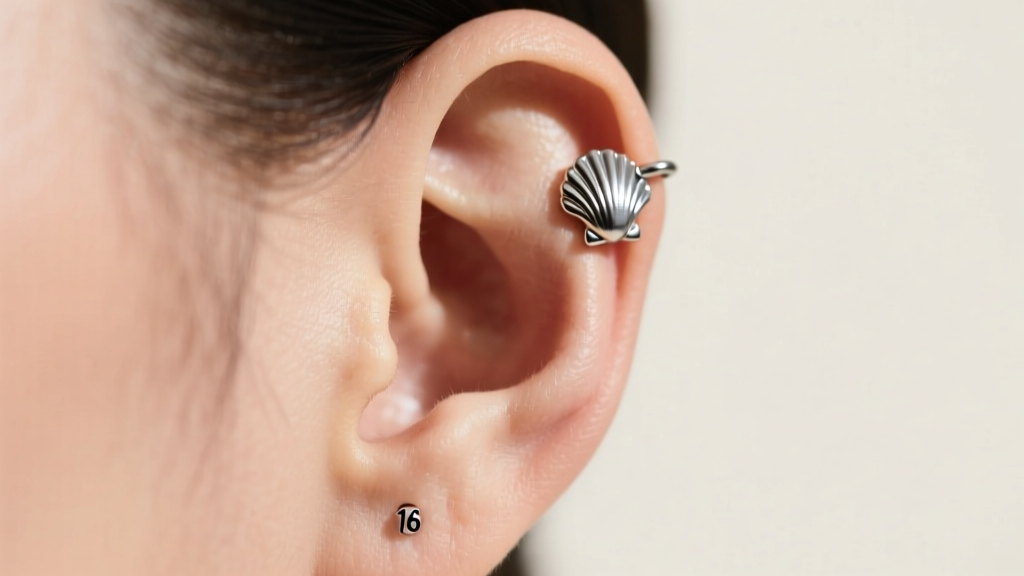
Cartilage piercings are typically 16G (1.2mm) or sometimes 14G (1.6mm). You must ensure the earring post is thick enough so it doesn't bend inside the piercing channel. For helix placements, avoid long, dangling scallop shells. Cartilage is sensitive to leverage; a long dangling shell can easily snag on a hairbrush or sweater, causing severe trauma to the piercing. Instead, opt for a 16G titanium flat-back labret stud with a tiny, flush-set scallop charm (under 6mm in diameter).
Care, Maintenance, and Troubleshooting
Scalloped edges and shell ridges are notorious for trapping dead skin cells, hair products, and environmental dirt. Here is how to maintain them without ruining the metal or any inset gemstones.
'Never use ultrasonic cleaners on scallop earrings that feature inset pearls, opals, or turquoise. The high-frequency vibrations can easily fracture these soft, porous stones, especially when they are set into the uneven, wavy borders of a scalloped mount.' — Master Bench Jeweler
The Weekly Cleaning Routine
- Mix a few drops of mild, phosphate-free dish soap (like Dawn) into a bowl of warm distilled water.
- Soak the earrings for 3 to 5 minutes to loosen debris trapped in the shell grooves.
- Use an extra-soft baby toothbrush to gently sweep along the scalloped edges and ridges. Never use hard-bristled brushes, as they will leave micro-scratches on high-polish gold or silver.
- Rinse under lukewarm water and pat completely dry with a lint-free microfiber cloth. Moisture left in the crevices of sterling silver will accelerate tarnishing.
Troubleshooting the 'Snag Factor'
Scalloped-edge hoops and intricate shell motifs will catch on knitwear, lace, and long hair. If you are wearing a delicate scalloped design, always put your earrings in after you have dressed and styled your hair. When taking off scarves or high-collared sweaters, pull the garment over your head carefully to avoid ripping the earring out of your lobe. If a scalloped edge becomes bent or warped from a snag, do not try to bend it back into place with pliers yourself; take it to a jeweler to be reshaped on a mandrel to prevent the metal from snapping due to work-hardening.
Where to Buy: Trusted Starting Points
For beginners looking to invest in their first pair of high-quality scallop earrings, avoid fast-fashion alloy pieces that will turn your skin green within a week. Look for brands that transparently list their metal grades and plating micron thickness. Brands like Catbird offer exquisite, lightweight solid 14k gold shell motifs perfect for everyday lobe wear. For budget-friendly but high-quality gold vermeil with thick plating, Mejuri and Gorjana frequently release scalloped-edge hoops that withstand daily friction. Finally, for custom, hand-carved wax cast shell designs, searching for 'lost wax cast scallop shell' on Etsy will connect you with independent artisan jewelers who prioritize solid metals over cheap plating.


