Are Brass Earrings Hypoallergenic? A Metal Allergy Guide
Are brass earrings hypoallergenic? We break down the metallurgy of brass, copper oxidation, and the best safe metal alternatives for sensitive earlobes.

The Short Answer: Is Brass Safe for Sensitive Ears?
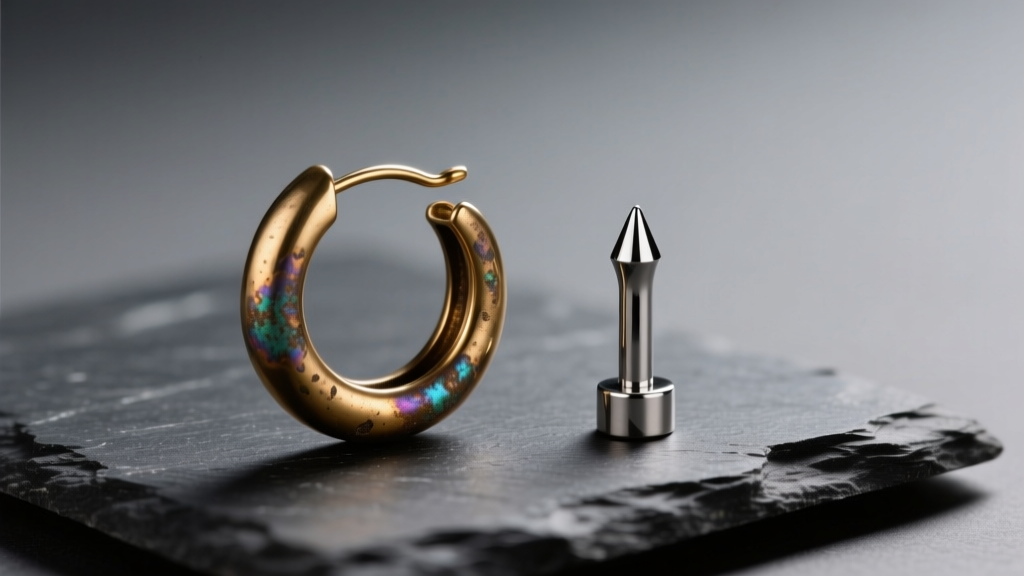
If you have ever experienced itchy, red, or swollen earlobes after wearing your favorite vintage hoops, you have likely asked: are brass earrings hypoallergenic? The short and definitive answer is no. Brass is not a hypoallergenic metal. In fact, for individuals with sensitive skin, freshly healed piercings, or known metal allergies, brass is one of the most problematic materials you can insert into your earlobes or cartilage.
While brass offers a beautiful, warm, golden aesthetic that mimics high-karat gold at a fraction of the cost, its metallurgical composition makes it highly reactive to human biology. In this comprehensive material guide, we will break down the exact chemical properties of brass, explain why it causes adverse reactions, and provide actionable, safe alternatives for your jewelry collection.
The Metallurgy of Brass: Why It Triggers Reactions
To understand why brass fails the hypoallergenic test, we must look at its atomic makeup. Brass is not a pure elemental metal; it is an alloy primarily composed of copper (typically 60% to 70%) and zinc (30% to 40%). Depending on the manufacturer, trace amounts of lead, iron, or nickel may also be present to improve machinability or alter the color.
Copper Oxidation and the 'Green Ear' Effect
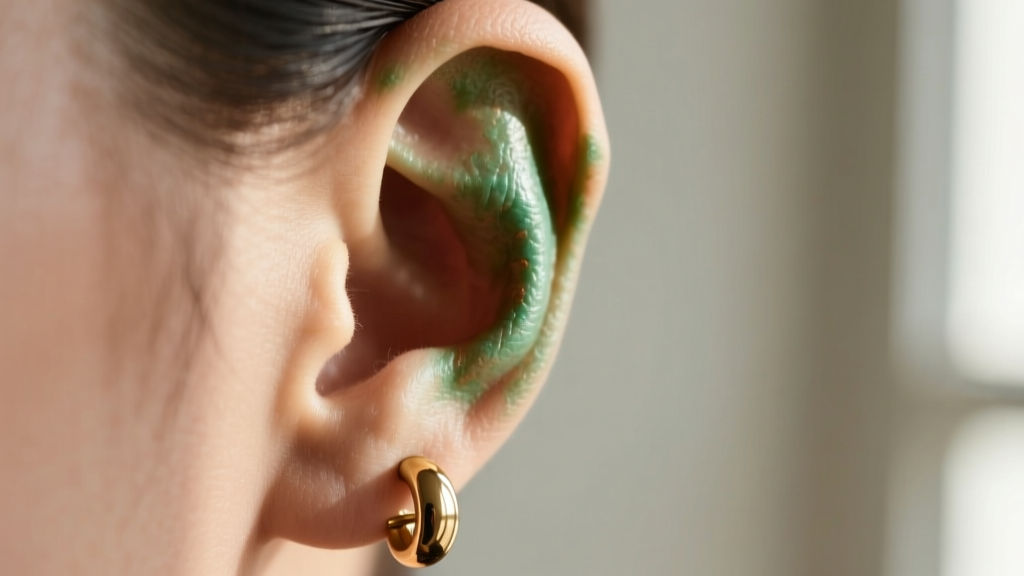
The most common complaint associated with brass jewelry is the infamous 'green ear.' This is not technically an allergic reaction, but rather a chemical one. Human sweat is mildly acidic, with a pH ranging from 4.5 to 7.0, and contains lactic acid, urea, and chloride ions. When the copper in brass comes into prolonged contact with this acidic environment, it undergoes oxidation.
This reaction produces copper chloride and copper sulfate salts, which manifest as a green or blackish residue on your skin. While this oxidation is generally harmless and washes off with soap and water, it is a clear indicator that the metal is actively degrading against your skin, which can lead to irritant contact dermatitis.
The Hidden Nickel Problem
True metal allergies are typically Type IV hypersensitivity reactions, and the most common culprit in jewelry is nickel. While pure brass does not inherently contain nickel, the reality of mass-produced, fast-fashion jewelry is far less controlled. Cheap brass alloys are frequently plated with microscopic layers of nickel to create a brighter, more reflective surface before being flash-plated with gold or silver. Once that thin top layer wears away from friction, the underlying nickel is exposed, triggering severe allergic reactions.
'Nickel allergy is the most common contact allergy, affecting up to 18% of adults in North America. Even trace amounts of nickel released from alloys can cause severe localized eczema.' — American Academy of Dermatology (AAD)
Brass vs. Truly Hypoallergenic Metals
When shopping for earrings, especially for cartilage piercings (like helices or tragus) where the tissue is dense and prone to irritation bumps, material selection is critical. Below is a comparative breakdown of brass against industry-standard body-safe metals.
| Metal / Alloy | Hypoallergenic? | Nickel Content | Avg. Price (per pair) | Best Use Case |
|---|---|---|---|---|
| Brass | No | Trace / Unregulated | $5 - $25 | Short-term wear on fully healed, non-sensitive lobes |
| Surgical Steel (316L) | Mostly | 8% - 10% (Trapped in alloy) | $15 - $40 | Healed piercings; avoid if you have severe nickel allergies |
| Implant-Grade Titanium (ASTM F136) | Yes | 0% (Nickel-Free) | $35 - $85 | Fresh piercings, sensitive ears, daily wear |
| Niobium | Yes | 0% (Nickel-Free) | $30 - $70 | Cartilage hoops, clickers, and highly reactive skin |
| Solid 14K / 18K Gold | Yes (Usually) | Varies (White gold contains nickel) | $100 - $400+ | Luxury daily wear, heirloom pieces |
How to Wear Brass Safely (If You Must)
If you have a vintage brass piece or a specific designer hoop that you absolutely love and refuse to part with, there are a few mitigation strategies. However, note that these are temporary fixes, not permanent solutions.
- Clear Nail Polish Coating: Painting the earring post and the part of the hoop that touches the skin with a cyanoacrylate-based clear nail polish creates a physical barrier. Warning: Friction from inserting the earring will scrape this coating off within 2 to 3 wears, requiring constant reapplication.
- Silicone O-Rings and Guards: You can purchase medical-grade silicone O-rings or plastic earring guards that slip over the post. This prevents the brass post from touching the inside of the piercing fistula (the skin tunnel), though it does nothing to protect the outer earlobe from the decorative brass front.
- Limit Wear Time: Restrict brass earrings to events where you will wear them for 4 to 6 hours maximum. Never sleep in brass earrings, as the increased heat and prolonged contact with sebum and sweat will accelerate copper oxidation.
- Keep it Dry: Never wear brass in the shower, pool, or ocean. Chlorine and saltwater act as aggressive catalysts for galvanic corrosion, rapidly breaking down the zinc and copper matrix.
The Best Hypoallergenic Alternatives for Sensitive Ears
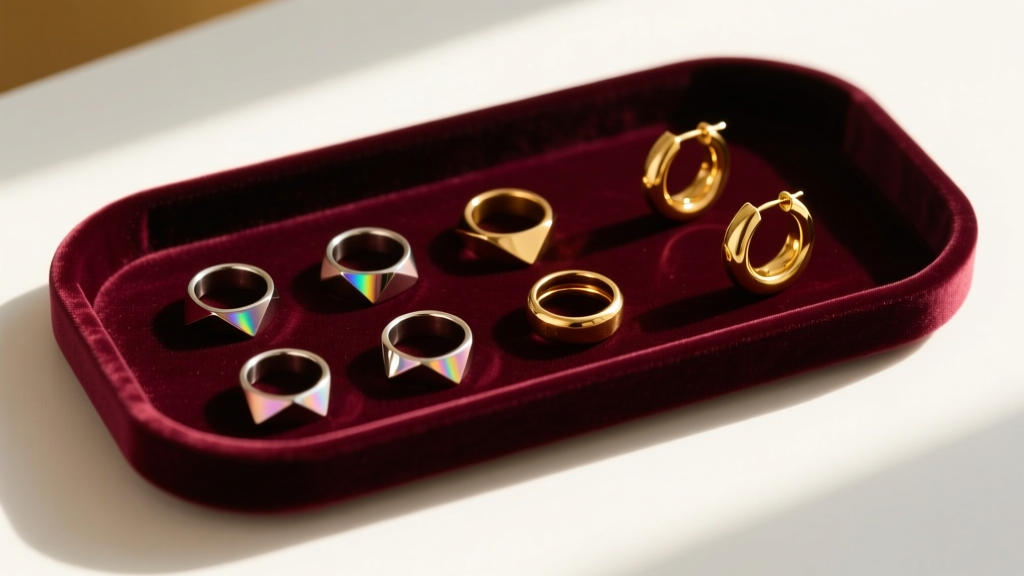
If you are tired of dealing with itchy lobes and green skin, it is time to upgrade your jewelry box. According to the Association of Professional Piercers (APP), only a select few materials are recommended for initial piercings and highly sensitive skin.
Implant-Grade Titanium (ASTM F136)
Titanium is the undisputed king of hypoallergenic jewelry. Specifically, you want to look for ASTM F136 compliant titanium, which is the exact same grade used for surgical implants like pacemakers and joint replacements. It is entirely nickel-free, highly resistant to corrosion, and incredibly lightweight. For standard earlobes, look for 20-gauge (0.81mm) or 18-gauge (1.02mm) titanium labret studs. For cartilage, a 16-gauge (1.29mm) flat-back labret provides the necessary structural support to prevent migration.
Niobium
Niobium is an elemental metal that is highly biocompatible and completely free of nickel. Unlike titanium, which is an alloy, niobium is incredibly soft and malleable, making it the perfect material for seamless rings and clickers. If you love the look of brass hoops but need a safe alternative, anodized niobium can be treated with electricity to produce a stunning array of colors, including a rich, brassy gold or deep bronze hue, without using any toxic dyes or plating.
Final Verdict: Ditch the Brass for Fresh Piercings
So, are brass earrings hypoallergenic? Absolutely not. While brass is an attractive and affordable material for decorative accessories, it has no place in a fresh piercing or the jewelry box of someone with contact dermatitis. The combination of copper oxidation, unregulated trace metals, and poor surface polishing makes brass a primary culprit for irritation bumps, localized eczema, and allergic reactions.
Invest in your ear health by transitioning to implant-grade titanium, niobium, or solid 14k/18k yellow gold. Your piercings will heal faster, your skin will remain clear, and you will never have to scrub green oxidation off your earlobes again.


