The Ultimate Guide to Lock Back Earrings: Secure & Comfortable
Discover the best lock back earrings for secure, comfortable wear. Our buying guide covers mechanisms, materials, gauges, and top brand picks.

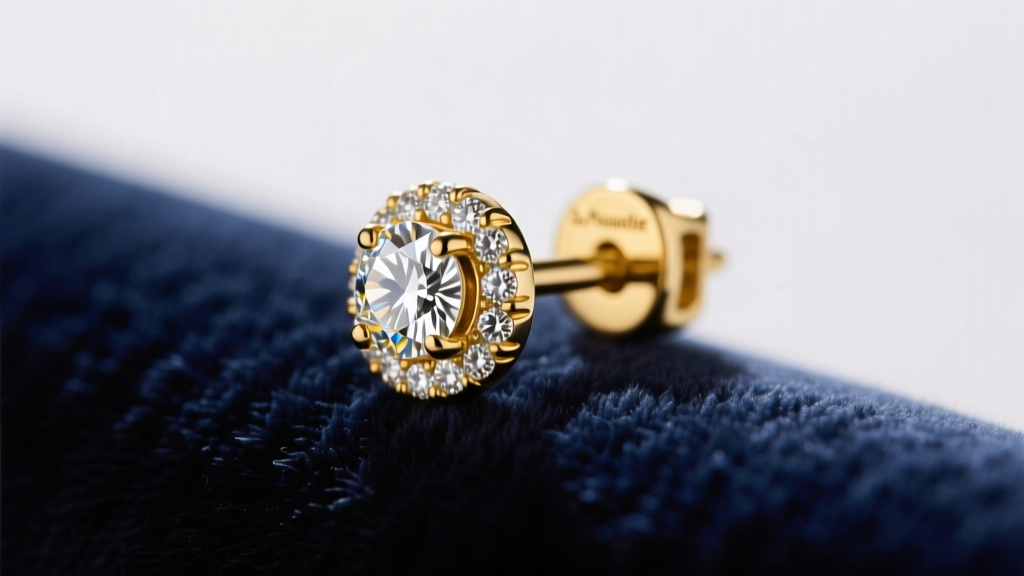
Why Lock Back Earrings Are the Gold Standard for Security
There are few things more devastating in the jewelry world than reaching up to touch your earlobe and realizing your favorite diamond stud or heirloom gemstone is missing. Standard friction backs, often called butterfly backs, rely entirely on the tension of bent metal against a smooth post. Over time, this tension degrades, leading to catastrophic losses. Enter lock back earrings: a mechanical solution designed to physically secure the backing to the earring post, ensuring that your most prized possessions stay exactly where they belong. Whether you are investing in high-carat diamond studs or simply want peace of mind for your daily wear gold hoops, understanding the engineering and material science behind locking mechanisms is crucial for making an informed purchase.
Decoding the Mechanisms: La Pousette vs. Screw Backs vs. Friction
When jewelers and collectors refer to lock back earrings, they are generally talking about two distinct mechanical systems. It is vital to understand the difference, as the terminology is often conflated in retail settings, leading to buyer confusion.
The La Pousette (Locking Clutch) System
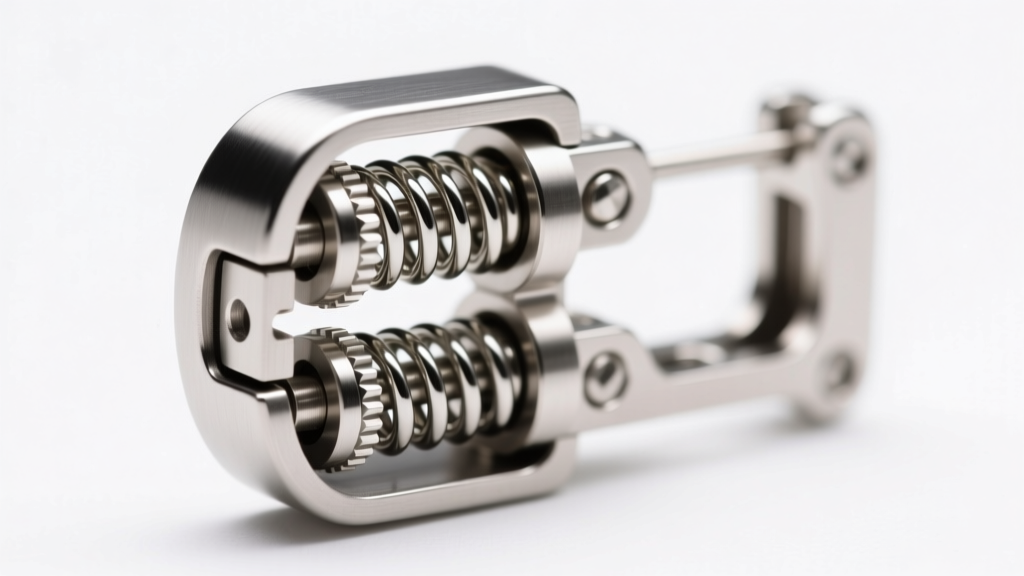
Invented in the 1960s, the La Pousette back is the pinnacle of earring security. Unlike standard push-backs, the La Pousette clutch contains a tiny, dual-spring mechanism housed within a metal sheath. The earring post itself is precision-machined with a small groove near the tip. When you push the La Pousette clutch onto the post, the internal spring-loaded tabs snap into this groove with an audible click. To remove the earring, you must pinch two small metal wings on the side of the clutch, which retracts the tabs and releases the post. Because it requires a deliberate, two-handed mechanical action to remove, it is virtually impossible for a La Pousette back to fall off accidentally during sleep, exercise, or changing clothes.
Threaded Screw Backs
Screw backs represent the other primary category of lock back earrings. Here, the earring post is threaded like a microscopic screw, and the backing contains a corresponding internal thread. The wearer must twist the backing onto the post until it is flush against the earlobe. High-end jewelers prefer internally threaded screw backs, where the threads are inside the backing rather than on the post itself. This ensures the smooth post passes through the piercing without causing micro-tears in the fistula (the piercing channel), a standard heavily advocated by professional body modification experts.
A true lock back relies on a mechanical groove and spring tension, or precise threading, rather than the degrading friction of bent metal.
Material Grades and Hypoallergenic Requirements
The security of a lock back is useless if the metal causes contact dermatitis. The locking mechanisms—particularly the tiny springs inside a La Pousette clutch—are historically made from stainless steel or white gold alloys that may contain trace amounts of nickel. According to the American Academy of Dermatology, nickel allergy is one of the most common causes of allergic contact dermatitis. When shopping for lock back earrings, you must scrutinize not just the earring head, but the backing itself.
| Material | Grade / Standard | Pros | Cons | Avg. Price Range |
|---|---|---|---|---|
| Implant-Grade Titanium | ASTM F136 | 100% Nickel-free, lightweight, highly corrosion resistant | Cannot be cast into intricate designs, usually limited to machined posts | $80 - $250 |
| 18K Solid Gold | 750 / Nickel-Free Alloy | Rich color, excellent value retention, hypoallergenic if alloyed correctly | Soft metal; threads can strip if over-tightened | $400 - $2,500+ |
| 14K Solid Gold | 585 / Standard Alloy | Durable, more affordable, widely available in lock back styles | May contain trace nickel depending on the manufacturer's white gold alloy | $150 - $800 |
| Platinum | PT950 | Extremely durable, naturally white, hypoallergenic | Very heavy, expensive, can cause earlobe drooping over time | $600 - $3,000+ |
For white gold lock backs, always verify with the jeweler that the alloy uses palladium rather than nickel as the whitening agent. The Association of Professional Piercers strictly recommends ASTM F136 titanium or niobium for sensitive ears, though finding these specific metals in traditional La Pousette settings can be challenging and often requires custom fabrication.
Gauge Sizes and Post Thickness: What Actually Fits?
The gauge (thickness) of the earring post dictates which locking mechanisms are physically possible. Standard friction backs can accommodate almost any thickness, but lock back earrings are constrained by their engineering.
- 20 Gauge (0.81mm): The most common size for fine jewelry and diamond studs. La Pousette clutches are readily available for 20g posts, though the internal springs are incredibly delicate.
- 18 Gauge (1.02mm): The sweet spot for lock backs. It provides enough metal mass for the post to be grooved or threaded without compromising the structural integrity of the wire. Most high-end screw backs are manufactured in 18g.
- 14 Gauge (1.63mm) and thicker: True La Pousette locking clutches are virtually non-existent for 14g or 12g posts because the clutch would need to be uncomfortably large and heavy. For thicker gauges, threaded screw backs or specialized hinged locking segments are the only viable secure options.
Troubleshooting Common Lock Back Failures
While lock back earrings are highly secure, they are mechanical devices and can experience specific failure modes. Understanding these will help you maintain your jewelry and know when to visit a bench jeweler for repairs.
1. Stripped Screw Threads
If you frequently force a screw back at the wrong angle, the microscopic threads will strip. Once stripped, the backing will spin endlessly without tightening. Solution: Never force a screw back. If it catches, reverse it, align it perfectly straight, and try again. Stripped posts must be replaced by a jeweler using a laser welder.
2. Spring Fatigue in La Pousette Clutches
The tiny internal springs can lose tension after 5 to 10 years of daily use, or if exposed to harsh chemicals that cause microscopic rust. If the clutch slides on but no longer 'clicks' into the groove, the spring has failed. Solution: La Pousette clutches are generally not repairable due to their size; they must be replaced. Always buy from jewelers who stock replacement clutches.
3. Seized Mechanisms from Debris
Dead skin cells, sebum, and soap scum can calcify inside the locking clutch or between screw threads, effectively gluing the back to the post. Solution: Soak the earring in warm water with a drop of mild dish soap for 20 minutes, then gently work the mechanism. Never use pliers to force a stuck lock back, as you will bend the post.
How to Clean and Maintain Locking Mechanisms
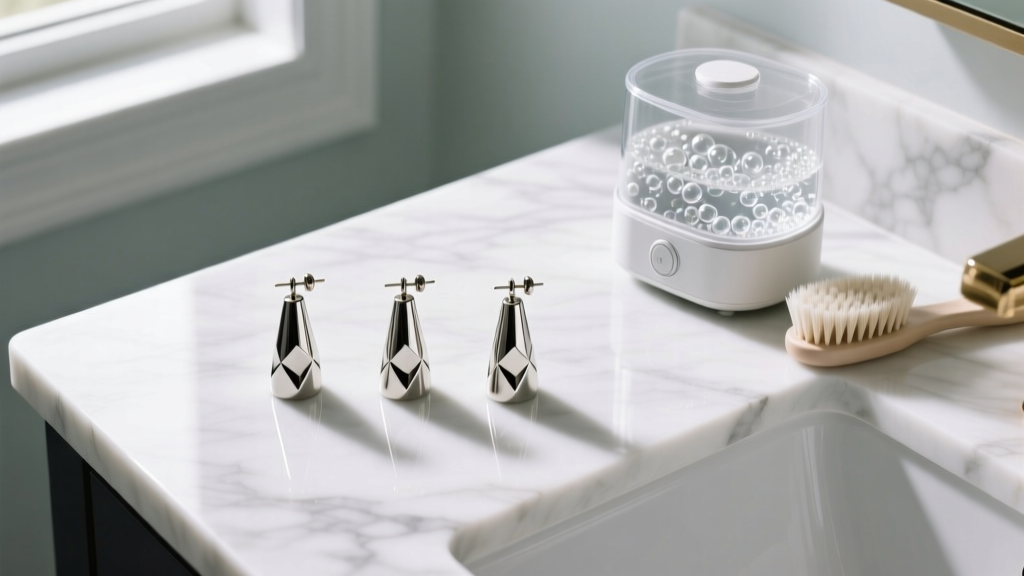
Maintaining lock back earrings requires a slightly different approach than standard jewelry cleaning. Ultrasonic cleaners are excellent for removing dirt from diamond heads, but the high-frequency vibrations can sometimes loosen the tiny tension pins inside a La Pousette clutch over time. For routine cleaning, use a soft-bristled baby toothbrush and a dedicated jewelry cleaning solution or mild castile soap. Pay special attention to the groove on the post or the threading, as this is where debris accumulates. For screw backs, a tiny application of food-grade mineral oil on the threads once a year can prevent cross-threading and ensure smooth operation. Avoid spraying perfumes or hairsprays directly onto the ear while wearing lock backs, as the alcohol and resins can gum up the internal springs, rendering the locking mechanism useless.
Final Verdict: Are Lock Backs Worth the Investment?
If you are purchasing earrings with significant monetary or sentimental value, lock back earrings are not just an option; they are a mandatory investment. The premium you pay for a La Pousette setting or precision-machined internally threaded screw backs—typically an additional $50 to $150 over standard friction backs—is entirely justified by the prevention of loss. When shopping, prioritize 18-gauge posts for the best balance of strength and mechanism reliability, insist on nickel-free alloys or ASTM F136 titanium for the posts, and always test the locking mechanism in-store to ensure the tension meets your tactile preferences. By prioritizing mechanical security alongside aesthetic beauty, you ensure your fine jewelry remains safely in your collection for generations.


