The Ultimate Guide to Buying Vintage Lisner Earrings
Discover what to look for when buying vintage Lisner earrings. Learn to identify hallmarks, Lucite styles, and pricing for authentic collectible pieces.

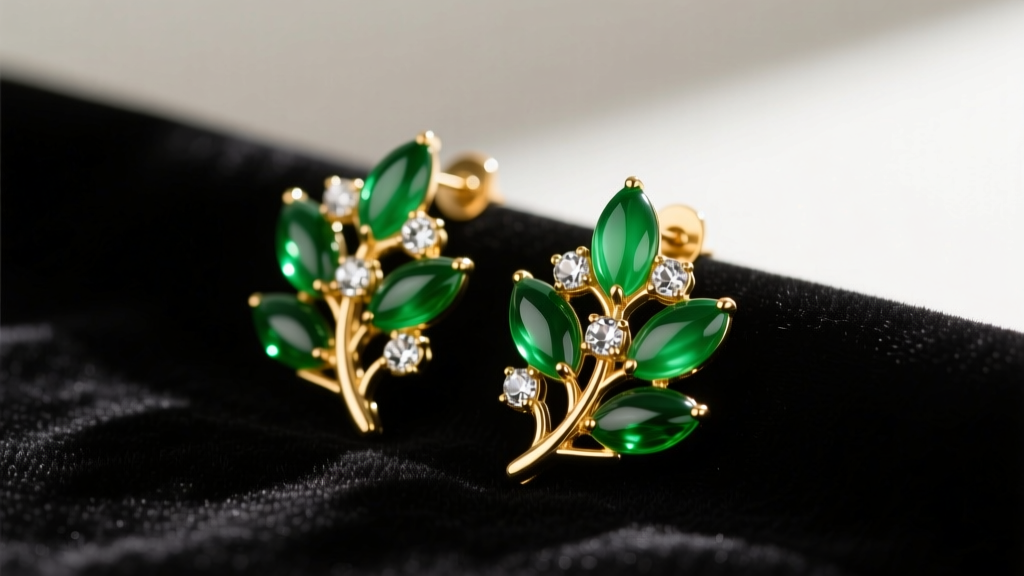
The Legacy of Lisner: Why Collectors Covet These Earrings
When navigating the expansive world of vintage costume jewelry, few names carry the weight and recognition of Lisner. Founded in 1904 by Charles Lisner, the company initially imported European jewelry before pivoting to domestic manufacturing in the 1930s. By the mid-20th century, Lisner earrings had become a staple of American fashion, celebrated for their innovative use of molded plastics, brilliant rhinestones, and accessible luxury. For modern collectors and style enthusiasts, buying vintage Lisner earrings is not just about acquiring an accessory; it is about owning a piece of mid-century design history. However, the secondary market is flooded with misidentified pieces, replicas, and damaged goods. This comprehensive buying guide will equip you with the expert knowledge needed to authenticate, evaluate, and care for genuine Lisner earrings.
Decoding Lisner Hallmarks and Signatures
The most critical step in authenticating vintage Lisner earrings is examining the hallmark. The company evolved its signatures over the decades, and knowing the timeline of these marks is essential for dating a piece and verifying its legitimacy. According to the extensive archives at Collectors Weekly, Lisner's stamping practices shifted significantly around the mid-1950s due to changes in copyright law.
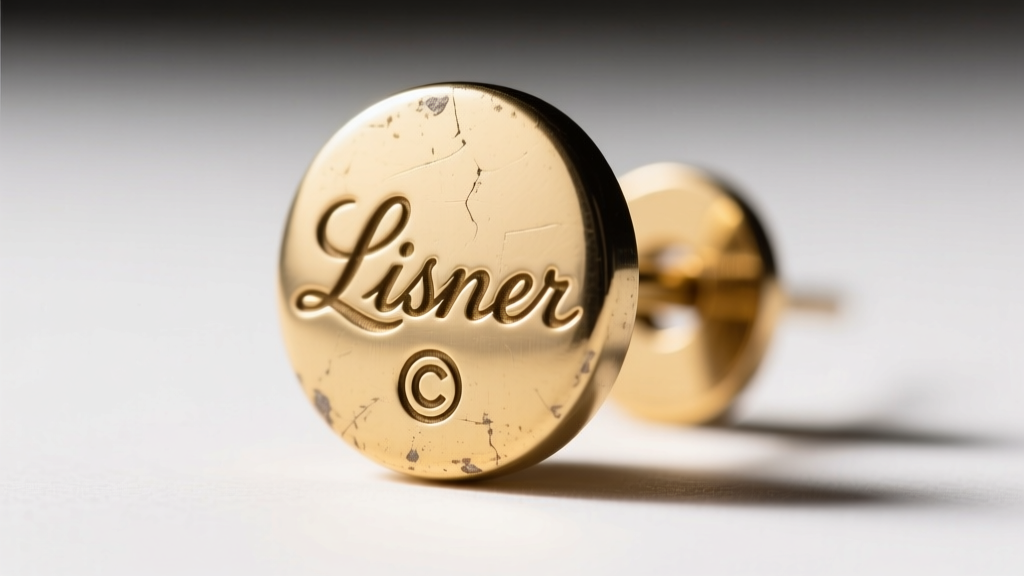
Timeline of Lisner Hallmarks
- 1935–1940s: Early pieces often feature "LISNER" in simple, uppercase block letters. Many pieces from this era were only tagged with paper foil labels, meaning unmarked earrings from this period are notoriously difficult to authenticate without provenance.
- 1950s: The brand transitioned to a flowing script font. Crucially, after the Copyright Act of 1954, Lisner began adding the copyright symbol (©) next to or beneath the script name. If a piece features an "LISNER" script without the © symbol, it likely predates 1955.
- 1960s–1970s: You will frequently find the name stamped inside a raised oval cartouche. This is one of the most recognizable and widely counterfeited marks, so pay close attention to the depth and clarity of the stamping.
- 1980s and Beyond: After being acquired by the Weiss company in the late 1970s, marks sometimes included "LISNER" alongside sterling silver stamps (e.g., "925") as the brand shifted toward fine jewelry materials before eventually ceasing operations.
Key Materials: From Molded Lucite to Aurora Borealis Rhinestones
Lisner was a pioneer in material experimentation. Understanding the specific plastics and glass used during different eras will help you spot fakes and assess value. As noted by the jewelry experts at The Spruce Crafts, the integration of specialized acrylics and coated stones defined the brand's golden era.
| Material | Era of Prominence | Visual Characteristics | Collector Value |
|---|---|---|---|
| Moonglow Lucite | 1950s–1960s | Translucent acrylic with embedded colorants that create an internal, pearlescent glow when exposed to light. | High ($60–$150+) |
| Aurora Borealis (AB) Stones | Late 1950s–1970s | Glass rhinestones with a vacuum-coated metallic finish that reflects iridescent rainbow hues. | Medium-High ($40–$90) |
| Thermoset Plastic | 1930s–1940s | Opaque, heavily molded Bakelite or Catalin, often carved with floral or geometric motifs. | Very High ($100–$300+) |
| Gold-Tone Base Metal | All Eras | Brass or white metal plated in gold. Look for warm, rich plating rather than brassy, yellow modern tones. | Varies by design |
Popular Vintage Lisner Earring Styles to Hunt For
When browsing estate sales or online marketplaces, certain silhouettes consistently command premium prices due to their craftsmanship and representation of specific fashion movements.
The 1950s Lucite Leaf and Floral Dangles
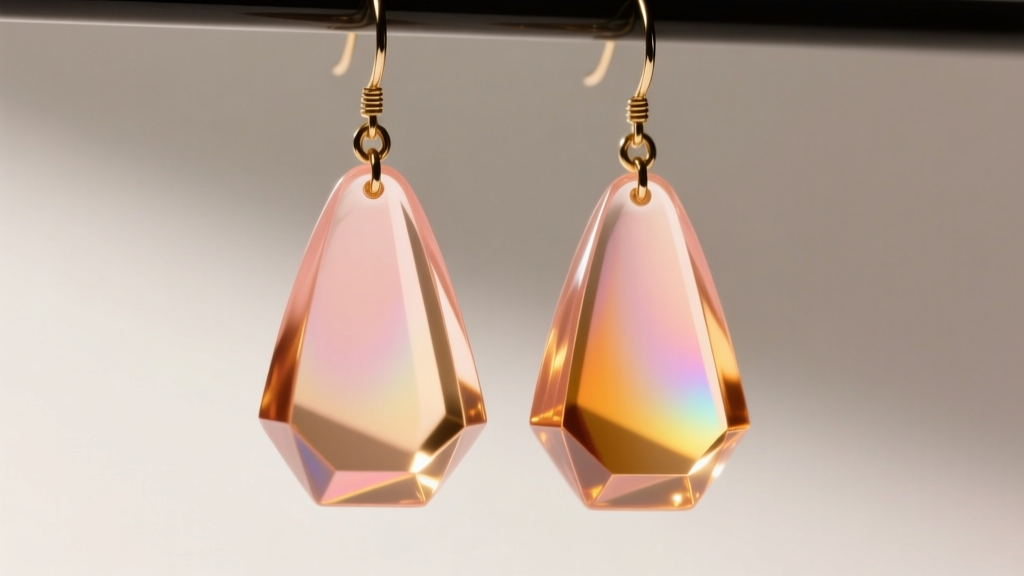
Lisner’s molded Lucite leaf earrings are arguably their most iconic contribution to mid-century fashion. These dangle earrings often feature gold-tone wire wrapping, intricate veining molded directly into the plastic, and accents of clear or colored rhinestones. The most prized variations utilize "Moonglow" Lucite, which shifts color depending on the angle of the light.
1960s Mod Geometric Clips
As fashion shifted toward the Space Age and Mod aesthetics, Lisner produced bold, oversized geometric clip-on earrings. These pieces often feature opaque Lucite in stark white, black, or tortoiseshell, combined with large, unfoiled cabochon stones. They are highly sought after by collectors of 1960s avant-garde fashion.
1980s Sterling Silver & Cubic Zirconia Studs
In its later years, Lisner pivoted to mimic fine jewelry. While less coveted by hardcore costume jewelry purists, their 1980s sterling silver stud earrings set with high-quality cubic zirconia offer excellent durability and a classic look for everyday wear at a fraction of the cost of fine jewelry counterparts.
Authentication Red Flags and Common Failure Modes
The vintage market is rife with traps. Before purchasing Lisner earrings, inspect them for these specific failure modes and authentication red flags:
Expert Warning: Beware of "Franken-Earrings"
A common deceptive practice involves taking a signed, damaged Lisner brooch, removing the pin stem, and gluing modern earring posts to the back. Always inspect the back of the earring. If the metal plate holding the post looks newer than the front, or if there is visible epoxy residue obscuring an old brooch catch, you are looking at a franken-piece with zero collector value.
- Verdigris Buildup: Because vintage costume jewelry uses copper alloys beneath the plating, exposure to moisture and skin acids causes verdigris—a toxic, green, crusty buildup. While light verdigris can be cleaned, deep pitting compromises the structural integrity of the metal.
- Clip-On Tension Loss: Vintage Lisner clip-ons frequently utilized the "paddle-back" mechanism. Over decades, the flat metal paddle loses its spring tension. If the earring does not snap shut firmly with a distinct click, it will not stay on the earlobe without aftermarket silicone pads.
- Dead Rhinestones: Inspect AB and foiled stones under a bright LED light. If a stone looks cloudy, gray, or lacks its signature sparkle, the foil backing has oxidized or the AB coating has worn off. Replacing these specific vintage stones is nearly impossible, permanently lowering the piece's value.
Market Pricing and Where to Buy Authentic Lisner Earrings
Pricing for vintage Lisner earrings varies wildly based on era, material, and condition. Here is a practical decision framework for budgeting your purchases in the current market:
- Entry-Level ($15–$35): 1970s and 1980s gold-tone clips, basic rhinestone studs, and pieces with minor wear or missing small accent stones. Best for everyday wearers rather than strict collectors.
- Mid-Range ($40–$85): 1960s Mod geometric clips, standard 1950s floral dangles with clear Lucite, and well-preserved AB rhinestone pieces. This is the sweet spot for vintage enthusiasts.
- Investment Grade ($100–$250+): 1930s Thermoset plastics, rare colorways of 1950s Moonglow Lucite leaves (such as deep amethyst or sapphire blue), and pristine, documented parure sets (matching necklace, bracelet, and earrings).
For authentic pieces, trusted platforms like Ruby Lane and vetted Etsy sellers specializing in vintage costume jewelry are your safest bets. Avoid unvetted flea market vendors who cannot explain the hallmarks, as misidentified contemporary Chinese replicas of mid-century designs are increasingly common.
Caring for Your Vintage Lisner Collection
Proper maintenance is vital to preserving both the financial and aesthetic value of your earrings. Never use ultrasonic cleaners or harsh chemical dips on vintage Lisner earrings. Ultrasonic waves will shatter older Lucite and strip the delicate Aurora Borealis coating from rhinestones. Instead, use a soft, dry microfiber cloth to polish the metal. For stubborn dirt in the crevices of molded Lucite leaves, gently use a dry, soft-bristled makeup brush. Always store your earrings in a climate-controlled environment, ideally in individual acid-free tissue pouches, to prevent the gold-tone plating from rubbing off and to halt the progression of verdigris.


