By Body Part
How to Select High Quality Cubic Zirconia Earrings
Learn how to choose high quality cubic zirconia earrings with our step-by-step guide covering 5A grades, rhodium plating, and prong settings.
Published

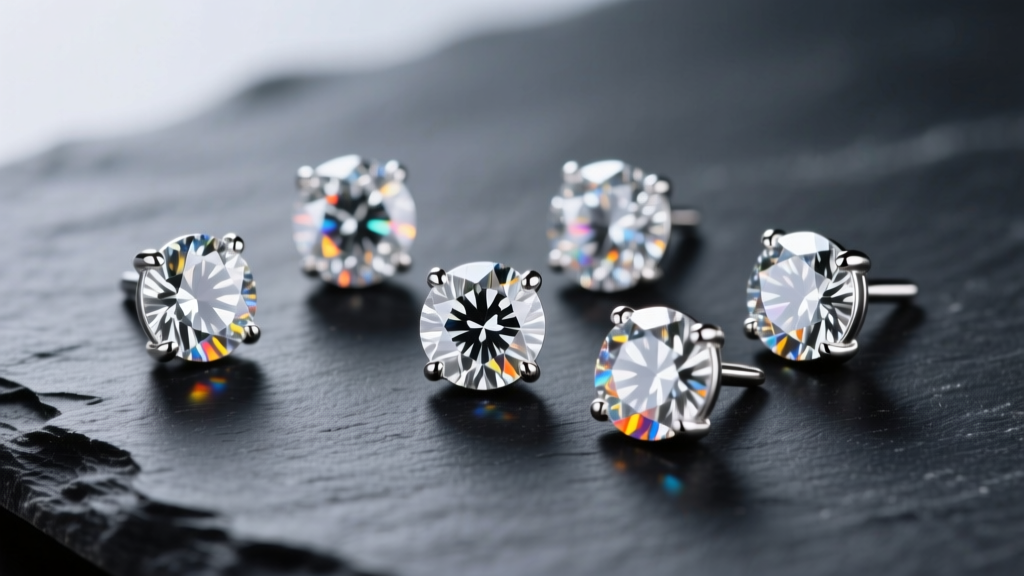 Cubic zirconia (CZ) remains one of the most popular diamond simulants on the market, but the gap between a cloudy, lifeless stone and a brilliant, diamond-like gem is vast. When shopping for high quality cubic zirconia earrings, you are not just paying for the brand name; you are investing in precise machine-cutting, premium metal bases, and secure setting techniques. Whether you are looking for classic lobe studs, 16-gauge cartilage threadless ends, or statement chandeliers, knowing how to evaluate the stone and the metal is crucial. This step-by-step guide will teach you exactly how to identify, select, and maintain premium CZ jewelry in 2026.
Step 1: Decode the CZ Grading System
The first step in selecting high quality cubic zirconia earrings is understanding the grading scale. Unlike natural diamonds, which are graded by the GIA on a strict color and clarity scale, CZ is graded by manufacturers using a letter-based system ranging from A to 5A (often written as AAAAA).Understanding the 5A Standard
The 5A grade represents the pinnacle of CZ manufacturing. These stones are machine-cut and polished to exact diamond proportions, typically featuring a table percentage of 53-57% and a depth of 58-62%. Lower grades (1A to 3A) are often hand-cut or poorly calibrated, resulting in asymmetrical facets that leak light and create a "glassy" or dead appearance. When a retailer advertises high quality cubic zirconia earrings, always verify that they explicitly state the stones are 5A or AAAAA grade. According to the International Gem Society, premium CZ should have a refractive index of 2.15–2.18, closely mimicking the brilliance of a diamond.Step 2: Select the Optimal Metal Base and Plating
A flawless 5A stone will look cheap if set in a subpar metal base. The metal not only dictates the longevity of the earring but also impacts skin sensitivity and the stone's perceived color.| Metal Type | Composition & Plating | Best For | Price Range (Studs) |
|---|---|---|---|
| 925 Sterling Silver | 92.5% Silver, plated with 0.75-1.0 microns of Rhodium | Everyday lobe studs, sensitive ears | $40 - $120 |
| Gold Vermeil | 925 Silver base with minimum 2.5 microns of 14k/18k Gold | Warm-toned skin, vintage styles | $60 - $150 |
| Solid 14k/18k Gold | Solid gold alloy, no plating | Lifetime wear, heirloom pieces | $250 - $600+ |
| Brass/Copper Base | Cheap alloy, thin flash plating | Avoid entirely (causes green skin) | Under $20 |
Step 3: Evaluate Cut, Dispersion, and Setting Style
Cubic zirconia has a higher dispersion rate (0.058–0.066) than a diamond (0.044). This means CZ naturally throws more rainbow-colored "fire." To maximize this optical property without making the stone look like a disco ball, the cut and setting must be meticulously chosen.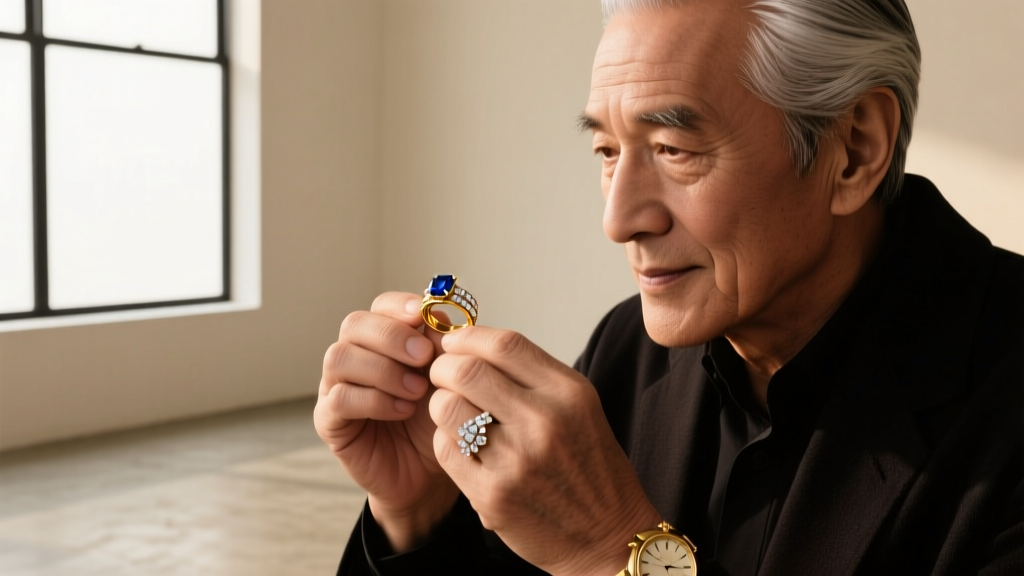
The Best Cuts for CZ
- Round Brilliant: The undisputed champion for CZ. The 57-facet arrangement is mathematically optimized to bounce light back to the eye, hiding the fact that the stone is a simulant.
- Cushion and Oval: Excellent alternatives that maintain high brilliance while offering a unique silhouette.
- Crushed Ice (Avoid): While popular in lab-grown diamonds, the crushed ice facet pattern makes CZ look cloudy and fractured. Avoid this cut entirely in high quality cubic zirconia earrings.
Prong vs. Bezel Settings
For maximum light return, choose prong settings (typically 4 or 6 prongs). Prongs allow ambient light to enter the pavilion (bottom) of the stone. Bezel settings, where metal completely encircles the girdle, offer superior protection against impacts but block light entry, which can make a CZ stone appear up to 20% darker.Step 4: Inspect Craftsmanship, Gauges, and Prong Tension
When buying online or in-store, inspect the physical construction of the earring. High quality cubic zirconia earrings will feature precise, snag-free prongs. Run the earring lightly over a piece of silk or fine knit fabric; if it catches, the prongs are poorly filed and will eventually tear your clothing or loosen the stone.Matching Gauge Sizes to Piercings
If you are buying CZ ends for cartilage piercings (like helix, tragus, or conch), gauge size is critical. Standard lobe earrings are typically 20-gauge (0.8mm) or 22-gauge (0.6mm). However, professional cartilage piercings are usually done at 16-gauge (1.2mm) or 18-gauge (1.0mm). Ensure you are purchasing threadless or internally threaded 16g/18g CZ ends from reputable body jewelry brands to prevent irritation and rejection. Never force a standard 20g lobe post into a 16g cartilage hole, as the thin post can cause the "cheese-cutter effect," slowly migrating through the tissue.Step 5: Maintain Brilliance with Proper Cleaning
Cubic zirconia is highly lipophilic, meaning it attracts oils from your skin, hair products, and cosmetics much faster than a natural diamond. This oil buildup creates a film on the pavilion, drastically reducing brilliance and making the stone look milky.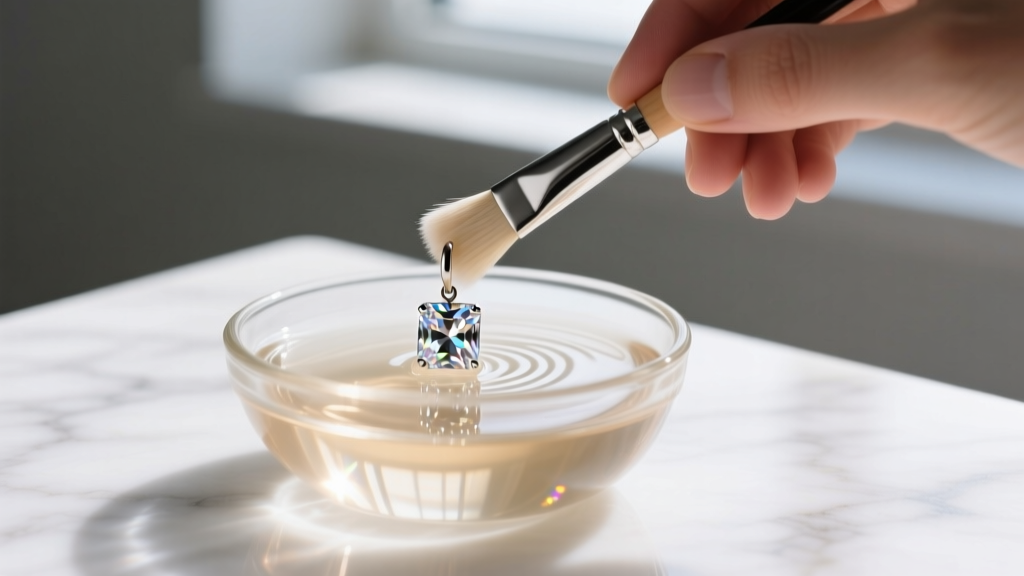
The Step-by-Step Cleaning Routine
- Prepare a Solution: Mix warm water with a few drops of mild, lotion-free dish soap (like Dawn) in a small glass bowl.
- Soak: Let the earrings soak for 5 to 10 minutes to loosen sebum and cosmetic residue.
- Brush: Use a baby toothbrush or a dedicated, ultra-soft jewelry brush to gently scrub the underside of the stone (the pavilion). This is where 90% of the grease accumulates.
- Rinse and Dry: Rinse thoroughly under lukewarm water and pat dry with a lint-free microfiber cloth. Do not use paper towels, as the wood fibers can leave micro-scratches on the metal plating.


