Short Dangle Earrings: 2026 Trend Analysis & Styling Guide
Discover the top short dangle earrings trends for 2026. Expert styling tips, face shape guides, and material breakdowns for the perfect everyday drop.

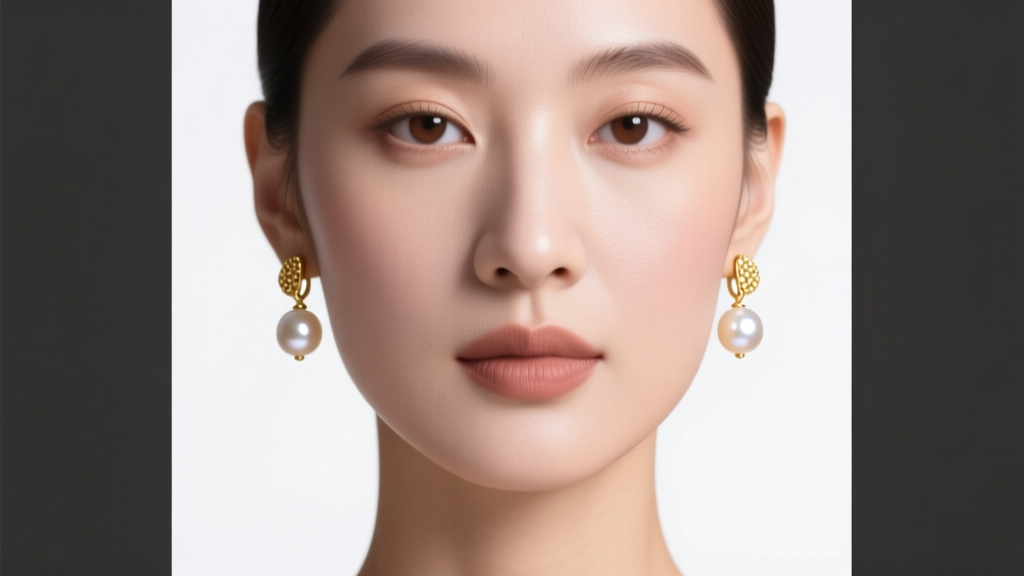
The 2026 Shift: Kinetic Minimalism in Ear Styling
The jewelry landscape in 2026 has decisively pivoted away from the static, heavy ear cuffs and massive chandelier drops that dominated the early 2020s. Today, the focal point of ear styling is 'kinetic minimalism'—a design philosophy that prioritizes subtle movement, lightweight comfort, and architectural precision. At the center of this movement are short dangle earrings. Typically measuring between 15mm and 35mm in total drop length, these pieces offer the visual interest and dynamic sway of a traditional drop earring without the snag hazards, weight fatigue, or overwhelming proportions associated with longer silhouettes.
According to trend forecasting data and recent market analyses covered by Vogue Business, consumer demand has surged for versatile pieces that transition seamlessly from professional environments to evening wear. Short dangles fulfill this exact niche. They catch the light and draw the eye to the jawline, yet remain entirely practical for daily wear, including activities like commuting, working out, or wearing over-ear headphones. This shift is not merely aesthetic; it is deeply rooted in a broader cultural preference for functional luxury and mindful consumption.
Material & Gauge Specifications for Daily Wear
When analyzing short dangle earrings from a technical perspective, the wire gauge and material grade are paramount to both durability and ear health. Because dangle earrings operate on a pendulum axis, the stress placed on the wire hook or post is significantly higher than that of a static stud.
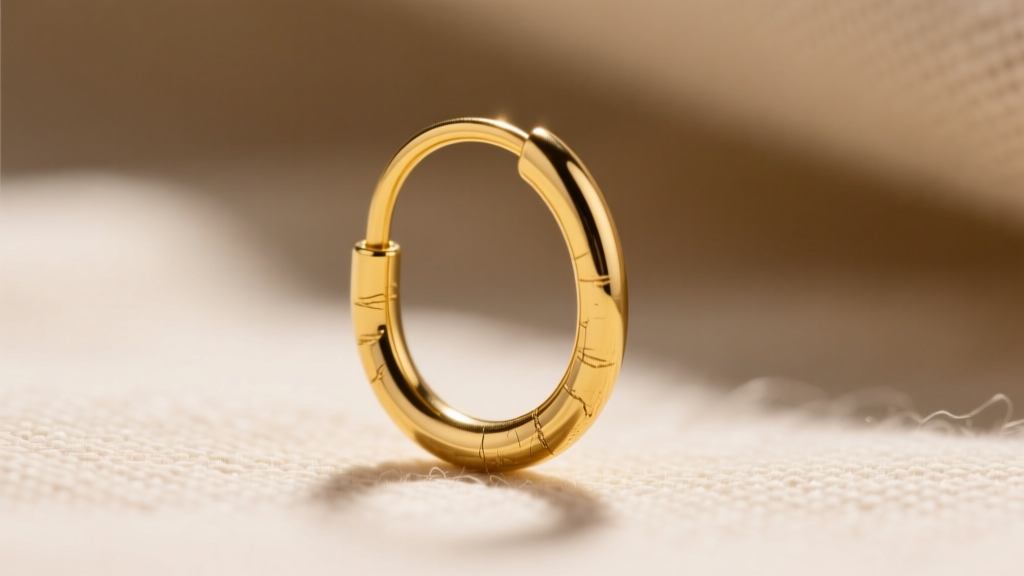
Understanding Wire Gauge and Stress Points
The standard gauge for most lobe piercings is 20G (0.81mm) or 18G (1.02mm). For short dangles weighing under 4 grams, a 20G wire hook is perfectly adequate and provides a sleek, delicate profile. However, if the dangle features a denser material—such as a solid gemstone or a thick geometric metal drop—the wire must be upgraded to 18G to prevent warping. A warped hook compromises the structural integrity of the earring and can cause micro-tears in the fistula (the piercing channel).
Material Grades and Hypoallergenic Standards
For those with nickel sensitivities or newly healed piercings, the material composition of the earring post is non-negotiable. The gold standard for biocompatibility in 2026 remains ASTM F136 implant-grade titanium. As outlined by ASTM International, this specific alloy contains zero nickel and offers superior corrosion resistance compared to standard surgical steel. When opting for gold, always look for solid 14k (58.5% purity) or 18k (75% purity). Avoid 'gold-plated' brass or copper bases, as the friction from the swinging motion will rapidly wear away the microscopic gold layer, exposing the reactive base metal to the skin.
| Material | Grade/Purity | Avg. Price Range | Best Use Case |
|---|---|---|---|
| Implant-Grade Titanium | ASTM F136 | $35 - $80 | Sensitive ears, newly healed piercings, active lifestyles |
| Solid Gold | 14k or 18k | $150 - $450 | Heirloom pieces, daily luxury wear, high corrosion resistance |
| Gold Vermeil | 2.5µm over Sterling Silver | $60 - $120 | Budget-conscious trend adoption, occasional wear |
| Platinum | 950 Platinum | $400 - $900+ | Premium gemstone settings, ultimate durability, prestige |
Face Shape & Kinetic Movement Analysis
The defining characteristic of a short dangle earring is its movement. Unlike a stud, which merely reflects light, a dangle interacts with the wearer's kinetic energy. This movement creates a visual blur that can dramatically alter the perceived geometry of the face. Styling short dangles requires an understanding of optical illusions and facial proportions.
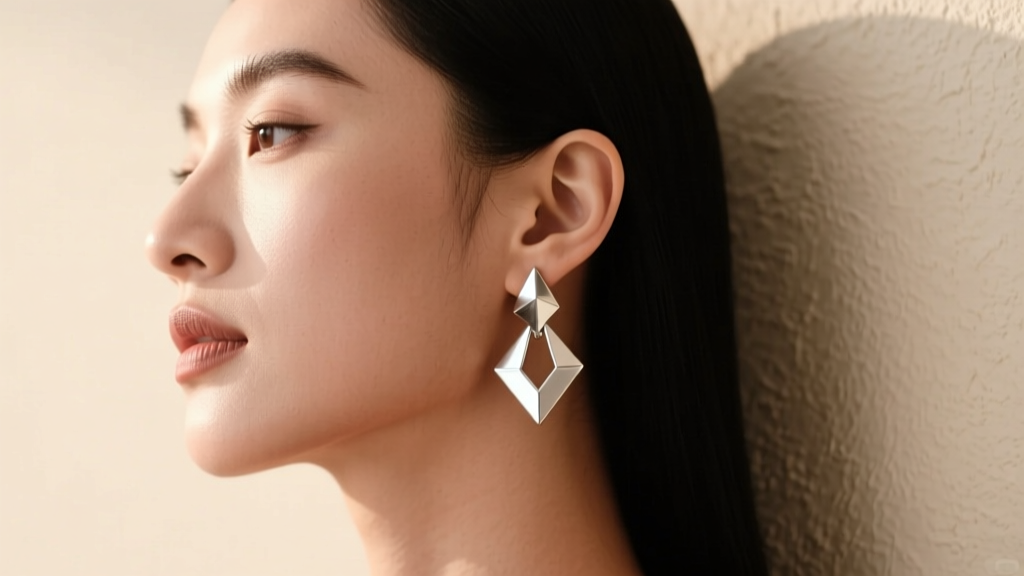
The Micro-Swing Framework
- Round Face Shapes: To elongate the face and add structural contrast, opt for linear, angular short dangles. Think rectangular bar drops or sharp geometric chevrons measuring around 30mm. Avoid circular hoops or spherical pearl drops, which will only emphasize the roundness of the facial structure.
- Square and Angular Jawlines: The goal here is to soften the lower half of the face. Curved short dangles, such as teardrop silhouettes, oval cabochon gems, or fluid, asymmetrical metal ribbons, provide a necessary visual counterweight to sharp jawlines.
- Heart-Shaped Faces: With a wider forehead and a narrow chin, heart-shaped faces benefit from short dangles that feature bottom-heavy designs. A subtle inverted triangle or a pear-shaped gemstone resting just below the earlobe helps to visually balance the narrower chin.
- Oval Faces: The most versatile canvas. Oval faces can support nearly any short dangle archetype, from ultra-minimalist single-chain drops to slightly wider, fan-shaped kinetic sculptures.
Hardware Engineering: The Importance of the Clutch
An often-overlooked aspect of dangle earring design is the securing mechanism. The pendulum effect of a short dangle creates continuous micro-friction and rotational force on the earring back. Standard friction push-backs (the traditional 'butterfly' clutch) are notoriously unreliable for dangles, frequently loosening throughout the day and leading to lost jewelry.
The pendulum effect of a dangle creates continuous micro-friction. Standard push-backs are a liability; upgrade to locking clutches for stones verified by the GIA.
For high-end short dangles, particularly those featuring precious gems verified by institutions like the Gemological Institute of America (GIA), secure hardware is essential. In 2026, the industry standard for premium dangles has shifted toward the La Pousette clutch or screw-back mechanisms. The La Pousette features a tiny internal spring and locking wings that snap securely into a grooved post, making it virtually impossible to dislodge without intentionally pinching the wings. For wire-hook dangles, integrating a small, clear silicone O-ring over the hook tip provides a modern, secure alternative to cumbersome plastic stoppers.
Curating the 2026 Capsule: Top Design Archetypes
Building a versatile earring wardrobe requires selecting distinct archetypes that serve different styling functions. Here are the three dominant short dangle silhouettes defining the current market:
- The Articulated Bar: Featuring a hinge or jump-ring connecting the post to a vertical metal bar. This design offers maximum swing and a highly modern, architectural aesthetic. Best worn in polished 14k yellow gold or high-shine rhodium-plated silver.
- The Suspended Pearl: Moving away from perfectly round Akoya pearls, 2026 trends heavily favor baroque and keshi pearls suspended from delicate chains. The irregular, organic shapes of these pearls contrast beautifully with the precise metalwork of the chain, offering an elegant yet approachable vibe.
- The Kinetic Geo-Drop: Utilizing open-framework geometric shapes (like hollow cubes or interlocking triangles) crafted from lightweight titanium or hollow-tube gold. These provide the visual volume of a larger earring while maintaining the featherlight weight required for all-day comfort.
Final Verdict on the Short Dangle Renaissance
Short dangle earrings represent the perfect synthesis of form, function, and physics. By understanding the technical nuances of wire gauge, prioritizing biocompatible materials like ASTM F136 titanium or solid 14k gold, and leveraging the micro-swing framework to complement facial geometry, you can elevate your daily styling with precision. As we move further into 2026, the emphasis on kinetic minimalism ensures that the short dangle will remain an indispensable anchor in the modern jewelry capsule, proving that sometimes, the most profound impact comes from the subtlest movements.


