Silver Disc Earrings Buying Guide: What to Look For
Discover how to choose the perfect silver disc earrings. Our expert buying guide covers metal grades, gauge sizes, finishes, and backing types.


The Anatomy of a Silver Disc Earring
Silver disc earrings are a masterclass in minimalist jewelry design. Stripping away gemstones and intricate filigree, the disc earring relies entirely on proportion, metal purity, and surface finish to make a statement. Whether you are looking for a subtle 6mm stud for a secondary lobe piercing or a bold 20mm statement piece, understanding the structural nuances of these earrings is critical for long-term wearability. In this comprehensive buying guide, we break down the exact specifications, material grades, and ergonomic factors you must evaluate before purchasing silver disc earrings in 2026.
Metal Purity and Hallmark Truths
Not all silver is created equal. When shopping for silver disc earrings, you will primarily encounter two grades: Fine Silver (999) and Sterling Silver (925). According to the Gemological Institute of America (GIA), fine silver is 99.9% pure. While it boasts the highest luster and is completely hypoallergenic, it is far too soft to hold a shape or support a post. If a disc earring is stamped "999," it is likely a very thin veneer over a base metal core, or the post itself is made of a different, stronger alloy.
Sterling silver, stamped as "925," contains 92.5% pure silver and 7.5% copper or other alloys for structural integrity. This is the gold standard for silver jewelry. However, the copper content makes sterling silver susceptible to tarnish and, in rare cases, skin reactions if you have a specific copper allergy. To combat this, many premium brands apply a microscopic flash of rhodium or platinum over the 925 silver. This plating provides a brilliant, tarnish-resistant white-gold-like finish. Always verify that the earrings comply with nickel-free regulations, as cheap overseas manufacturers sometimes sneak nickel into the alloy mix to increase hardness, which is a major trigger for contact dermatitis.
Gauge Sizes, Weight, and the Droop Factor
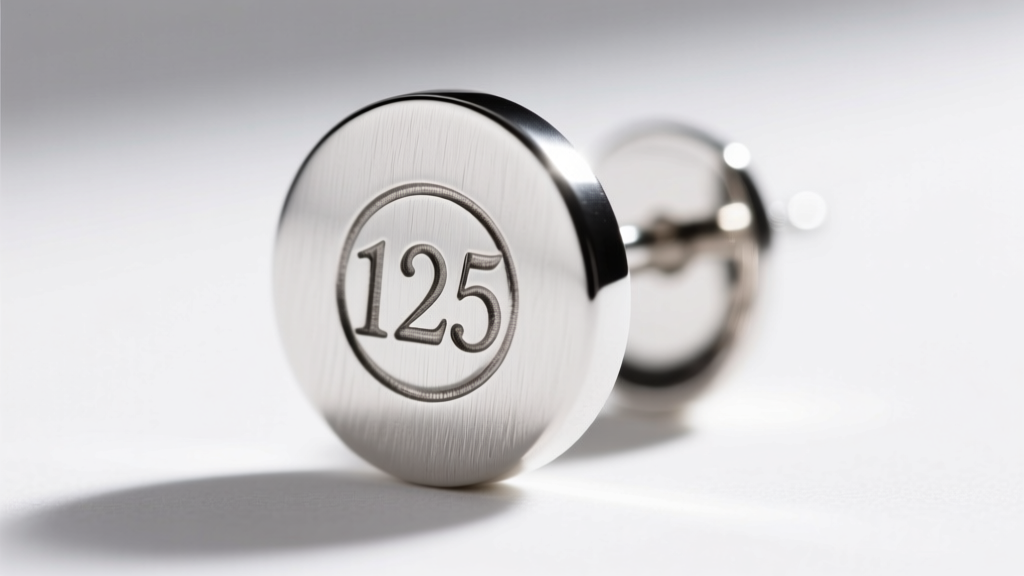
The physical dimensions of a silver disc dictate not only its visual impact but also its ergonomic viability. Standard earlobe piercings are typically done at 20-gauge (0.81mm) or 18-gauge (1.02mm). The Association of Professional Piercers (APP) recommends ensuring that your earring posts are smoothly polished and match your piercing gauge to prevent the cheese-cutter effect, where a thin post slowly migrates through the earlobe tissue under the weight of a heavy disc.
Weight is the silent killer of earlobe aesthetics. Solid silver is dense. A 15mm solid 925 disc with a 2mm thickness can easily exceed 2.5 grams per earring. Over time, gravity will stretch the piercing channel, causing the disc to tilt forward or point downward.
| Diameter | Thickness | Approx. Weight | Best Placement and Support |
|---|---|---|---|
| 6mm - 10mm | 1.0mm - 1.5mm | 0.3g - 0.8g | Standard Lobe, Helix, Cartilage (No support needed) |
| 12mm - 15mm | 1.5mm - 2.0mm | 1.0g - 1.8g | Primary Lobe (Consider silicone O-rings for support) |
| 18mm - 25mm | 1.0mm - 1.5mm | 2.0g - 3.5g | Statement Lobe (Requires silicone earring backers/pads) |
If you are buying discs larger than 12mm, invest in silicone earring support pads (like BlingWraps or generic silicone cones). These sit behind the earlobe and distribute the weight across a wider surface area, keeping your silver discs perfectly perpendicular to the floor.
Surface Finishes: Beyond the Mirror Shine
The surface treatment of a silver disc radically alters its maintenance requirements and stylistic vibe. Here is what to look for based on your lifestyle:
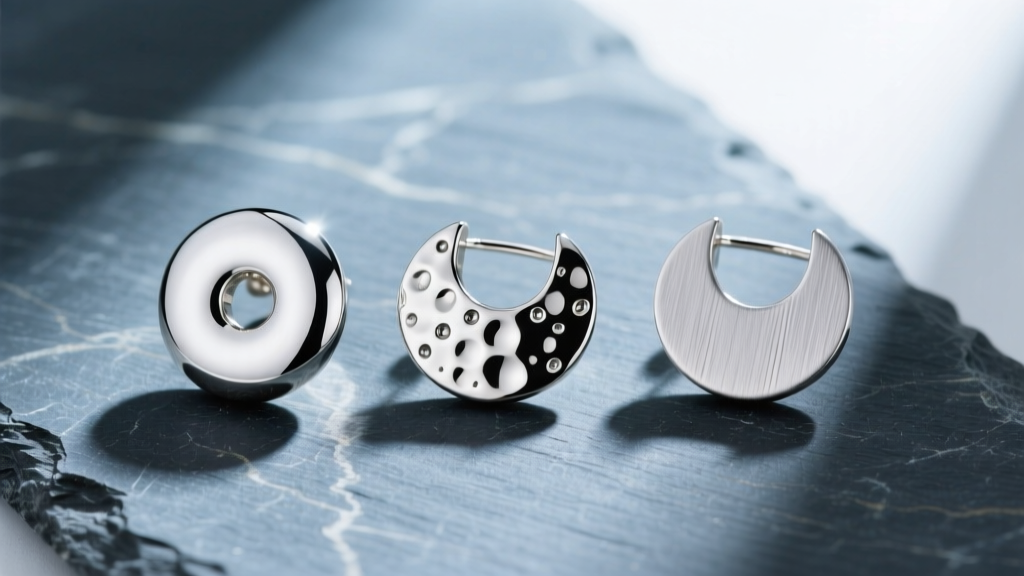
- High-Polish (Mirror): Offers maximum light reflection and a modern, sleek aesthetic. However, mirror finishes act as magnets for micro-scratches and fingerprint smudges. They require frequent buffing with a microfiber cloth.
- Brushed (Matte): Created by rubbing the silver with fine abrasives in a single direction. This finish hides daily wear-and-tear brilliantly and offers a contemporary, understated look. It is highly recommended for everyday wearers who dislike constant polishing.
- Hammered: Artisans use a ball-peen hammer to create deliberate dimples across the disc surface. This not only adds an organic, bohemian texture but also creates multidimensional light refraction. Hammered discs are excellent at masking accidental dents.
- Oxidized: The silver is intentionally exposed to sulfur to create a dark, blackened patina, which is then polished off the high points. This leaves dark contrast in the recessed areas, giving the disc an antique, vintage appearance.
Backing Mechanisms: Security vs. Comfort
The backing of a disc earring is just as important as the disc itself, especially given the front-heavy nature of the design.
Friction Push-Backs (Butterfly)
The most common and cost-effective option. However, the standard butterfly clutch can dig into the side of the neck when sleeping, and the friction grip can loosen over time, risking the loss of a heavy silver disc.
Screw-Backs
Ideal for high-value or sentimental silver discs. The backing threads onto a grooved post, making it nearly impossible to lose. The downside is that cross-threading can ruin the post, and they take longer to put on.
Flat-Backs (Labret Style)
Originally designed for lip piercings, flat-back titanium or sterling silver posts are increasingly used for disc earrings, particularly in cartilage or helix placements. The flat disc sits flush against the back of the ear, eliminating the painful poke of a traditional post and providing superior stability for front-heavy silver discs.
Styling Framework: Face Shapes and Proportions
Because disc earrings lack the vertical elongation of drop earrings, they draw horizontal attention to the face. If you have a round face shape, opt for smaller discs (under 10mm) or pair them with a secondary dangle earring to create vertical lines. For angular or square face shapes, medium-to-large hammered or brushed silver discs (12mm-18mm) work beautifully to soften the jawline and add organic curvature to your profile. The Federal Trade Commission (FTC) Jewelry Guides also remind consumers to be wary of misleading marketing terms; ensure you are buying solid silver rather than silver-plated brass if you want the piece to last a lifetime and retain its skin-safe properties.
Long-Term Care and Tarnish Prevention
To keep your 925 silver discs looking pristine, store them in an airtight ziplock bag with an anti-tarnish silica strip or a piece of anti-tarnish chalk. Avoid wearing them in chlorinated pools or hot tubs, as chlorine reacts aggressively with the copper in sterling silver, causing irreversible pitting and a dull, grayish appearance. For routine cleaning, skip the harsh liquid silver dips, which strip away oxidized details and rhodium plating. Instead, use a dedicated silver polishing impregnated cloth, rubbing gently in a circular motion to restore the luster without removing the metal protective outer layer.
Another critical maintenance tip involves the earring posts themselves. Over time, the friction notches on a push-back post can wear down, or the post can bend slightly if you sleep in your earrings. Inspect the posts of your silver disc earrings every few months. If you notice a bend, gently straighten it with nylon-jaw jewelry pliers—never use metal pliers directly on sterling silver, as they will leave permanent gouge marks. If the post becomes too thin or loose in the clutch, take the earring to a local jeweler to have the post laser-welded or replaced, a service that typically costs between $15 and $30 per earring.
Final Verdict: Investing in Quality
Silver disc earrings are a timeless investment that bridge the gap between everyday essentials and bold statement pieces. By prioritizing 925 sterling silver hallmarks, paying close attention to the weight-to-diameter ratio, and selecting the appropriate backing mechanism for your specific piercing placement, you can curate a collection that remains comfortable and visually striking for decades. Whether you prefer the sleek modernity of a rhodium-plated mirror finish or the artisanal charm of an oxidized hammered disc, the key lies in understanding the metallurgy and ergonomics behind the minimalist facade.


