Expert Care and Cleaning Guide for Silver Drop Earrings
Learn expert techniques to clean, polish, and store your silver drop earrings. Prevent tarnish and maintain brilliance with our detailed care guide.

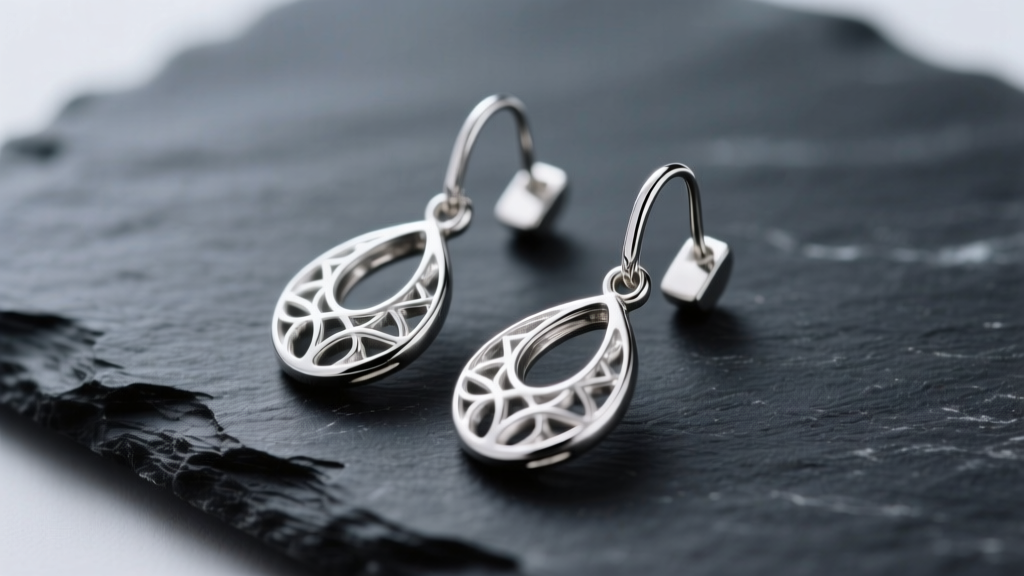
Silver drop earrings are a staple in modern jewelry collections, offering a perfect blend of kinetic movement and timeless elegance. However, their dangling nature and the inherent chemical properties of sterling silver make them uniquely susceptible to tarnish, mechanical stress, and environmental damage. Unlike simple studs, drop earrings feature multiple connection points, delicate chains, and often incorporate a variety of gemstones that require highly specific cleaning protocols. In this comprehensive guide, we explore the metallurgy of silver, the mechanics of drop-style construction, and the exact methodologies required to keep your jewelry in pristine condition.
The Chemistry of Tarnish: Why .925 Sterling Loses Its Luster
To properly care for your jewelry, you must first understand the metallurgy of the material. Pure silver (Ag) is highly resistant to tarnish, but it is far too soft for jewelry fabrication. To solve this, jewelers use .925 sterling silver, an alloy composed of 92.5% pure silver and 7.5% secondary metals, almost exclusively copper (Cu). It is this copper content that reacts with hydrogen sulfide (H2S) and moisture in the ambient air to form silver sulfide (Ag2S)—the black, dull layer we recognize as tarnish.
Because drop earrings swing against the neck and jawline, they are constantly exposed to sulfur-containing compounds found in human sweat, as well as hydrogen sulfide present in urban pollution and certain foods. Furthermore, the intricate filigree, textured surfaces, and recessed jump rings common in drop designs create micro-environments where moisture and oils accumulate, accelerating the oxidation process in those specific areas.
Mechanical Maintenance: Securing the Drop Components
Before introducing any liquids or polishing compounds to your jewelry, a mechanical inspection is mandatory. The kinetic nature of drop earrings places repetitive stress on their connection points.
- Jump Ring Integrity: Inspect the tiny jump rings connecting the ear wire to the drop element. Ensure the slit in the ring is completely flush. If it is slightly open, it will catch on hair and clothing, eventually pulling the drop component off entirely.
- French Wire Fatigue: If your earrings utilize French hooks, examine the curve of the wire. Repeated insertion and removal can cause metal fatigue at the base of the curve. If the wire feels overly pliable or shows microscopic stress fractures, it must be replaced by a jeweler before the earring is lost.
- Friction Backs vs. Screw Backs: For heavier silver drops, standard butterfly friction backs often fail to support the weight, causing the earring to droop forward. Consider upgrading to silicone disc backs or secure screw-backs to maintain the proper hanging angle and prevent the post from bending.
Daily Wear Protocol: Preventing Tarnish and Snags
Prevention is vastly superior to restoration. By managing the environment your earrings are exposed to, you can significantly delay the onset of silver sulfide formation.
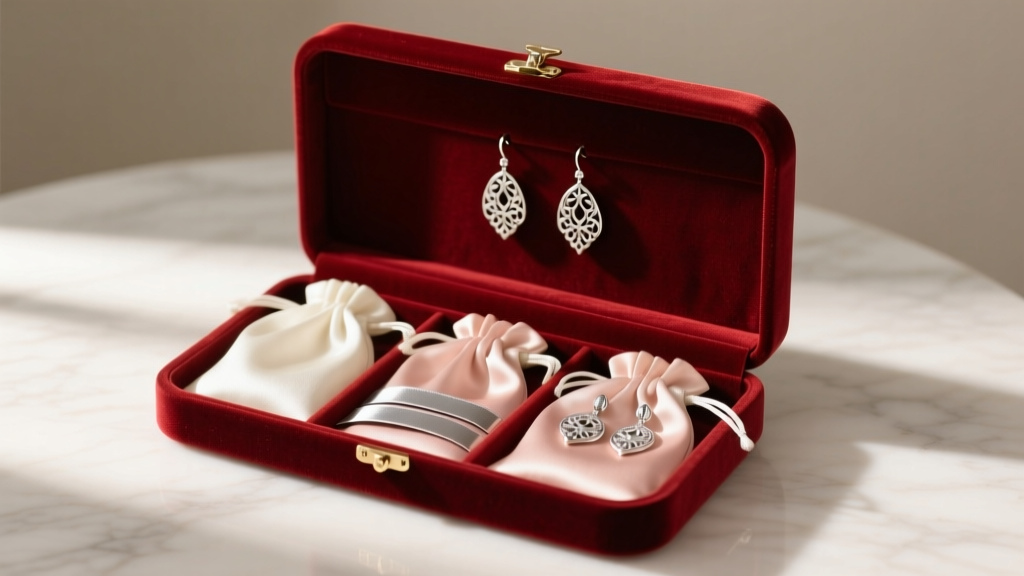
The golden rule of jewelry wear is 'last on, first off.' Silver drop earrings should be the final accessory you put on after applying cosmetics, perfumes, and hair sprays. The aerosolized chemicals and alcohols in these products leave a microscopic film on the silver, dulling its reflectivity and acting as a magnet for dust and skin oils. When you return home, remove the earrings immediately before changing clothes to prevent the delicate drop elements from snagging on woven fabrics, which can bend the silver wire or loosen gemstone prongs.
Step-by-Step Cleaning Methods for Silver Drop Earrings
When tarnish does occur, the cleaning method you choose must be dictated by the severity of the oxidation and the presence of any secondary materials like gemstones or enamel.
Method 1: The Mild Surfactant Bath (For Light Dirt and Oils)
For routine maintenance where the silver is not heavily blackened but has lost its shine due to skin oils, a mild surfactant is ideal.
- Mix a few drops of phosphate-free, non-citrus dish soap into a bowl of lukewarm distilled water. Avoid tap water, as the chlorine and trace minerals can leave water spots.
- Submerge the earrings for no more than three minutes.
- Using a baby-soft toothbrush, gently agitate the bristles around the jump rings and the underside of the drop elements where sebum accumulates.
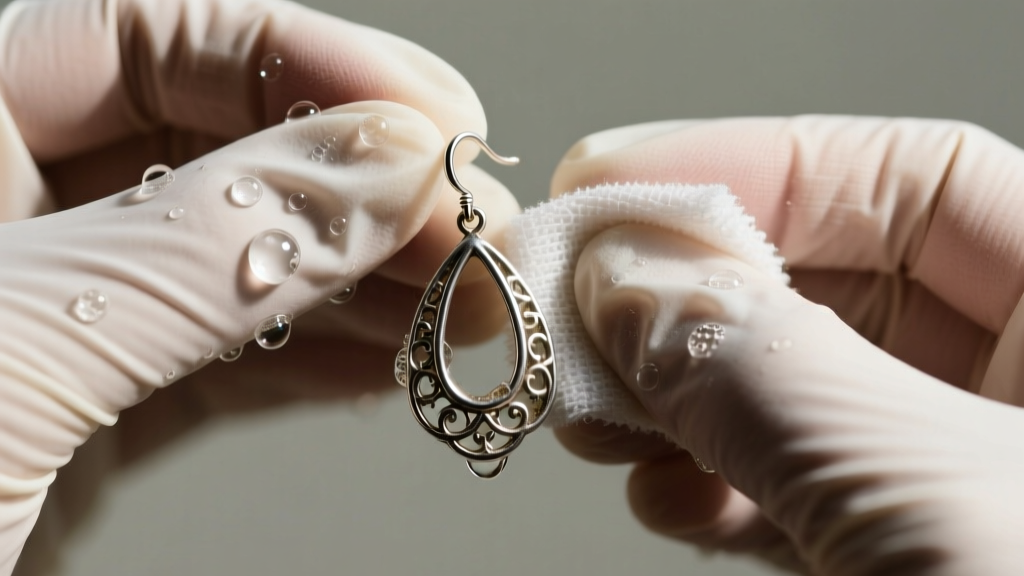
- Rinse thoroughly in a separate bowl of clean distilled water and pat dry with a lint-free microfiber cloth. Never air-dry, as this guarantees water spots.
Method 2: The Electrochemical Ion-Exchange Bath (For Heavy Tarnish)
If your silver drop earrings have developed a dark, stubborn layer of silver sulfide, abrasive polishing will remove a microscopic layer of the silver itself. Instead, use a redox (reduction-oxidation) reaction to convert the silver sulfide back into pure silver without removing any metal.
- Line a glass or ceramic bowl with heavy-duty aluminum foil, shiny side up.
- Place the tarnished silver earrings in the bowl, ensuring they are in direct physical contact with the aluminum foil.
- Sprinkle two tablespoons of sodium bicarbonate (baking soda) over the jewelry.
- Pour boiling water into the bowl. You will immediately see bubbling and may smell a faint sulfur (rotten egg) odor. This is the hydrogen sulfide being released as the aluminum sacrifices itself to reduce the silver sulfide.
- Leave the earrings in the solution for 5 to 10 minutes. Use wooden tongs to remove them, rinse in distilled water, and buff to a high shine with a microfiber cloth.
Warning: Never use this method on antiqued or oxidized silver drops, as it will strip the intentional dark patina from the recessed design elements.
The Gemstone Factor: Navigating Porous and Fragile Accents
Silver drop earrings frequently feature gemstones dangling at the terminus of the design. The cleaning method must be adapted to the Mohs hardness and porosity of these stones. According to the Gemological Institute of America (GIA), organic and porous gems require drastically different care than crystalline stones.
Porous stones such as turquoise, lapis lazuli, malachite, and pearls act like microscopic sponges. Submerging them in the ion-exchange bath or using commercial silver dips will cause the chemicals to penetrate the stone, leading to irreversible discoloration, structural weakening, or the stripping of a pearl's delicate nacre. For silver drops featuring these materials, you must meticulously clean the silver components using a polishing cloth while avoiding direct contact with the gemstone.
Cleaning Agent Safety Matrix
| Cleaning Agent | Effect on .925 Silver | Safe for Porous Gems (Pearl, Turquoise)? | Safe for Diamonds / CZ? |
|---|---|---|---|
| Mild Dish Soap & Water | Removes oils, light dirt | Yes (Brief exposure) | Yes |
| Aluminum Foil & Baking Soda | Reverses heavy tarnish | NO (Causes severe damage) | Yes |
| Commercial Silver Dip | Strips tarnish instantly | NO (Strips polish/nacre) | Yes |
| Ultrasonic Cleaner | Removes debris from crevices | NO (Shatters fragile stones) | Yes |
| Treated Polishing Cloth | Gently buffs tarnish | Yes (Avoid rubbing the stone) | Yes |
Advanced Storage Solutions for Dangle and Drop Styles
How you store your silver drop earrings is just as critical as how you clean them. The primary enemies of stored silver are ambient humidity, sulfur-rich air, and physical tangling. As noted by Jewelers of America, proper storage environments drastically extend the time between required cleanings.
Never toss drop earrings loosely into a communal jewelry box. The dangling elements will inevitably tangle with other chains, leading to bent wires and scratched silver surfaces. Instead, utilize a multi-tiered hanging jewelry organizer or a dedicated earring tree. This allows the drops to hang freely in their natural gravity-aligned position, preventing stress on the jump rings and keeping the ear wires from warping.
For long-term storage or travel, place each pair of silver drop earrings into an individual, untreated flannel or anti-tarnish cloth pouch. Insert a small strip of 3M anti-tarnish paper into the pouch. These strips are impregnated with copper particles that preferentially react with atmospheric sulfur, effectively sacrificing themselves to protect your sterling silver. Store these pouches in a cool, dark drawer with a silica gel desiccant packet to control ambient moisture, ensuring your silver drop earrings remain brilliant and ready to wear at a moment's notice.


