What Does One Earring in the Left Ear Mean? A Modern Buying Guide
Discover what one earring in the left ear means historically, plus our expert buying guide to choosing the perfect single stud, hoop, or cuff today.

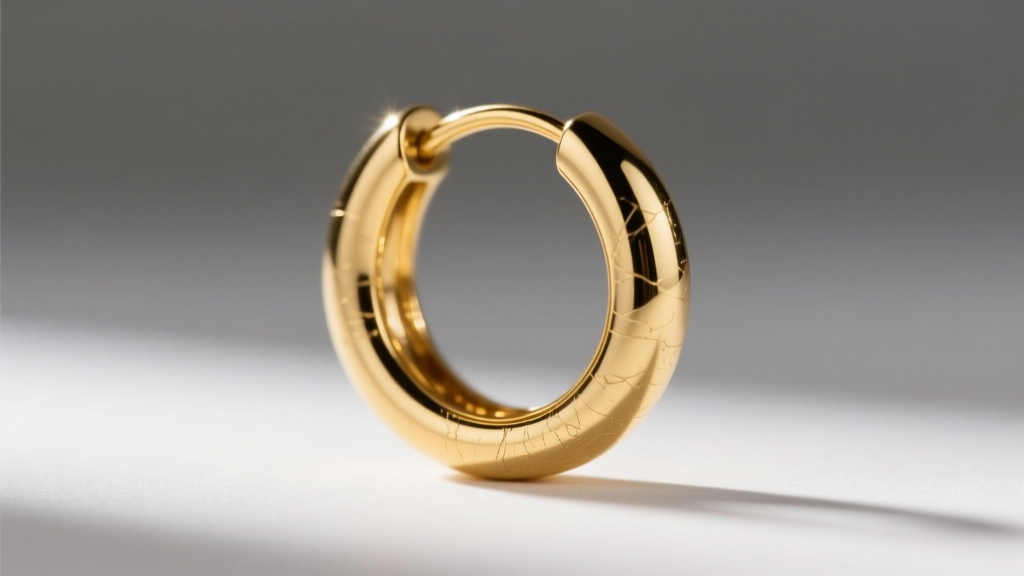
The Historical Code: What Does One Earring in the Left Ear Mean?
If you have ever found yourself asking, "what does one earring in the left ear mean?" you are tapping into a rich, centuries-old tapestry of cultural signaling, rebellion, and maritime lore. Historically, the single left-ear earring was far more than a mere accessory; it was a visual shorthand. For sailors in the 16th and 17th centuries, a single gold hoop in the left ear was a practical investment. According to maritime superstition, the gold would pay for a proper Christian burial if the sailor washed ashore, while the earring itself was believed to improve eyesight or ensure safe passage around treacherous capes.
Fast forward to the 1970s and 1980s, and the single left earring took on a radically different cultural weight in Western society. During this era, a strict, albeit unspoken, sartorial code emerged among men: "left is right, right is wrong." A single earring in the left ear became a subtle signaling mechanism within the LGBTQ+ community, a way to identify one another in an era where open expression was often met with severe societal backlash. Conversely, in the realm of hip-hop and streetwear, pioneers like Slick Rick and Tupac Shakur adopted the single left-ear diamond stud or gold hoop as a symbol of success, defiance, and individuality, completely divorced from the previous decade's subcultural coding.
As The New York Times noted in a pivotal 1991 style piece, the rigid rules governing men's earrings eventually began to dissolve. By the time the 2020s arrived, the "left ear rule" had been entirely dismantled, replaced by a fluid, gender-neutral approach to asymmetry and self-expression.
Modern Styling: Breaking the "Rules" in 2026
Today, wearing a single earring in the left ear means exactly what you want it to mean. It is a deliberate styling choice that embraces asymmetry, drawing the eye and creating a focal point without the visual weight of a matched set. In contemporary jewelry design, the single-ear trend is heavily championed by luxury houses and independent artisans alike, who curate "earscapes" that rely on odd numbers and varied silhouettes. Whether you are a man, woman, or non-binary individual, the single left-ear piece is now a hallmark of confident, curated styling.
The Single Earring Buying Guide: What to Look For
When you are only wearing one earring, that piece becomes a definitive statement. It will likely be worn daily, subjected to friction, moisture, and constant visibility. Therefore, prioritizing material integrity, precise gauging, and secure backing mechanisms is non-negotiable. Here is your expert buying framework.
Material Grades for Long-Term Wear
The most common mistake buyers make is opting for "gold-plated" or "gold vermeil" over brass or copper bases for daily-wear single earrings. These materials inevitably oxidize, flake, and cause contact dermatitis. For a piece you intend to wear in your left ear 24/7, demand the following:
- Implant-Grade Titanium (ASTM F136): The gold standard for sensitive ears and fresh piercings. It is entirely nickel-free, lightweight, and impervious to tarnish. The Association of Professional Piercers (APP) highly recommends this specific alloy for long-term biocompatibility.
- Solid 14k or 18k Gold: 14k gold (58.5% pure gold) is harder and more durable, making it ideal for threaded posts and intricate clasps. 18k gold (75% pure gold) offers a richer, warmer yellow hue but is softer, making it better suited for seamless hoops or bezel-set studs where structural stress is minimal.
- Platinum: Dense, hypoallergenic, and naturally white, platinum is a premium choice for a single diamond or gemstone stud, offering unmatched prong security.
Gauge Sizes and Post Thickness
Understanding gauge (the thickness of the metal passing through the piercing) is critical to preventing the "cheese-cutter effect"—a phenomenon where a heavy earring on a thin wire slowly migrates through the earlobe tissue, causing tearing and permanent stretching.
| Piercing Location | Standard Gauge Size | Millimeter Equivalent | Best Earring Types |
|---|---|---|---|
| Standard Lobe | 20G or 18G | 0.8mm - 1.0mm | Studs, lightweight dangles, La pousette backs |
| Heavy Lobe / Stretched | 16G or 14G | 1.2mm - 1.6mm | Heavier gold hoops, statement pieces |
| Upper Lobe / Helix | 16G | 1.2mm | Flat-back labrets, hinged clickers |
| Tragus / Conch | 16G or 14G | 1.2mm - 1.6mm | Threadless push-pin studs, captive bead rings |
If you are buying a single, heavy 14k gold hoop for your left lobe, ensure the wire is at least 16G (1.2mm). A 20G hoop carrying significant weight will inevitably drag the piercing downward over time.
Backing Mechanisms for Security
A single earring is a high-value focal point; losing it is a costly mistake. Standard friction backs (the cheap, smooth butterfly backs) are insufficient for daily wear, as they easily catch on hair and clothing. Look for these superior alternatives:
- La Pousette Backs: Often used in fine jewelry, these feature a locking mechanism with precision grooves on the post. The butterfly back clicks securely into place and requires a deliberate pinch to release.
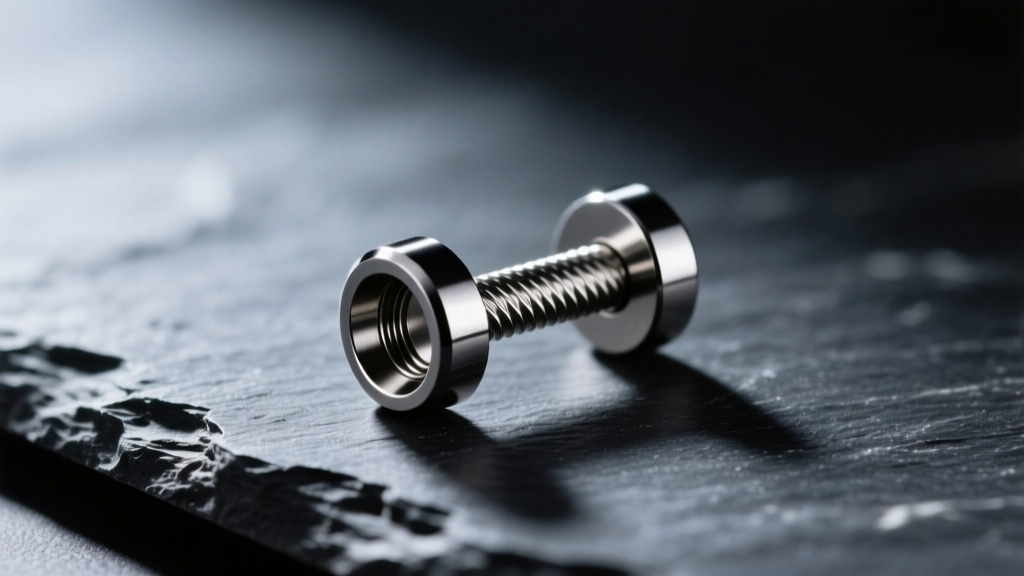
- Threaded Screw-Backs: The backing or the decorative front screws onto the post. Internal threading (where the post has a hole and the gem has the screw) is preferred as it prevents tissue damage during insertion.
- Hinged Clickers: For single hoops in the left ear, a hinged segment ring with a satisfying "click" closure ensures the hoop will not pull apart if snagged.

Top Single Earring Styles to Consider
When building an asymmetrical look anchored by the left ear, consider these foundational styles:
- The Seamless Hoop: A continuous circle of 14k gold or platinum. It requires a slight twist to open and close, offering a sleek, minimalist profile that catches the light beautifully.
- The Flat-Back Labret: Ideal for both lobes and cartilage, the flat disc sits flush against the back of the ear, eliminating the discomfort of traditional posts poking the neck while sleeping.
- The Ear Cuff: If you want the aesthetic of a curated left ear without the commitment of a new piercing, a tension-fitted ear cuff wrapping around the mid-helix provides instant, edgy asymmetry.
Final Verdict: Wearing It Your Way
The historical baggage of the single left-ear earring has been entirely shed, leaving behind a versatile canvas for modern self-expression. As the Gemological Institute of America (GIA) notes in their comprehensive history of ear adornments, jewelry has always been a reflection of the era's cultural shifts. Today, that shift is toward unapologetic individuality. When shopping for your single left-ear statement piece, bypass fast-fashion alloys and invest in ASTM-certified titanium or solid gold, respect your gauge requirements, and secure it with a locking backing. In 2026, the only thing a single earring in the left ear means is that you have an eye for deliberate, high-quality design.
"Asymmetry in jewelry is not about missing a piece; it is about intentionally curating the space you choose to adorn."


