Smart Buyer's Guide to Low Cost Diamond Earrings in 2026
Discover how to find low cost diamond earrings without sacrificing sparkle. Learn expert hacks on lab-grown stones, 4 Cs grading, and setting styles.

The 2026 Market Shift: Redefining Affordable Diamond Jewelry
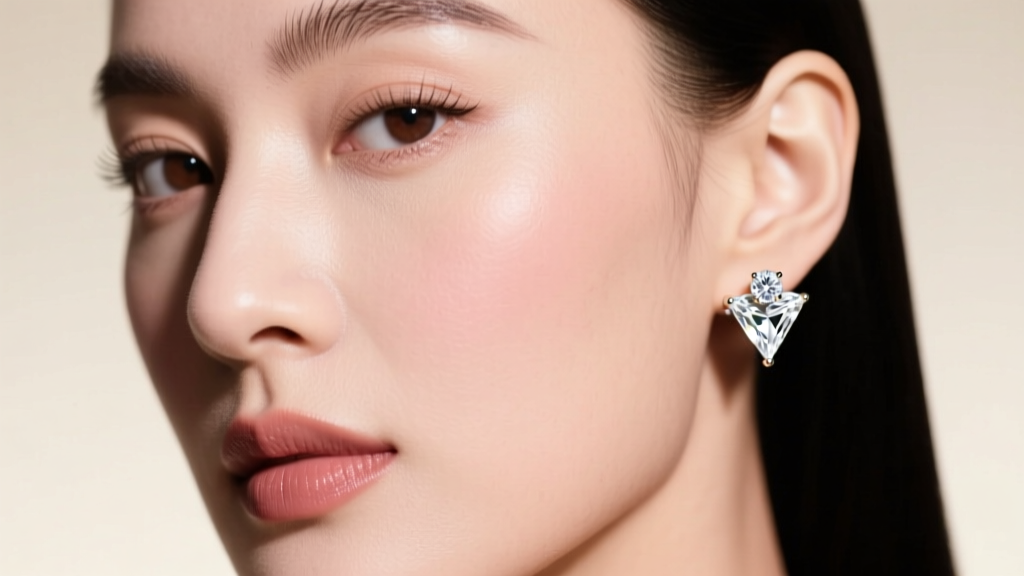
The quest for the perfect pair of diamond studs no longer requires a second mortgage. As we navigate the jewelry landscape in 2026, the phrase "low cost diamond earrings" has evolved from a synonym for compromised quality or synthetic simulants into a legitimate category of smart, high-value shopping. Driven by the mass market stabilization of lab-grown diamonds and strategic grading selections, buyers can now secure genuine, brilliant diamond earrings for a fraction of historical prices. According to the Gemological Institute of America (GIA), understanding how light interacts with a diamond is far more critical than paying a premium for flawless clarity, especially for jewelry worn on the ear rather than the hand.
This comprehensive buying guide will teach you exactly how to manipulate the 4 Cs, choose the right precious metals, and avoid common retail traps to maximize your budget without sacrificing an ounce of brilliance.
How to Manipulate the 4 Cs for Maximum Savings
When shopping for an engagement ring, buyers often obsess over top-tier color and clarity. However, earrings sit roughly five to six inches further from the observer's eye. This physical distance is your greatest financial advantage.
Cut: The Non-Negotiable Factor
Cut is the only "C" you should never compromise on, even when hunting for bargains. A poorly cut diamond will appear dull and lifeless, regardless of its carat weight. For round brilliant studs, always demand an "Excellent" or "Ideal" cut grade. A superior cut maximizes light return (brilliance) and scintillation (sparkle), which actually makes the diamond face up larger than its actual carat weight. The American Gem Society (AGS) emphasizes that cut quality is the primary driver of a diamond's visual appeal.
Color: The Metal Matching Trick
Diamond color is graded on a scale from D (colorless) to Z (light yellow). For low cost diamond earrings, you can safely drop down to the I, J, or even K color grades, provided you pair them with the right metal. If you choose 14k yellow gold or rose gold settings, the warm hue of the metal will naturally mask the faint yellow tint of an I-J diamond, making it appear whiter to the naked eye. Conversely, if you prefer white gold or platinum, stick to the G-H (near colorless) range to avoid stark contrast against the bright white metal.
Clarity: Embracing the "Eye-Clean" Standard
Clarity refers to the presence of internal inclusions and external blemishes. Because earrings are viewed from a distance, you do not need VVS (Very Very Slightly Included) or VS (Very Slightly Included) grades. Instead, look for SI1 or SI2 (Slightly Included) diamonds that are certified as "eye-clean." This means the inclusions are only visible under 10x magnification. By dropping from a VS1 to an SI1 clarity grade, you can shave up to 30% off the total price of the stones.
Pricing Breakdown: Lab-Grown vs. Natural Diamonds
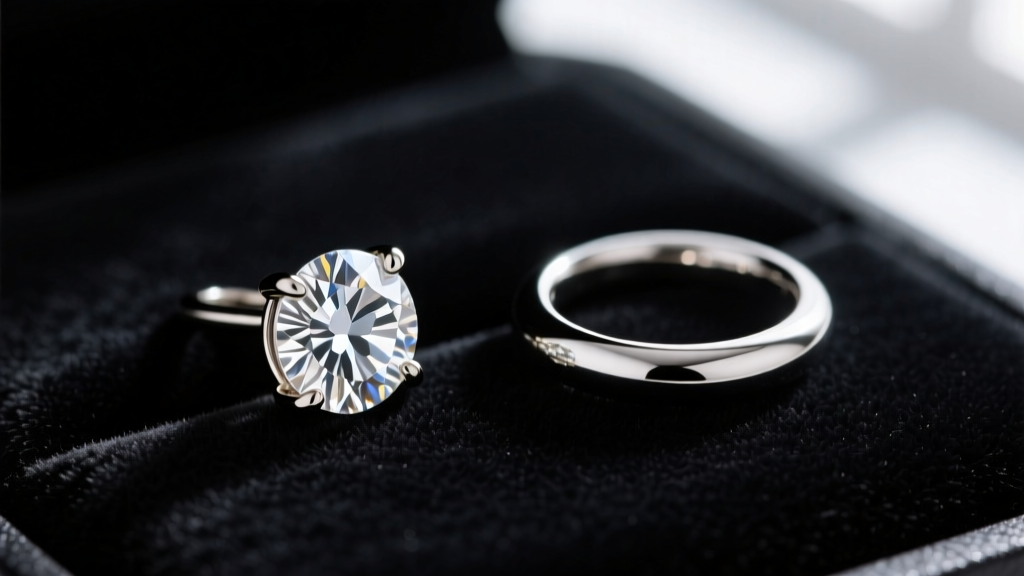
In 2026, lab-grown diamonds are chemically, physically, and optically identical to mined diamonds. They offer the most direct route to acquiring low cost diamond earrings that still possess the prestige and durability of genuine carbon crystals. Below is a comparative pricing table for round brilliant stud earrings based on current market averages for well-cut stones.
| Total Carat Weight (CTW) | Natural (I Color, SI1 Clarity) | Lab-Grown (F Color, VS2 Clarity) | Best Budget Metal Pairing |
|---|---|---|---|
| 0.50 CTW | $650 - $850 | $250 - $350 | 10k or 14k White Gold |
| 0.75 CTW | $1,100 - $1,400 | $350 - $500 | 14k Yellow Gold |
| 1.00 CTW | $2,200 - $3,000 | $550 - $750 | 14k White or Yellow Gold |
| 1.50 CTW | $4,500 - $6,000+ | $800 - $1,100 | 14k Gold (Platinum adds cost) |
Setting Styles That Maximize Perceived Size and Security
The metal setting not only secures your investment but also dictates how large and brilliant the diamonds appear. When shopping on a budget, the right setting can create an optical illusion of greater size.
The Martini Setting
The classic three-prong martini setting is the gold standard for diamond studs. Shaped like a cocktail glass, this setting sits low against the earlobe, preventing the dreaded "droop" that plagues heavier earrings. More importantly, the minimal three-prong design leaves the pavilion (bottom) of the diamond exposed, allowing maximum light to enter and exit the stone, thereby increasing perceived sparkle.
The Halo and Illusion Settings
If you want the look of a 2-carat pair on a 0.5-carat budget, consider a halo setting, where a center stone is surrounded by a micro-pave ring of smaller diamonds. Alternatively, an "illusion setting" uses intricately carved white gold facets around a small diamond to mimic the appearance of a larger, single stone. While illusion settings are highly effective for maximizing visual footprint, be aware that they can be difficult to clean and repair compared to traditional prong settings.
Bezel Settings for Active Lifestyles
For buyers who work out frequently or work with their hands, a bezel setting—where a thin rim of metal completely encircles the diamond girdle—is the safest option. While it sacrifices about 5% of the diamond's visible surface area and slightly reduces light entry, it offers unparalleled protection against chipping and snagging on clothing.
Crucial Red Flags to Avoid When Shopping on a Budget
The internet is flooded with deceptive marketing tactics aimed at budget-conscious shoppers. The Federal Trade Commission (FTC) maintains strict guidelines on jewelry disclosure, yet gray-area marketing still thrives online. Watch out for these specific red flags:
- "Diamond Accents" or "Diamond Chips": If a listing advertises "diamond earrings" but the fine print mentions "accents," you are buying jewelry where the primary stones are likely cubic zirconia or white sapphire, surrounded by microscopic diamond dust (under 0.05 carats total).
- Clarity Enhanced Diamonds: These are natural diamonds with severe internal fractures that have been laser-drilled and filled with glass-like resins to improve their appearance. While cheap, the filling can melt or cloud if exposed to the heat of a jeweler's torch during resizing or deep ultrasonic cleaning.
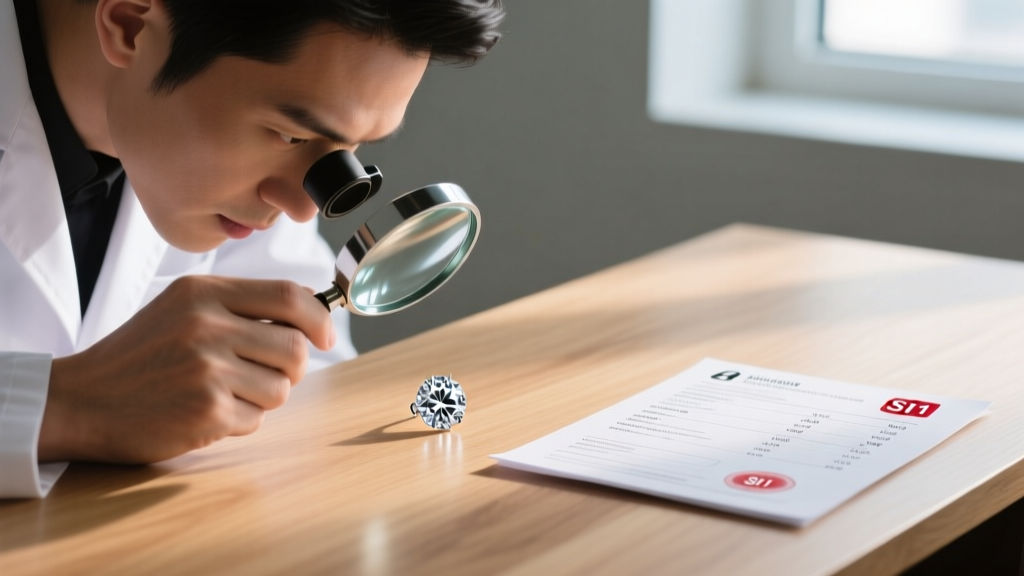
- Lack of Independent Certification: Never buy diamond studs over 0.50 CTW without a grading report from a reputable, independent laboratory. For natural diamonds, insist on GIA or AGS. For lab-grown diamonds, IGI and GCAL are the industry standards. In-house "appraisals" generated by the retailer are inherently biased and often inflate color and clarity grades by two or three tiers.
- Hollowed-Out Backs: Some ultra-cheap settings are cast with hollowed-out baskets to save on gold weight. These are fragile, prone to denting, and can trap soap and lotion, leading to earlobe infections.
Final Verification Checklist Before Checkout
Before you finalize your purchase of low cost diamond earrings, run through this expert checklist to ensure you are getting genuine value:
The 5-Point Budget Diamond Checklist:
1. Are the diamonds certified by GIA, AGS, IGI, or GCAL?
2. Is the cut grade listed as Excellent or Ideal?
3. Does the metal color (yellow vs. white) complement the diamond's color grade?
4. Are the earring backs secure (e.g., screw-backs or heavy friction-backs with large la pousette clutches)?
5. Is the retailer offering a minimum 14-day no-questions-asked return policy?
By prioritizing cut quality, leveraging the visual forgiveness of the I-J color and SI clarity ranges, and embracing the lab-grown revolution, you can secure a breathtaking pair of diamond earrings that deliver maximum luxury without breaking the bank. Smart buying is not about finding the cheapest option; it is about knowing exactly where your money translates into visible beauty.


