Art Deco Amethyst Earrings: 2026 Value & Budget Guide
Discover how to assess the true value of art deco amethyst earrings in 2026. Compare vintage, lab-grown, and reproduction pricing and authenticity tips.

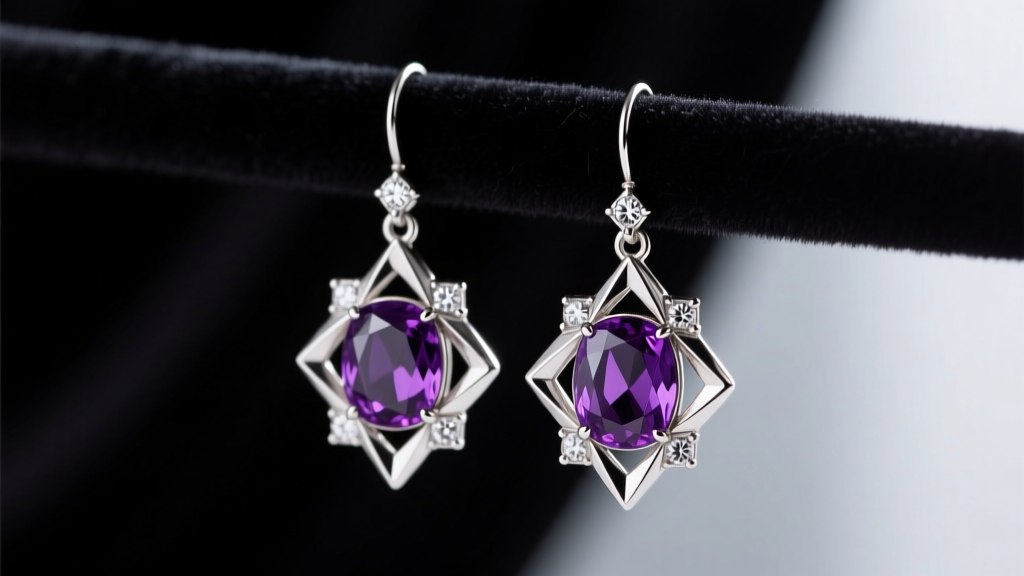
The Allure and Economics of Art Deco Amethyst Earrings
The geometric elegance of the 1920s and 1930s continues to dominate fine jewelry trends in 2026, with art deco amethyst earrings standing out as a premier choice for collectors and style enthusiasts alike. However, the market is currently saturated with a complex mix of authentic vintage pieces, high-quality modern reproductions, and mass-produced costume jewelry. For buyers operating on a strict budget or those looking to maximize investment value, distinguishing between a $4,000 original platinum masterpiece and a $120 silver-plated homage is critical.
Assessing the true value of these earrings requires looking far beyond the carat weight of the stone. You must evaluate the metal grade, the historical accuracy of the earring findings, the specific color zoning of the amethyst, and the structural integrity of closed-back settings. This comprehensive 2026 budget and value assessment will provide you with the exact metrics needed to navigate the market confidently.
Decoding the Market: Price Matrix & Value Tiers
Before making a purchase, it is essential to understand where different types of art deco amethyst earrings fall on the pricing spectrum. The table below outlines the current 2026 market rates based on era, material, and stone origin.
| Category | Era / Origin | Metal & Findings | Stone Type | 2026 Price Range | Value Retention |
|---|---|---|---|---|---|
| High-End Vintage | 1920-1935 (US/France) | Platinum / 18k White Gold | Natural Siberian Amethyst, Diamonds | $3,500 - $12,000+ | Excellent (Appreciates) |
| Mid-Tier Vintage | 1920-1940 (European/Mexican) | 800 or 925 Silver, Early Leverbacks | Natural Amethyst, Marcasite | $600 - $2,200 | Good (Stable) |
| Modern Reproduction | 2010-Present | 925 Silver, Rhodium Plated, Friction Posts | Lab-Created or Low-Grade Natural | $85 - $250 | Poor (Depreciates) |
| Costume / Faux | 1970s Revival or Fast Fashion | Base Metal, Gold/Silver Tone | Glass or Synthetic Spinel | $30 - $90 | None |
If your budget is under $300, you are strictly in the modern reproduction or costume tier. While these offer the aesthetic of the era, they hold zero intrinsic resale value. For buyers seeking an asset that retains its worth, the mid-tier vintage category (specifically European 800 silver or Mexican Taxco 925 silver pieces) offers the best intersection of historical authenticity and financial accessibility.
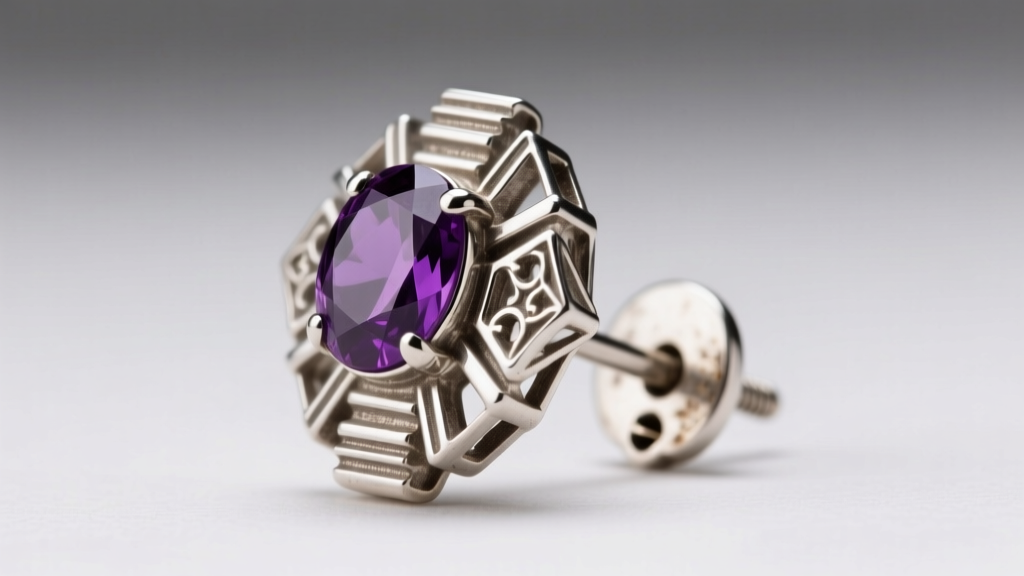
Material Deep-Dive: Silver Grades and Stone Quality
When evaluating mid-tier vintage pieces, the metal purity and the specific grading of the amethyst dictate the price. According to the Gemological Institute of America (GIA), amethyst value is heavily dependent on color saturation and secondary hues.
Amethyst Color Grading in Deco Jewelry
- Siberian Amethyst: The gold standard for high-end vintage pieces. These stones exhibit a deep, vivid purple (75-80% tone) with secondary flashes of red and blue under incandescent light. Expect to pay a 40-60% premium for verified Siberian stones.
- Uruguayan Amethyst: Very dark, sometimes approaching black in low light (85%+ tone). Common in mid-tier vintage earrings. Less expensive than Siberian but still highly valued for its dramatic contrast against platinum or white gold.
- Rose de France: A pale, lilac-toned amethyst. While occasionally used in the 1920s, it is overwhelmingly prevalent in modern 2026 reproductions. If a seller claims a pale lilac stone is a "rare vintage Deco piece," exercise extreme caution.
Metal Purity: 800 vs. 925 Silver
Many authentic European art deco earrings were crafted in 800 silver (80% pure silver, 20% copper alloy) rather than the 925 sterling standard. The higher copper content in 800 silver makes it more durable for the intricate, hand-fabricated wirework typical of the era. However, it is also more prone to dark tarnishing. A genuine 800 silver piece will often bear a maker's mark or a simple "800" stamp on the earring wire or the back of the gallery. Modern reproductions almost exclusively use 925 sterling silver, heavily plated with rhodium to mimic the bright white luster of platinum.
Authentication: Spotting Faux Deco Pieces
The most reliable way to authenticate art deco amethyst earrings without a professional appraisal is to examine the earring findings (the mechanism that attaches to the ear) and the wire gauge. As noted by the experts at Lang Antiques' Antique Jewelry University, the hardware of a piece tells its true age.
The Findings Checklist
- Screw-Backs and Early Leverbacks: Authentic 1920s and 1930s earrings predominantly feature screw-back mechanisms or early, non-snap leverbacks. If the earrings have standard post-and-butterfly friction backs, they were either made after the 1950s, or the original vintage wires were replaced (which reduces the collector value by 20-30%).
- Wire Gauge Thickness: Vintage screw-back wires were typically forged from thicker 18-gauge or 16-gauge wire to support the heavy, geometric drops. Modern reproductions usually feature flimsy 20-gauge or 22-gauge posts.
- Hand-Fabrication vs. Casting: Look closely at the milgrain detailing (the tiny beaded edges). Authentic Deco pieces feature hand-applied milgrain that may show slight irregularities. Modern cast reproductions often have perfectly uniform, but mushy or flattened, milgrain edges.
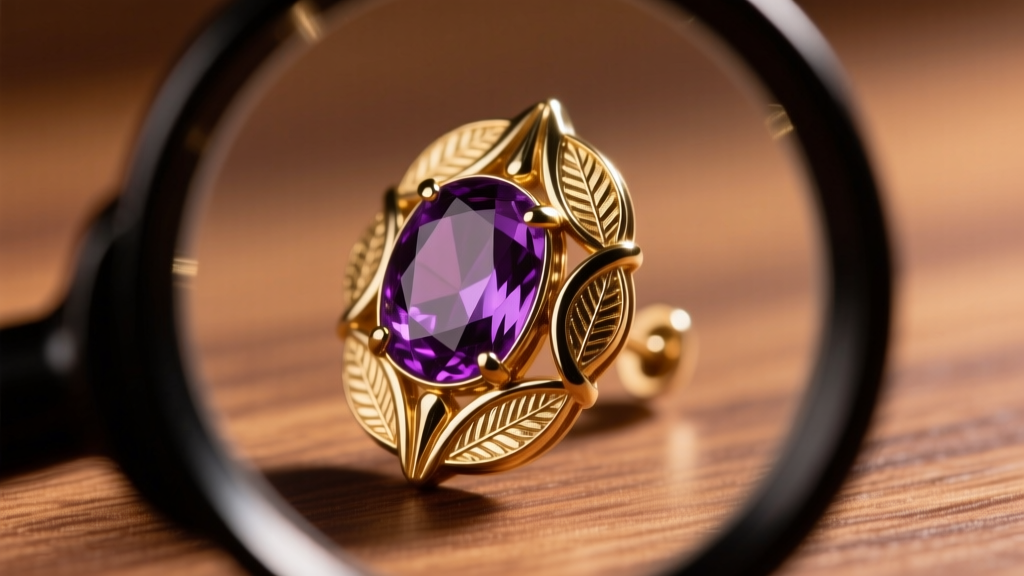
Maintenance Costs and Long-Term Value Retention
Budgeting for art deco earrings does not end at the purchase price. Vintage pieces come with specific structural vulnerabilities that require ongoing maintenance.
The Foil-Backing Risk
Many early art deco amethyst earrings utilize closed-back bezel settings lined with silver or gold foil to amplify the stone's color. This is a massive point of failure. If moisture breaches the bezel—whether from humidity, swimming, or ultrasonic cleaning—the foil will oxidize and turn black, effectively ruining the stone's appearance. Re-foiling and re-sealing a closed-back setting by a master jeweler typically costs between $150 and $300 per earring. Always inspect the back of the setting with a jeweler's loupe; if you see crinkled, dark, or flaking material behind the stone, factor the repair cost into your budget negotiation.
Rhodium Plating Upkeep
If you opt for a modern reproduction or a restored vintage piece in white gold or silver, it is likely rhodium-plated to achieve that bright, platinum-like Deco aesthetic. Rhodium wears off over time, especially on the backs of earrings where they rub against the skin and hair. Expect to budget $40 to $75 every 12 to 18 months for professional re-plating to maintain the crisp, high-contrast look essential to the Art Deco style.
"True value in vintage jewelry isn't just about the materials; it's about the survival of the original craftsmanship. An untouched 1925 screw-back finding is worth more to a serious collector than a flawless, newly replaced modern post." — Senior Appraiser, Estate Jewelry Division
Final Verdict: Where Should Your Budget Go?
If your primary goal is investment and historical preservation, allocate a budget of $1,500 to $3,000 to acquire mid-tier vintage pieces in 800 or 925 silver featuring natural, unheated amethyst and original screw-back findings. These pieces hold their value exceptionally well and offer genuine 1920s provenance.
If your goal is purely aesthetic and wearable fashion, cap your budget at $150. Purchase a modern reproduction featuring lab-created amethyst and cubic zirconia accents set in rhodium-plated sterling silver. You will get the exact geometric silhouette and vibrant purple contrast of the era, without the anxiety of damaging a fragile, century-old foil-backed antique. By aligning your financial expectations with the physical realities of the 2026 market, you can build a stunning, historically inspired collection without overpaying for misrepresented pieces.


